Acts of Resistance and Faith: An Interview with the Rev. John Fife on Founding the Sanctuary Movement, and the Ongoing Struggle for Human Rights in the Borderlands
“Climate change will be the first time we realize that nation states can’t solve this problem by themselves.”
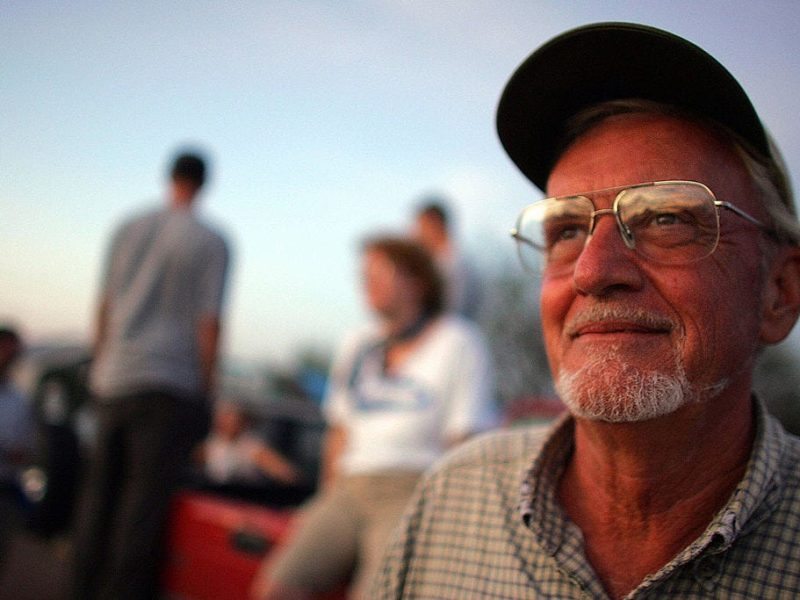
To save lives, the Reverend John Fife helped found the sanctuary movement, modeled after the 19th century Underground Railroad, which ferried escaped slaves to freedom. Fife’s church, Southside Presbyterian in Tucson, was the first in the United States to give refuge to refugees from El Salvador. From that small church in Tucson grew an international sanctuary movement.
In 1985, the U.S. government indicted Fife and 10 others for violating U.S. immigration laws. Fife was deemed guilty and received five years’ probation. After the civil wars ended, and as migrant deaths began to mount in the Sonoran Desert, due to the U.S. policy of prevention through deterrence, Fife helped found the nonprofit No More Deaths which provides food, water, and aid to people migrating through the desert.
Now 83, Fife is pastor emeritus at Southside Presbyterian and still very much involved in humanitarian work in the borderlands. In this interview, Fife talks about how the sanctuary movement formed, the future of immigration policy and humanitarian work, and the long arc of history when it comes to acts of resistance and faith to create social change.
*A very special thanks to Ana Adlerstein for helping me record this interview with Rev. Fife at Southside Presbyterian and to Lilly Clark, our audio editor.
Author
Related Articles
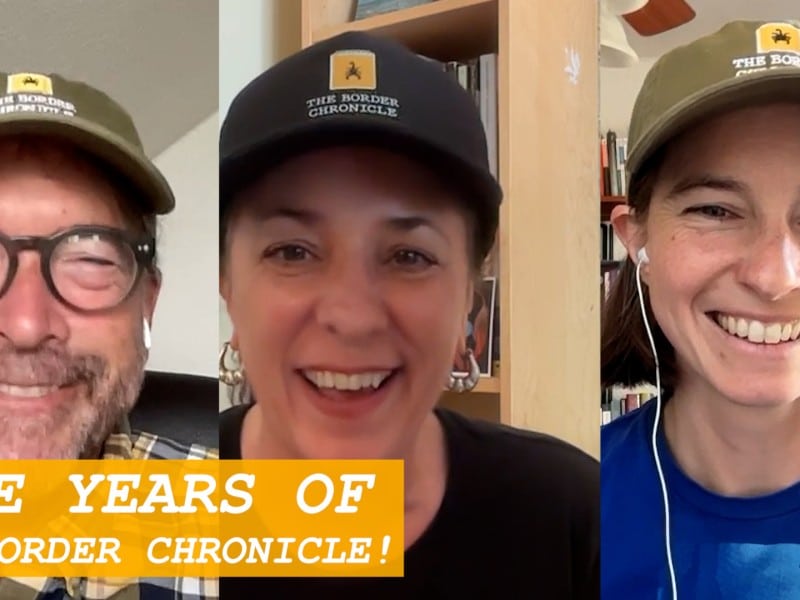
The Border Chronicle Turns Five. What’s Next?
Founders Melissa del Bosque and Todd Miller join editor and reporter Caroline Tracey to revisit the newsroom’s beginnings and the stories that have defined it, and to celebrate its next chapter.
Wall Watch: Mapping Trump’s $46 Billion Border Mega-Project
In this week’s podcast, Melissa del Bosque and Geographer Dugan Meyer explain how the Border Chronicle’s new project, Wall Watch, helps residents document and understand the massive construction project underway at the U.S.-Mexico border.
Protecting the Last Grandmother Cottonwood: A Podcast with Kate Scott
A vivid depiction of what has been happening during the last eight weeks of resistance against border wall construction in southern Arizona’s San Rafael Valley.