Climate, Tech, Borders, and Gaza: A Podcast with Amali Tower
A lively conversation about how surveillance tech, created and tested in Israel & the US, targets climate refugees across the world. And how refugees have much better solutions than more of the same.
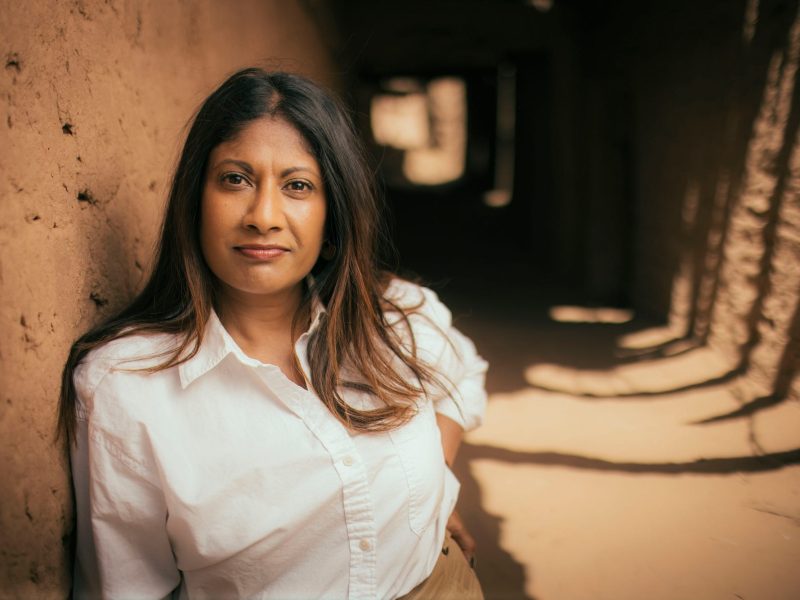
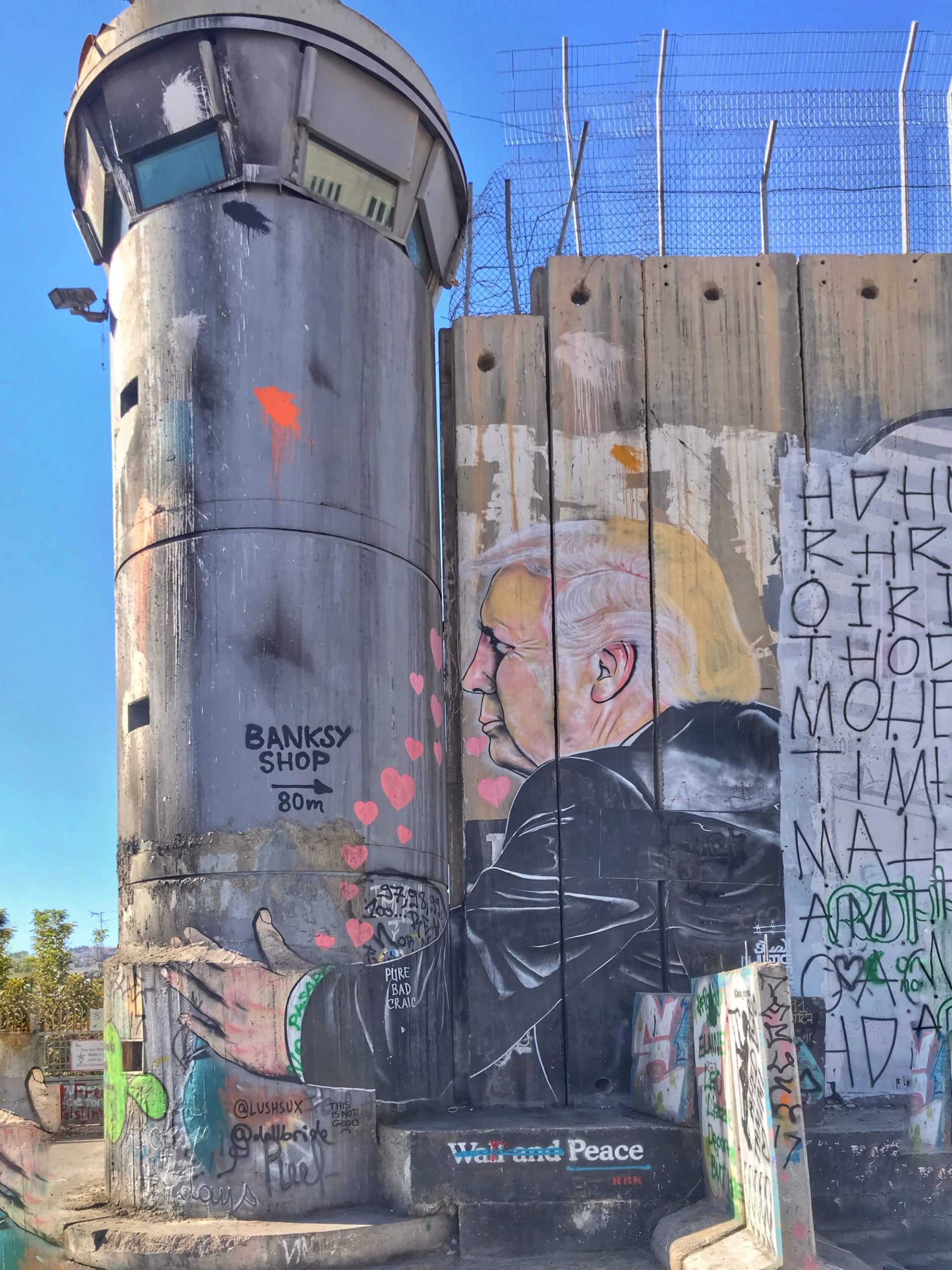
In this episode the executive director of Climate Refugees, Amali Tower, crosses the globe from Israel/Palestine to the U.S.-Mexico borderlands to look at the technology that connects the seemingly disparate realities of warfare, surveillance, and immigration raids, putting them in the context of climate change and increasing global displacement. When people arrive to the U.S.-Mexico border, Tower says, they get “the same digital fortress, the same technical fortress, the same virtual wall, and the same physical wall that has been battle tested in Palestine and on Palestinians.”
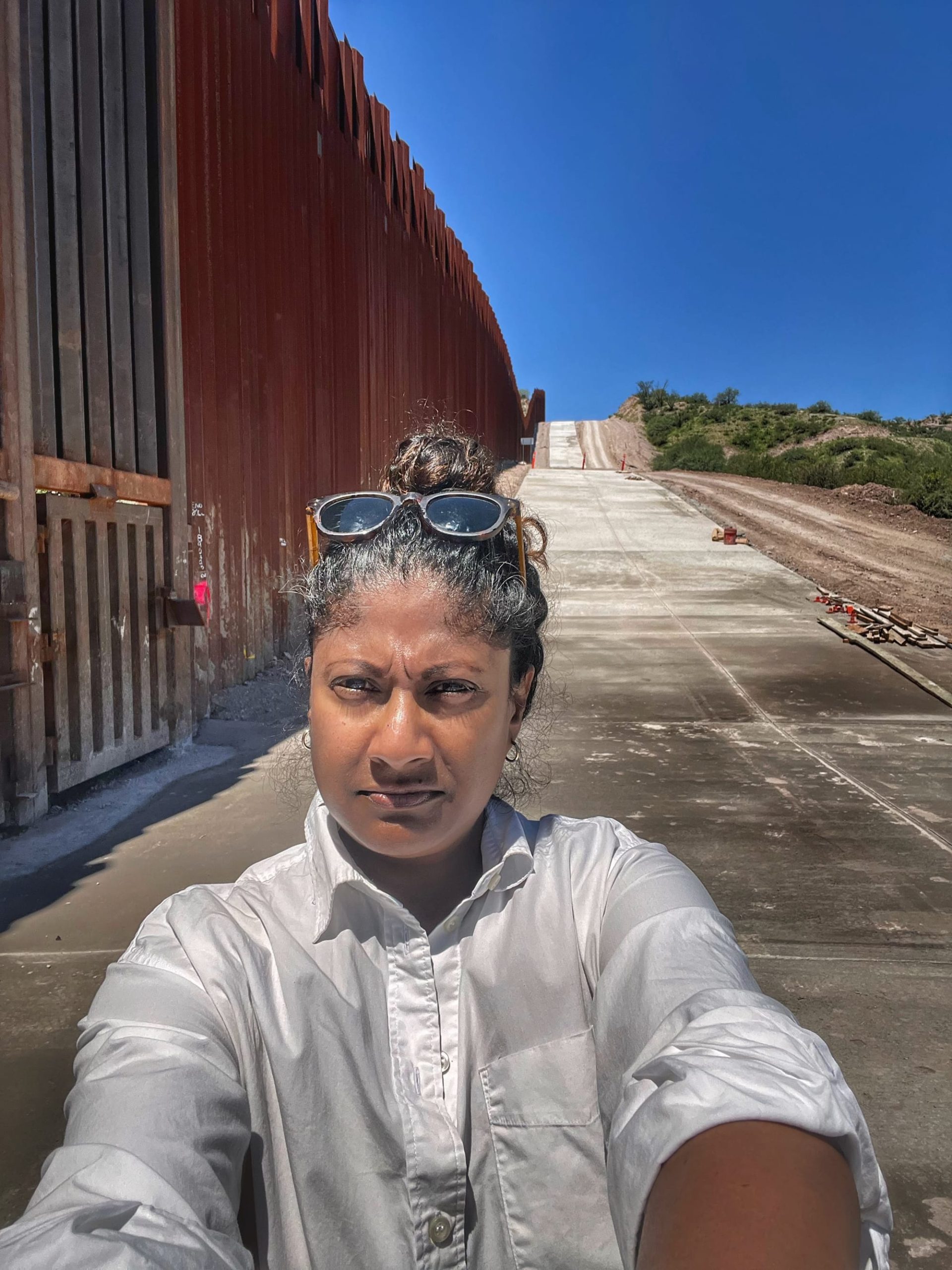
Stay to the end of the conversation, when we turn to alternatives and what people can do to make the world a better place. Amali talks about her visit to Arizona and Sonora last year, when we visited the binational fair trade coffee cooperative Café Justo in Agua Prieta. As you’ll hear, this is a thriving example of an alternative to border militarization and an assertion of the right to stay home.
Amali says that in the 10 years that she’s been looking at the intersection of climate and displacement, she sees “blatant hypocrisy from countries seemingly supposedly caring about saving the planet for future generations to come” while they are simultaneously undermining “all those goals and plans and adaptations and all these wonderful things we are supposed to be doing for the so-called existential threat.”
Instead, she continues, “When it comes to war and militarism, when it comes to borders, when it comes to keeping people out, it’s incredible how we only have language and infrastructure and architecture to do that.”
Here are links to sources mentioned in the conversation: a look at climate change in Israel/Palestine, and the IPCC report and one by Amali on the Mediterranean basin as a climate hot spot. And here is Amali’s piece written in the aftermath of George Floyd’s murder in 2020, “If Black Americans Were to Seek Asylum, They Could Qualify.”
We need your help to continue. Support independent journalism from the U.S.-Mexico border. Subscribe today for just $6 a month or $60 a year.
Authors

Related Articles
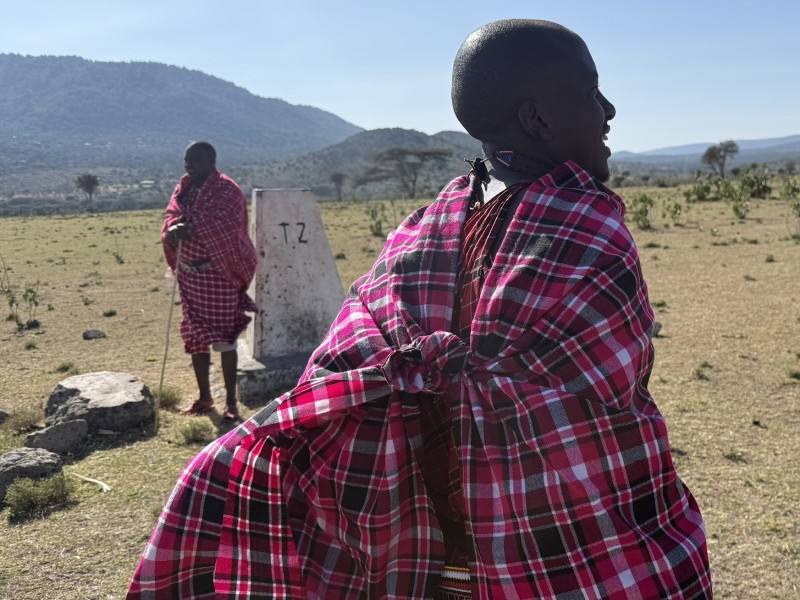
Swarm Intelligence: A Reporter’s Notebook on the Freedom of Movement in the Maasai Borderlands
Could solutions to climate woes such as drought be found in the freedom of mobility? This on-the-ground report from the Kenya-Tanzania border examines that question and more.
Wall Watch: Mapping Trump’s $46 Billion Border Mega-Project
In this week’s podcast, Melissa del Bosque and Geographer Dugan Meyer explain how the Border Chronicle’s new project, Wall Watch, helps residents document and understand the massive construction project underway at the U.S.-Mexico border.
Protecting the Last Grandmother Cottonwood: A Podcast with Kate Scott
A vivid depiction of what has been happening during the last eight weeks of resistance against border wall construction in southern Arizona’s San Rafael Valley.