
The Border Chronicle Weekly Roundup: September 4
The Border Chronicle launches its new poetry series today, resistance halts the border wall in Lochiel and Big Bend for now, and the Maasai face climate change, plus immigration policy is maternal health policy.
By Caroline Tracey & Melissa del Bosque
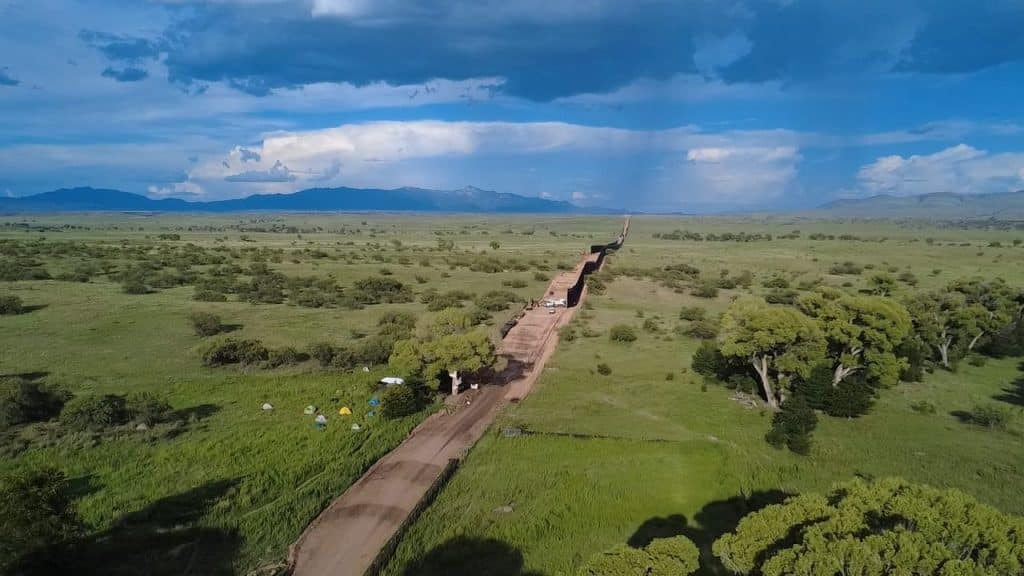
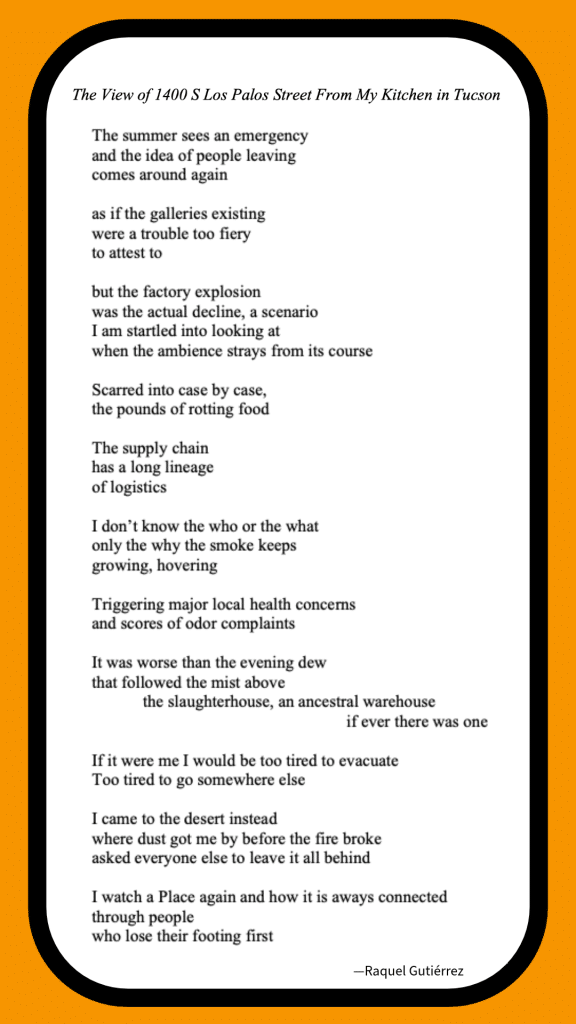
It’s been a tough week with the fatal shooting at the Venture-N bar, which killed two beloved Tucson residents in a hate crime targeting the LGBTQ community, and with the onslaught of border wall construction across the region, threatening the environment, wildlife, and communities. There is some good news to report, however. Community resistance is slowing things down in Big Bend, Texas, and at Lochiel in Southern Arizona, activists have stopped construction after weeks of protest. Something else to celebrate is our launch of The Border Chronicle’s new poetry series today, with a poem by award-winning Tucson poet Raquel Gutiérrez. Starting today, we will feature a borderlands poet in our weekly roundup each Friday. This poetry series was made possible through a generous grant from the Arts Foundation for Tucson and Southern Arizona. You can read more about Raquel’s work in last week’s roundup.
Also, you may have noticed that The Border Chronicle has moved to a new publishing platform called Indiegraf. We did this because we are transitioning to becoming a nonprofit newsroom. We started as a two-person newsletter on Substack in September 2021 and are celebrating our fifth year in existence this month! And we’re excited to be working with so many talented journalists as we grow into a larger publication, all thanks to our readers, supporters, and a generous grant from The MacArthur Foundation. Let us know how we’re doing and what else we should be covering. You can leave a comment at the bottom of the post, thanks! And if you believe in independent journalism, please consider supporting our newsroom by becoming a paid subscriber today for just $6 a month or $59 a year, or share this post with friends. You can also make a one-time donation. Every dollar goes directly to our reporting at the U.S.-Mexico border.
This Week in The Border Chronicle:

More News From Across the Border Region:
After Abbott’s order limiting Flock cameras, DPS to continue using its vast surveillance network The Texas Tribune
“They Were Genuinely Who They Were”: Tucson Remembers Venture-N Shooting Victims Lookout
Brownsville commissioners approve disannexation of future SpaceX property My RGV
De la frontera a las redes: cómo la desinformación y los bulos impulsaron la llegada masiva de migrantes a Ceuta y ahora alimentan el racismo Infobae
He moved to Mexico after decades of being undocumented in the US. Then he got a $1.8 million fine from DHS CNN
The U.S. Has Killed 227 Civilians in Boat Strikes During “A Year of Murders” The Intercept
Banished to the South: The Human Cost of Deportation WOLA, Kino Border Initiative, CDH Fray Matias
San Diego area ICE arrests hit record in second Trump term, signaling a shift Inewsource
Why is the Border Patrol detaining immigrant truckers in Arizona? The Arizona Republic
Authors
Related Articles
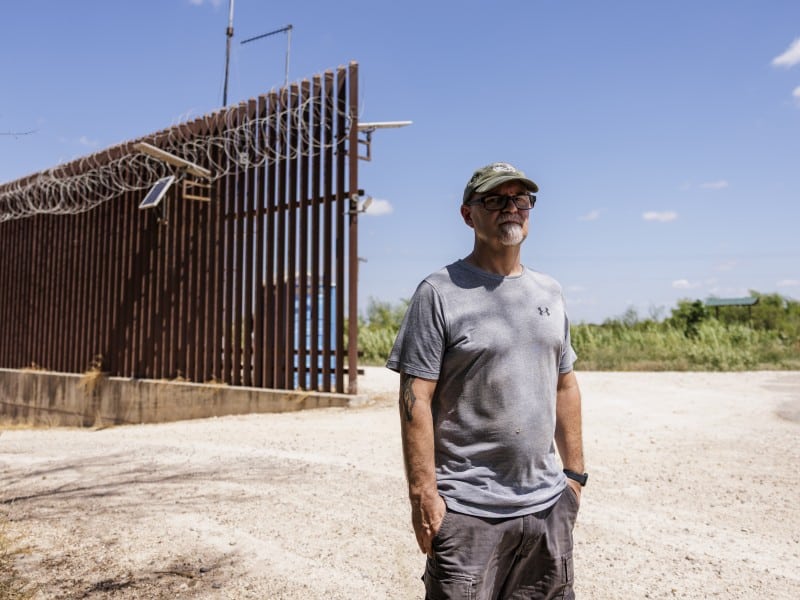
The Border Chronicle Weekly Roundup + Poetry Supplement: October 2
Why does a border wall built with old bollards cost twice as much? CBP’s Big Bend lie, plus our new poet of the month, Matt Flores, and loads of border announcements and news.

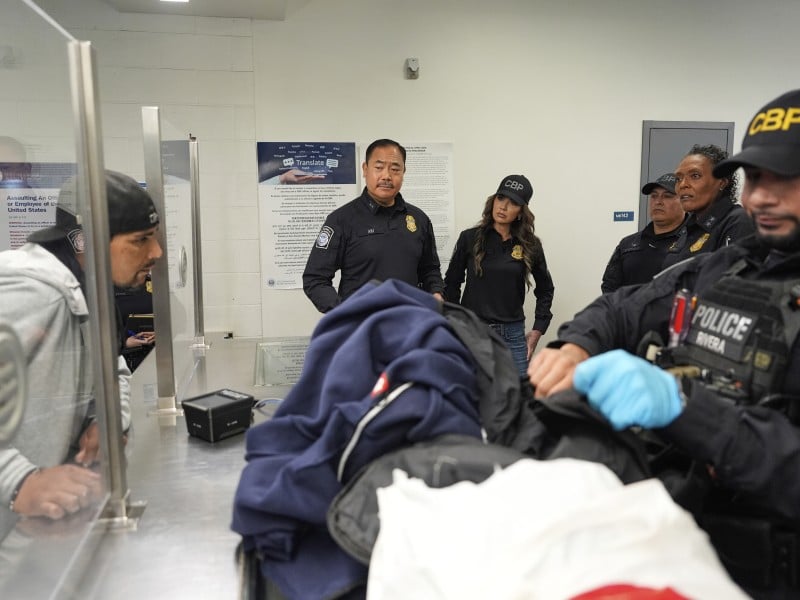
The Border Chronicle Weekly Roundup + Poetry Supplement: September 18
A federal court rules that law enforcement can search cell phones at the border without reasonable cause or a warrant, CBP One and CBP Home are one in the same, and a podcast on our fifth anniversary.
