With interior Border Patrol checkpoints to the north, and the border to the south, DACA recipients in border communities feel under threat by multiple layers of law enforcement, from ICE to local police. Nowhere more so than in Texas.
Trump's big buoys arrive in Eagle Pass, a border resident arrested for nonviolent protest against wall construction in Zapata County, and catch our podcast with Yes Men prankster, political activist Jacques Servin and Todd who entirely reframe "border security."
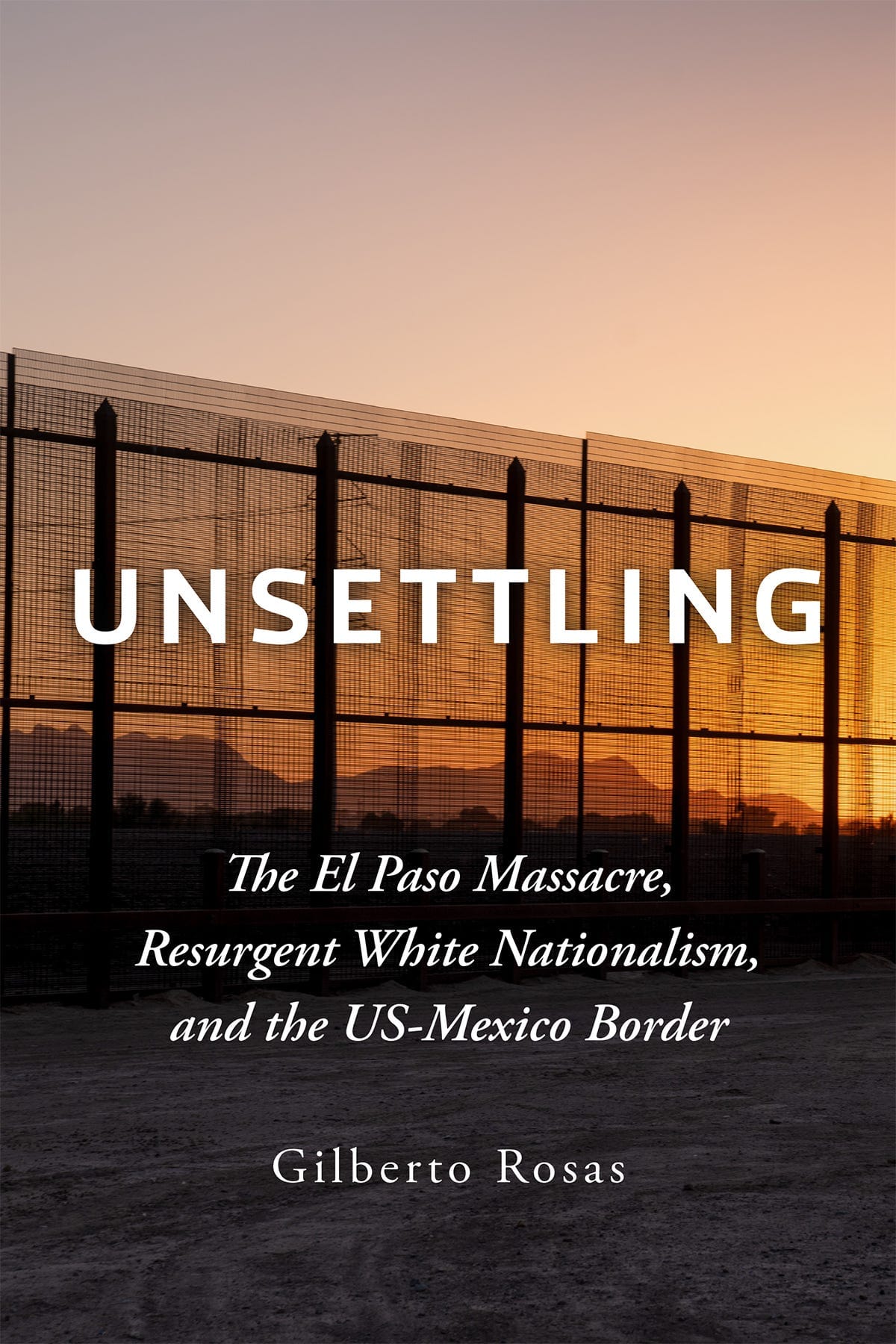
Border Fortification and the El Paso Massacre: A Podcast with Gilberto Rosas
“The mass shooting of August 3, 2019, demands a reckoning. It must be situated in a recent and vicious amplification of preexisting U.S. border and immigration policy.”
Border Fortification and the El Paso Massacre: A Podcast with Gilberto Rosas
0:00
/12000
On August 3, 2019, a mass shooting took place in El Paso, Texas. After hearing reports of the shooting, anthropologist Gilberto Rosas tried to call his parents, who live in El Paso, his hometown. At first, they did not answer the phone. At a Walmart about a mile away from the U.S.-Mexico divide, the shooter was on a white-supremacist rampage that would kill 23 people and wound many others. As Rosas describes in the following interview, these harrowing moments intensified until his parents finally answered.
In the interview, Rosas told me, “As someone who grew up on the border, who knows the literature on the intensified militarized policing of the border, as someone with roots in that region, I felt compelled to analyze [the massacre] as an outgrowth of the hardening of the U.S.-Mexico border.” And that he did.
Alongside his narrative-challenging analysis, Rosas also explains why he doesn’t use terms like “migrant” or “detained/detention.” He talks about his own “dignified rage” in grieving the mass shooting’s victims, and how this concept can be channeled by people and communities to challenge power.
And he offers this keen observation about Washington and the border (one that we often make here at The Border Chronicle): “If policy makers were to listen to people from the borderlands, these kinds of discursive, ideological, and material conditions would not be as severe.”
The Border Chronicle relies on its readers and listeners to continue. Support border journalism from a border perspective by becoming a paid subscriber today for just $6 a month or $60 annually. We appreciate your support!
This conversation, hosted by Todd Miller, about a great borderlands adobe brick building project is going great, until Jacques Servin—of the political performance artist trickster and activist troupe called the Yes Men—fails to grasp the meaning of the term "border security."
This month, Hull’s worst fears came true as contractors for Southwest Valley Constructors and Kiewit started bulldozing and scraping land near her home to construct a 30-foot border wall.
Just what did U.S. officials at the Border Security Expo earlier this month say about U.S. foreign policy, border extension, and a revival of the war on terror?