Happy 250th America! In a new podcast, Melissa and Todd discuss surveillance, and unconstitutional policing migrating into the country's interior, and ancient rock art faces demolition in Texas. Plus more news from across the border region.
Border Chronicle founders, Todd and Melissa, talk about how law enforcement surveillance, high-speed chases instigated by Border Patrol, unwarranted searches and seizures, and other heavy-handed policing that border communities have endured for decades has now moved into the interior of the country.
A $2.6 billion border barrier through Texas' Lower Pecos Canyonlands has archaeologists warning that irreplaceable indigenous rock art and sacred sites could be destroyed.
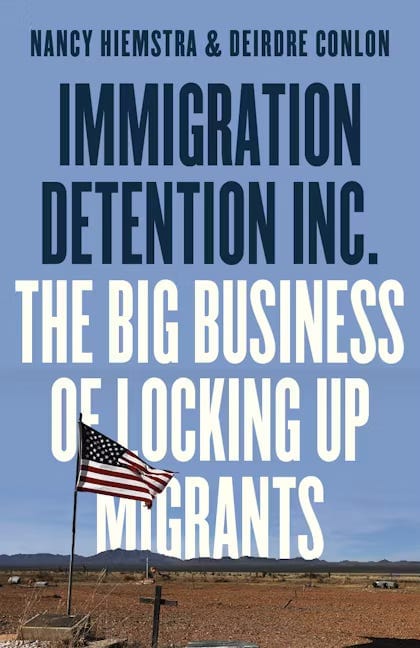
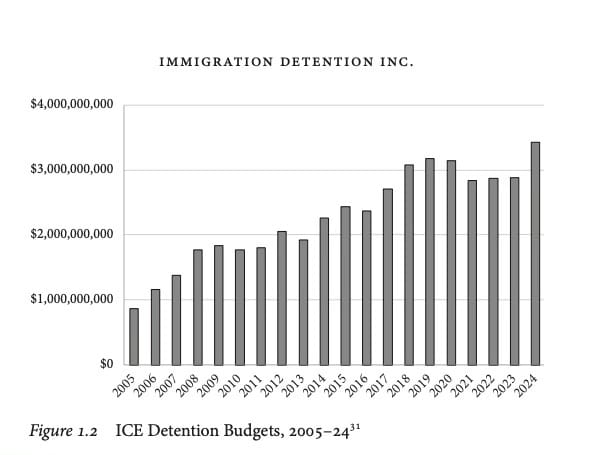
This book comes at a crucial time as the Trump administration attempts to carry out a mass deportation plan that will be financed by an estimated $45 billion budget, via the One Big Beautiful Bill Act.
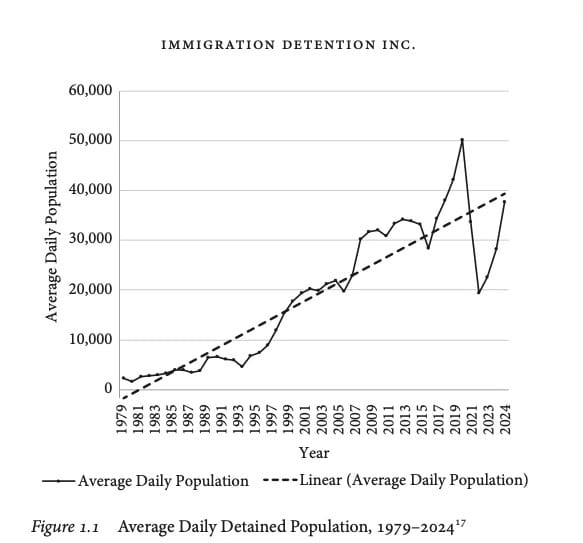
We discuss all of this: the billions made not only by major prison companies like Geo Group and CoreCivic but also by subcontracted services such as food, medical care, and commissary. The authors highlight that substandard food and health services are part of the business model. We discuss the financial dependencies that local governments have developed through their revenue-sharing agreements with ICE. Additionally, we examine the rapid growth of the detention industry—from 7,000 people in the early 1990s to 60,000 today—and how this growth has accelerated in the last eight months under Trump.
To be noted, the daily population has reached 60,000 this year, a significant jump from the end of 2024.
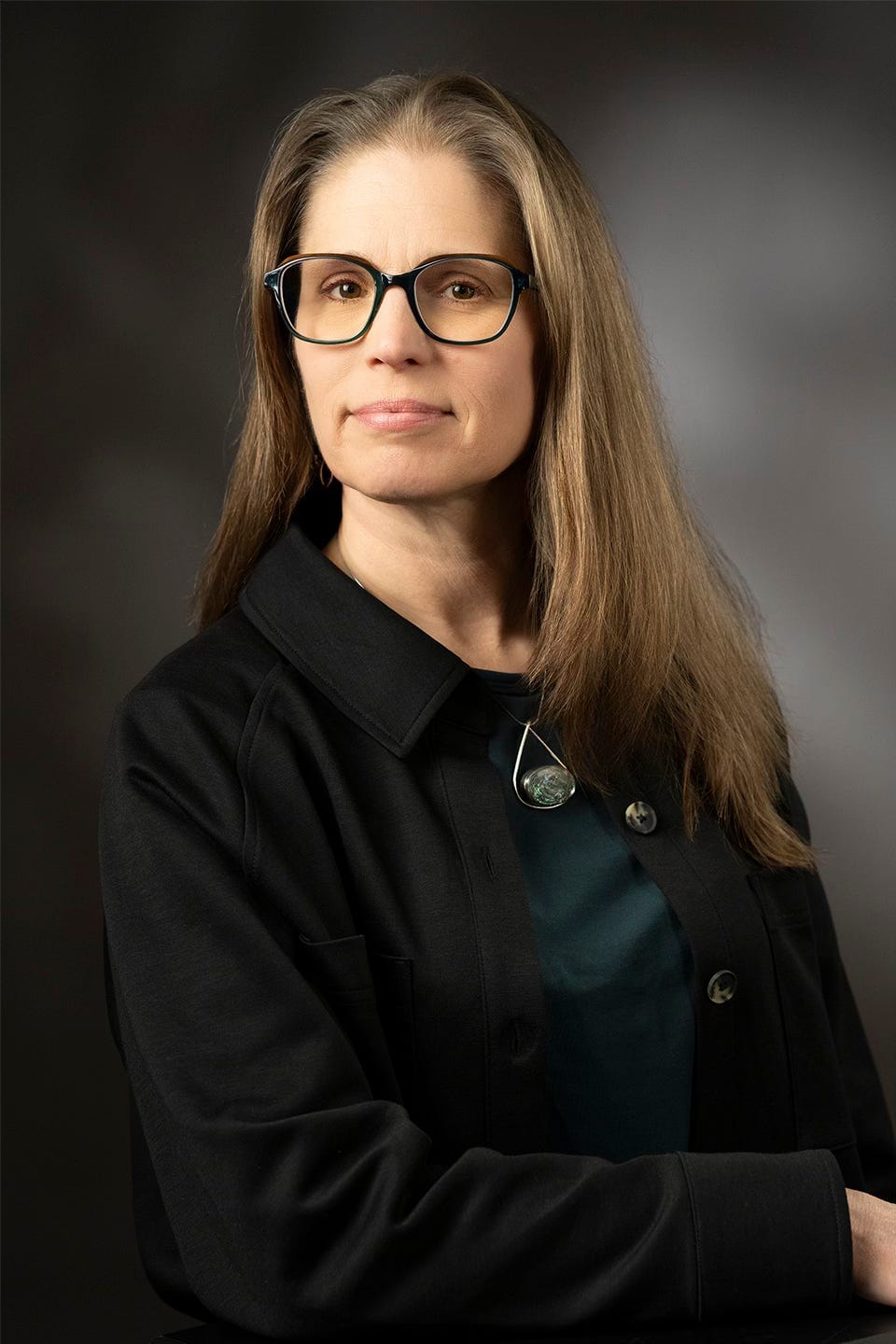
Finally, the authors suggest solutions. “Chip away that detention is effective or necessary … this is really a false narrative,” Hiemstra says, and “peel away what makes detention profitable, and peel away the ability to make money off it.”
Border Chronicle founders, Todd and Melissa, talk about how law enforcement surveillance, high-speed chases instigated by Border Patrol, unwarranted searches and seizures, and other heavy-handed policing that border communities have endured for decades has now moved into the interior of the country.
With interior Border Patrol checkpoints to the north, and the border to the south, DACA recipients in border communities feel under threat by multiple layers of law enforcement, from ICE to local police. Nowhere more so than in Texas.
This conversation, hosted by Todd Miller, about a great borderlands adobe brick building project is going great, until Jacques Servin—of the political performance artist trickster and activist troupe called the Yes Men—fails to grasp the meaning of the term "border security."