
The DNA Archive Built to Identify the Border’s Missing Has Vanished
The Colibrí Center for Human Rights was a vital link between families and their missing loved ones. But now it's gone dark.
The Colibrí Center for Human Rights was a vital link between families and their missing loved ones. But now it's gone dark.


A year of military buildup on the border, walling off the Rio Grande Valley, and Caroline Tracey's debut book launch in Tucson.

An investigation into how President Trump’s emergency declaration along the southern border expanded military power, blurred legal lines, and helped spread the use of military-grade technology.


The Colibrí Center for Human Rights was a vital link between families and their missing loved ones. But now it's gone dark.

This article is a collaboration with High Country News.
In 2016, Irma Carrillo Nevares swabbed the inside of her cheek and signed a consent form allowing the Colibrí Center for Human Rights to add her DNA to its database. Carrillo Nevares’ son and daughter had gone missing while crossing the U.S.-Mexico border 17 years earlier. She was desperate to find out what had happened to them, and Colibrí’s database offered a ray of hope.
“No matter how many years pass, it’s still a very painful trauma for us, so any option that presents itself is good,” she explained. Now that Colibrí had her sample, if any remains were ever recovered that matched her DNA, the organization would notify her. At least, that was what she thought as she handed over her genetic material.
For a decade, the nonprofit Colibrí Center for Human Rights worked with state agencies and humanitarian organizations to identify migrants whose remains were found in the U.S.-Mexico borderlands. As part of this work, the organization managed a database of DNA samples from families across the U.S. and Latin America. By 2022, Colibrí had helped facilitate hundreds of successful identifications.
But now, Colibrí’s missing-persons database has itself gone missing. Since fall 2024, none of Colibrí’s partners have been able to access it, receive information from the laboratory that stores and processes the DNA samples, or make identifications. Colibrí’s website has gone dark, and communications have ceased. In December 2025, the state of Arizona moved to dissolve the organization due to required paperwork not having been filed. Frustrated forensic practitioners across the borderlands are wondering: Is there hope for bringing the database back — or is it gone for good?
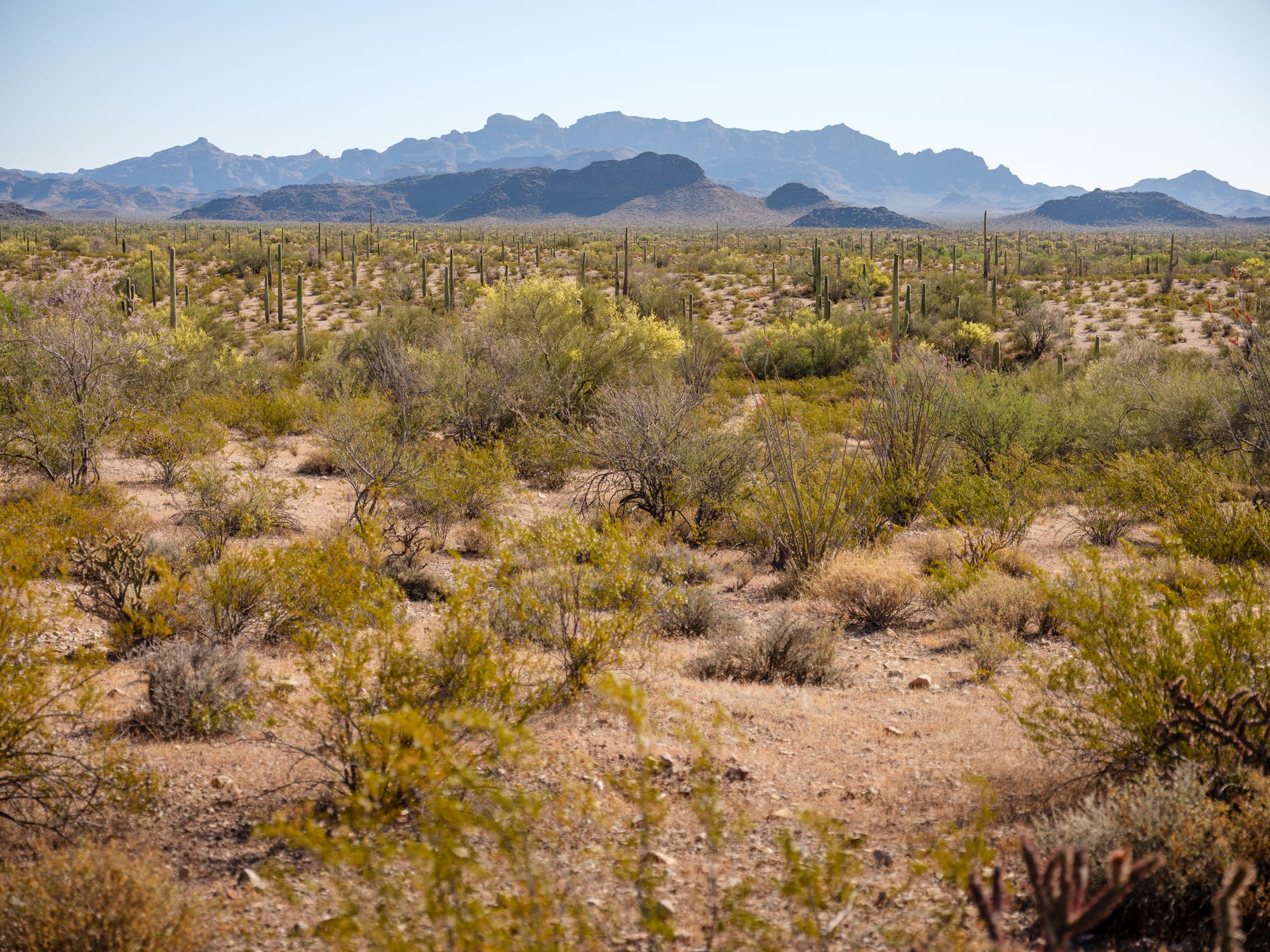
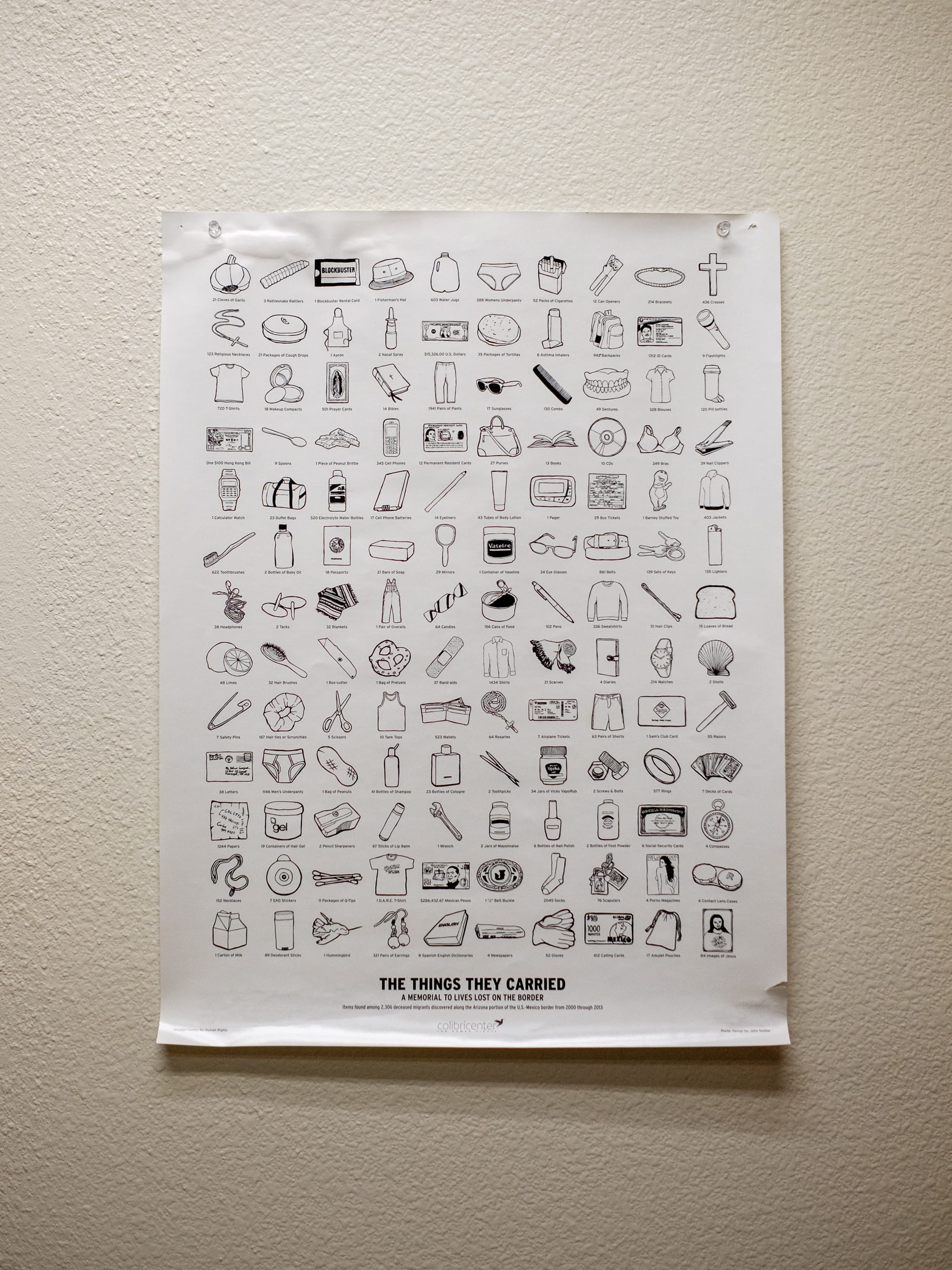
As border enforcement escalated during the 1990s, migration routes were pushed into the vast and blistering Sonoran Desert, with deadly consequences. Starting in the early 2000s, Tucson’s Pima County Office of the Medical Examiner, which serves three of the state’s four border counties, began receiving the skeletal remains of people presumed to have died while crossing the border. Then, families started calling, looking for their relatives. Forensic anthropologist Bruce Anderson began taking down missing-persons reports. Humanitarian organizations were fielding similar calls. In 2006, cultural anthropologist Robin Reineke began helping Anderson organize these reports into a database. They called it the Missing Migrant Project.
By 2013, when Reineke and co-founder William Masson, who works in software development, incorporated the project as a 501(c)3, there were hundreds of reports. In 2016, now operating as the Colibrí Center for Human Rights, they began using DNA for identification. They hired Mirza Monterroso, a forensic anthropologist from Guatemala, to manage the DNA program.
Colibrí held events in cities with large immigrant populations, where the relatives of missing migrants could give cheek swabs for DNA reference samples. To protect the families’ identities, employees created unique codes for each sample that could only be decrypted using the database. The anonymized swabs were sent to Bode, a private forensics laboratory in Virginia. As funding allowed, the Pima County Office of the Medical Examiner also sent unidentified bone samples to Bode.
The two sets of DNA were periodically compared. When there was a match, Bode contacted Colibrí, whose staff would de-anonymize the sample, determine to whom it corresponded and contact their family members. By 2022, Colibrí had assisted in approximately 500 identifications.
The program was successful, but there were challenges behind the scenes. Reineke stepped down as director in July 2019. The stress was affecting her life: “I was making mistakes. I got in a car accident. I was a wreck,” she said. The organization went through two interim directors, and, by 2021, faced serious financial setbacks. The board decided to merge Colibrí with the Undocumented Migration Project, a nonprofit organization founded by Jason De León, who was also Colibrí’s board chair.
De León seemed like an ideal candidate to lead Colibrí’s work. An anthropologist, he had joined the board in 2017 at Reineke’s invitation. His 2015 book The Land of Open Graves described the role U.S. border policy played in migrant deaths and Colibrí and other organizations’ responses. He had created the Undocumented Migration Project to support both his academic research and a traveling art exhibition called “Hostile Terrain 94.”
Colibrí’s staff and board felt optimistic. “The board saw a really good opportunity to have a bigger, more established and stronger organization (take over),” said Monterroso. From De León’s perspective, he was Colibrí’s last chance. “The organization was going to go under and so I took it on in hopes that I could save it,” he said in an interview last spring.
De León became Colibrí’s executive director in 2022. Monterroso said she quickly clashed with him over protocols and ethics. She raised concerns about a graduate student who used the database to identify interviewees for her research and the presence of a documentary filmmaker at DNA collection events, and said that DNA was not promptly being sent in for processing. Shortly after she shared her concerns with Masson, she and a colleague were fired. (Masson declined to comment for this article.)
The terminations troubled Colibrí’s partner organizations. “The staff at Colibrí that we had built trust with had been fired with no explanation. This was alarming to us,” said anthropologist Kate Spradley, a professor at Texas State University and the director of Operation Identification, which conducts migrant identification work in South Texas. After the firings, she said, she struggled to communicate with De León about the database’s usage and management.
In October 2024, De León sent Colibrí’s board a letter of resignation. “I wanted to get as far away from this as humanly possible,” he told HCN and The Border Chronicle. “The biggest regret of my professional career was trying to save this organization,” he added, decrying the “constant harassment and defamation that I have had to endure because of people who had been once associated with the organization who now blame me for many things.”
Within a week of De León’s letter, Colibrí’s longstanding partners along the border lost access to the database. When they attempted to visit its web address, a message said the site was no longer being hosted. Without database access and Colibrí’s cooperation to de-anonymize samples, there was no way to make many DNA matches.
“The family DNA is … just sitting there and not being compared to any of our unidentified human remains,” said Spradley. “If nothing happens, we lose the complete possibility of being able to identify some individuals.”
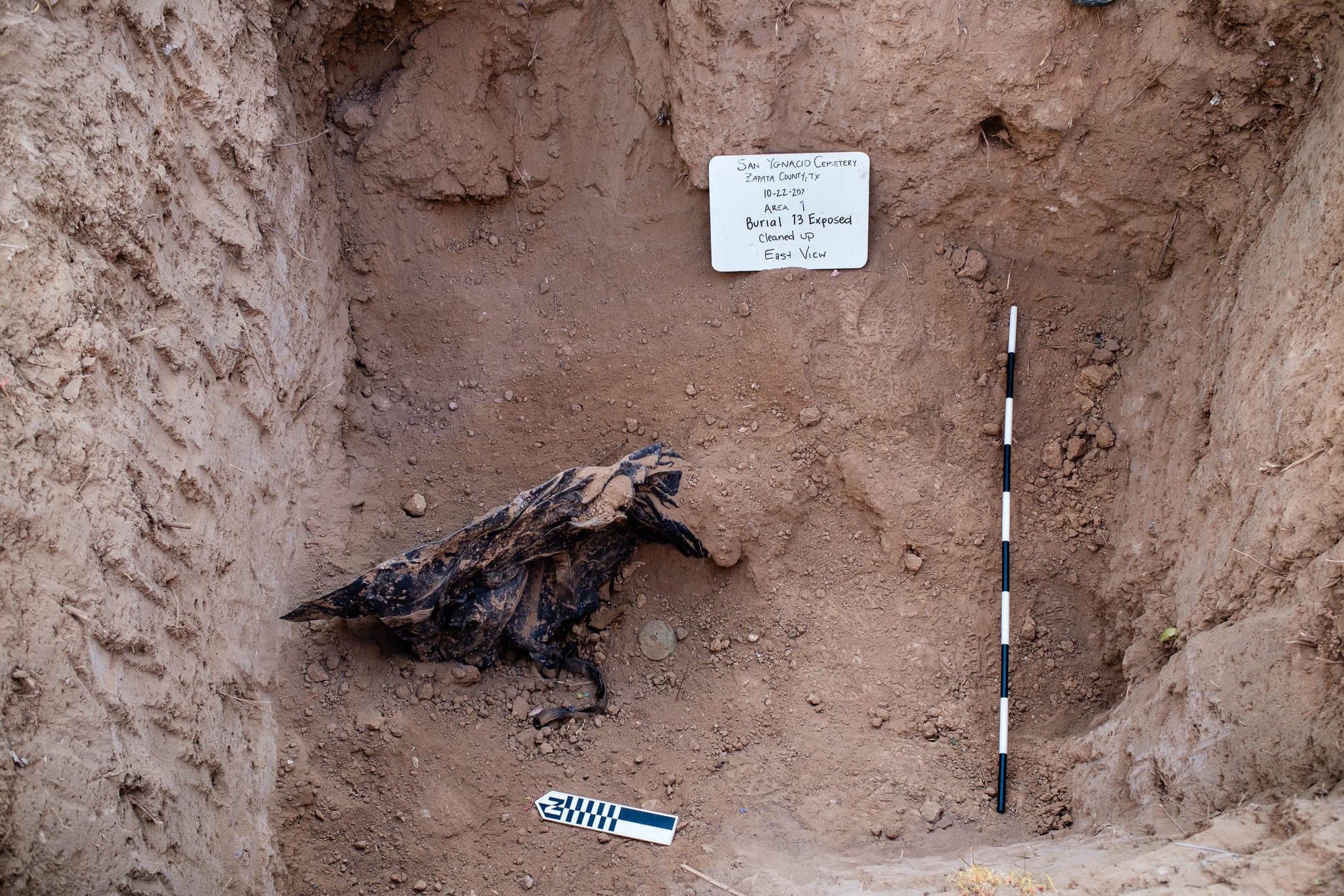
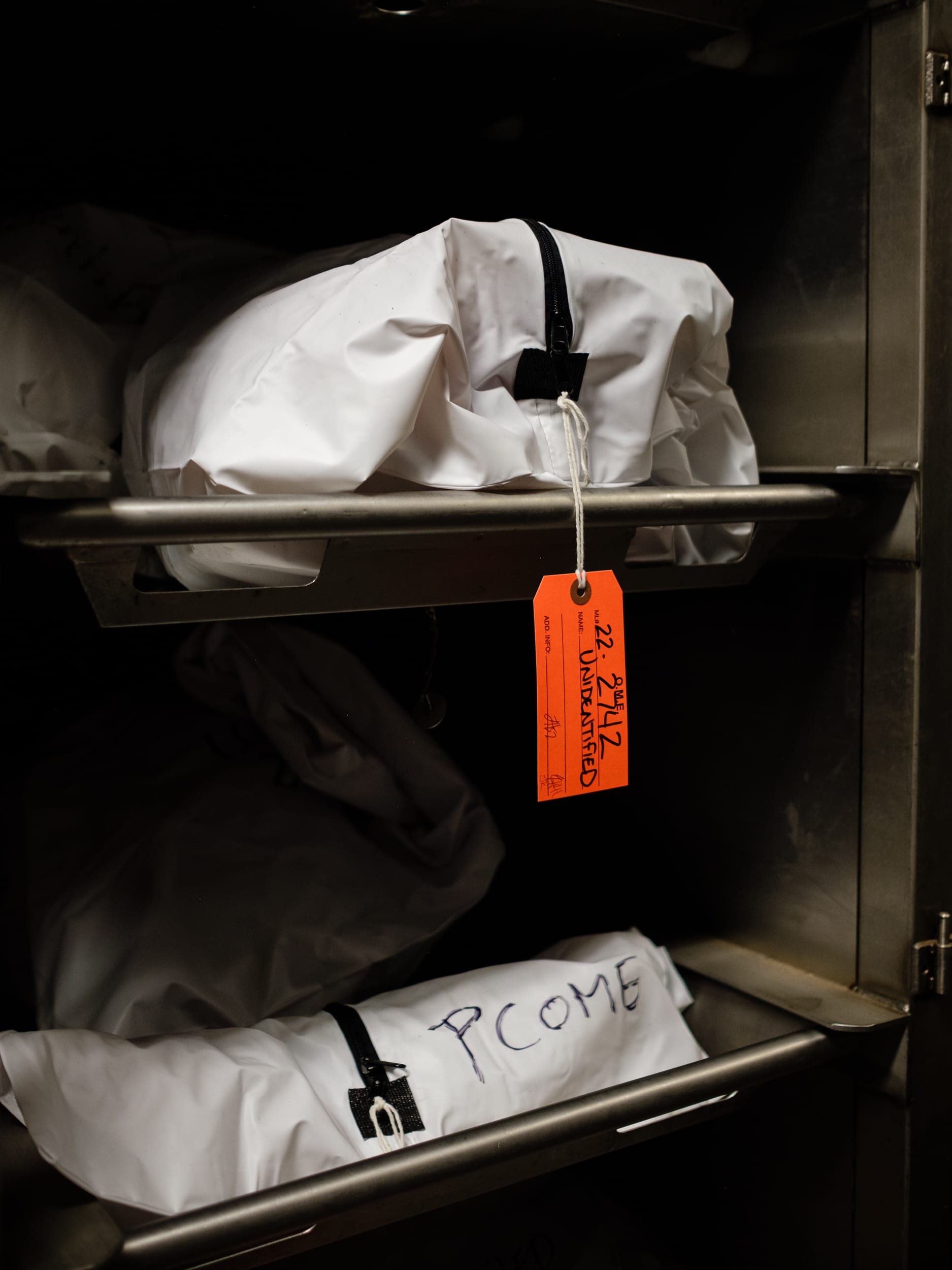
At the Pima County Medical Examiner’s Office, Bruce Anderson’s team faced similar problems. “There’s a dozen or more cases that can’t be identified, and families can’t be told,” he said. “We think that these (identifications) will be resolved if we can just get access to those data and to those results.”
The families, too, were concerned. The database was “something we trusted in that was going to help us search for our family,” said Carrillo Nevares in an interview in Spanish. “They betrayed my trust.”
Some of Colibrí’s partner organizations made repeated efforts to contact De León and some members of the board but did not receive a reply, they said. It was unclear who held responsibility for the database since Colibrí's merger with the Undocumented Migration Project had apparently taken place. In reality, the documents to complete the merger were never filed with the Arizona Corporation Commission, the state agency that oversees companies and nonprofit organizations. Legally, Colibrí and the Undocumented Migration Project have continued to exist as two separate entities, registered in different states with distinct tax identification numbers.
In October 2025, as their concern transformed into despair, Spradley, Anderson, Reineke and seven others sent a letter to De León, the boards of Colibrí and the Undocumented Migration Project, and the director of the UCLA Department of Anthropology, where De León was employed, seeking answers.
“We find ourselves at a critical impasse,” they wrote. “(We) are writing to ask for your help in finding a way for thousands of missing person reports and genetic samples from families of missing migrants to be used in the manner promised to families at the time of collection.”
As of press time, Reineke said, no one had responded.
“I did not (respond) because I have no knowledge of the database,” De León told HCN and The Border Chronicle in February 2026. “I have no idea what (the board is) doing, what they’ve done, where the database is.”
SO, WHERE DID the database go? Under federal law, responsibility for a nonprofit organization’s assets lies with its board. According to Arizona Corporation Commission filings, Colbrí’s most recent board members were Masson, De León, David Newstone and Yolanda Magallanes. De León disputes his status, telling HCN and The Border Chronicle that he left the board upon becoming executive director of the organization in 2022 and cut all ties in 2024. However, the organization’s legal filings still listed him, through the most recent filing in August 2025. “That’s just a mistake,” he said.
Meanwhile, Colibrí is currently considered “inactive” by the Arizona Corporation Commission due to an improper filing of its annual report. Despite a warning, Colibrí’s board did not correct the error, and, on Dec. 31, 2025, the agency moved to administratively dissolve the organization. Reached by phone, board member David Newstone told HCN and The Border Chronicle that Colibrí has “shut down.”
Newstone also said the database may be gone. “I think it’s already been destroyed,” he said. Magallanes stated, “I don’t have to answer any of those questions” about the status of the database. Colibrí’s board members did not respond to subsequent requests for comment.
If the database has indeed been destroyed, this may not have been in compliance with federal nonprofit law, which states that a tax-exempt organization’s assets — including data and intellectual property — “must be permanently dedicated to an exempt purpose,” and that in the case of dissolution, they must be distributed to another 501(c)(3) or to a state or local government. Colibrí’s articles of incorporation align with this law; additionally, the consent form that families signed when providing their DNA samples states that should the program cease, Colibrí “will notify all families whose samples still reside at Bode and provide them with available options at the time.” (Carrillo Nevares said she received no such notification.)
Given current state and federal regulatory environments, legal experts interviewed for this article said it is unlikely that a government agency would step in. Any accountability would likely need to stem from a third party seeking legal intervention by filing a formal request, called a Petition for Instructions, with the Pima County Superior Court.
If the database still exists, the forensic anthropologists and migrant advocates who sent the October letter say they are prepared to assume responsibility for it. “There are a half dozen organizations … that can take over the work of managing, protecting, and using this data the way it was intended to be used,” they wrote. All they need is the board’s permission.
The loss of the data would be devastating, they said. “(Colibrí) has a moral obligation and ethical responsibility to make sure that these data … are accessible,” said Dan Martínez, a sociologist at the Binational Migration Institute and one of the letter’s signatories. “By not providing that access, you’re actively impeding the identification of these decedents and the reunification of the remains with their loved ones.”
For families still searching for their missing relatives, Colibrí’s disappearance dims their hopes for closure.
“All the families saw (the DNA samples) as a door to a hope of being able to find our children — and what wouldn’t you do to find them?” said Carrillo Nevares. “The objective of a humanitarian organization is to serve the community, not to say … ‘I changed my interests and I’m not even going to give you a reason why.’ That’s not right, humanly speaking.”
This story was supported by a grant from the Fund for Investigative Journalism.
We're supported by our readers. No billionaires tell us what to do. Support our independent, investigative journalism from the U.S.-Mexico border today. Become a paid subscriber for just $6 a month or $59 annually. We can't do this without you!

An immigration judge fired by the Trump administration searches for meaning at the southern border.

He saved numerous lives by winning Mexican asylum cases that many said would be impossible to win.

ICE raids and detentions, together with a high-profile killing, have led Rio Grand Valley residents to mobilize—including even some local Republicans.


"I understand what people are going through because I lived it myself."
Independent news, culture and context from the U.S.-Mexico border.