
The Border Chronicle Weekly Roundup: August 1
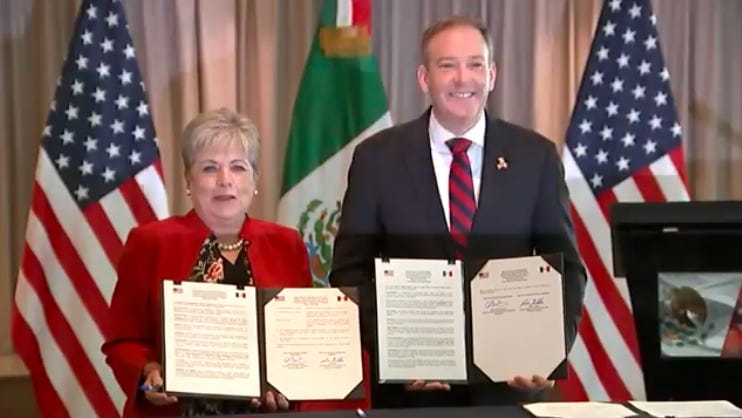
What does security actually mean as billions are funneled into walls and armed agents? And a historian explains the complicated story behind the new binational Tijuana River agreement.
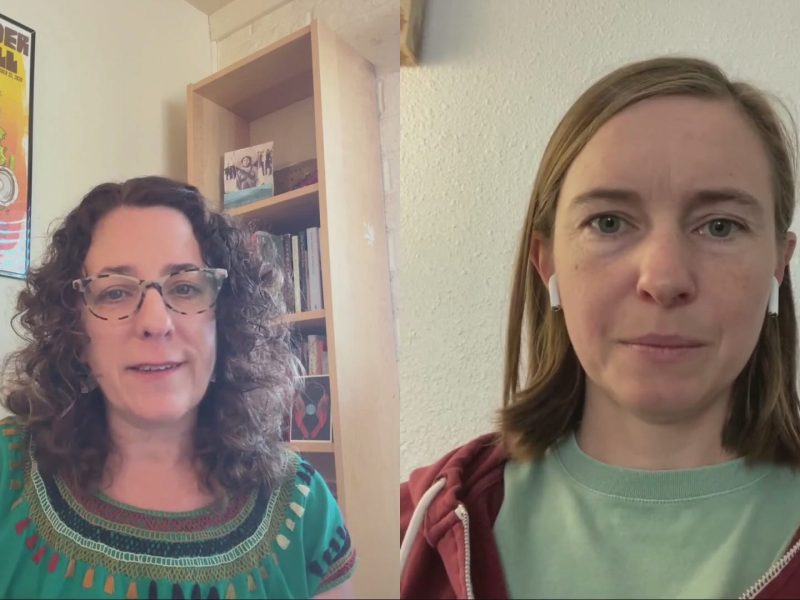
Thank you for joining us in the dog days of summer! Sorry about the last minute reschedule on our live video this morning. We had a changing of the co-host. And Caroline very kindly joined us to talk about her really interesting Q&A this week with Baja California historian Marco Antonio Samaniego on the new binational Tijuana River agreement. What’s happening in your community that The Border Chronicle should cover? Let us know!
This Week in The Border Chronicle:
More News from the Border:
2 customs officers plead guilty to allowing drugs to enter the US through their inspection lanes The Associated Press
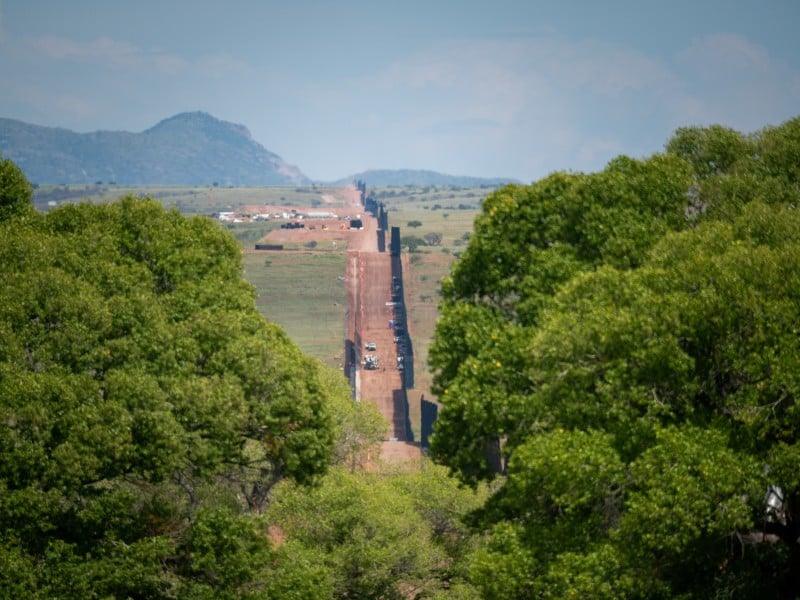
Trump Wants a New Border Wall. It Would Block a Key Wildlife Corridor. The New York Times
285 acres of Cabeza Prieta Wildlife Refuge taken over by Navy in border security move The Tucson Sentinel
Venezuelan deportees say they endured months of abuse inside a Salvadoran prison The Texas Tribune
International bridges in Valley, border regions seeing fewer crossings MyRGV.com
San Diego County’s Schools Have 27,000 Fewer Students Than a Decade Ago. It Will Get Worse. Voice of San Diego
Rio Grande Valley’s biggest free health clinic event of the year is canceled due to federal cuts The Texas Tribune
Authors
Related Articles
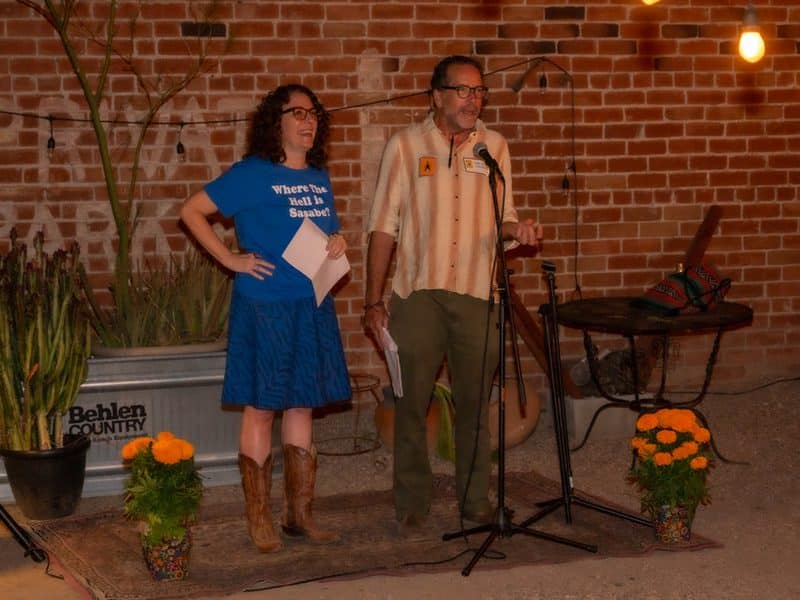
The Border Chronicle Weekly Roundup + Poetry Supplement: October 23
Our 5th anniversary celebration was amazing, plus three big stories this week, including an exciting upgrade to Wall Watch you don’t want to miss!
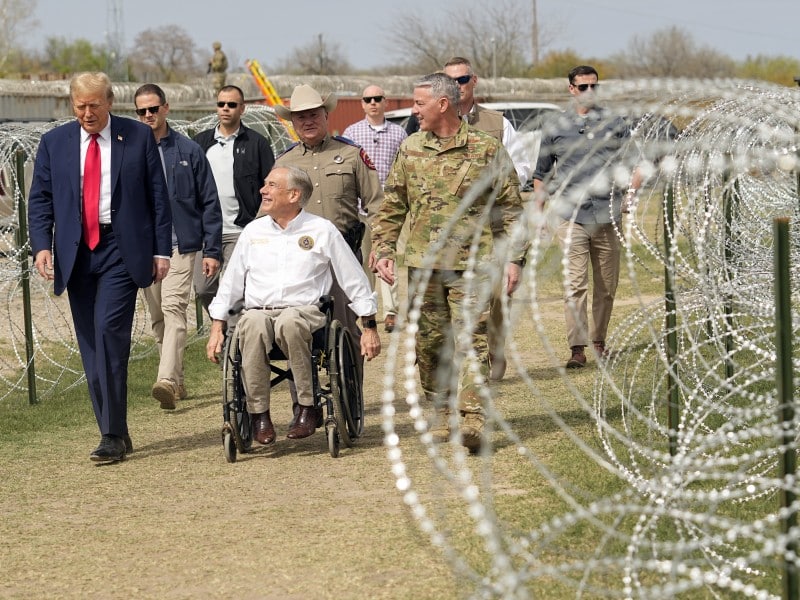
The Border Chronicle Weekly Roundup + Poetry Supplement: October 16
Laredo learns about water conservation from El Paso and Tucson, and the quake that drained the desert, plus MAGA does border theater (again) and poetry!
The Border Chronicle Weekly Roundup + Poetry Supplement: Oct. 9
Border Patrol sends an army to Lochiel, Arizona, to help private contractors build the wall, and a school in Tapachula, Mexico, welcomes immigrant students, plus poetry and more!