Wall Watch: Mapping Trump’s $46 Billion Border Mega-Project
In this week’s podcast, Melissa del Bosque and Geographer Dugan Meyer explain how the Border Chronicle’s new project, Wall Watch, helps residents document and understand the massive construction project underway at the U.S.-Mexico border.
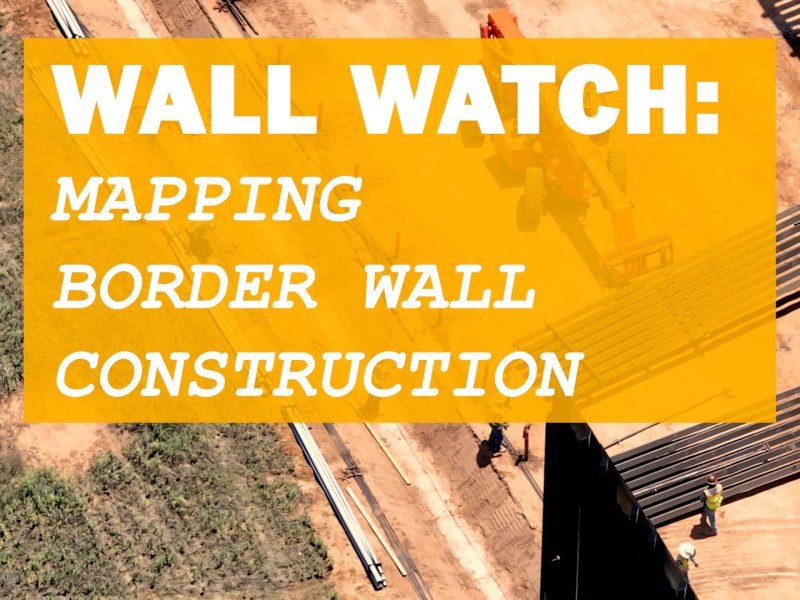
What’s bigger than the Hoover Dam or the Panama Canal? The Trump Administration’s spending of more than $46 billion in taxpayer money on border walls, and buoy barriers across the 1,954-mile border. The government mega-project is being carried out with little government oversight, input from communities, and zero studies on environmental or wildlife impacts.
There’s also been no reliable government data, or a way to publicly track the border wall construction, as it unfolds. This is why The Border Chronicle created the community-powered mapping project, Wall Watch, to track current awarded border wall contracts, surveillance technology and other border infrastructure.
Border Chronicle cofounder Melissa del Bosque and Geographer Dugan Meyer, who built the database for the interactive map, describe what you can find on Wall
Watch from existing border wall to community reports on wall construction,
surveying, environmental impacts and buoy barrier installation. It’s easy for
border residents to submit a community report, and it helps build an accurate picture of construction as it is happening across the U.S.-Mexico border region.
Del Bosque and Meyer also discuss the challenges of building Wall Watch, and finding reliable government data for the map, how Wall Watch will help border residents understand the massive mega-construction project as it impacts their communities, and how residents can help build a more accurate map by submitting reports on what they’re seeing on the ground. They also highlight the kind of data you can find on Wall Watch, and how it’s available for anyone to download.
In the podcast, del Bosque and Meyer also talk about the administration’s plan to build a “wall system” that includes two walls with enforcement zones, patrol roads, surveillance towers and stadium lights along the entire southern border. “When this administration is done, the southern border will look more like a federal prison with double walls draped in concertina wire,” said del Bosque. “You only have to look at San Diego where the wall system is already in place, and where they used the enforcement zone between the two walls as an open-air detention site in 2023, to see what the plan is for the rest of the border.”
Support independent journalism at the U.S.-Mexico border. Become a paid subscriber today for just $6 a month or $59 a year.
Authors


Related Articles
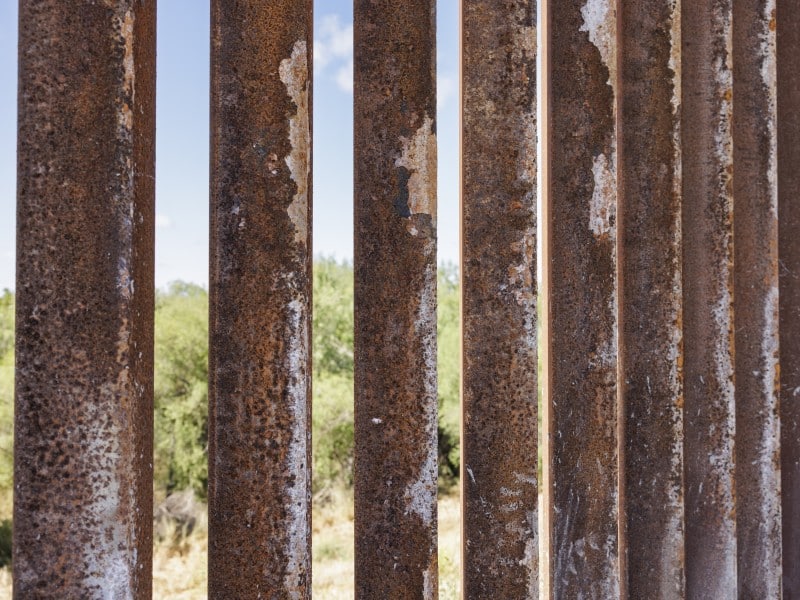
American Rust: The $1.1 Billion Border Wall Built with Salvaged Materials and Few Answers
A newly constructed wall built with old, salvaged material in South Texas is probably illegal; it’s also costing twice as much as previous walls. What are taxpayers paying for, exactly?
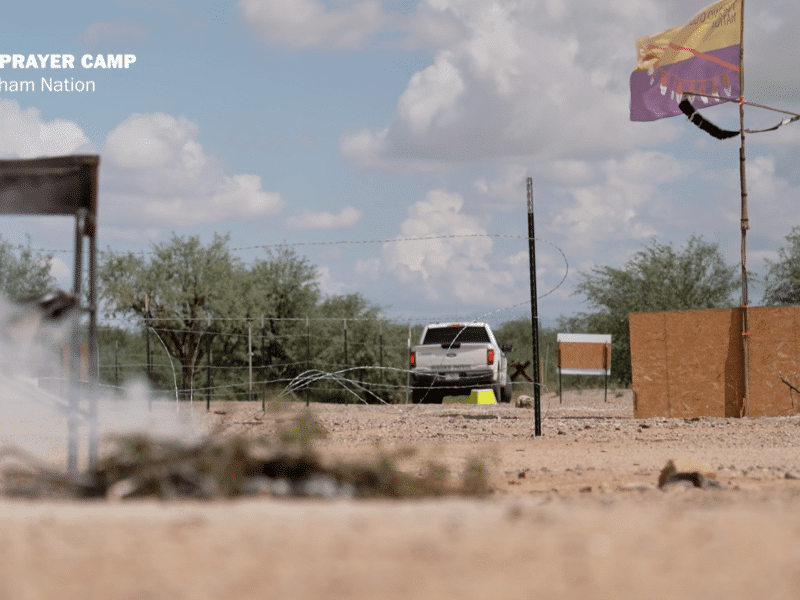
“We See No Border”: The Tohono O’odham Fight Against the Border Wall
The irreparable harm that has already been done, says tribal chairman Verlon Jose, you can feel it, hear it, in the people.

Swarm Intelligence: A Reporter’s Notebook on the Freedom of Movement in the Maasai Borderlands
Could solutions to climate woes such as drought be found in the freedom of mobility? This on-the-ground report from the Kenya-Tanzania border examines that question and more.
