
American Rust: The $1.1 Billion Border Wall Built with Salvaged Materials and Few Answers
A newly constructed wall built with old, salvaged material in South Texas is probably illegal; it’s also costing twice as much as previous walls. What are taxpayers paying for, exactly?
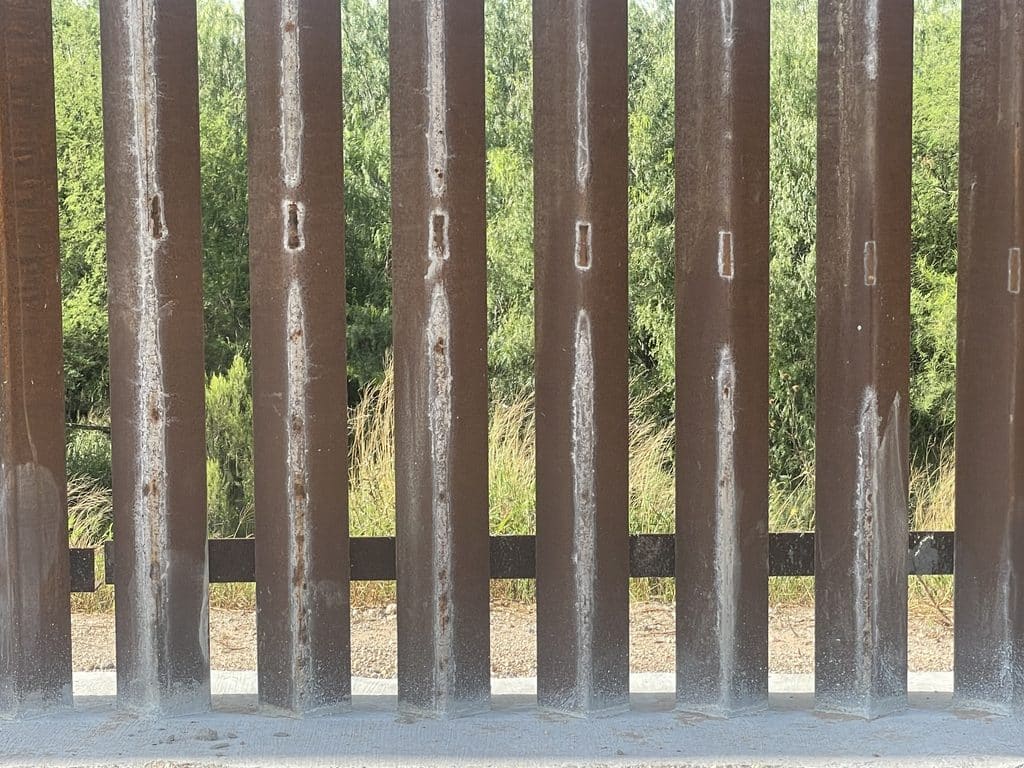
In March, Tucson, Arizona–based Spencer Construction LLC received a $1.1 billion contract from the Department of Homeland Security to build 34 miles of border wall in the counties of Hidalgo and Starr in the Rio Grande Valley in South Texas. The contract amounts to more than $32 million a mile, twice the cost of wall construction during Trump’s first term, when the price tag was $16 million a mile.
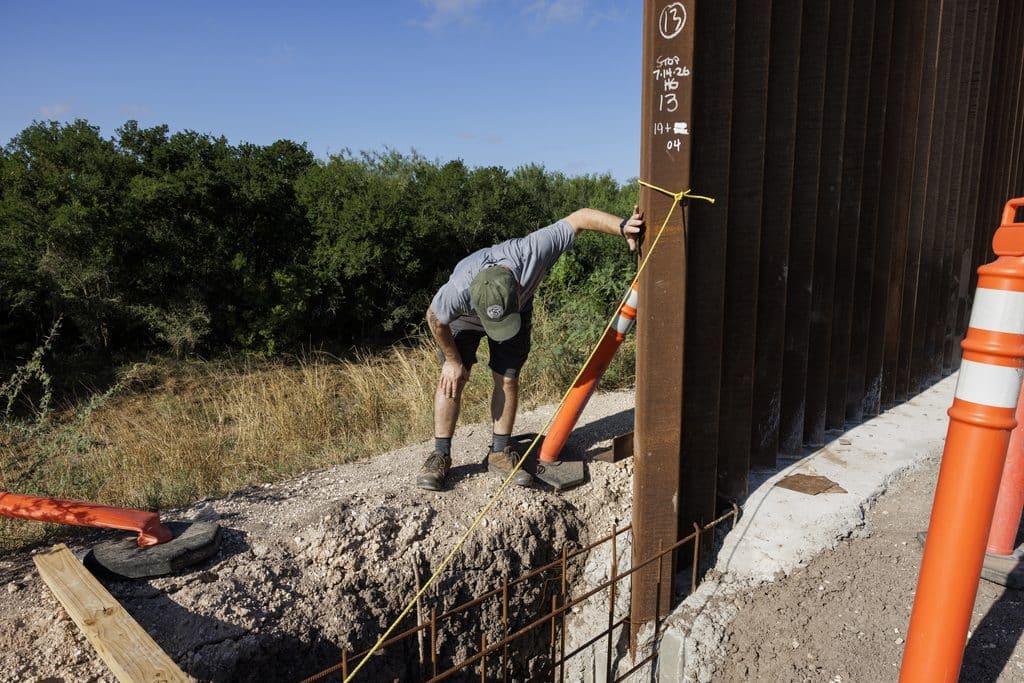
Even though the cost has doubled, Spencer Construction is building the wall using old steel bollards—bars filled with concrete and rebar—that have sat in various staging areas near the border for several years. Many of the bollards, it appears, have been sanded to remove rust, and in some places, the caps on the newly constructed 30-foot wall have already fallen off.
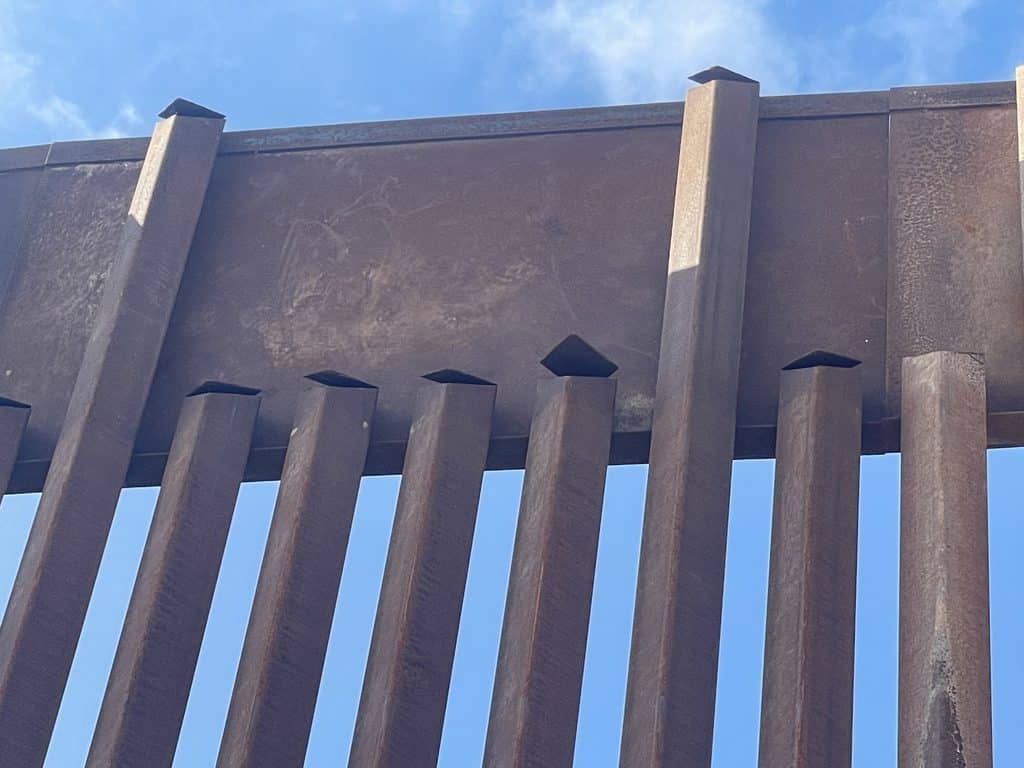
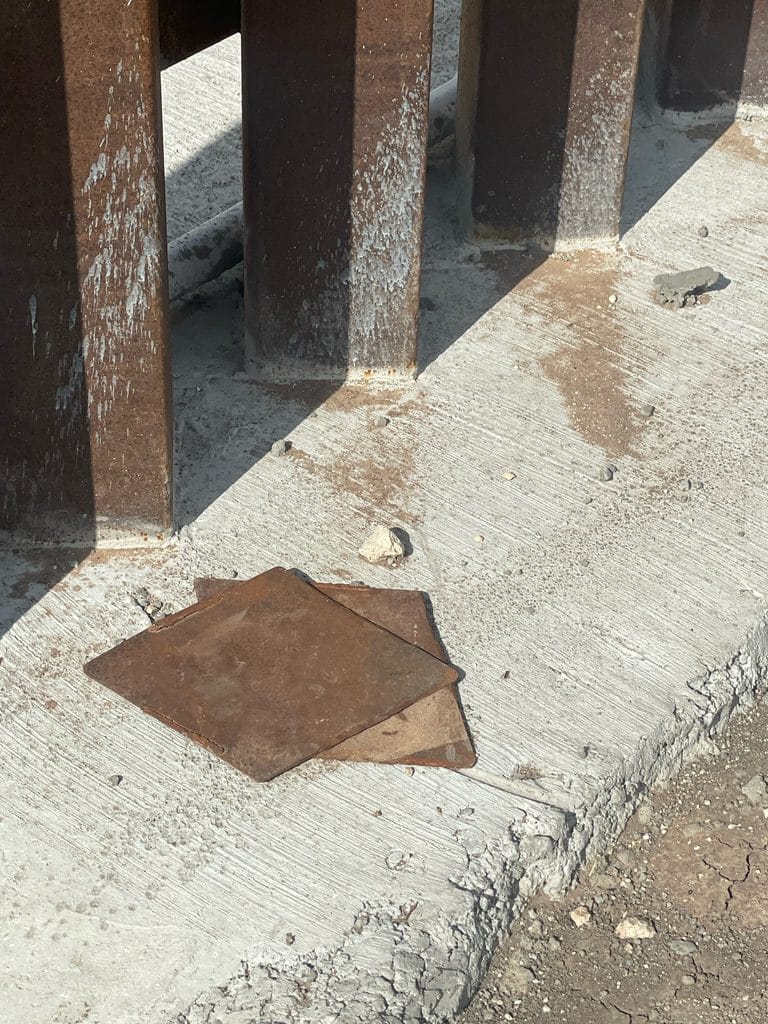
It’s unclear whether Spencer billed for new steel bollards in its contract with the government or how it arrived at the price of $32 million per mile. In August, The Border Chronicle submitted a Freedom of Information Act request for the contract, but Customs and Border Protection has yet to respond with documents. The federal agency and Spencer Construction did not reply to questions via telephone or email about the contract, which is not publicly available. The Border Chronicle also requested comment from Royal Concrete LLC, which did not respond.
Not only is the wall expensive but it also targets the Rio Grande Valley’s most treasured wildlife and heritage sites, including the Santa Ana Wildlife Refuge, the historic La Lomita Chapel, the National Butterfly Center, Bentsen State Park, and the Salineño Wildlife Preserve in Starr County, among other sites. South Texas residents have battled for years to protect these places, and over the last decade, congressional leaders from the border, including Representative Henry Cuellar, a Democrat from Laredo, added exemptions to federal appropriation bills to prevent federal funds from being spent on border wall construction in these sensitive areas.
A Lack of Accountability at Every Turn
All this changed in 2025, however. President Trump and Republicans circumvented the normal congressional appropriations process to pass the “Big Beautiful Bill,” designating at least $46.5 billion for wall construction and bypassing the long-standing amendments in previous appropriation bills that protected Santa Ana and other sites in South Texas. Additionally, former DHS Secretary Kristi Noem used authority provided by the REAL ID Act to waive dozens of federal contracting oversight rules for border wall construction. Six preapproved private contractors, including Spencer, were chosen for the border wall contracts—exempting them from a public bidding process and the requirement to make details about their scope of work publicly available.
For the 34 miles of wall, DHS also waived at least 31 federal laws, including the Clean Water Act and the Endangered Species Act, which would have provided additional oversight and input from local residents.
The speed at which contractors have moved and the lack of communication about their work have left many border residents stunned. At least 93 percent of wall construction funding over the last decade was disbursed in 2025 and 2026, according to The Washington Post, and 52 contracts were issued in 2025 alone—a fivefold increase from previous years. Thanks to the rapid pace and lack of transparency, protests and lawsuits have multiplied across the southern border, including against the $1.1 billion Spencer Construction contract in South Texas.
In July, the Hidalgo County Irrigation District No. 2 filed suit in state district court against Spencer Construction and another contractor, Royal Concrete, for trespassing on the district’s private property and filling its irrigation canal with excavation dirt. Not only does the district provide water for agriculture but it is the sole source of drinking water for the cities of Pharr, San Juan, and Alamo. In the lawsuit, the irrigation district claims contractors continued working even after being told they were trespassing on private land.
After filing suit, the irrigation district received a temporary restraining order against Spencer Construction. The suit was moved to federal district court in McAllen, where a judge granted another restraining order halting wall construction through mid-October.
The federal government, in a motion to dismiss the suit, argued that state trespass laws cannot stop DHS from building the border wall, even on land it doesn’t own.
Scott Nicol, a teacher and artist, has documented border wall construction in the Rio Grande Valley for decades. Using The Border Chronicle’s new community-powered border wall mapping tool, Nicol reported in July that old bollards were being used on new construction sites in the valley.
On Labor Day weekend, Nicol and I drove southeast of McAllen to visit the area surrounding the Santa Ana Wildlife Refuge and survey the stalled construction site. With his phone, he photographed sections of misaligned bollard panels caked in rust. In some areas of the wall standing atop the levee near Santa Ana, he pointed out swirl marks etched into the steel on several sections where it appeared that construction crews used metal grinders to remove rust.
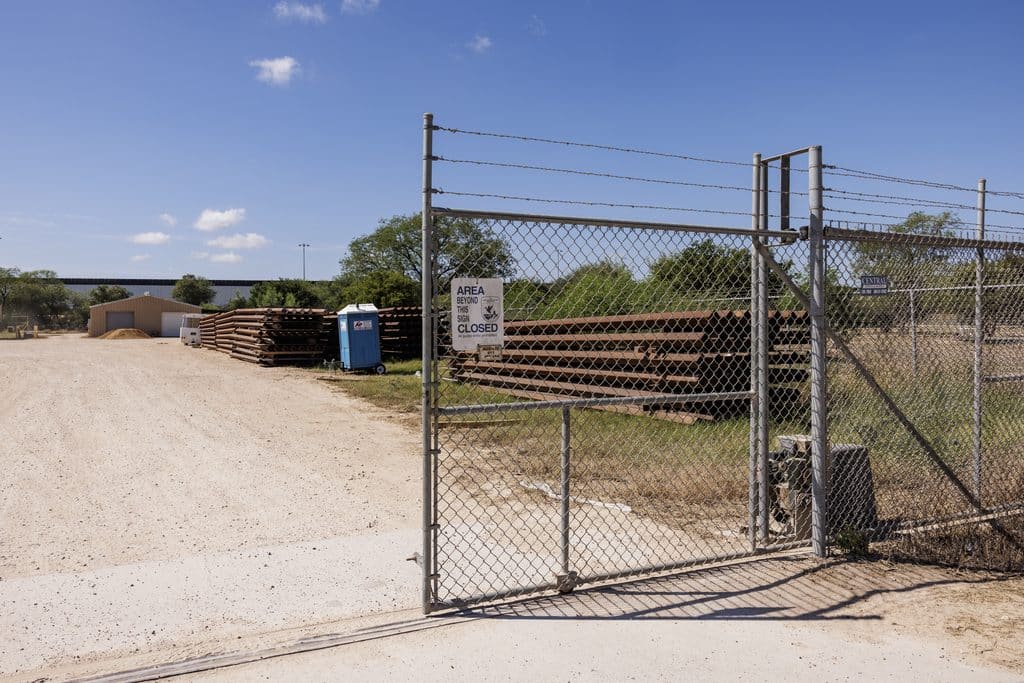
At the west end of Santa Ana on property managed by the U.S. Fish and Wildlife Service, equipment bearing the name “Spencer Construction” and horizontal stacks of bollard panels sit undisturbed in what appears to be a temporary staging area for the wall construction on the levee. Several of the staged panels have manufacturing dates from 2020 etched onto them.
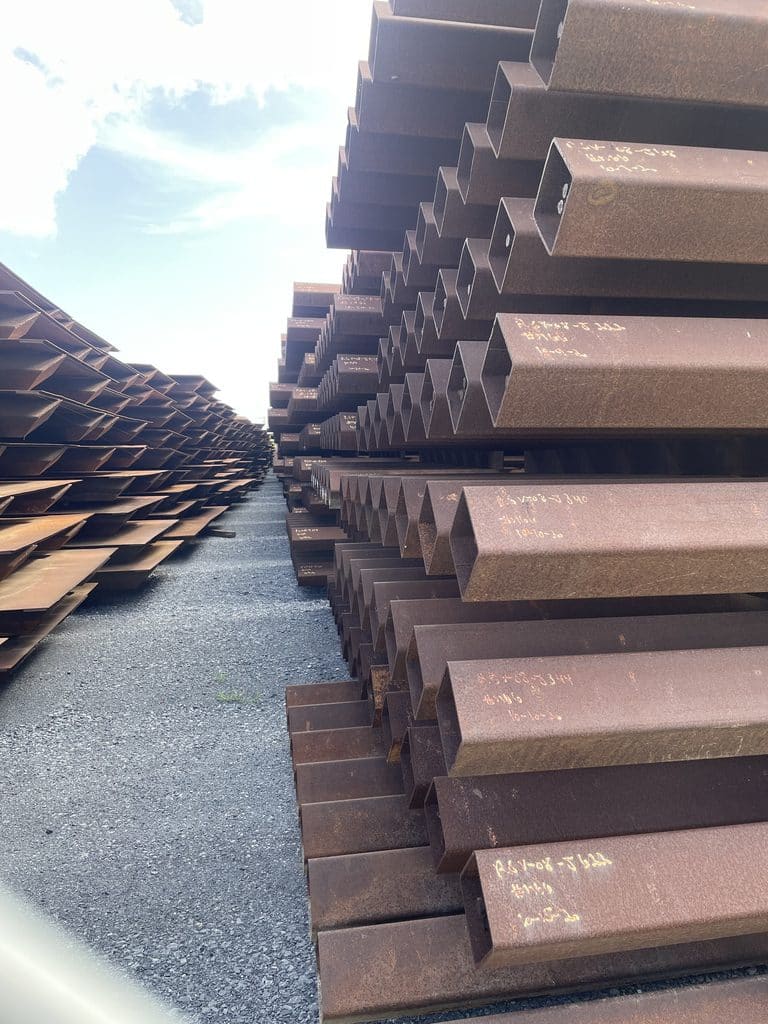
These older bollards were paid for with appropriation funds that Congress expressly exempted from border wall construction at the Santa Ana Wildlife Refuge. In an interview with The Border Chronicle, Cuellar said that Spencer and other contractors using the old bollards could be violating federal law. “If they are using any appropriated dollars, then they have to stop [putting] those bollards in,” he said.
Cuellar said he’s working to add language in the 2027 Homeland Security appropriations bill that would once again protect Santa Ana and other areas in the Rio Grande Valley from wall construction, but the passage of that bill is several months off, and it will most likely be too late for the Santa Ana Wildlife Refuge by then.
Cuellar also noted that the lawsuit between the Hidalgo irrigation district and Spencer Construction illustrates that CBP should pursue land condemnation rather than allowing contractors to build the border wall anywhere CBP wants. “Those private contractors have to respect the law,” Cuellar said. “They should respect private property, and if they haven’t got a condemnation by the federal government, then they’re not supposed to be building or trying to build fence in land that has not been condemned.”
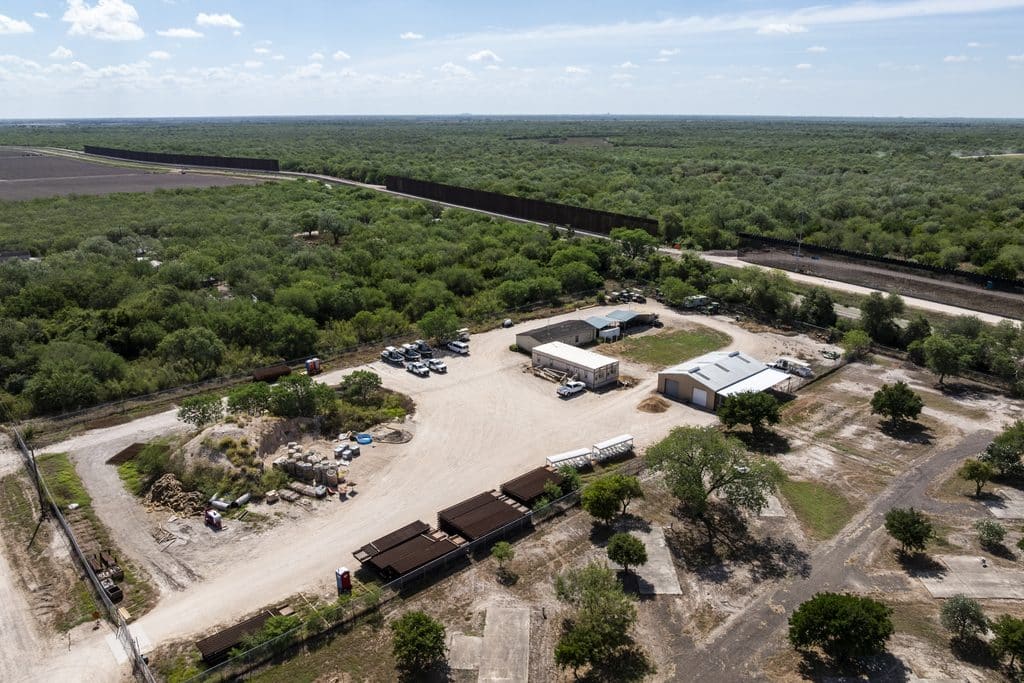
Over the years, Nicol has seen the bulldozers move in to clear native brush and greenery throughout the region and replace it with several tons of steel and concrete. He recalled a time when border barriers didn’t exist anywhere in South Texas.
“When the Secure Fence Act was still being discussed, I was volunteering with the Sierra Club back then, and we were looking around asking, ‘Where are they going to build these walls?’” Nicol said. “Then we’re looking at all these U.S. Fish and Wildlife refuge tracts up and down the river thinking, ‘Oh, this is where they’re going to build walls.’”
Nicol recalled a meeting with other advocates against the initial border wall construction plans that came out of the Secure Fence Act of 2006, which coincided with his son’s first birthday 20 years ago.
“There were already some border walls in California and El Paso, but for the valley stuff, I watched all of it go up. It is depressing to think of how many people don’t remember that,” Nicol said. “People that are in their teens and 20s, like my son, are not going to have any memory of the Rio Grande being accessible and walls not towering over their neighborhoods.”
Author

Related Articles
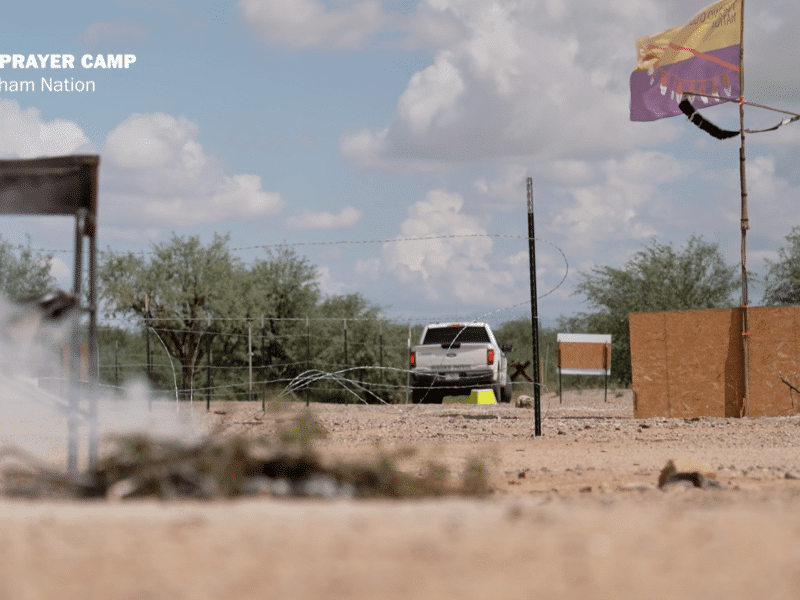
“We See No Border”: The Tohono O’odham Fight Against the Border Wall
The irreparable harm that has already been done, says tribal chairman Verlon Jose, you can feel it, hear it, in the people.
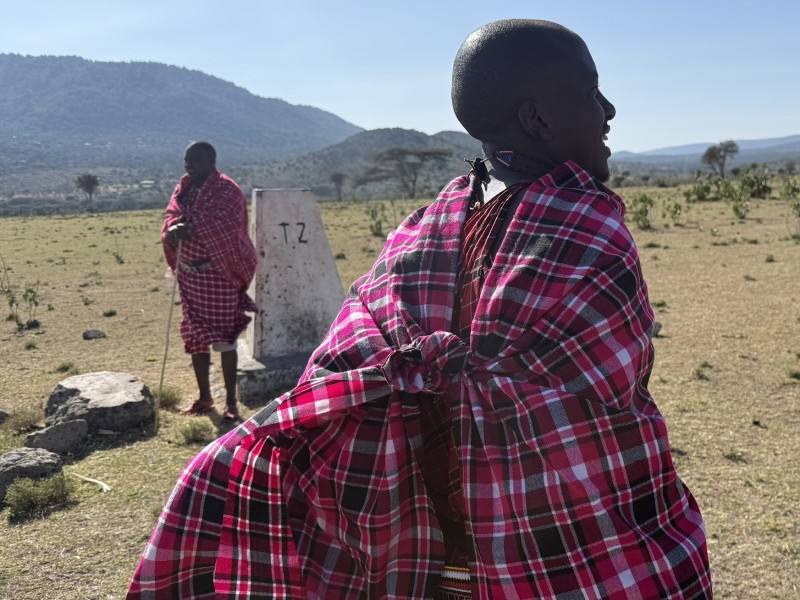
Swarm Intelligence: A Reporter’s Notebook on the Freedom of Movement in the Maasai Borderlands
Could solutions to climate woes such as drought be found in the freedom of mobility? This on-the-ground report from the Kenya-Tanzania border examines that question and more.
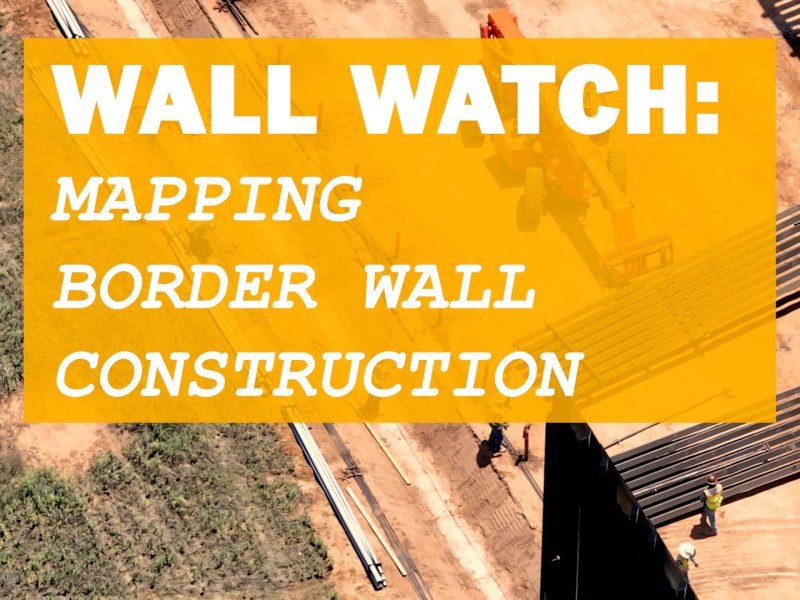
Wall Watch: Mapping Trump’s $46 Billion Border Mega-Project
In this week’s podcast, Melissa del Bosque and Geographer Dugan Meyer explain how the Border Chronicle’s new project, Wall Watch, helps residents document and understand the massive construction project underway at the U.S.-Mexico border.

Comments (0)
There are no comments on this article.