Border Patrol Nation?
For decades, the Border Patrol has operated with extraconstitutional powers along the U.S.-Mexico divide. Now it’s leading the charge in U.S. cities across the country.
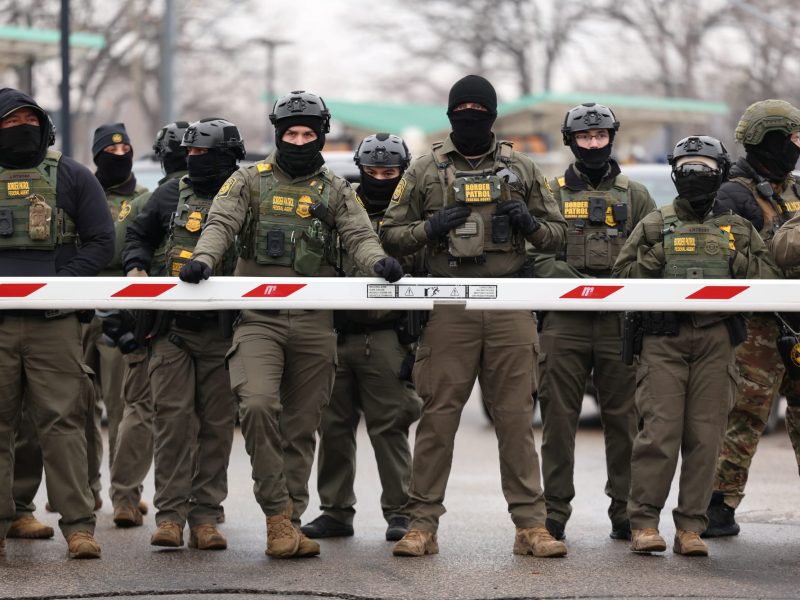
When U.S. Border Patrol agents shot and killed Alex Pretti in Minneapolis, they were 300 miles from the U.S.-Canada border. That’s well outside the “border zone”—an area extending 100 miles inland from the border, which the U.S. established in the late 1940s as defining a “reasonable distance” for patrol purposes. In December, the Border Patrol’s Operation Metro Surge deployed 3,000 federal agents, 1,000 of them from U.S. Customs and Border Protection and about 2,000 from Immigration and Customs Enforcement. This joint task force, led by Border Patrol commander Greg Bovino, extended the U.S. border—and the extraconstitutional powers of its enforcers—into the country’s interior.
As a CBP official told me in 2018, “We are exempted from the Fourth Amendment,” which protects against unwarranted searches and seizures. Now the borderland zone of exception, which has developed for decades, has vividly expanded. The whole country has become the border.
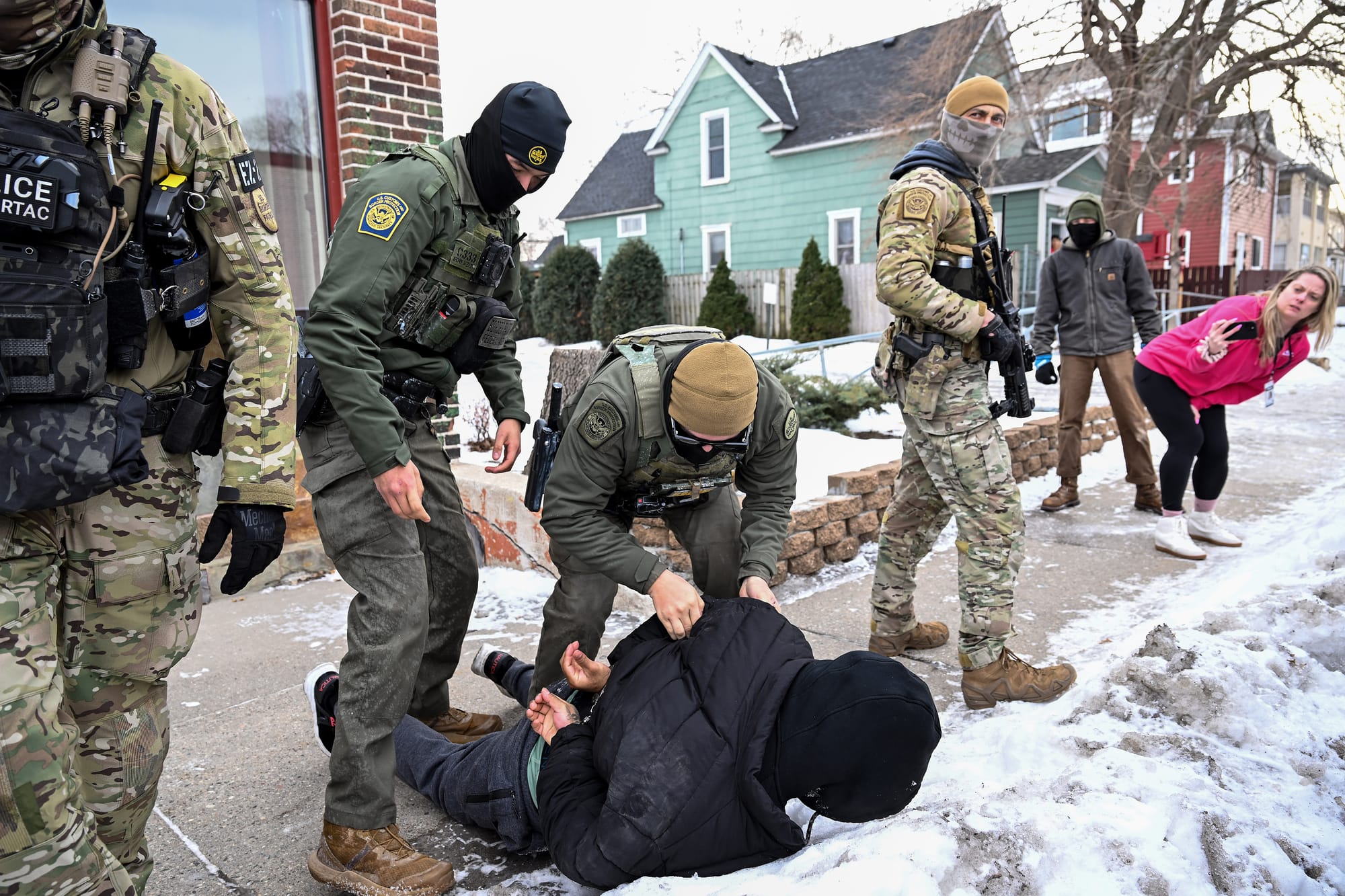
As historian Greg Grandin writes, the Border Patrol has been a “cult of brutality” since 1924, when it was created. The Border Patrol “has operated with near-complete impunity, arguably serving as the most politicized and abusive branch of federal law enforcement.” Over the years, the Border Patrol’s activities have included mass roundups and deportation operations in the 1930s and 1950s, but it began to gain significant power during the Operation Gatekeeper era of the 1990s. Then, after 9/11, it was supercharged with the creation of the Department of Homeland Security. Counterterrorism became its priority mission, and its budgets increased accordingly. In calling both Pretti and Renée Good “domestic terrorists,” the Trump administration’s rhetoric aligned with the DHS’s long-term mission. The word choice feels intentional.
When I was writing Border Patrol Nation, a book published in 2014, many were concerned about the growing powers of the post-9/11 Border Patrol. Joanne Macri, for example, who was the director of the Criminal Immigration Project of the New York State Defenders Association, called the Border Patrol “an agency that doesn’t have limitations” and described them as becoming the “national security police.” I interviewed Macri at the height of the “transportation raids”—as DHS termed them—when the Border Patrol boarded Amtrak trains and Greyhound buses in New York, arresting 2,776 people from 2005 to 2009, classifying them by their skin color. As with ICE’s “wartime recruitment plan,” the Border Patrol offered agents various incentives—including Home Depot gift certificates, cash bonuses, and vacation time—to apprehend more people.
There have been many clues over the years that foreshadowed what is happening now in Minnesota and other cities. From 1994 to 2012, the Border Patrol grew from 4,000 to 21,000 agents, with yearly budget increases, each bringing more capabilities and allowing the agency to expand to more locations, regardless of the president’s politics. For decades, CBP has been deployed at large events like the Super Bowl—no matter where it is—and at presidential inaugurations (Washington, DC, is in the 100-mile zone). In 2014, constitutional lawyer John Whitehead called DHS “America’s standing army,” noting that it possessed about 260 million rounds of ammo, or about 1,400 rounds per agent. In his essay, Whitehead also mentioned license plate readers, detention camps, cell phone tracking, military drills in U.S. cities, checkpoints, spy networks, searches, surveillance cameras, drones, and spybots. These observations, at the time, barely made a blip on the national media’s radar.
Meanwhile, the U.S. government maintained the borderlands, both south and north, as a zone of exclusion, which it used to test out policies, practices, and strategies—including the use of force and other forms of suppression like walls and surveillance systems. These zones of exclusion have served as proving grounds for tactics and technology that can be extended to the rest of the country.
This is what we’re seeing today.
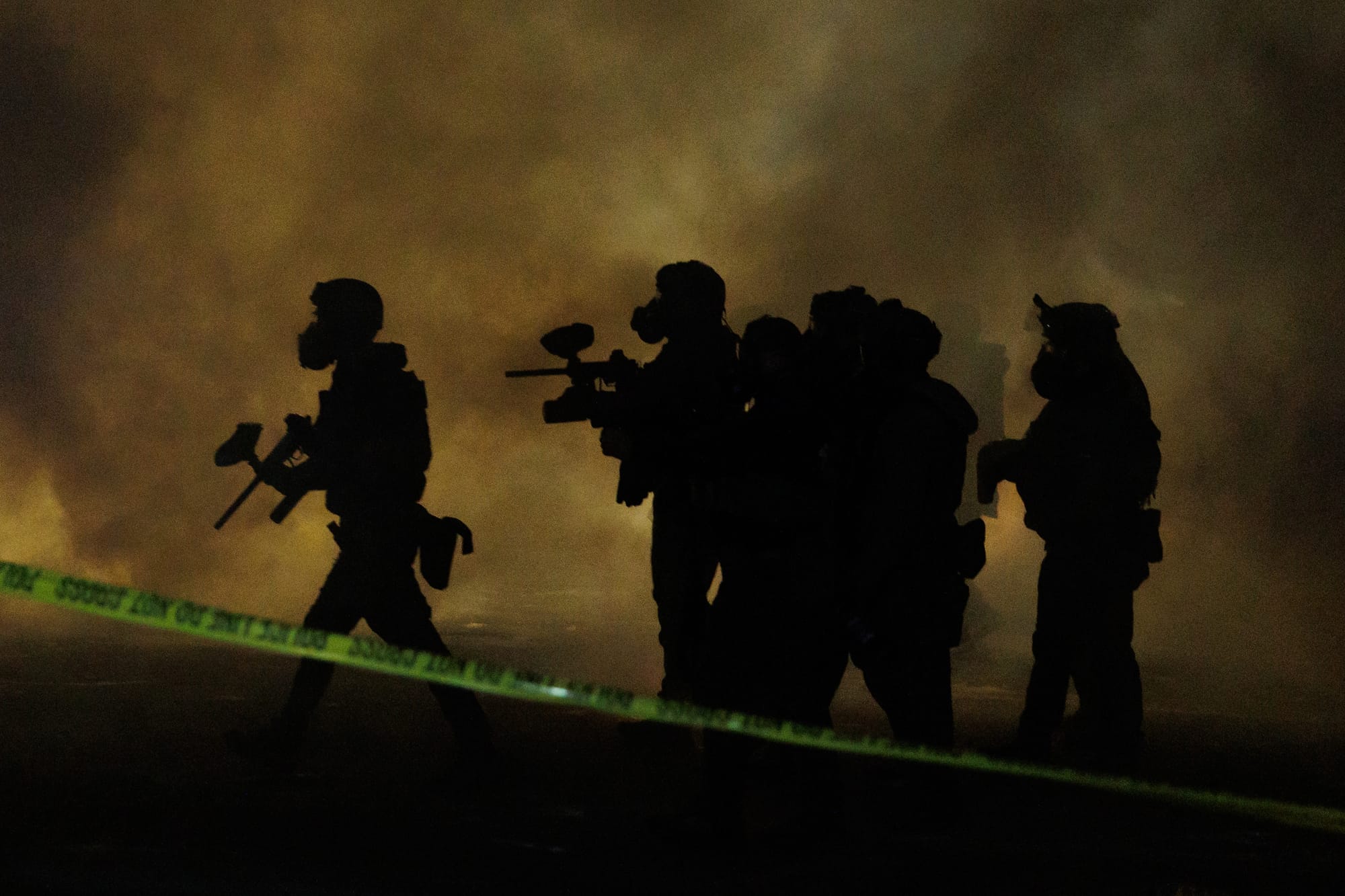
The Border Patrol has rappelled from Black Hawk helicopters into an apartment building in Chicago, pulling people from their beds regardless of their citizenship, and sent Predator dronesover anti-ICE protests. They bring what the humanitarian aid organization No More Deaths calls a “culture of cruelty” to the rest of the country, combining the agency’s inherent violence and its entrenched impunity. NMD’s Culture of Cruelty report documents 30,000 incidents of abuse before 2011. Another report, by the ACLU, shows the rampant abuse of children in Border Patrol custody, including verbal and physical abuse, as well as the denial of medical assistance.
And then there’s the killing.
On May 23, 2023, Ray Mattia stepped out of his house on the Tohono O’odham Nation in southern Arizona, which borders Mexico. Confronted by Border Patrol, he was ordered to raise his hands and toss a sheathed machete to the ground. After he complied, agents fired dozens of rounds, killing him. This is one example of the 364 deadly encounters that people have had with Border Patrol since 2010. These have involved not only guns but Tasers and asphyxiation. On top of this, at least 10,000 people have died crossing the U.S.-Mexico border since the 1990s, a number that could be three to eight times higher.
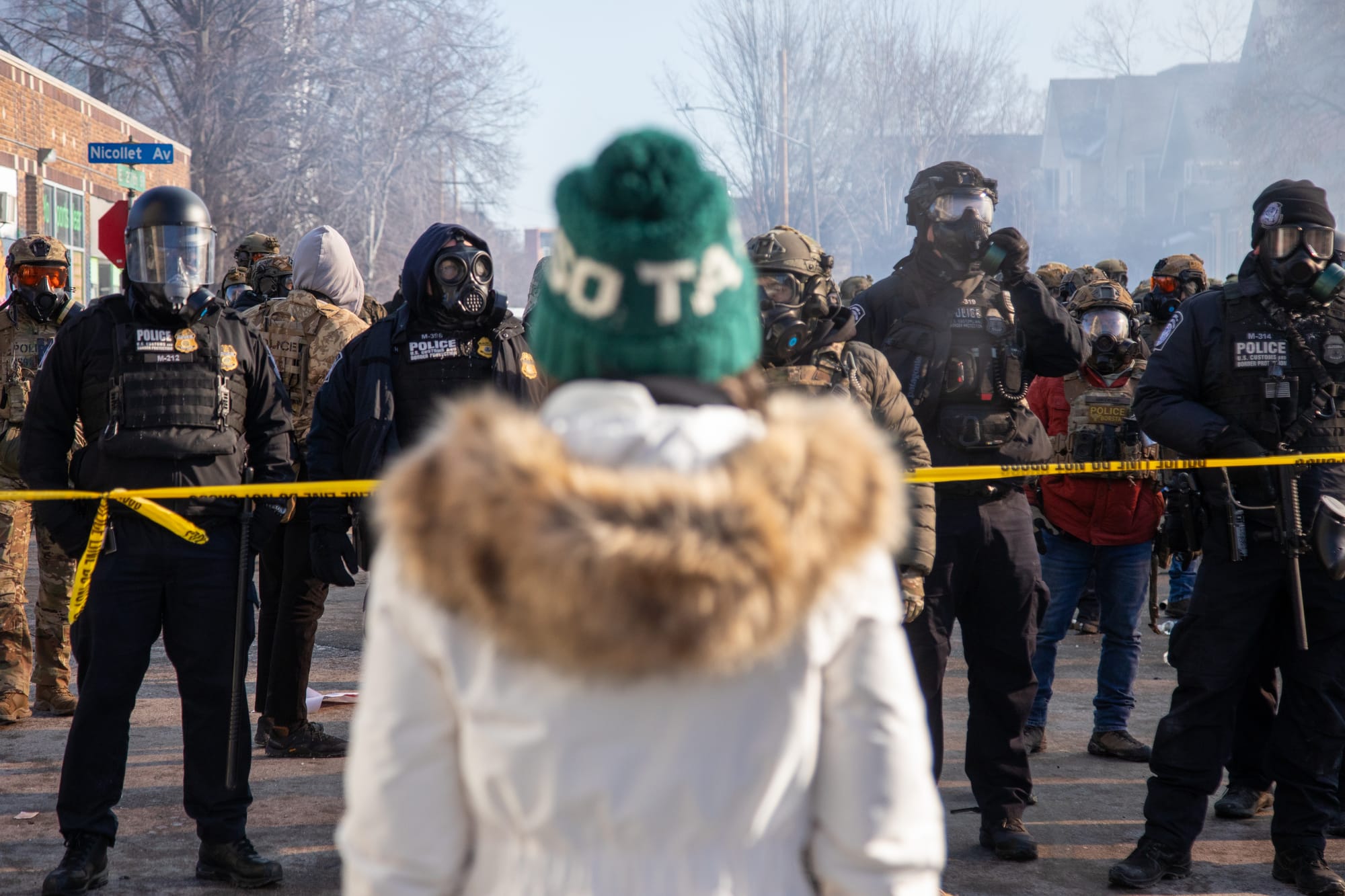
This is the context in which we must understand the killing of Pretti and Good, both of whom are included in the 364 number. This is what the Border Patrol has done for decades. If this is unacceptable in Minneapolis and Chicago, it is surely so in Laredo, Douglas, and San Ysidro. Perhaps, then, this moment of outrage and open resistance will tear away the shroud of impunity. There are already signs of change. On Tuesday, Bovino was demoted back to chief of El Centro, California, the most violent Border Patrol sector in the country. But in comes “border czar” Tom Homan, who is not famous for his human sympathies. In the Trump era, has the U.S. become the Border Patrol nation that Macri and Whitehead feared over a decade ago? Have we entered a new era of border policing, in which the whole country has become a border? Or will this long-standing abusive and deadly apparatus finally be brought to justice?
Author

Related Articles
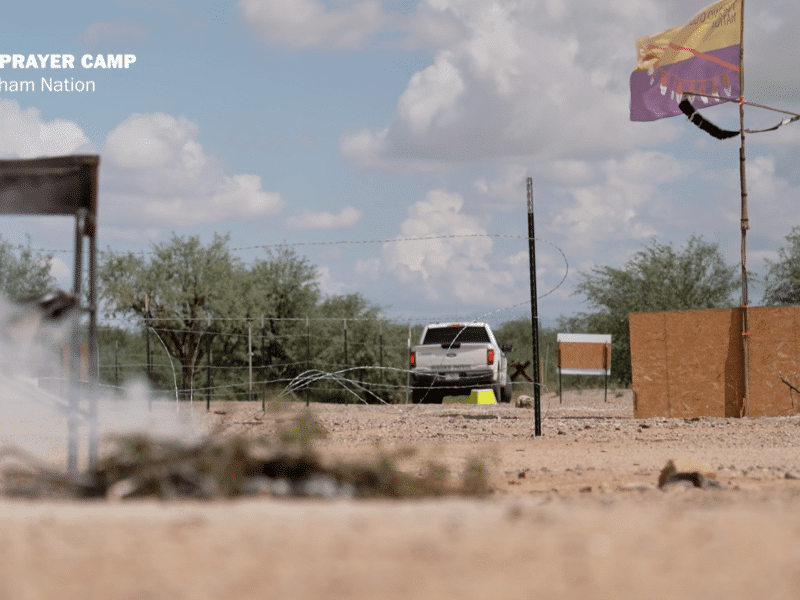
“We See No Border”: The Tohono O’odham Fight Against the Border Wall
The irreparable harm that has already been done, says tribal chairman Verlon Jose, you can feel it, hear it, in the people.
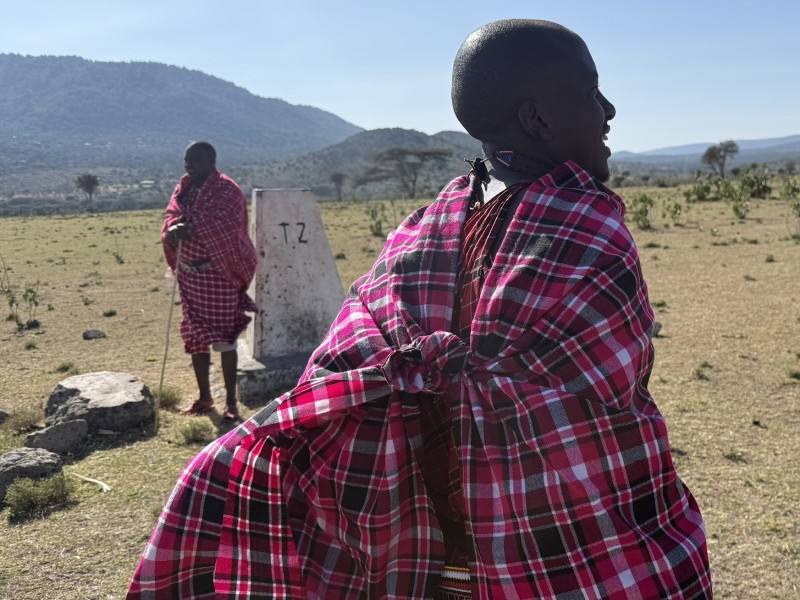
Swarm Intelligence: A Reporter’s Notebook on the Freedom of Movement in the Maasai Borderlands
Could solutions to climate woes such as drought be found in the freedom of mobility? This on-the-ground report from the Kenya-Tanzania border examines that question and more.
Wall Watch: Mapping Trump’s $46 Billion Border Mega-Project
In this week’s podcast, Melissa del Bosque and Geographer Dugan Meyer explain how the Border Chronicle’s new project, Wall Watch, helps residents document and understand the massive construction project underway at the U.S.-Mexico border.