Do you have questions about the recent buoy debacle on the Rio Grande? Our reporting has you covered, plus an important new hire at The Border Chronicle, and our new project Wall Watch.
As floodwaters swept hundreds of one-ton border buoys downstream, international bridges closed, commerce slowed, and officials struggled to get answers from DHS about a project advancing despite local opposition, environmental concerns, and treaty questions.
Hundreds of massive orange buoys staged for a controversial DHS floating barrier project broke free near Eagle Pass and are now drifting toward Laredo, threatening bridges, commerce, drinking water supplies and downstream communities.
Climate Change Oppression: A Podcast with Amali Tower
“It’s not difficult to understand that a population that makes its livelihood off the land would find climate change oppressive, and would find climate change to be tantamount to persecution.”
Climate Change Oppression: A Podcast with Amali Tower
0:00
/12000
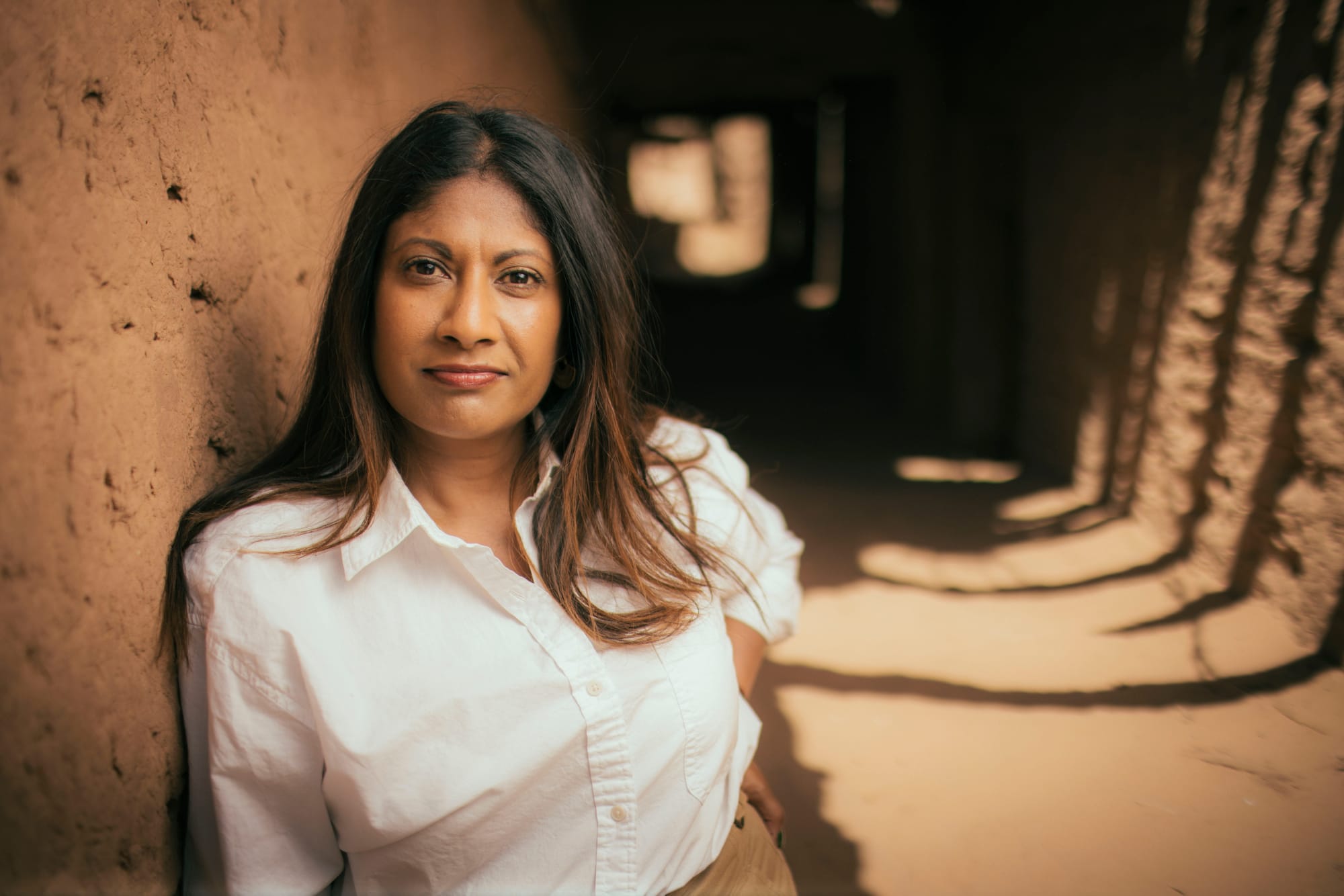
All signs indicate that 2023 will be the hottest year on record, yet again. If this sounds like something you’ve heard before, it is. Every year it seems like records are set, broken, and then broken again in cities, states, countries, and regions across the world. The heat, droughts, floods, and storms are putting pressure on people and their livelihoods, primarily in the Global South. As founder and executive director of the organization Climate Refugees, Amali Tower explains in this podcast, these climate disruptions are causing more and more displacement in the world, and each year the number of displaced people increases by the millions. Border Chronicle readers should recognize Amali’s name: this is not only her second podcast (please check out the first one here), she also wrote a piece for us one year ago titled “Finding a Solution to Climate Displacement: Time to Divert Border Enforcement Billions into Loss and Damage Finance”.
In this conversation, as we approach the annual United Nations Climate Change Conference in the United Arab Emirates (that begins on November 30), Amali offers a provocative reframing of climate change and its impact on people. Climate change, she says, is a form of oppression for the majority of the world. By placing climate as an equivalent to persecution (similar to political, economic, or racial persecution), she challenges prevalent Global North narratives and offers new ways to view, think about, and tackle climate and displacement in the world. She asks listeners to consider this following question when thinking about people on the move: “How has the situation risen to such an oppressive level that I have absolutely no recourse but to leave my home country?” And, finally, Amali insists that it is the people with these lived experiences who should be leading the important climate conversations. Listen to this podcast and you might not think about climate and migration in the same way again.
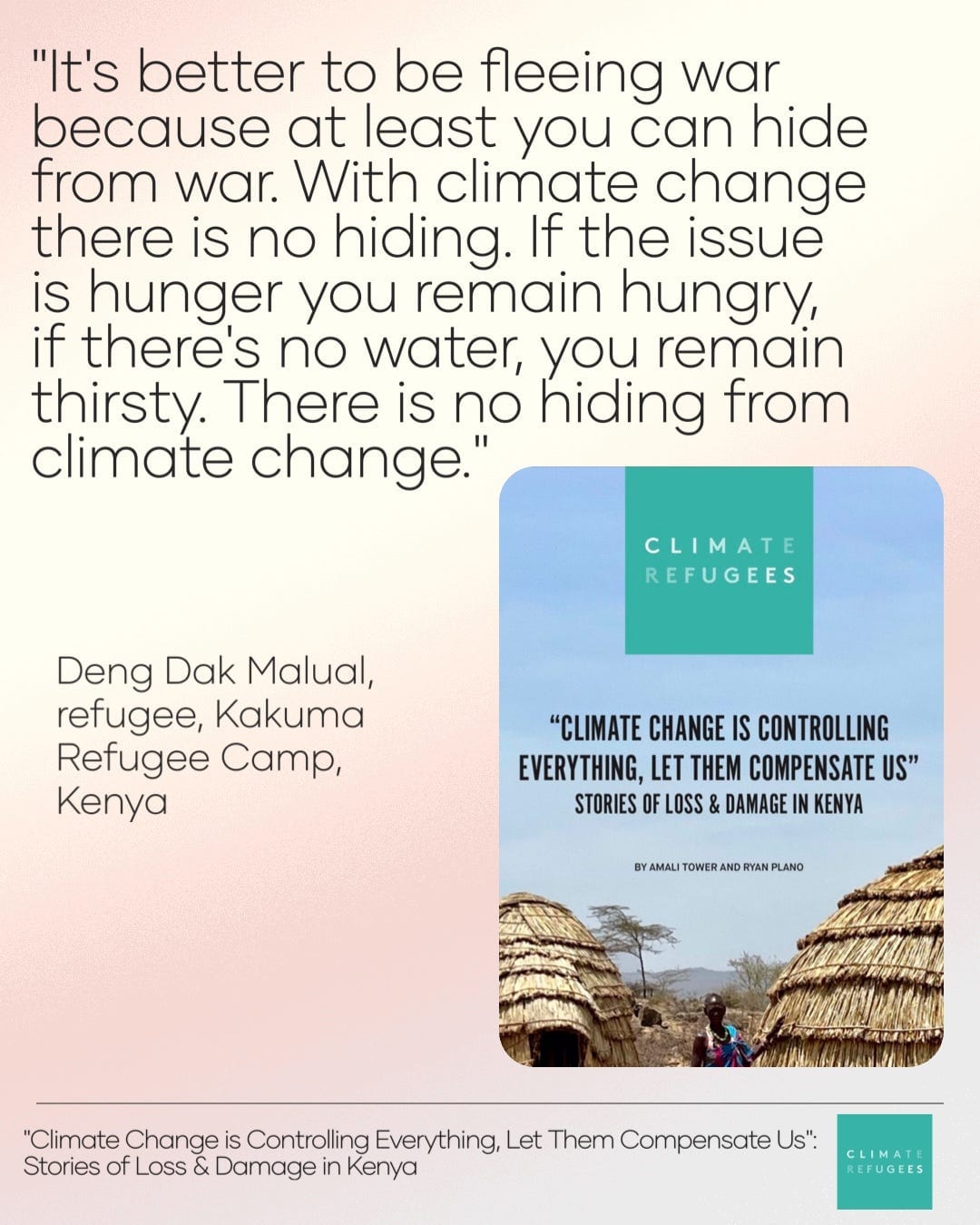
Please check out this report that Climate Refugees published in August.
The Border Chronicle relies on you to keep the lights on. Support local border journalism today by becoming a paid subscriber for just $6 a month or $60 a year.
As floodwaters swept hundreds of one-ton border buoys downstream, international bridges closed, commerce slowed, and officials struggled to get answers from DHS about a project advancing despite local opposition, environmental concerns, and treaty questions.
Hundreds of massive orange buoys staged for a controversial DHS floating barrier project broke free near Eagle Pass and are now drifting toward Laredo, threatening bridges, commerce, drinking water supplies and downstream communities.
In February, the country broke an ominous record: over 68,000 people were being held in detention by Immigration and Customs Enforcement, more than ever before.
As immigrant families face detention, shrinking legal protections and the threat of deportation, Camp Hope offers children a rare chance to play, heal and dream. One former camper is headed to an opera conservatory in Italy.