
Families Still Seeking Justice Nearly a Decade After Fatal Helicopter Shooting
If the Texas border was a war zone … then the men who died on Oct. 25, 2012, were the war’s first known casualties.
I’ll be continuing the next installment of my series “Barbarians and Butterflies” in the coming weeks. I’m still reporting and researching for the next post and excited to share with you what I find.
Today I’m writing about my new investigative feature published in The Intercept. It’s a story about a shooting that happened nearly a decade ago, and about the families of the men who died who are still trying to hold police accountable for the shooting.
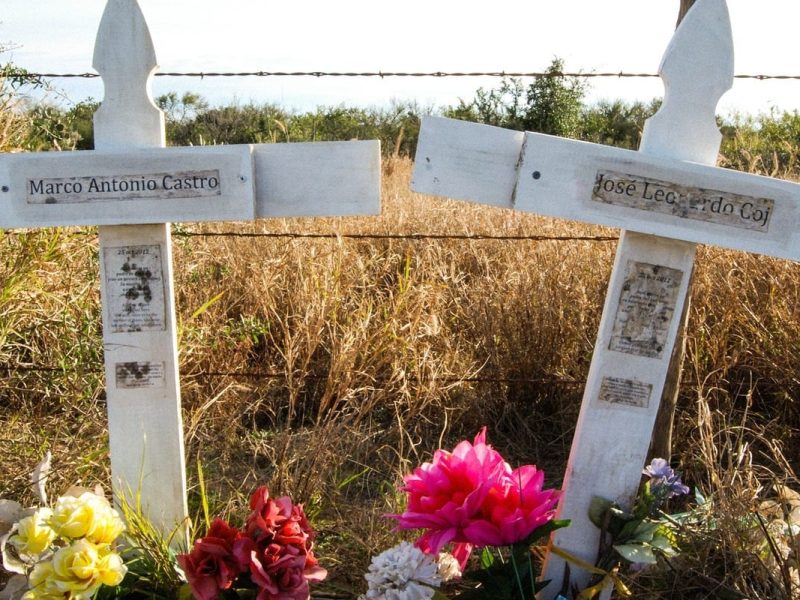
In two decades of writing about the U.S.-Mexico border, one of the most disturbing things I’ve ever reported on was the fatal shooting of Jose Leonardo Coj Cumar and Marcos Antonio Castro Estrada from a Texas state police helicopter in 2012. That a police marksman would be shooting from a helicopter at vehicles in pursuit without knowing who or what was inside the vehicle was deeply disturbing on several levels. Probably the most disturbing, however, was how little the shooting was remarked upon by then-Governor Rick Perry and other Republicans running the state.
That Texas would have police officers in military gear shooting from helicopters was the inevitable outcome of years of Perry and other Republican leaders portraying the borderlands as a war zone and migrants as “invaders.” It started with Perry’s “Operation Linebacker” in 2005, which funded border sheriffs with millions in federal criminal justice grant money. At the time, I worked as a press officer for Texas Senator Juan “Chuy” Hinojosa who still represents Hidalgo County where the helicopter shooting occurred. Perry’s decision in 2005 to pour millions of dollars into border enforcement without any clear policy or oversight, or consultation with border communities soon led to unconstitutional raids, and roadblocks. It was a glimpse of what was to come for the borderlands.
Since Operation Linebacker in 2005, there’s been an unceasing tide of military-grade weaponry, and “surges” of National Guard and DPS officers occupying Texas border cities. The surges have flashy military names like “Operation Wrangler,” “Operation Border Star” and now Governor Greg Abbott’s “Operation Lone Star,” which has DPS officers and National Guard soldiers detaining and arresting undocumented immigrants for criminal trespassing. The millions poured into border security in 2005, are now billions in 2021. The border militarization in Texas now seems like an insatiable beast which must be fed year after year with more money, more “boots on the ground.” But to what end? And where is the accountability?
As I wrote in 2015, when I published my first investigative feature about the helicopter shooting after a lengthy battle with DPS for police documents and video, “If the Texas border was a war zone … then the men who died on Oct. 25, 2012, were the war’s first known casualties.”
Author

Related Articles

Banishing the Elders: How Southern México Has Become Part of the U.S. Deportation Regime
The United States is deporting Cuban seniors by the hundreds to southern México where they have little hope of return.
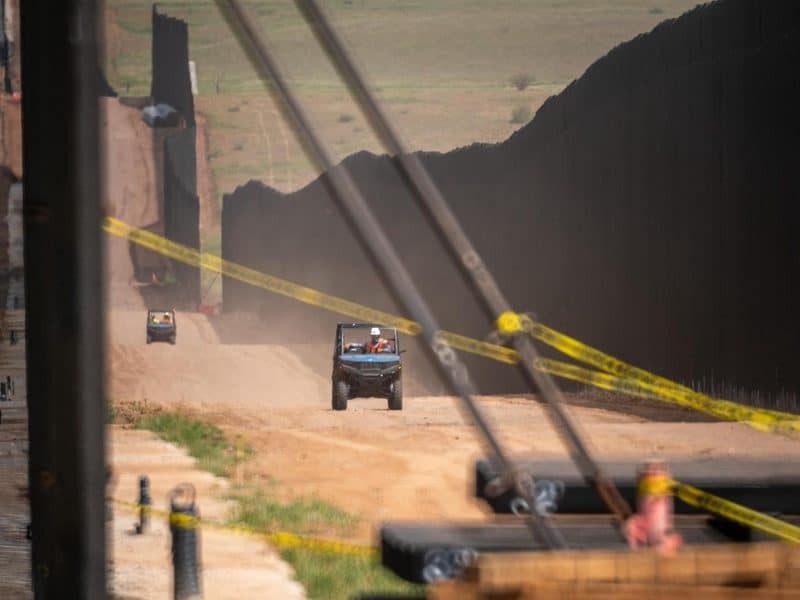
Introducing the Wall Watch Project and Contractor Database
Explore the companies, contracts, and construction projects reshaping the U.S.–Mexico border—and get ready for a new series of Wall Watch Dispatches.
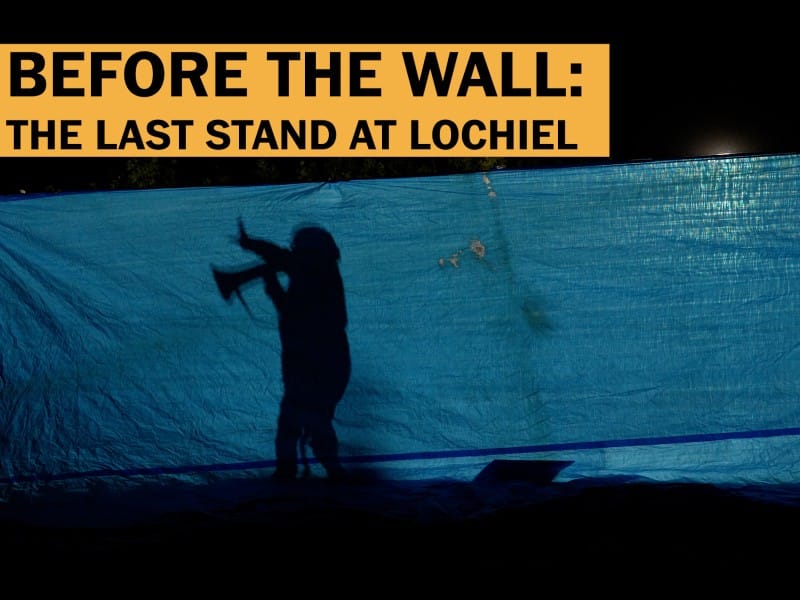
Before the Wall: The Last Stand at Lochiel
As a double border wall rises through Lochiel, protesters gather to defend the ancient cottonwoods and the San Rafael Valley.