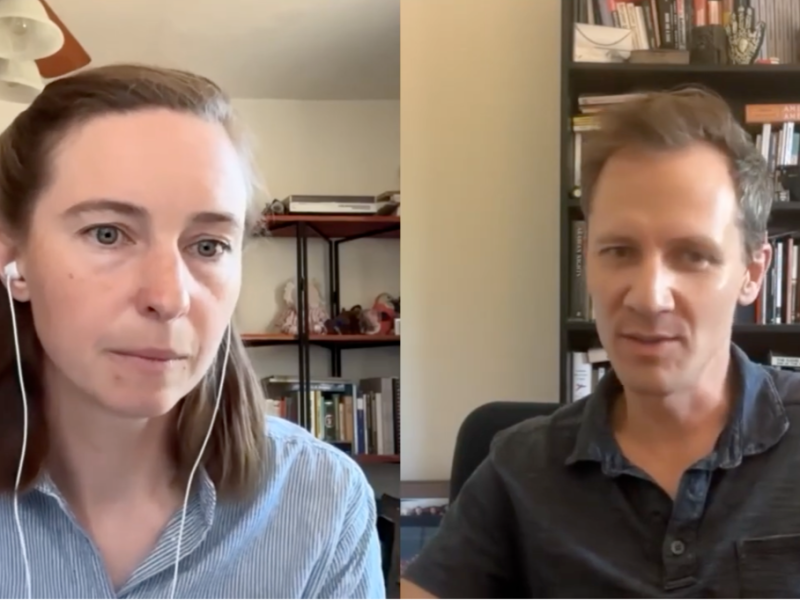
This Immigration Judge Loved His Job. But Then He Was Fired: A Podcast with Jeremiah Johnson
Morale is low among judges, says Johnson, as the Trump administration ignores due process and the immigration case backlog grows.

Jeremiah Johnson was an immigration judge in San Francisco. On November 21, he was fired by email without explanation. “I didn’t even have time to print out the letter before the system was shut down and I was locked out,” he said. The email arrived with the subject line “Termination.” Johnson is now one of more than 100 immigration judges who have been fired nationwide since Trump took office.
A former asylum officer for the Department of Homeland Security, Johnson was appointed as an immigration judge in 2017 under the first Trump administration. He is also the vice president of the National Association of Immigration Judges. Until his firing, Johnson had a full docket and handled cases from the Eloy Detention Center, located midway between Phoenix and Tucson and run by the private prison company CoreCivic.
Johnson discusses the differences in working as an immigration judge under the two Trump administrations and the fate of the immigration case backlog, which currently stands at 3.4 million cases as more judges are fired. Recently, the administration started advertising for “deportation judges” and has deployed military judges to hear immigration cases, which constitutional experts say could violate posse comitatus. Johnson also discusses how the system could be fixed, noting that remaining immigration judges are wondering who will be next to be fired. “It is disheartening to see your colleagues being fired. People are worried that they will be next,” Johnson said. “If no cause is given, there’s no way to address the reasons to fire someone. So morale is extremely low.”
Author

Related Articles
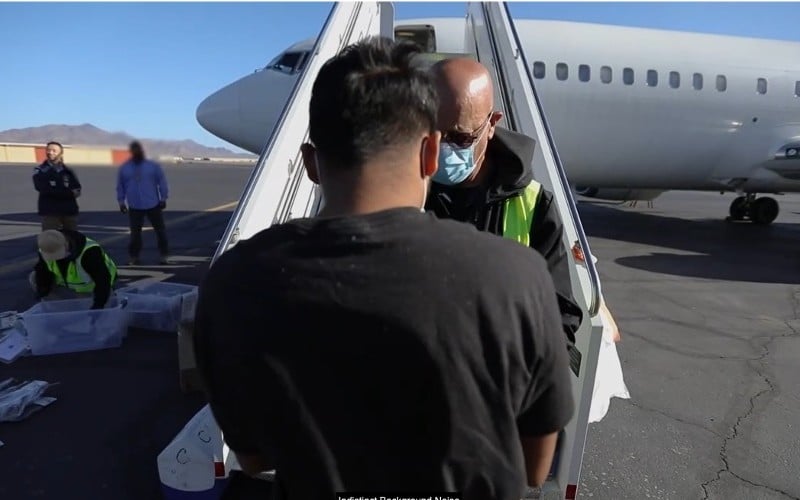
Beyond the Border Trap: A Review of Amelia Frank-Vitale’s “Leave If You Can”
Frank-Vitale says we must stop “seeing migration as the problem.” Instead, she insists, “the problem … lies in all the attempts to stop human mobility, to contain, detain, and deport people.”

Immigration Policy Is Maternal Health Policy
Research in Texas confirms what border communities already know: that harsh immigration policies harm maternal health. As border-style enforcement spreads across the United States, its consequences for mothers and infants will spread with it.
Why Local Pressure is Key to Impacting National Immigration Politics: A podcast with John Washington, author of “How to Close a Camp.”
In February, the country broke an ominous record: over 68,000 people were being held in detention by Immigration and Customs Enforcement, more than ever before.
