Do you have questions about the recent buoy debacle on the Rio Grande? Our reporting has you covered, plus an important new hire at The Border Chronicle, and our new project Wall Watch.
As floodwaters swept hundreds of one-ton border buoys downstream, international bridges closed, commerce slowed, and officials struggled to get answers from DHS about a project advancing despite local opposition, environmental concerns, and treaty questions.
Hundreds of massive orange buoys staged for a controversial DHS floating barrier project broke free near Eagle Pass and are now drifting toward Laredo, threatening bridges, commerce, drinking water supplies and downstream communities.
What to Make of the U.S. and Mexican Elections: A Podcast with Alexander Aviña
Take a ride on the electoral rollercoaster--and how it impacts the border and U.S.-Mexico relations--with one of the most insightful historians out there.
What to Make of the U.S. and Mexican Elections: A Podcast with Alexander Aviña
0:00
/12000
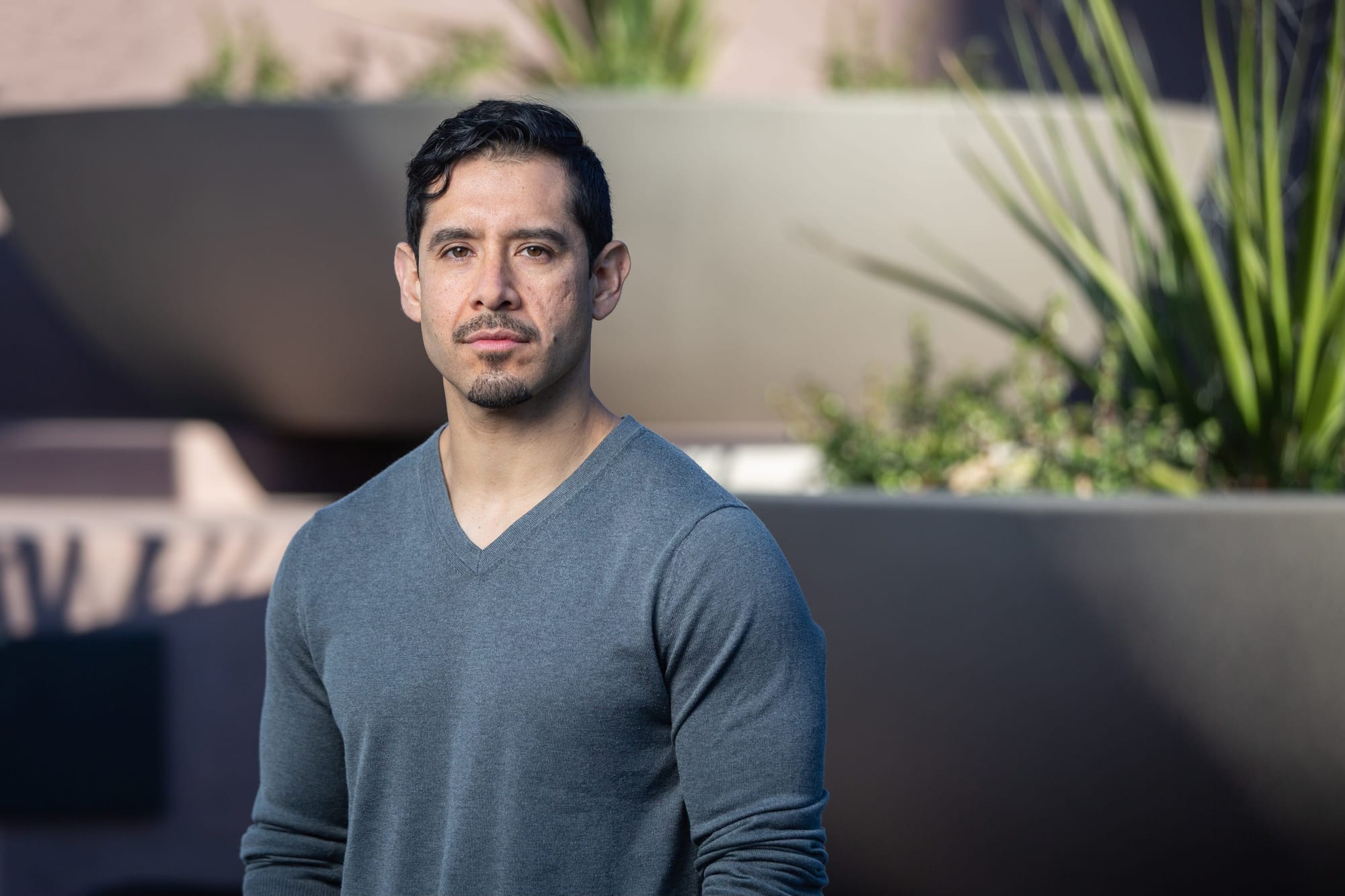
It’s been a while, Border Chronicle readers and listeners. Since we took our annual July break, the U.S. political landscape has shifted considerably. At least partly because of this, we will take a ride here with historian Alexander Aviña through the electoral landscape, not only the forthcoming U.S. elections post-Trump assassination attempt and Kamala Harris candidacy, but the historic election of Claudia Sheinbaum in June, Mexico’s first female president and a climate scientist to boot. Aviña is a professor at Arizona State University, where he specializes in Mexico’s social and political history. His current research focuses on the political economy of drug wars and state violence in Mexico in the 1960s and 1970s. And he has written a book titled Specters of Revolution: Peasant Guerrillas in the Cold War Mexican Countryside (Oxford University Press, 2014).
In the conversation, we hit on a lot of points, on Kamala Harris’s positions, particularly on the border, the root causes of migration, and what they are (including, in Aviña’s analysis, the historic context of U.S. military and economic violence, especially in Central America).
And we talk about what will happen in Mexico under a Sheinbaum administration, Andrés Manuel López Obrador’s mixed record, especially on border and immigration enforcement, and what this means going forward for the relationship between the United States and Mexico.
And finally, Aviña tells us where he finds optimism: in the transborder communities of the U.S.-Mexico borderlands. The hope is to find alternatives to what Aviña calls the Children of Menscenario, referring to the 2006 film that imagines a dystopic future broiled in climate change, refugees, and intense border surveillance (among other things). You’ll have to listen to see what Aviña means by this, but maybe these alternatives won’t be found in the White House or Los Pinos.
The Border Chronicle is a reader-supported publication. To receive new posts and support our work, consider becoming a free or paid subscriber.
As floodwaters swept hundreds of one-ton border buoys downstream, international bridges closed, commerce slowed, and officials struggled to get answers from DHS about a project advancing despite local opposition, environmental concerns, and treaty questions.
Hundreds of massive orange buoys staged for a controversial DHS floating barrier project broke free near Eagle Pass and are now drifting toward Laredo, threatening bridges, commerce, drinking water supplies and downstream communities.
In February, the country broke an ominous record: over 68,000 people were being held in detention by Immigration and Customs Enforcement, more than ever before.
Border Chronicle founders, Todd and Melissa, talk about how law enforcement surveillance, high-speed chases instigated by Border Patrol, unwarranted searches and seizures, and other heavy-handed policing that border communities have endured for decades has now moved into the interior of the country.