
The Border Chronicle Weekly Roundup + Poetry Supplement: November 6
The border turns blue; now it’s time for a new vision for the borderlands. What the election means for humanitarian work, and a post-election dispatch from New Mexico.
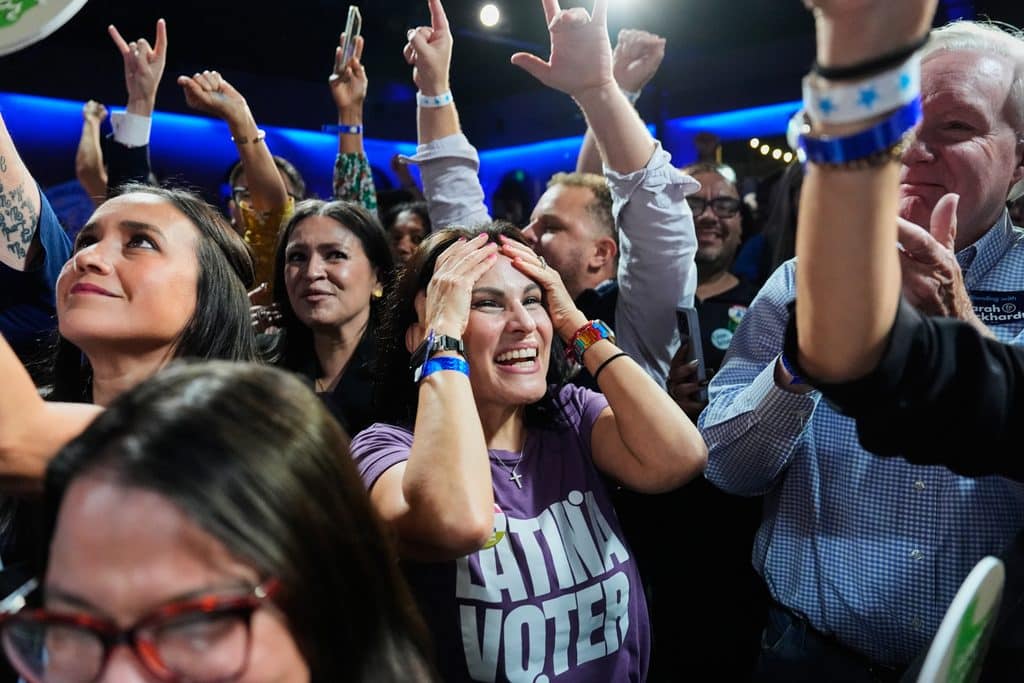
Last week, Mike Gonzalez, our South Texas reporter, wrote a piece titled “Can the Texas border flip the governor’s race?” We now have our answer, and it’s a resounding ¡Sí!
What a week, and what a historic election. After 25 years of writing about Texas turning blue, it finally happened. And much of it is due to majority-Latino counties on the Texas border, where voter turnout increased by more than 8 percent compared to the 2022 midterms, making it the highest turnout in the state.
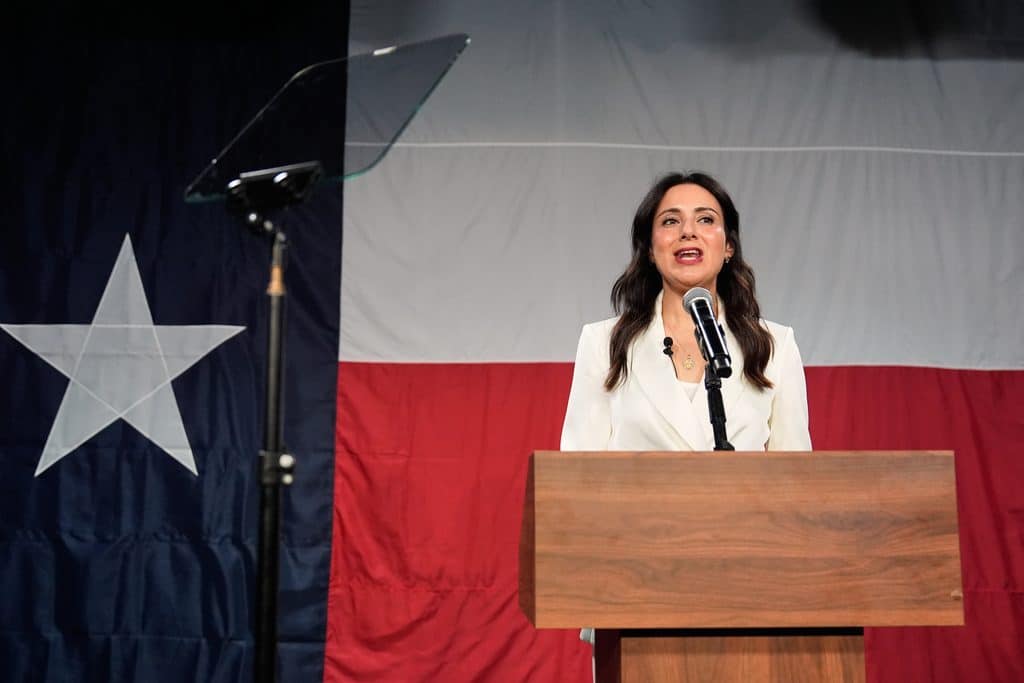
History was made across the border region. In New Mexico, the first Native American, Deb Haaland, was elected governor; in California, Xavier Becerra will be the first Latino in the modern era to take the state’s top job; and in Arizona, Katie Hobbs was re-elected by a healthy margin. And then, of course, there’s Texas’ first Latina governor, Gina Hinojosa.
“I am a daughter of the Rio Grande Valley,” Hinojosa said in her acceptance speech Tuesday night, “where the people embody the work ethic and values of our great state. Where no one would have imagined that one day a little girl from the RGV would stand before you here as the next governor of the greatest state — Texas.”
As I wrote in Wednesday’s piece, it’s hard to overstate the seismic change that this election will have on the borderlands. Since the days of former Texas Republican governor Rick Perry in the mid-aughts, Republicans have portrayed the border as a war zone and immigrants as “invaders.” The relentless racist and anti-immigrant messaging from the party has had real and deadly consequences for border communities, including the 2019 massacre of Mexicans and Mexican Americans in an El Paso Walmart by a White Supremacist.
While governors don’t have much influence over federal border policies, they set the tone and the priorities for their state. Former Republican Governor Greg Abbott and Attorney General Ken Paxton led much of the national MAGA messaging and litigation targeting immigrant communities and the border. And Abbott spent more than $11 billion in taxpayer money on transforming border communities into a militarized zone with heavily armed police and National Guard under his Operation Lone Star. Donald Trump and Stephen Miller took that model and deployed it nationwide. We now see cities like Memphis and Washington D.C. living under the same militarized policing and surveillance that border communities have endured for years.
Gina Hinojosa, who was born and raised in South Texas, understands firsthand how cruel programs like Operation Lone Star terrorize border residents and migrants. By defunding Operation Lone Star and directing taxpayer dollars to education, healthcare, and other social safety net programs, real progress and real security could be achieved for struggling families. It’s also time for the border to no longer serve as the content-creation backdrop for the MAGA fever nightmare machine that’s fired up every Republican primary to turn out the MAGA base’s ever-diminishing voters.
I also hope that Democrats will finally start paying attention to border communities, rather than always leaning into the militarized Republican rhetoric. And that they will be less willing to throw the region and immigrants under the bus to appease their Republican colleagues and secure wins elsewhere, as was so often the case in the Obama years. There’s a lot of work ahead, no doubt, and you can bet The Border Chronicle will be watching and reporting on it closely.


This Week in The Border Chronicle:
The Blue Wave Hits the Border Wall: An Election Dispatch from the Borderlands
An on-the-ground post-election report from the Columbus, New Mexico borderlands. By Todd Miller
The Borderlands Reject MAGA’s Politics of Fear
With Democrats now governing every border state, a historic election opens the door to a different vision for the U.S.-Mexico border. By Melissa del Bosque
What the Election Means for Humanitarian Aid: A Q&A with Humane Borders
Political scientist Brad Jones of Humane Borders breaks down the midterm elections and why they matter for the continuation of aid work on the border. By Todd Miller
More News from Across the Border Region:
‘It’s a daunting task’: Democrats prep to lead Arizona legislature for first time in 60 years AZ Mirror
Trump’s election threats fizzled. What stopped them? Votebeat/Tucson Sentinel
Is It Time to Take San Diego’s Democratic Socialists Seriously? Voice of San Diego
Councilmember Accuses Cops of Failing to Notify When They Are Present at ICE Raids Voice of San Diego
New Mexico elects Democrat Deb Haaland as first Native American woman governor in US NM Source
Xavier Becerra is California’s next governor: Five things to know Cal Matters
Advocates win temporary reprieve against fast-track deportation proceedings for immigrant kids Tucson Sentinel
Valley delegation to Texas House sees newcomers as voters reject Republicans MyRGV
Author
Related Articles
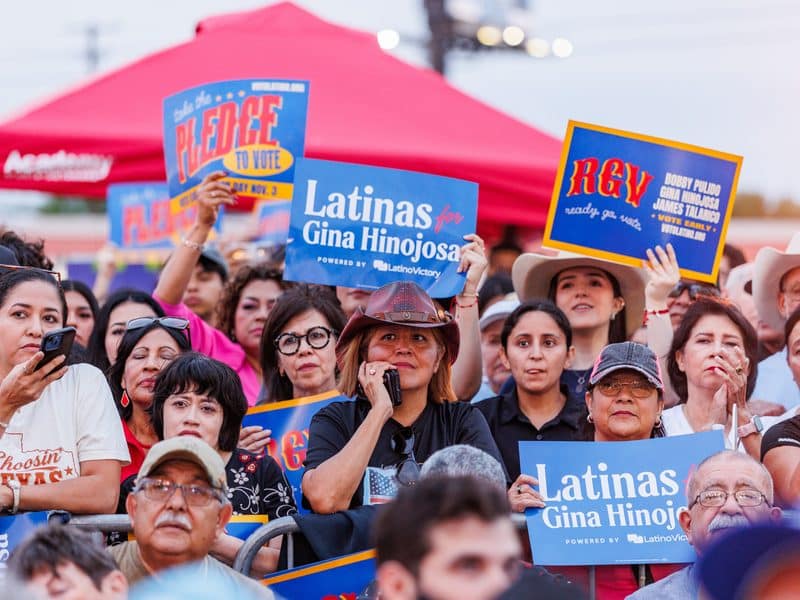
The Border Chronicle Weekly Roundup and Poetry Supplement: October 30
Will Latino voters help Democrats break a 30-year losing streak in Texas? And why do Democrats still sound like Republicans when they talk about the border?
The Border Chronicle Weekly Roundup + Poetry Supplement: October 23
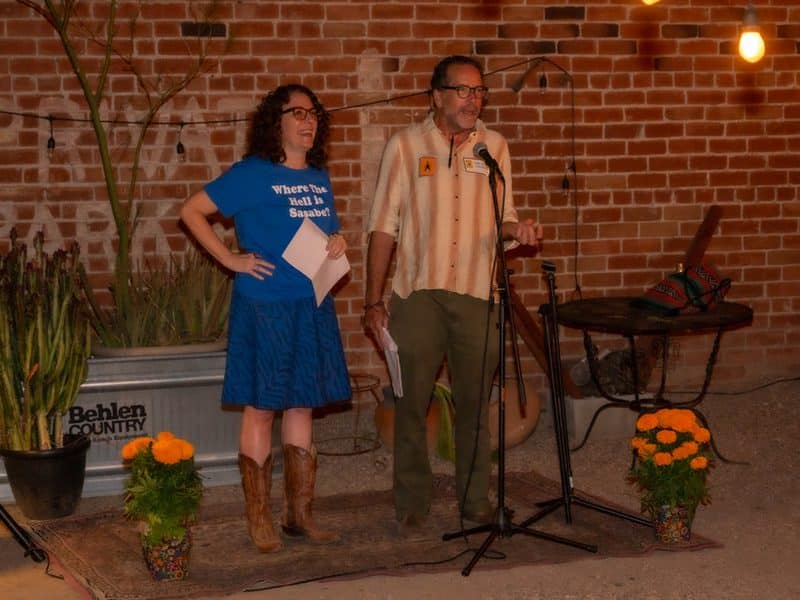
Our 5th anniversary celebration was amazing, plus three big stories this week, including an exciting upgrade to Wall Watch you don’t want to miss!
The Border Chronicle Weekly Roundup + Poetry Supplement: October 16
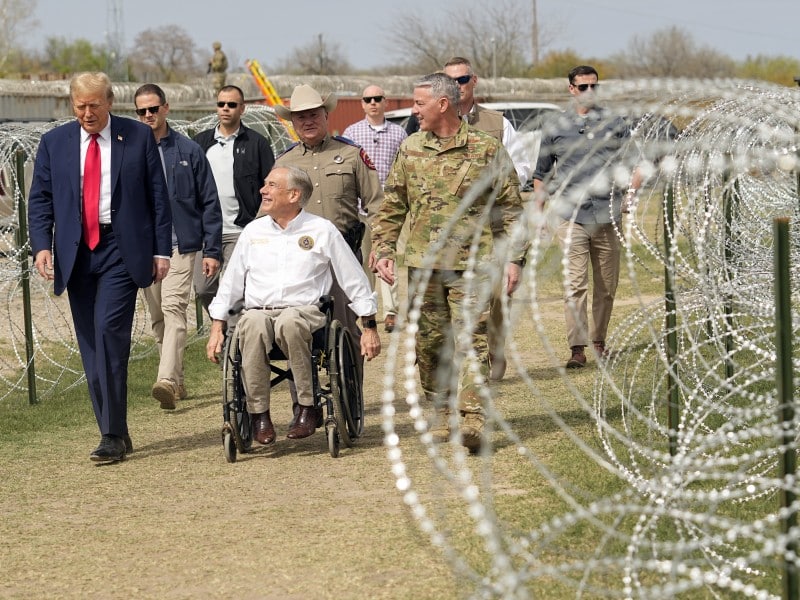
Laredo learns about water conservation from El Paso and Tucson, and the quake that drained the desert, plus MAGA does border theater (again) and poetry!
Comments (0)
There are no comments on this article.