“The Earth Literally Ripped Open”: A Podcast with Mary Reynolds, Author of The Quake that Drained the Desert
At three p.m. on May 3, 1887, a 7.6 magnitude earthquake struck Bavispe, Sonora, and reverberated throughout the borderlands. Some fifty people perished, crushed by collapsing roofs that moments earlier had been sheltering them from the May sun. Every house in Bavispe fell down. “The ground cracked and fissures splayed like veins in dry valleys throughout Sonora and into Southern Arizona,” writes Mary Reynolds, author of The Quake that Drained the Desert, out now from the University of Nebraska Press.
Over a century later, Reynolds learned about this catastrophe and began to research it from all angles. She traveled to Sonora to interview the descendants of people who had experienced the quake. She conducted archival research into the physician and photojournalist team from Tombstone and the engineer from Hermosillo sent to respond. And she pored over geologic documents to understand the science behind the disaster. She learned that the high school that she had attended in Tucson had been fitted with “earthquake bands” that would allow it to flex and give the people inside more time to evacuate in the event of a similar event. One of the most surprising threads she followed was the way the earthquake transformed the region’s hydrology, altering the flow of springs and watercourses forever.
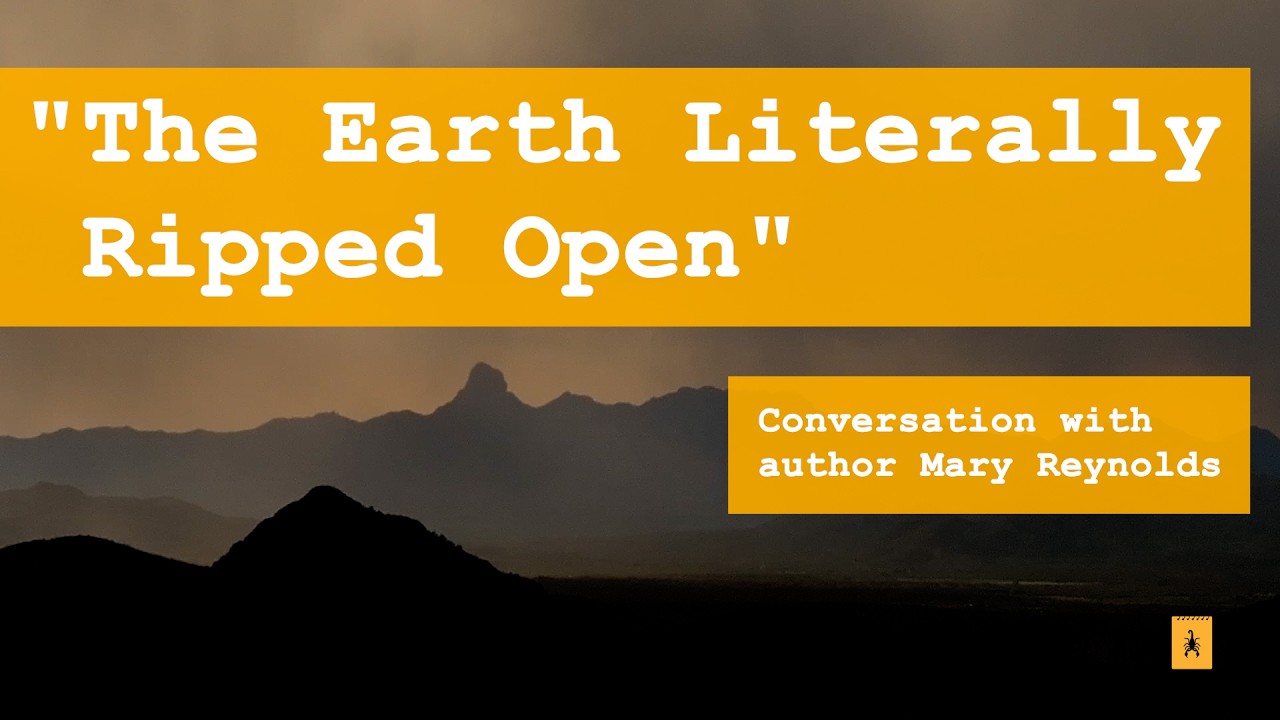
In this Border Chronicle podcast, Caroline Tracey speaks with Reynolds about the inspiration for her book, the research process, the story’s colorful characters, and the quake’s implications for life in the region today.
Author
Related Articles
The Border Chronicle Turns Five. What’s Next?
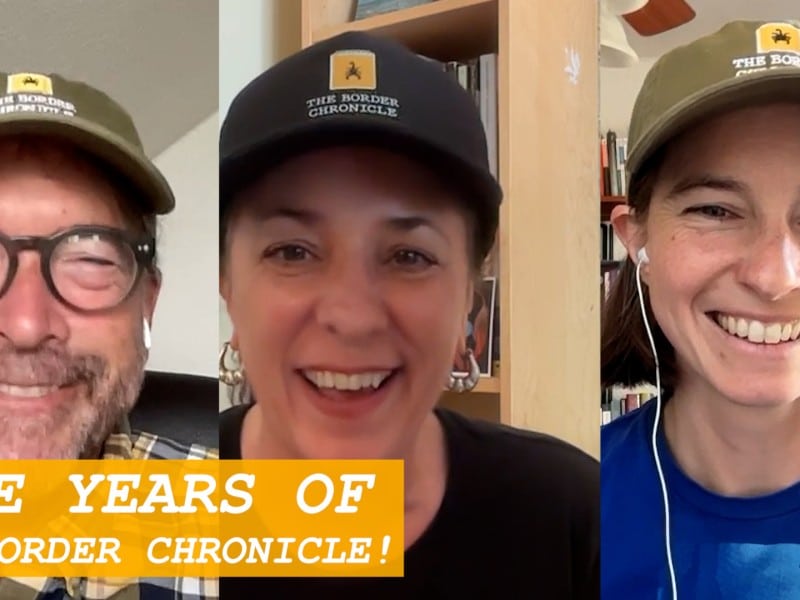
Founders Melissa del Bosque and Todd Miller join editor and reporter Caroline Tracey to revisit the newsroom’s beginnings and the stories that have defined it, and to celebrate its next chapter.
Wall Watch: Mapping Trump’s $46 Billion Border Mega-Project
In this week’s podcast, Melissa del Bosque and Geographer Dugan Meyer explain how the Border Chronicle’s new project, Wall Watch, helps residents document and understand the massive construction project underway at the U.S.-Mexico border.
Protecting the Last Grandmother Cottonwood: A Podcast with Kate Scott
A vivid depiction of what has been happening during the last eight weeks of resistance against border wall construction in southern Arizona’s San Rafael Valley.

Comments (0)
There are no comments on this article.