
Drug Cartels Do Not Exist: An Audio Interview with Author Oswaldo Zavala
Author and scholar Oswaldo Zavala challenges the cartel narrative anchored in a “national security storytelling machine,” and opens up a whole new way to think about the drug war.
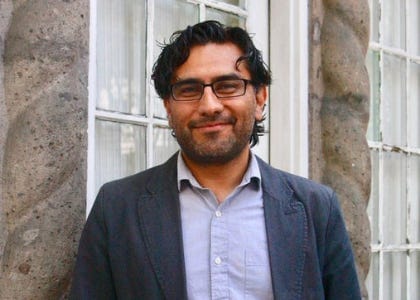
In the interview, Zavala talks about his time as a reporter in the 1990s in Ciudad Juárez and how that experience informed the argument of Drug Cartels Do Not Exist. We talk about what Zavala calls the “national security storytelling machine” and how the exaggeration and caricaturing of drug smugglers (also reflected in the broader culture in television shows) justifies mass militarization (including, of course, the ever-increasing fortification of the U.S.-Mexico border) while masking other elements at play, such as huge extractive projects. These projects are often happening in the same places where the media focus on drug cartels in combat.
Zavala’s paradigm-shifting book also connects the waves of violence and homicides in Mexico over the last 15 years to the upsurge in this militarization, rooted in counternarcotics operations unleashed by the Felipe Calderón administration in 2006 under pressure from the United States, which provided help and eventually financing. But listen for yourself. I guarantee you won’t think about the war on drugs the same way again.
Author

Related Articles
The Border Chronicle Turns Five. What’s Next?
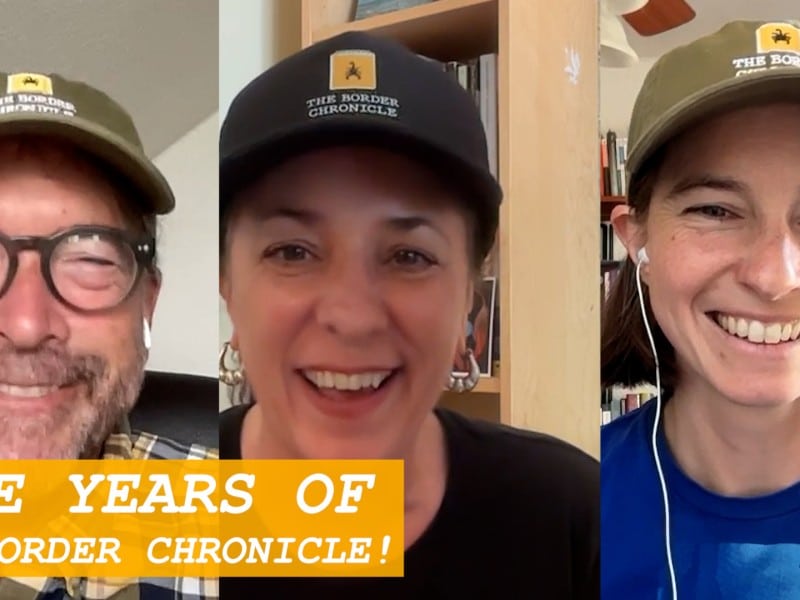
Founders Melissa del Bosque and Todd Miller join editor and reporter Caroline Tracey to revisit the newsroom’s beginnings and the stories that have defined it, and to celebrate its next chapter.

Wall Watch: Mapping Trump’s $46 Billion Border Mega-Project
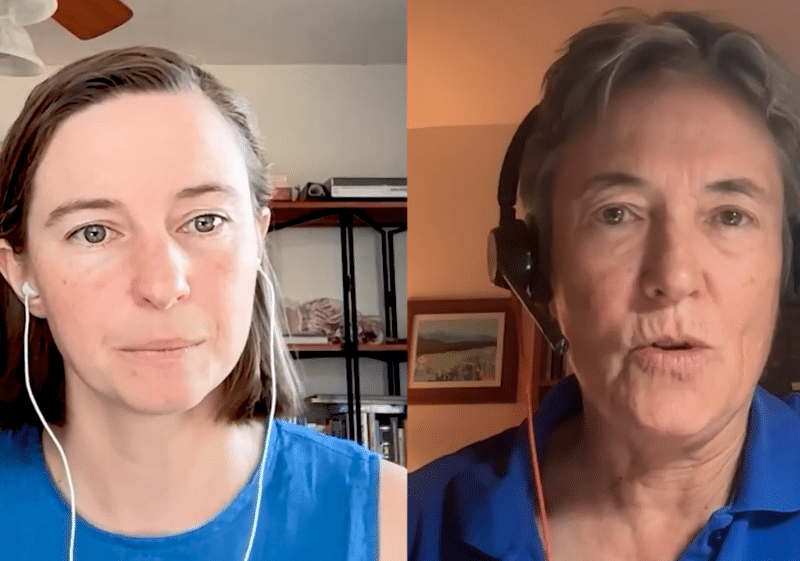
In this week’s podcast, Melissa del Bosque and Geographer Dugan Meyer explain how the Border Chronicle’s new project, Wall Watch, helps residents document and understand the massive construction project underway at the U.S.-Mexico border.
