
Extraction, Contamination, and Migration in Mexico: A Q&A with Patricia Rodríguez
A vivid description of how fracking in Mexico has harmed water, air, land, and agriculture, and how it is linked to accelerated climate warming, displacement, and migration.
This should be an exciting weekend as the “Take Back Our Border” convoy descends on the borderlands to hold rallies in Texas, Arizona, and California, armed with the usual Fox News–inspired fear narratives. One common denominator of these narratives—which will undoubtedly persist through the year and up to the elections—is the idea that people are arriving to the border out of thin air. There is little understanding of why people migrate in the first place. One reason, too often overlooked by the media, is that free trade agreements have opened borders to mining, oil, and gas companies. Extractivism is a force in Latin America, and according to Patricia Rodríguez in the interview below, it is linked to displacement and migration. This plundering of natural wealth, she explains, has led to the contamination of water supplies and left mounds of air pollution in its wake, as well as accelerated climate warming.
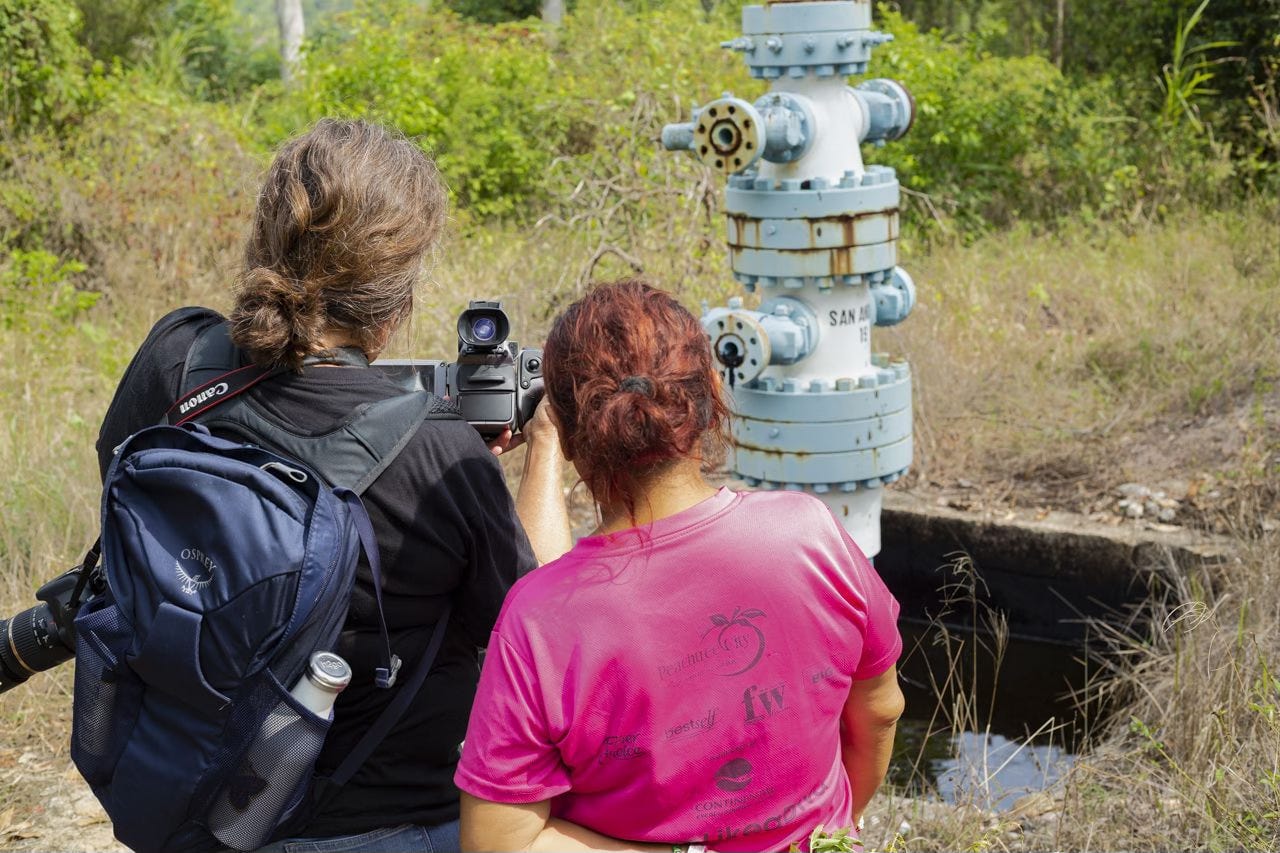
Rodríguez works as international OGI (optical gas imaging) analyst and advocate at Earthworks, a U.S. organization that focuses on preventing the destructive impacts of extracting water, oil, and minerals. OGI is an infrared technology that detects fugitive and poorly combusted emissions of methane and volatile organic compounds from the gas and oil industry. In October, Earthworks teamed up with the Mexican organization Alianza Mexicana Contra el Fracking to look at impacts in Puebla and Veracruz, Mexico, after many years of intense fracking. In the interview, Patricia goes into detail about what she witnessed on that trip and how extractive industries affect migration. “The impacts of extraction,” she told me, “threaten harms to air, water, agriculture, and livelihoods of entire communities. We know that migration (especially to the U.S.) is one of the survival mechanisms that people use to escape these kinds of threats or to deal with not being able to produce anything any longer in their lands.”
How widespread is extractivism in Latin America?
Oil and gas extraction, transporting and processing, is very extensive and widespread in Latin America, and particularly big in Brazil, Argentina, Colombia, Ecuador, and Mexico. In all these countries, state oil companies partner with multinational corporations, some of which are from the U.S. We have so far documented big impacts (air pollution particularly) on indigenous and nonindigenous populations in many of these countries, which goes to the destructive power that oil and gas industries exert in Latin America.
What should people know about extractivism in Mexico?
Oil extractivism has a long history in Mexico, although oil production has definitely fallen, natural gas and LNG (liquefied natural gas) have been increasingly explored and desired. Since 2017, Mexico has become a net importer of LNG mostly from the U.S. Permian basin (which has the highest producing oil fields in the U.S., in western Texas and southeastern New Mexico), and new LNG pipelines are being proposed alongside the border and supported by the U.S. government. PEMEX (Mexico’s state-owned petroleum company) has also drilled for fracked gas for the past 17 years at least, but there are communities and groups (including the Mexican Alliance against Fracking/Alianza Mexicana contra el Fracking) that firmly oppose this practice. President Andrés Manuel López Obrador made a promise during the campaign leading up to his presidency that he would ban fracking during his tenure, but it has not been officially prohibited or banned in Mexico.
Fracking is the technique of hydraulic fracturing, or ‘unconventional hydrocarbons drilling’ which has opened previously unreachable reserves of oil and gas, and set off a boom of extraction that is harming public health and climate.
It uses a mixture of water, sand, and chemicals (including some that are harmful to health, like hydrochloric acid, ethylene glycol, methanol, benzene, and more). This is injected at high pressure into the steel pipes (“casings”) used in these drillings. Often, the drilling goes one to three miles deep and then turns at a right angle to drill horizontally. The mix penetrates deep into the bedrock that contains the tightly bound shale rock deposits. Oil and gas are released and can flow to the surface for processing, transportation, and use in petrochemical facilities and refineries, or for export. Brine and wastewater containing high levels of toxic contaminants are also part of the flowback, which is harmful to health and has dangerous impacts on animals, plants, land, and water.
Depending on the type of geological formation and other factors, each well requires 2 million to 20 million gallons of water. About 160,000 gallons of wastewater a day is produced in the first five days after a fracturing job, and another 1,100 gallons of liquid waste a day is produced for a range of 10 to 30 years.
What were some of your most striking findings of your investigation on fracking?
We partnered with the Alianza, which includes around 40 organizations around the country that focus on calling out the impacts of fracking in Mexico. Earthworks visited part of this region in 2017, documenting a lot of air contamination from oil and gas. In October 2023, we returned to investigate how much of the gas from years of fracking is still being released into the air despite regulations, but also impacts of the oil and gas industry in the soil and groundwater in the Veracruz and Puebla states.
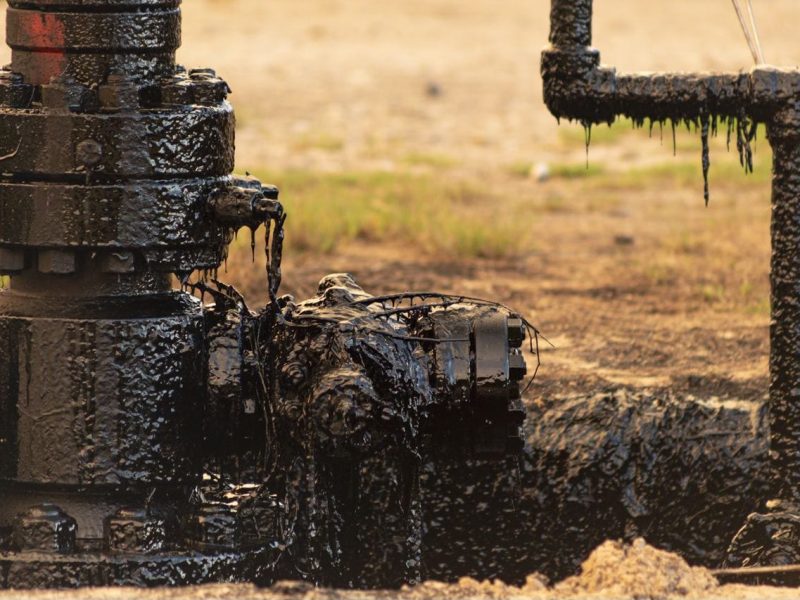
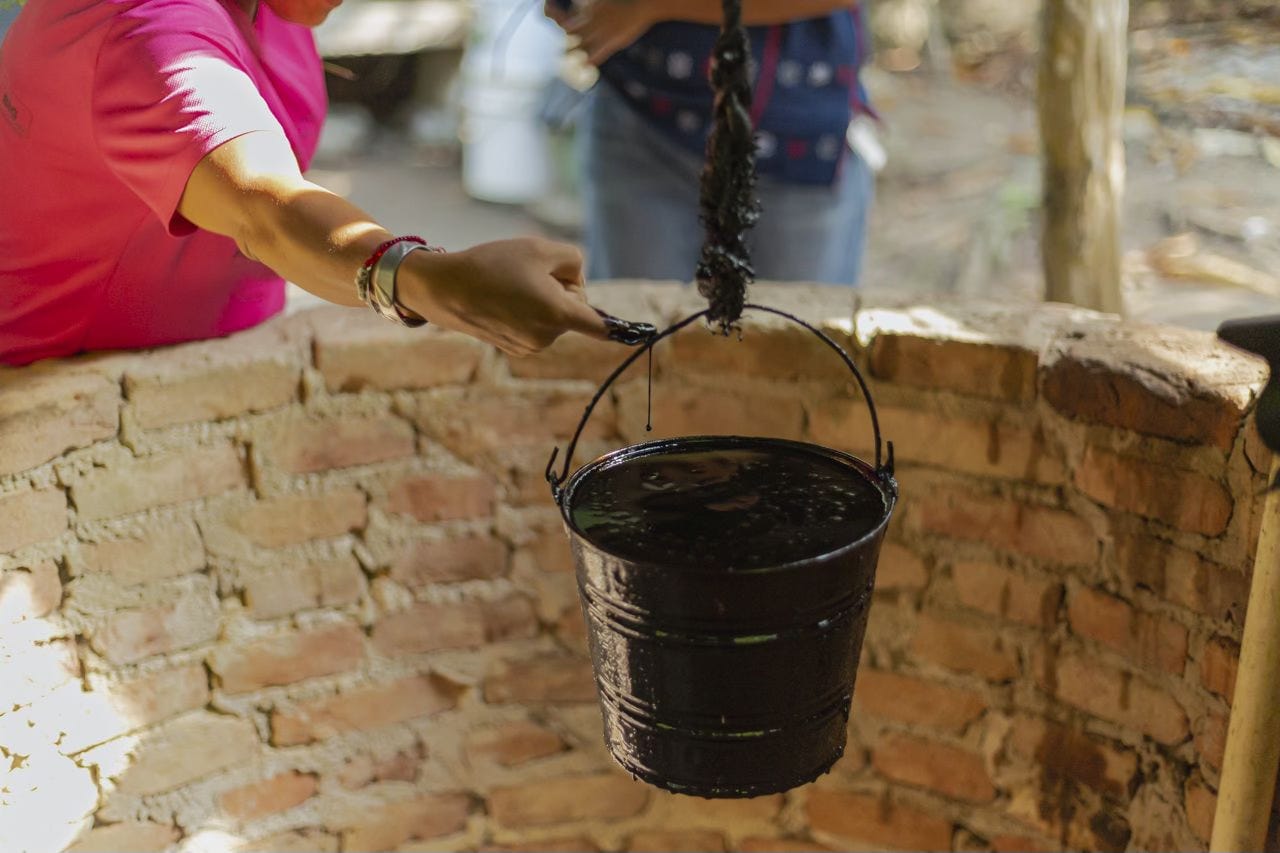
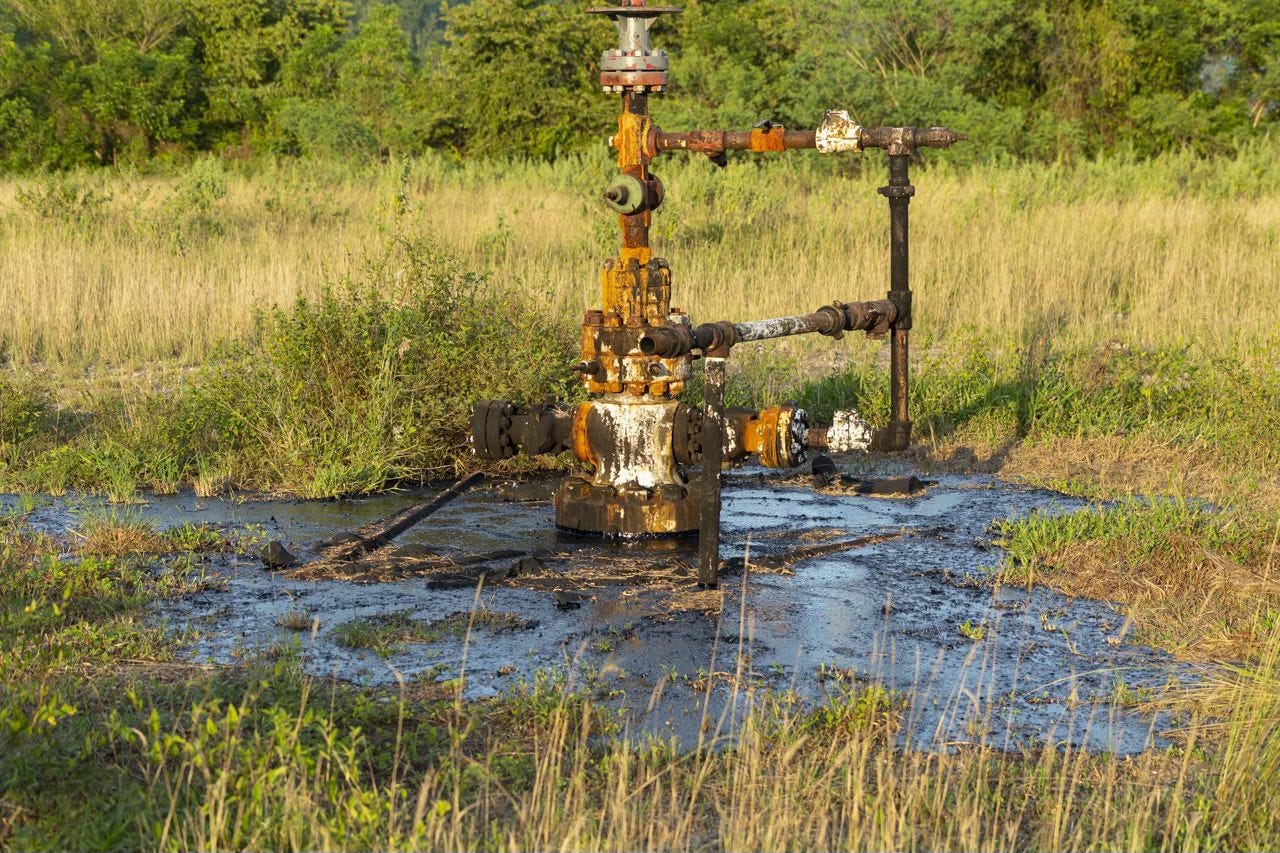
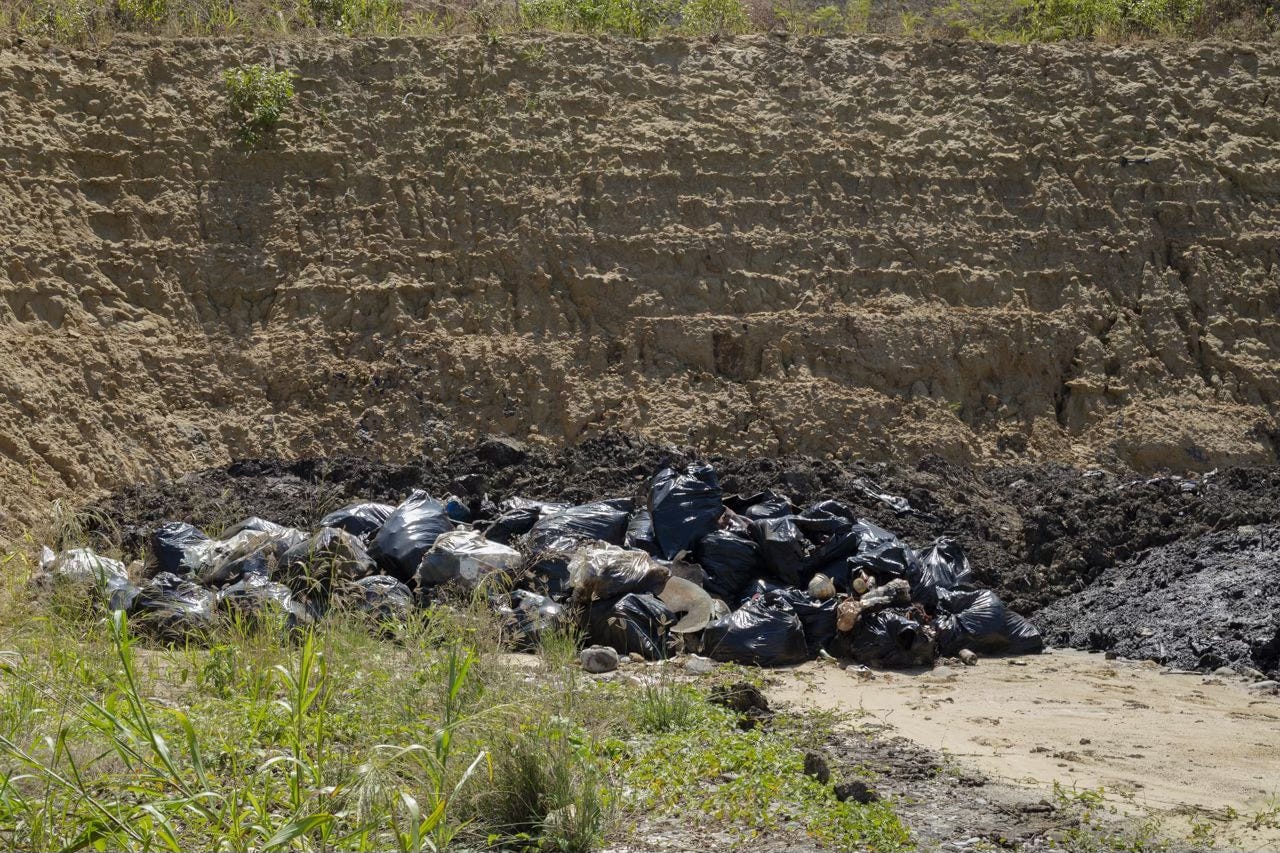
Among the most intense findings was the sheer level of open-air exposed contamination from crude oil, which is something I haven’t seen so pervasively in other countries I have visited for OGI surveys. It felt like the norm in PEMEX sites is leaving oil dripping from enclosed combustion containers, sitting idly at the bottom of productive and abandoned gas wells, or around the gas well cylinders, or in piles of contaminated soil after dangerous explosions and spills. We also witnessed intensely black crude filling up water wells that people used for their drinking water. We found much air pollution from oil and gas facilities that are just a few feet away from rural and urban homes and businesses. Several wells in the city of Poza Rica (in Veracruz) were releasing odious amounts of gasses, one next door to a medical school.
How extensive is fracking in Mexico?
Most fracking drilling is along the Mexican Gulf Coast, but particularly in the Tampico-Misantla and Burgos basins, and near cities and small towns like Poza Rica, Papantla, and Burgos. The municipality of Papantla, which encompasses 73 towns and communities, has around 170 wells.
Very often, fracking is done in sites where there is already conventional drilling (which is not as deep or horizontal as the drilling involved in fracking), so a lot of times local residents do not know it has started, nor what it entails. Sometimes, wells are fracked dozens of times. Throughout Mexico, 7,879 out of 32,464 oil wells have been fracked.
What are the environmental impacts of fracking?
Methane (the main component of natural gas) is one of most potent greenhouse gasses, and traps around 80 times more heat in the atmosphere in the short term than carbon dioxide, therefore contributing immensely to climate warming, and crop and health impacts from smog pollution in these regions. Volatile organic compounds such as benzene, toluene, butane, and particulate matter are also released alongside methane, causing respiratory, endocrine and central nervous system, and fetal development impacts to human health. Some of the compounds, like benzene, are known carcinogens.
The numerous visible spills that we witnessed are also worrisome for local agriculture for other reasons as well, since much of this contaminated water could damage the soil and water in surrounding agricultural areas. There is an inherent contradiction between the presence and disrepair of oil and gas facilities in rural areas where the Mexican government has pushed for sustainable agriculture programs such as Sembrando Vida. This is a flagship program of the López Obrador administration, one that subsidizes crop production for basic needs for marginalized rural communities in agro-forested areas across the country.
Do you see any links between extractivism and migration?
Yes. The impacts of extraction threaten harms to air, water, agriculture, and livelihoods of entire communities. We know that migration (especially to the U.S.) is one of the survival mechanisms that people use to escape these kinds of threats or to deal with not being able to produce anything any longer in their lands.
Several of the Indigenous communities we visited had impacts that go back to the late 1980s–2000 period, under neoliberal PRI (Institutional Revolutionary Party) administrations, but these impacts are still being experienced today.
In one community we visited, which is surrounded by around 70 wells, officials showed up in the 1990s to do a “geo-evaluation,” and the community received information about how the work they were doing would benefit the communities, bringing paved roads and more. Yet all they got was huge explosions of dynamite in the lands they were examining, and then they lost access to water and many streams dried up. Then, in 2022, there was an explosion and long-lasting dark plumes from a nearby oil well, and an ensuing oil spill that affected lots of the nearby land and fauna and flora as big blobs of crude spread downriver.
This community has lost the ability to grow crops. They make their living by selling artisanry and embroidery. Most of that income goes to pay for delivered water. Sometimes, complaining leads to a quick exit for people’s own protection.
What do you think should be done? How do we proceed?
Government officials and the public in general should be paying special attention to this level of displacement and impact, to the complaints and alternative proposals from those impacted. To generate much-needed, truly transformative, and just energy transition to address the climate crisis, the mainstream (and U.S. government supported) corporate approach of deepened extractivism needs to be dropped.
The Border Chronicle is a reader-supported publication. To receive new posts and support our work, consider becoming a free or paid subscriber.
Author

Related Articles
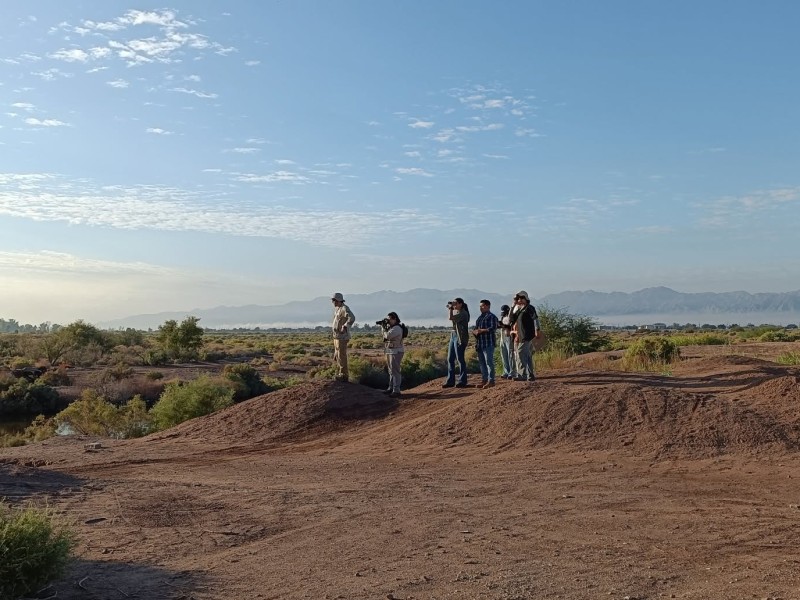
Salvemos Las Lagunas: A Morning with the Collective Working to Save Mexicali’s Last Urban Wetlands
The New River flows north across the US-Mexico border, where its lagoons provide vital habitat for hundreds of birds. For a decade, a community organization has worked to protect these crucial waterways.
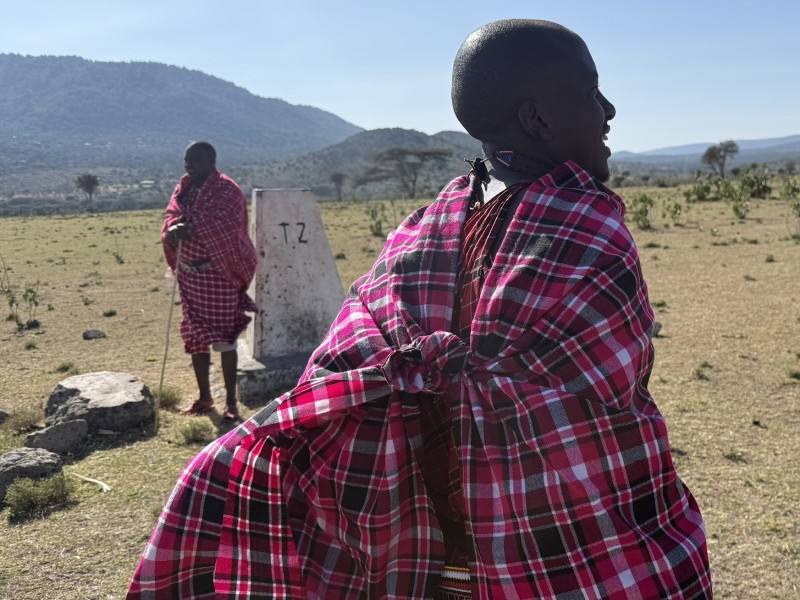
Swarm Intelligence: A Reporter’s Notebook on the Freedom of Movement in the Maasai Borderlands
Could solutions to climate woes such as drought be found in the freedom of mobility? This on-the-ground report from the Kenya-Tanzania border examines that question and more.
Wall Watch: Mapping Trump’s $46 Billion Border Mega-Project
In this week’s podcast, Melissa del Bosque and Geographer Dugan Meyer explain how the Border Chronicle’s new project, Wall Watch, helps residents document and understand the massive construction project underway at the U.S.-Mexico border.