A Second Wall, Expanding Surveillance, and an Oasis Under Threat: A Dispatch from Arizona’s Organ Pipe National Monument
From bulldozed saguaros to new surveillance cameras, The Border Chronicle’s Wall Watch is tracking the expanding footprint of border militarization in the Sonoran Desert.
Along the U.S.–Mexico border in Southern Arizona, construction crews are transforming one of the most ecologically and culturally significant landscapes in the Sonoran Desert. Organ Pipe Cactus National Monument, a UNESCO biosphere reserve bordering Mexico and the Tohono O’odham Nation, is home to towering saguaros, endangered wildlife, and the Quitobaquito Springs, a rare desert oasis sacred to O’odham communities for generations.
Now, contractors are clearing vegetation, installing surveillance sensors, and erecting a second steel bollard border wall mere feet from the existing 30-foot barrier constructed during President Trump’s first administration. And locals are documenting every step of the process.
What We Know About the Border Barrier Projects in Organ Pipe
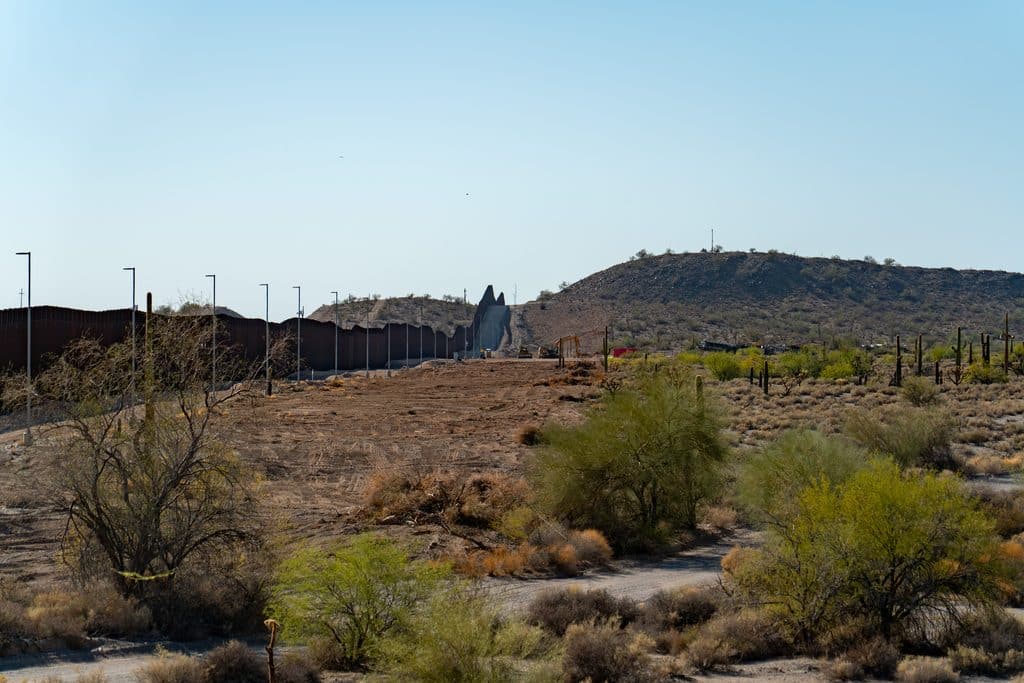
Two major federal border barrier projects are underway in the Organ Pipe area: the Tucson 1 Project (TCA-1) and Tucson 4 Project (TCA-4). According to The Border Chronicle’s Wall Watch Border Barrier Project Directory, TCA-1 includes the construction of approximately 22 miles of secondary steel bollard wall, along with the installation of surveillance technology along nearly 66 miles of existing border barriers. The project is part of a $659 million federal contract awarded to BCCG A Joint Venture, a partnership between BCSS, Caddell Construction, and Gibraltar. The project extends beyond Organ Pipe into other areas of Southern Arizona as well.
TCA-4 involves construction of approximately 1.7 miles of primary steel bollard wall, built through a $443 million contract awarded to Arizona-based Sundt Construction that also includes work beyond this specific segment.
Wall Watch’s Contractor Directory also identifies other companies connected to these projects, including AIS Infrastructure, the parent company of BCSS, and HDR Engineering, which has been involved in engineering and design work for TCA-1.
What Community Reporting Reveals
While federal agencies publish basic information about border barrier projects, including their locations, general scope, and primary contractors, much of what happens on the ground remains difficult to track.
Part of the problem is that official sources often provide little—if any— information about subcontractors, the timelines for individual phases of construction, or the specific activities underway at particular locations. Even when contract awards are publicly disclosed, the companies actually performing work at construction sites may not be identified.
This is where independent research, local reporting, and community documentation become particularly valuable.
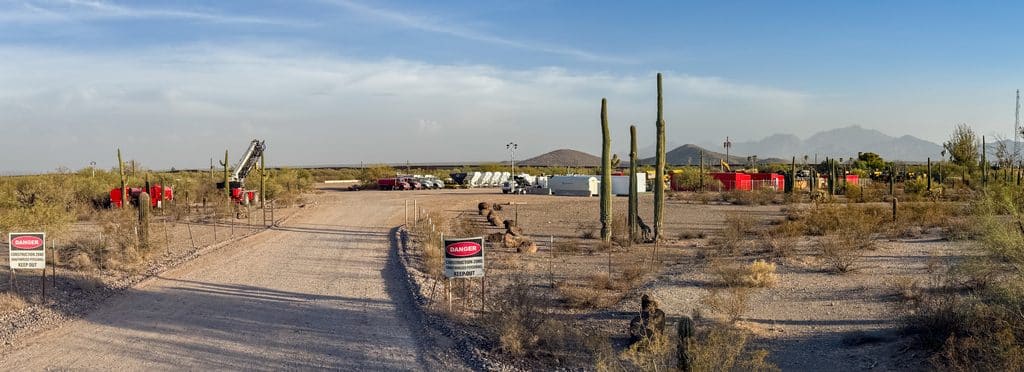
In Organ Pipe, for example, it was independent reporting and documentation—not federal project announcements—that first brought attention to contractors arriving and clearing vegetation in preparation for new wall construction. And it was a Wall Watch Community Report that first documented workers from Arizona-based Mike’s Drilling engaged in what appeared to be water-well drilling within the TCA-1 and TCA-4 project areas.
More Than A(nother) Wall
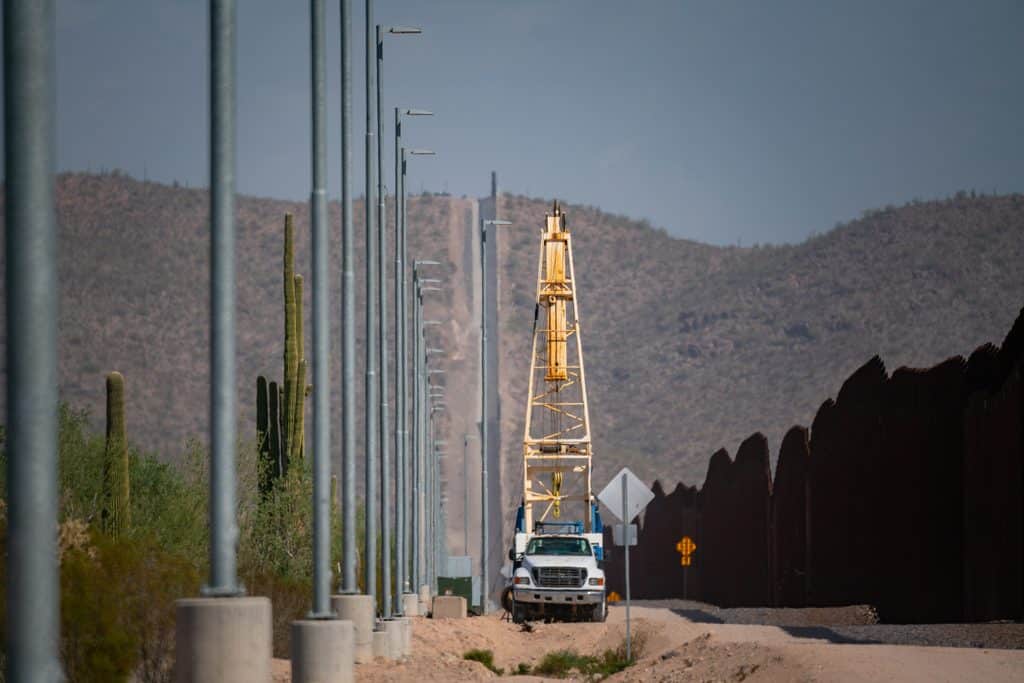
On-the-ground reporting has also provided a rare, yet still partial, glimpse of the kinds of surveillance technology being installed in Organ Pipe as part of the Tucson 1 Project (TCA-1).
As with other ongoing projects along the border that are slated to add what U.S. Customs and Border Protection (CBP) opaquely describes as “surveillance technology” or other “system attributes”, no official sources currently provide any public details about the nature of this technology.
However, photographs submitted to Wall Watch in September document that at least some of this technology is being manufactured by Elbit Systems of America. Elbit is the U.S. subsidiary of an Israeli defense technology company and longtime supplier to the Israeli military. Its American subsidiary has been involved in U.S. border surveillance in Arizona for two decades, first winning a contract for the now-defunct SBInet in 2006 as part of the George W. Bush administration’s Strategic Border Initiative.
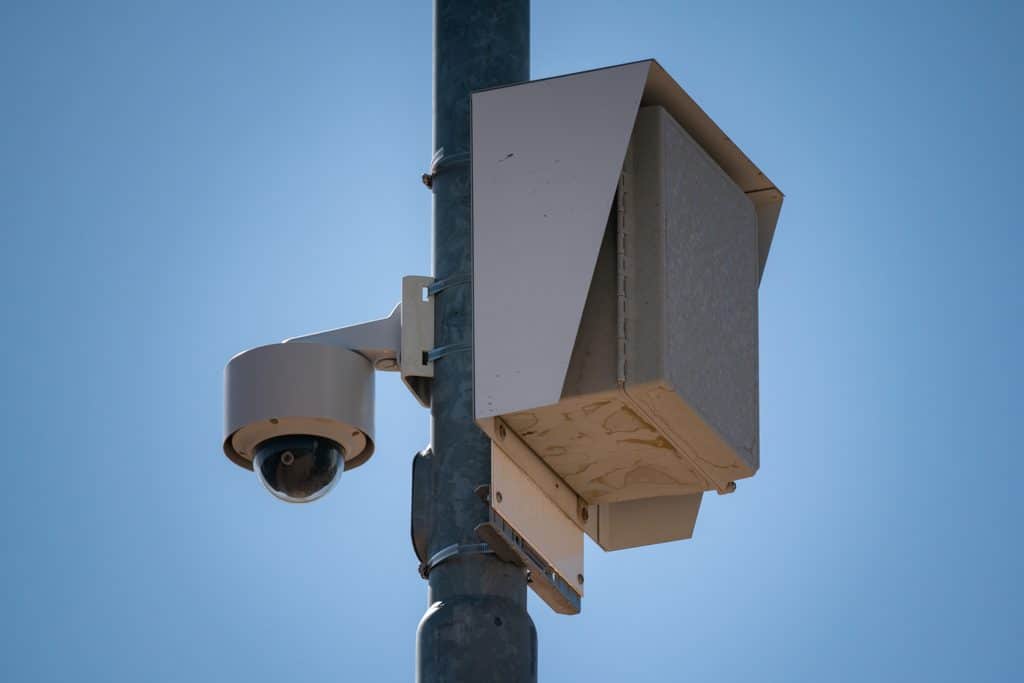
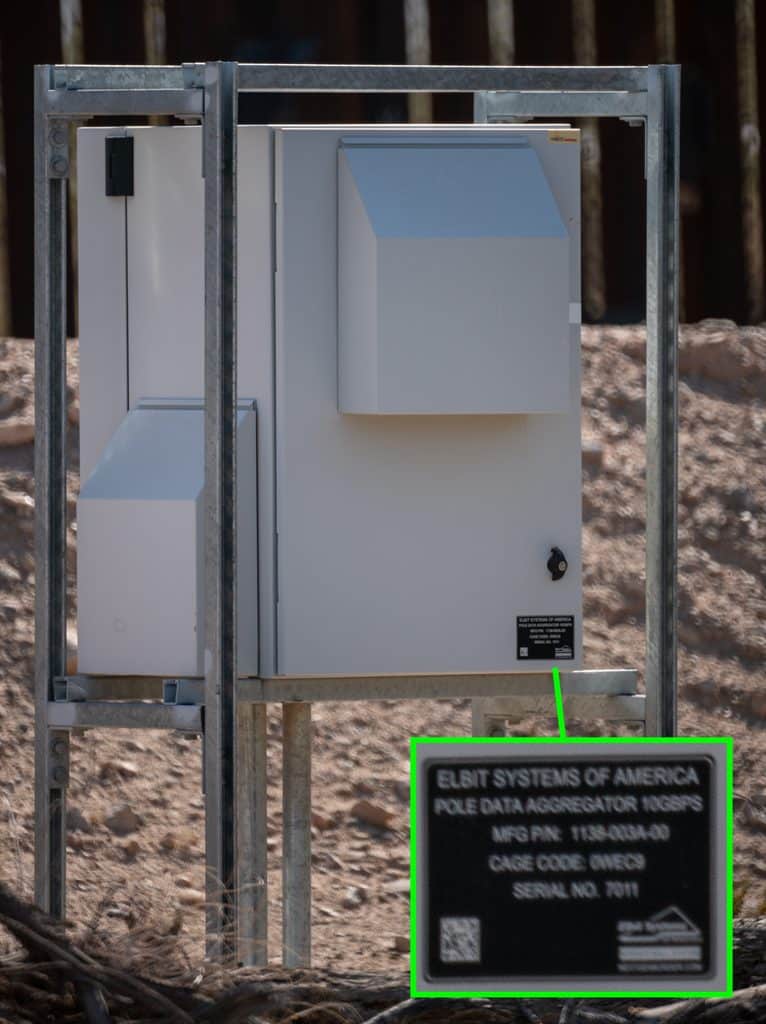
No publicly-available federal contracting records explicitly link Elbit to the Tucson 1 Project. Nor do we have access to information about the specific surveillance technology being installed. The equipment documented on Wall Watch is labelled as a “Pole Data Aggregator”, yet we do not currently know how this technology functions or how it fits into the wider “system of systems” of surveillance and other security infrastructure in the area.
This lack of transparency about the changes underway in Organ Pipe is characteristic of border barrier projects along the length of the border, and it is one of the reasons we created the Wall Watch project. If you have additional information about this technology, or if you have documented similar infrastructure being installed elsewhere, please help us make this information available to the public by submitting a Wall Watch Community Report or emailing us at wallwatch@theborderchronicle.com.
A Landscape Under Pressure
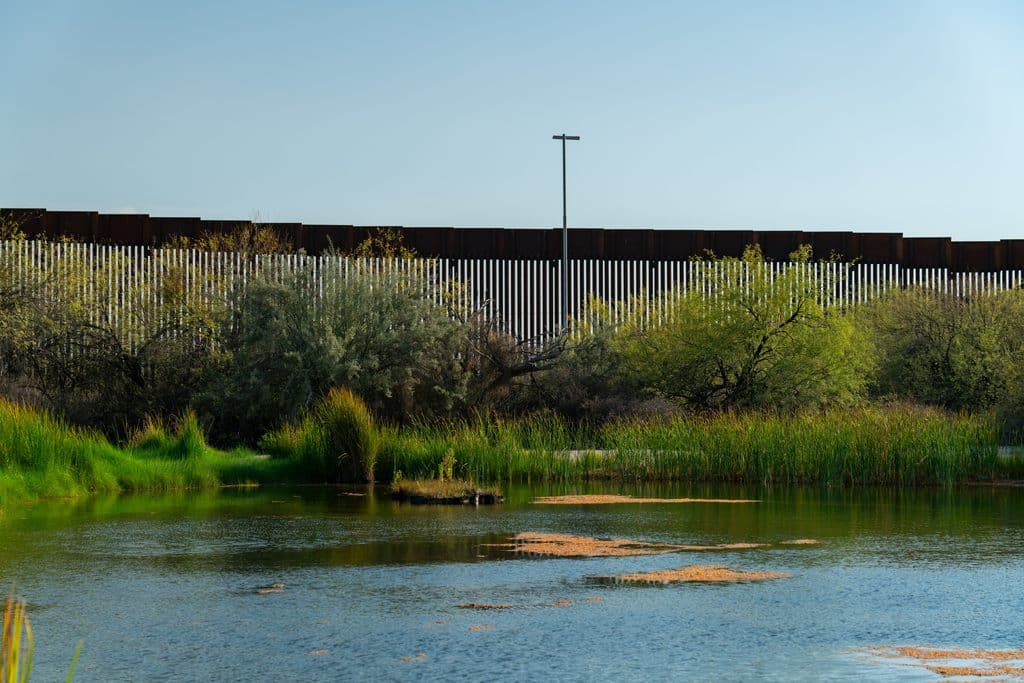
The installation of surveillance cameras along the wall in Organ Pipe reflects the systemic approach to border militarization characteristic of the U.S. security regime. In this approach, multiple technologies function together as an expansive infrastructure with impacts that extend well beyond construction corridors.
The cameras here are being installed on light poles first erected between 2019-2021. The Center for Biological Diversity published a report in 2023 documenting the installation of this lighting infrastructure and warning of potentially severe consequences for wildlife and the region’s dark skies should that infrastructure be activated. Pending environmental assessments have kept these lights—except for those near the port of entry—off for years now, but this may be about to change.
And other factors are already impacting the landscape and local communities here in significant ways.
In September, the Center for Biological Diversity documented bulldozing approaching within a mile of Quitobaquito Springs. More recently, the Center documented the removal of saguaros, including plants previously transplanted during earlier wall construction.
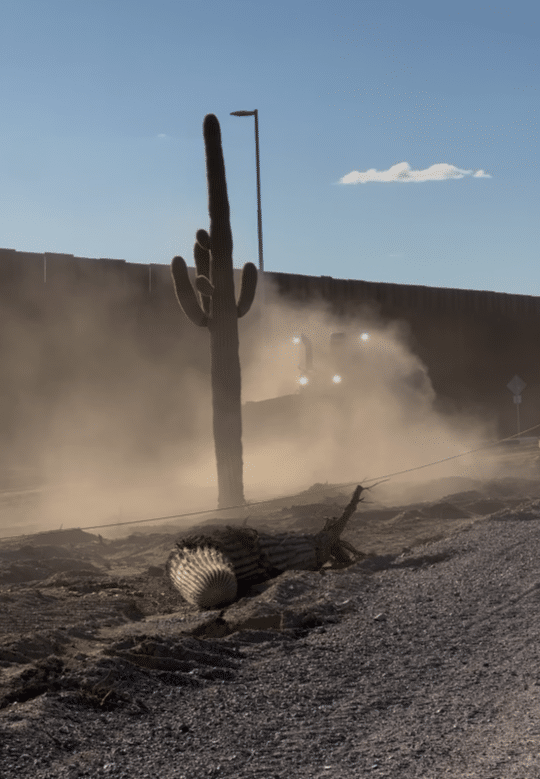
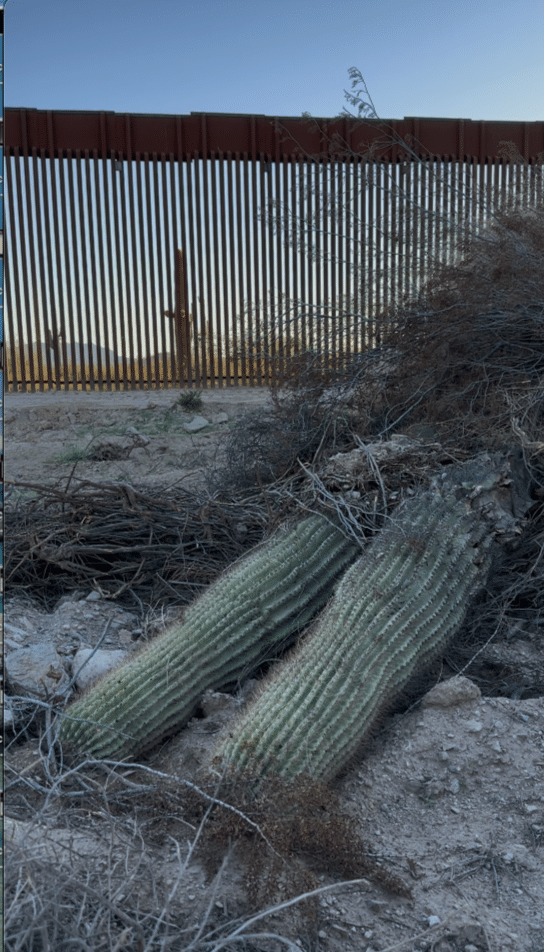
On November 2, ProPublica revealed that contractors had unearthed Native American human remains inside Organ Pipe, confirming warnings raised by O’odham elders. Meanwhile, the Tohono O’odham Nation continues challenging plans for additional wall construction across its lands.
At the same time, federal agencies have declined to renew permits for 12 humanitarian water stations across Southern Arizona, including six in Organ Pipe. Humane Borders warns that their removal could cost lives in a desert where migrant deaths remain persistently high.
These developments are examples of how the expansion of border infrastructure is transforming much more than the physical landscape in the region.
Help Document What’s Happening
Explore The Border Chronicle’s Wall Watch map and searchable Project and Contractor Database to learn more about what’s happening in Organ Pipe and elsewhere in the U.S.-Mexico borderlands.
And if you’ve witnessed border barrier construction, environmental impacts, new surveillance technology, or other activity along the border, please help us document these changes by submitting a Community Report through Wall Watch. Your observations can help reveal what official records do not.
Author

Related Articles
What the Election Means for Humanitarian Aid: A Q&A with Humane Borders
Political scientist Brad Jones of Humane Borders breaks down the midterm elections and why they matter for the continuation of aid work on the border.

Banishing the Elders: How Southern México Has Become Part of the U.S. Deportation Regime
The United States is deporting Cuban seniors by the hundreds to southern México where they have little hope of return.
Introducing the Wall Watch Project and Contractor Database
Explore the companies, contracts, and construction projects reshaping the U.S.–Mexico border—and get ready for a new series of Wall Watch Dispatches.
Comments (0)
There are no comments on this article.