
Miroslava Breach and Justice for Journalists in Mexico
No country targets its journalists for execution quite like Mexico
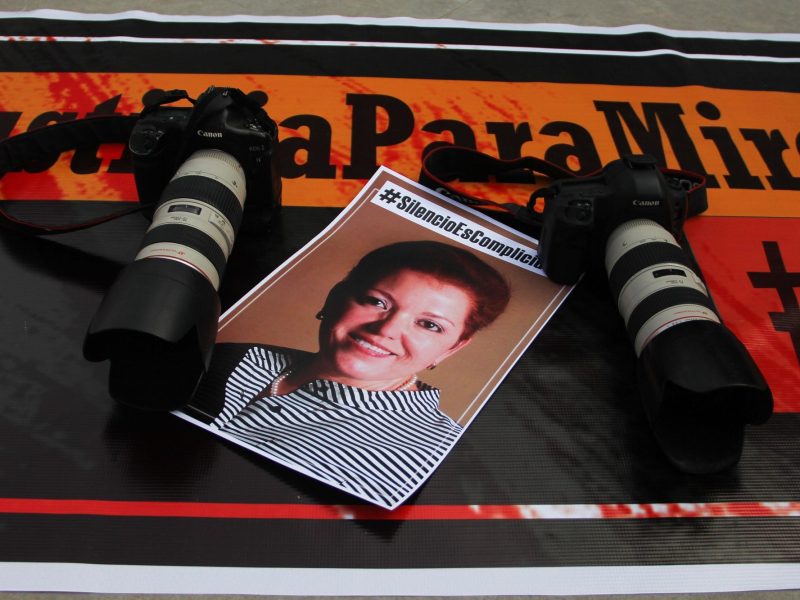
When I read about the murder of Mexican journalist Miroslava Breach on March 23, 2017, it felt like a piercing blow. Then, two months later, Javier Valdez, the courageous cofounder of RioDoce in Sinaloa, was shot down in the street near his office. Another incurable heartbreak.
Both were fundamental in connecting the dots between corrupt politicians and narcotraffickers—what Mexicans call “narcopolitics,” a primary cause of the violence and impunity afflicting the country.
Breach and Valdez were brave investigative journalists killed at the height of their careers. They are just two examples of dozens of journalists killed in Mexico who were fundamental to their communities and their country.
The targeting of journalists is a canary in the coal mine. It happens when democracy is weak and authoritarianism is on the rise, as it is globally at this moment. But no country targets its journalists for execution quite like Mexico. As I write in this in-depth piece just published in The New Yorker.
Since 2000 … more than a hundred members of the Mexican media have been murdered or have disappeared. There have been precious few arrests for these crimes, which are thought to have been carried out by members of the cartels and their accomplices. According to the Committee to Protect Journalists, no peacetime government in the world provides less redress for such killings than Mexico. In the past decade, by C.P.J.’s count, there have been more unsolved journalist murders in Mexico than in Syria, South Sudan, and Myanmar combined.
I spent nearly a year reporting and writing this piece on Breach’s life and death for The New Yorker. In the piece, I also cover a group of brave journalists in Mexico, called the March 23 Collective, who came together to investigate their colleague’s murder, risking their own safety. I hope you will give it a read or a listen.
Author
Related Articles
The War Always Comes Home
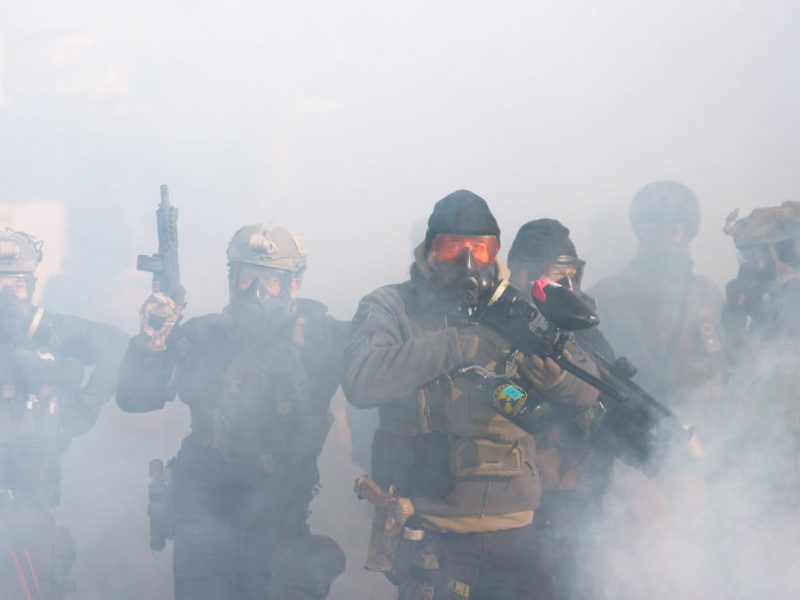
While menacing Venezuela and Greenland, an “unbound” Trump has unleashed the empire on itself in Minneapolis.
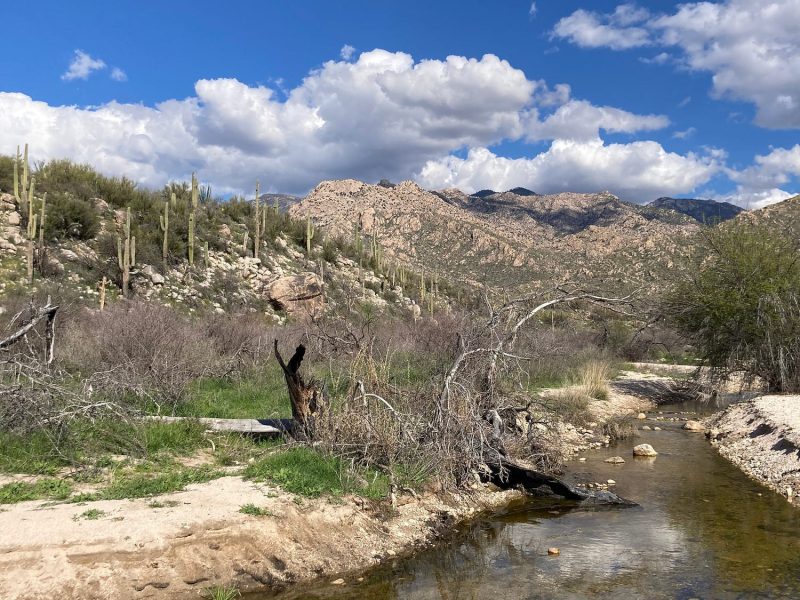
How New Mexico Learned to Love Its Ephemeral Waters
Rollbacks to the Clean Water Act may have affected the borderlands more than any other region. States are stepping up—but there’s still more to do.
The Nature of Violence
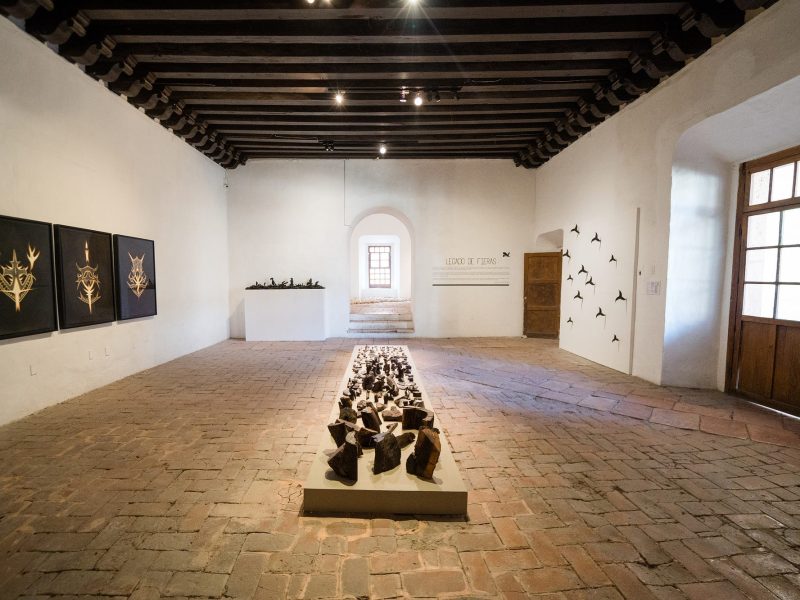
Legado de Fieras, an exhibit by Sonoran artist Miriam Salado, reflects on the natural world and the artifacts of human violence.