On the Border Watch List: A Podcast Interview with Erika Pinheiro on the Chilling Impact of Surveillance
Al Otro Lado’s Tijuana-based litigation and policy director examines the border, past, present, and future, through the lens of the invasive and futuristic surveillance apparatus that is already here.
A note to readers that we will be taking next week off for a spring break (aka our kids will be out of school). We will be back starting on March 22 and will have a whole host of new stories, reporting, podcasts, analysis, and discussion threads for your reading and listening pleasure in the months to come. As always, we are happy to hear any of your ideas!

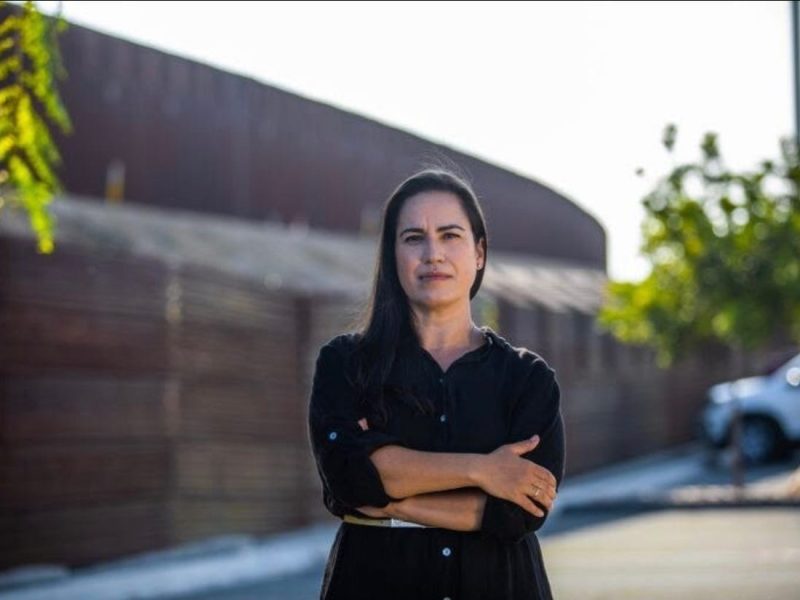
On January 29, 2019, immigration attorney Erika Pinheiro, the Tijuana-based litigation and policy director of the organization Al Otro Lado, was detained and denied entry into Mexico. As you will hear in vivid detail in the following podcast, she was one of 59 attorneys, journalists, and activists placed on a watch list by the U.S. government.
From her perspective as a target of invasive border surveillance, Pinheiro insightfully examines the border, past, present, and future. Pinheiro describes when she and her colleagues quit their day jobs to do the legal and humanitarian support—as well as policy advocacy and impact litigation—for refugees, deportees, and other migrants along the Tijuana-U.S. border for Al Otro Lado. Indeed, at that moment in 2019 when she found out she had an alert on her passport, Pinheiro was working on a family reunification project in the wake of the Trump “zero tolerance” policy.
Here, Pinheiro also analyzes the transition from Trump to Biden by (among many other things) criticizing official rhetoric around “welcoming” Ukrainian refugees while deporting Haitians by the thousands. She also discusses the future of the digital border and paperless expulsions, a surveillance future that is already here.
Author

Related Articles
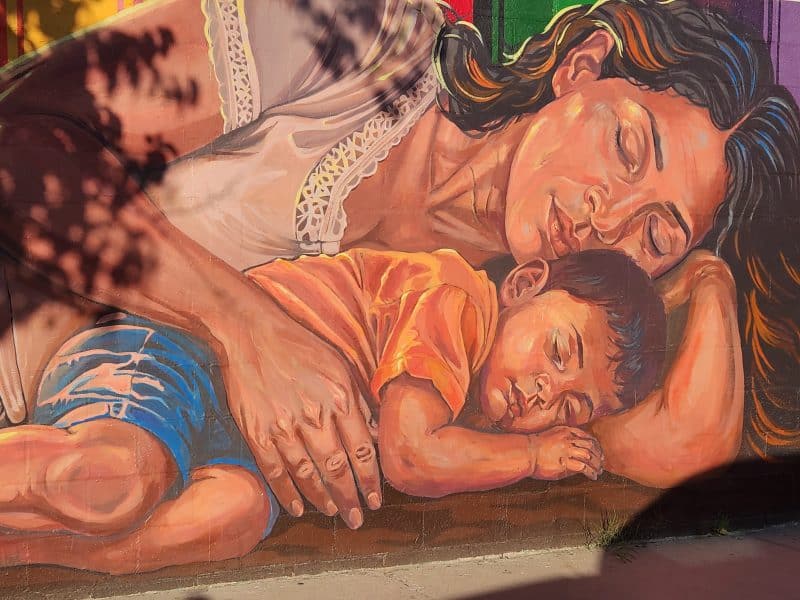
Immigration Policy Is Maternal Health Policy
Research in Texas confirms what border communities already know: that harsh immigration policies harm maternal health. As border-style enforcement spreads across the United States, its consequences for mothers and infants will spread with it.
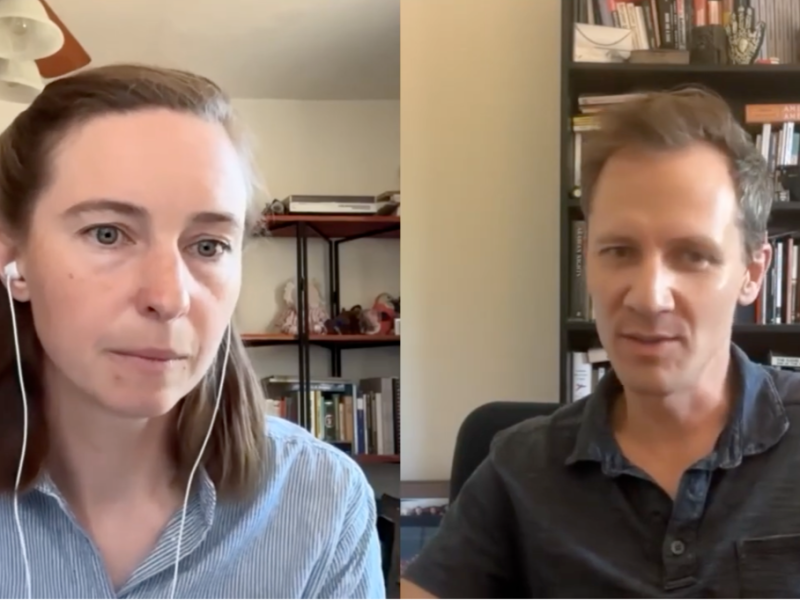
Why Local Pressure is Key to Impacting National Immigration Politics: A podcast with John Washington, author of “How to Close a Camp.”
In February, the country broke an ominous record: over 68,000 people were being held in detention by Immigration and Customs Enforcement, more than ever before.

From Fear to Hope: At a Tucson Summer Camp, Asylum-Seeking Children Find Joy Again
As immigrant families face detention, shrinking legal protections and the threat of deportation, Camp Hope offers children a rare chance to play, heal and dream. One former camper is headed to an opera conservatory in Italy.