
Border Chronicle Weekly Roundup: May 9
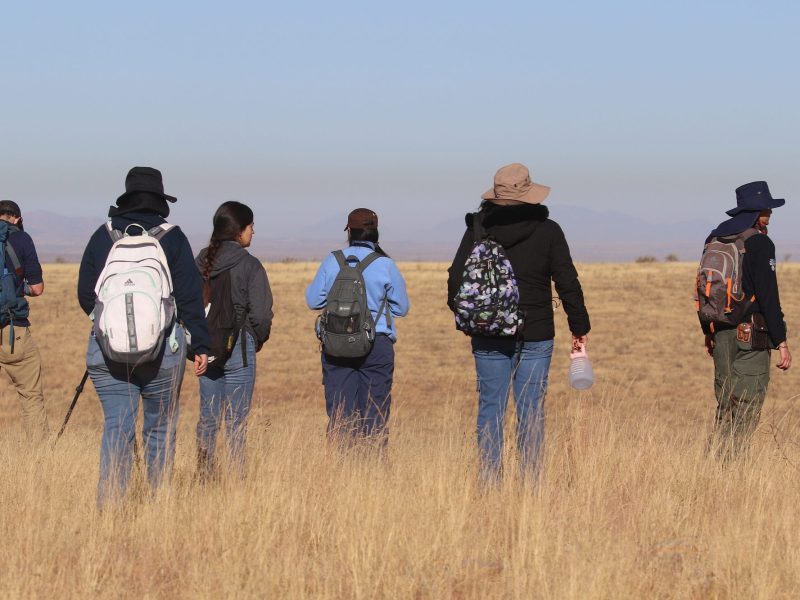
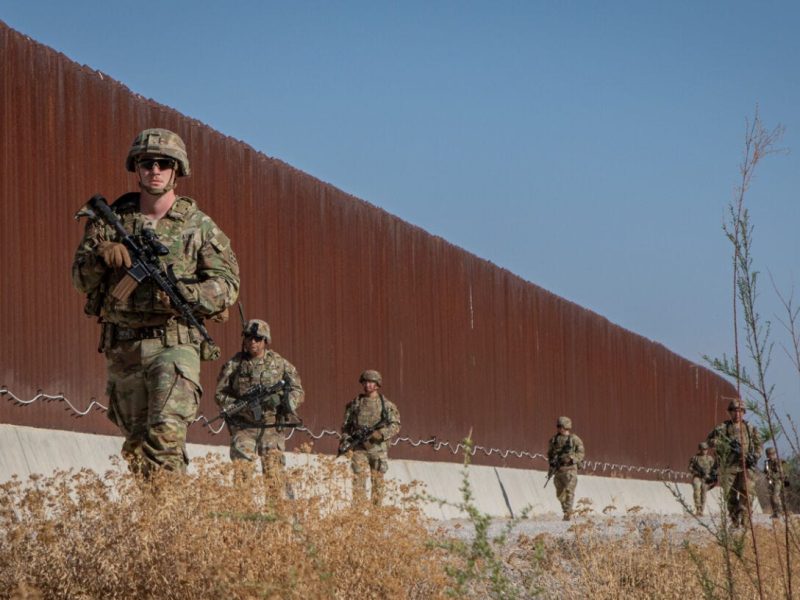
Caroline Tracey on reporting in Sonora on binational bird conservation, Melissa on Trump’s new militarized border zones, and water treaties. Plus, send in your questions for border expert Tim Dunn.
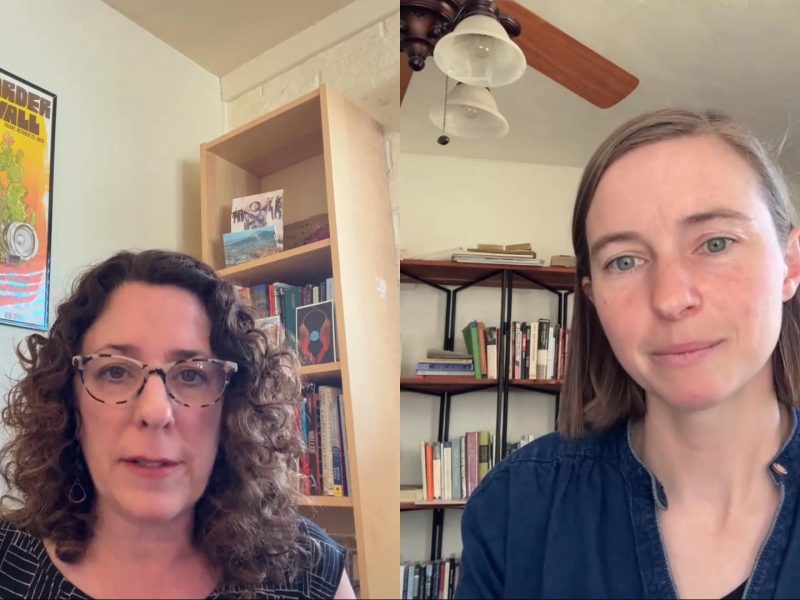
Ask an Expert: Timothy Dunn

In the last month, as reported here at The Border Chronicle, we’ve seen active-duty military deployments and the creation of new militarized “national defense areas” at the southern border. The Trump administration is moving quickly, pushing the military into domestic law enforcement duties, violating federal laws, and acting without the approval of Congress. What should we be concerned about moving forward? And is this unprecedented?
Sociologist Timothy Dunn is one of the top experts on border militarization in the United States. And he will answer those questions, and any others you might have about this rapid militarization happening right now at the border. Dunn’s books include The Militarization of the U.S. Mexico Border 1978-1992: Low Intensity Doctrine Comes Home and Blockading the Border and Human Rights: The El Paso Operation that Remade Immigration Enforcement.
Email questions for Timothy Dunn to theborderchronicle@protonmail.com And he will answer them via video in our weekly roundup on May 30. Don’t forget to put “ask an expert” in the subject line of your email.

This Week in The Border Chronicle:

More News from the Border:
‘No meaningful treatment’: Doctor says San Diego County jails are the worst he’s ever seen: The San Diego Union Tribune
SpaceX workers in South Texas vote yes to create City of Starbase: The Texas Tribune
As Starbase, Texas voted into reality, opponents gather on Boca Chica Beach: MyRGV.com
Outbound inspections back up border traffic at northern border: The Northern Light
Authors

Related Articles
The Border Chronicle Weekly Roundup + Poetry Supplement: September 18
A federal court rules that law enforcement can search cell phones at the border without reasonable cause or a warrant, CBP One and CBP Home are one in the same, and a podcast on our fifth anniversary.
The Border Chronicle Weekly Roundup (+ Poetry!): September 11
How the 9/11 attacks transformed the borderlands, the Tohono O’odham fight back against the border wall, and saving Mexicali’s lagoons, plus poetry!
The Border Chronicle Weekly Roundup: September 4
The Border Chronicle launches its new poetry series today, resistance halts the border wall in Lochiel and Big Bend for now, and the Maasai face climate change, plus immigration policy is maternal health policy.