
Pidiendo Posada: Photos and Reflections From a 2,200 Mile Border Pilgrimage
From Brownsville, Uvalde, and Del Rio to El Paso, New Mexico, and Arizona, a powerful glimpse into this journey for border justice.
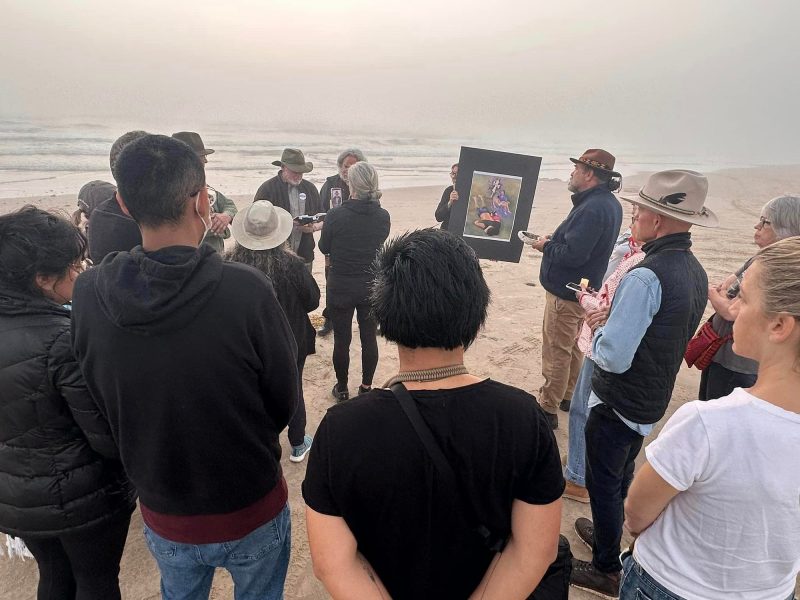
On December 2, the migrant rights group Witness at the Border—along with 40 other organizations—began a 2,200 mile pilgrimage along the US-Mexico border in the spirit of pidiendo posada, a holiday tradition celebrated many places in Latin America in which processions of people reenact how Mary and Joseph asked for lodging and hospitality in Bethlehem. The Border Chronicle asked Witness at the Border to share the significance of this journey, what they have witnessed so far, and what might come of it. They shared with us photos and reflections from people on this pilgrimage that began at Boca Chica Beach near Brownsville, Texas, and will end this weekend in San Diego and San Ysidro, California.
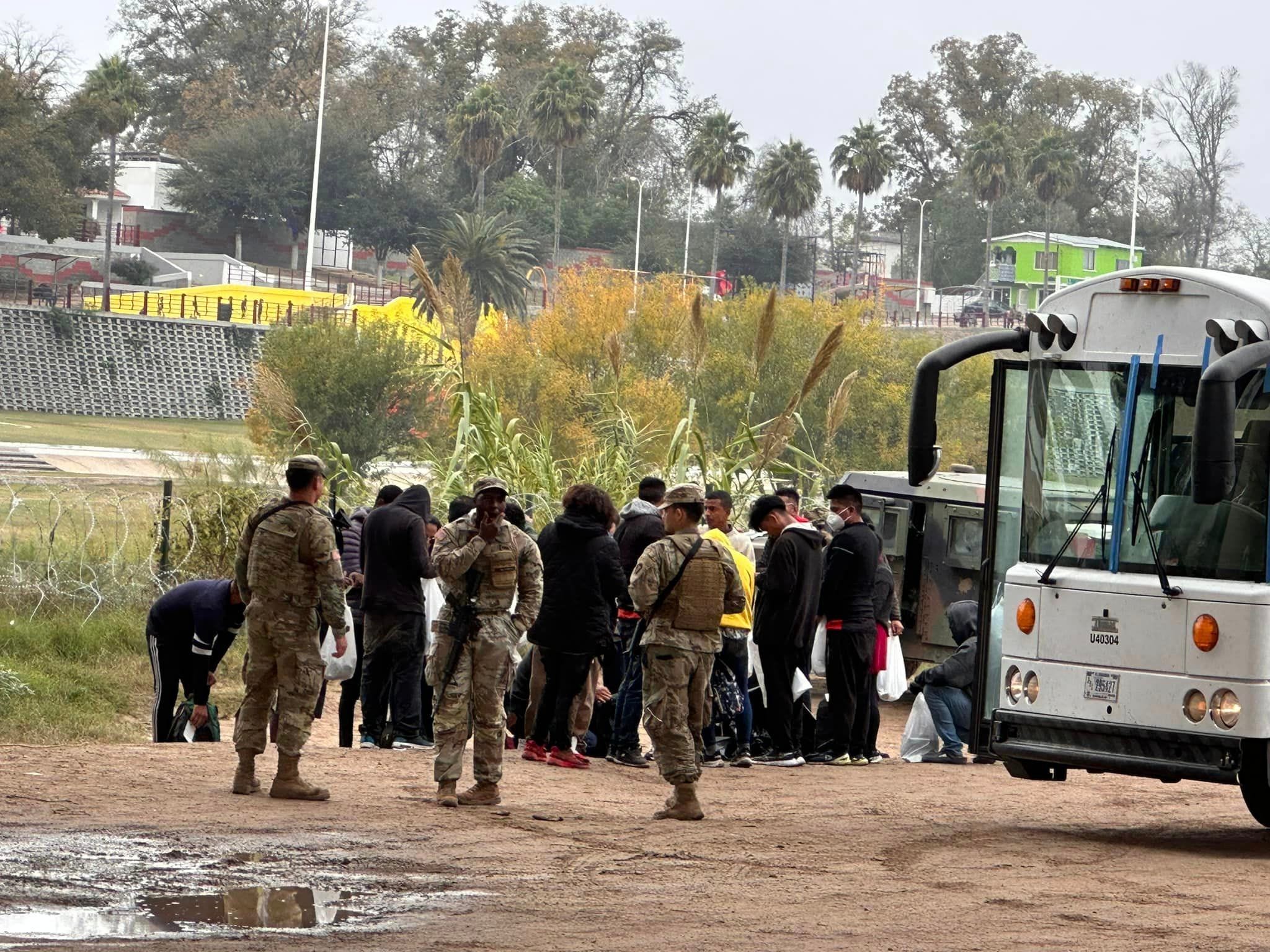
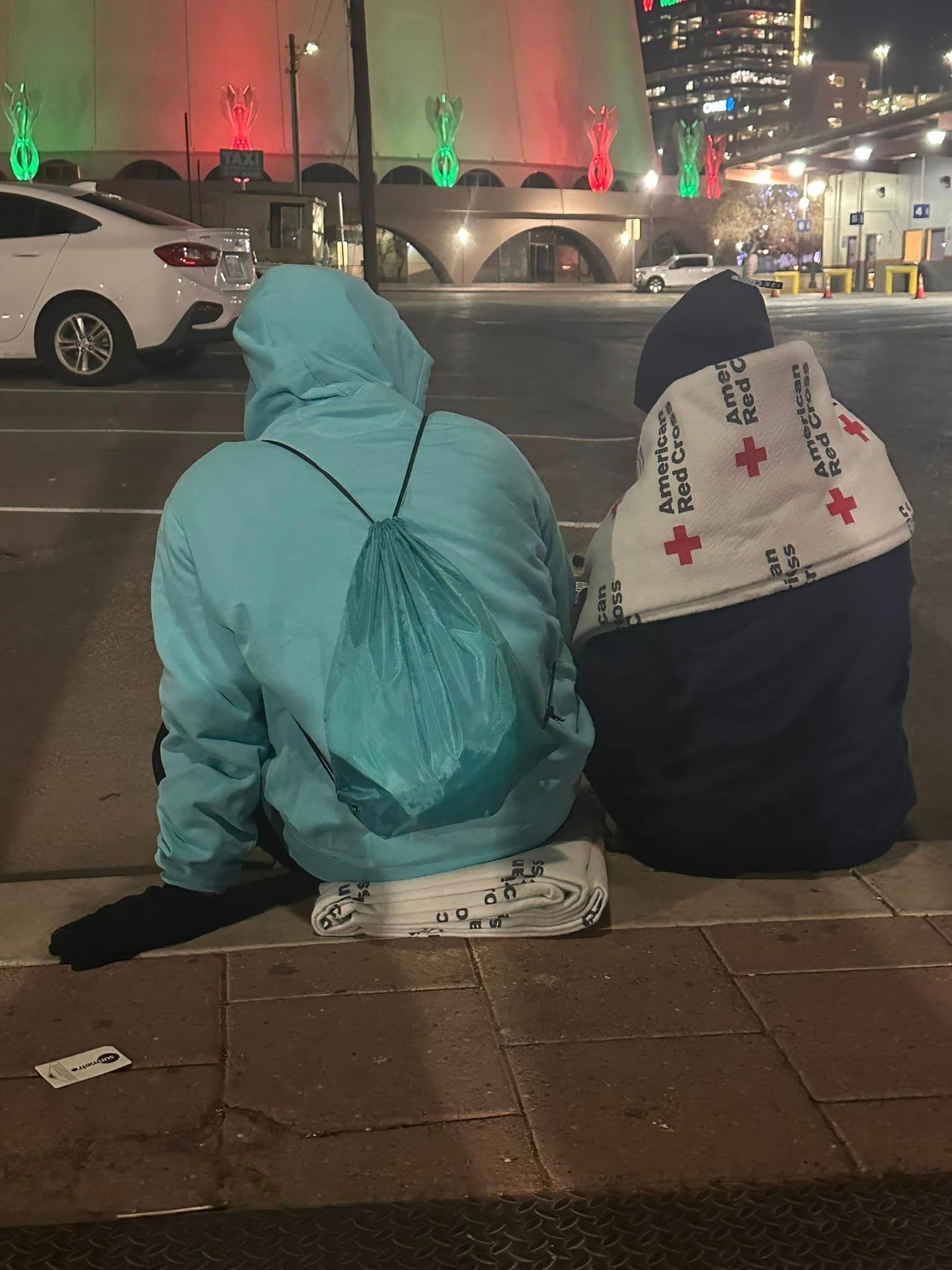
“Here is what we saw today in Matamoros. Maybe a couple of thousand people living on the streets, sitting, standing along the levee. The toilets that had been long fought for now gone. No tents, no tarps. They are not allowed. Mexico determined not to allow a tent town to arise, its policy does not allow any shelter. Deterrence in the extreme. Children chilled in the ever colder nights as winter comes in, people clustering close together just beyond the old settlement grounds. The banks of the river dotted with excrement, diarrhea evident, the medical help that once occupied a tent and trailer now gone.
Venezuelans make up the majority of these new homeless, but there are others. From Haiti. From southern Mexico’s poorest state, Chiapas. Peru. More.
And we stood on the embankment as many took turns telling their stories. The passages through the Darién Gap. The injuries, the infections. The children shivering themselves into respiratory distress. The lack of winter clothes. The long slow walk of bureaucratic confusion that means to convince people to leave. The anguished cries that there is no home to go to. Go home. I have no home.” — Joshua Rubin, founder of Witness at the Border
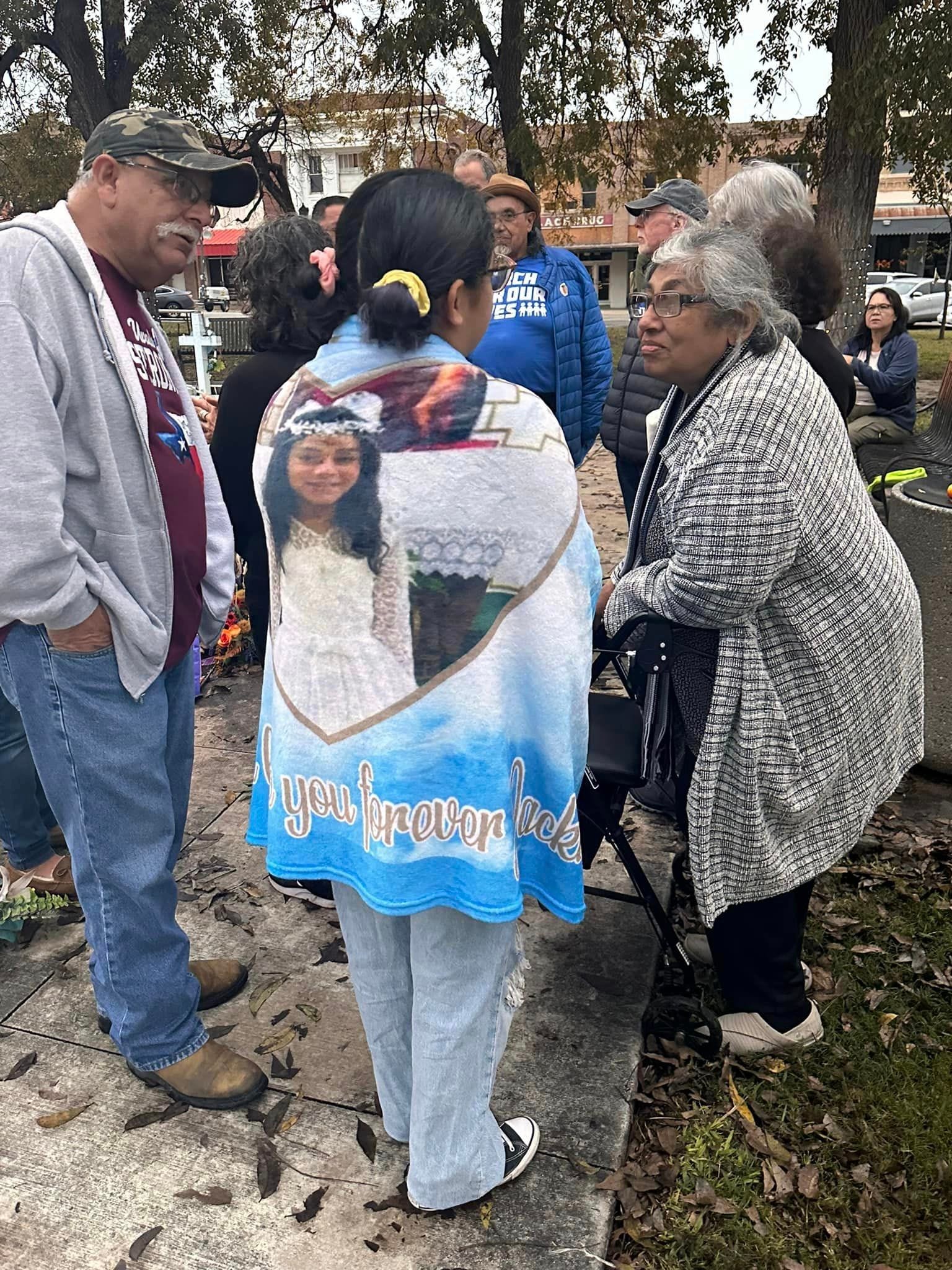
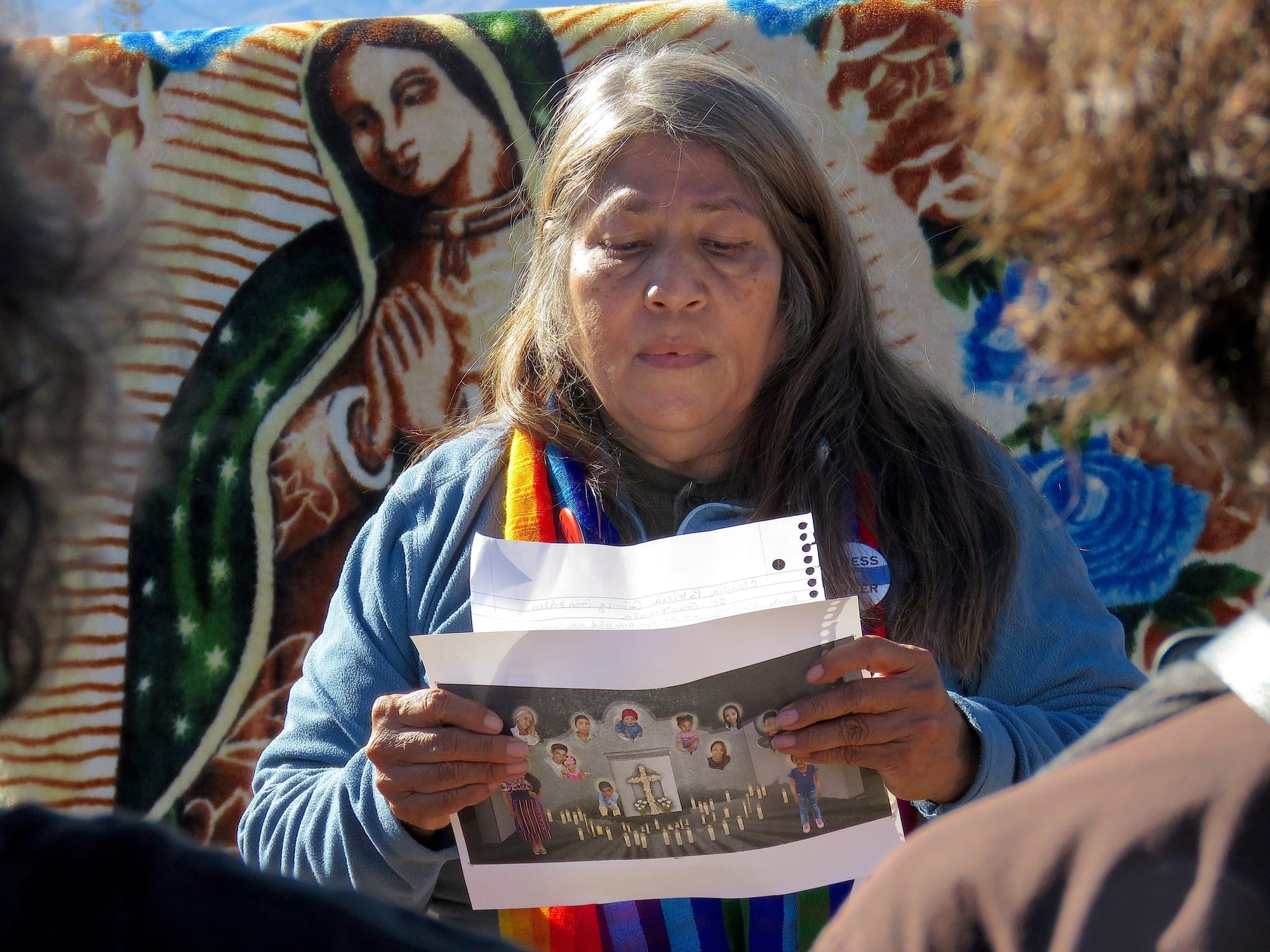
“It’s difficult to share this day we spent in Uvalde on the Journey for Justice. It was a heartbreaking, emotional day visiting the tributes at the school and park.
The photos and faded flowers and momentos reduced me to tears. When will life be valued over the right to own such lethal toys? When will the lives of all children be valued equally?
Several family members bravely spoke of their pain and resolve to change the laws. I know that I can’t come close to imagining their pain. Uvalde has murals, beautiful murals, of each child. To experience the beauty of these children, and understand the loss, is part of these works of art.” — Valerie Carlisle, Witness at the Border
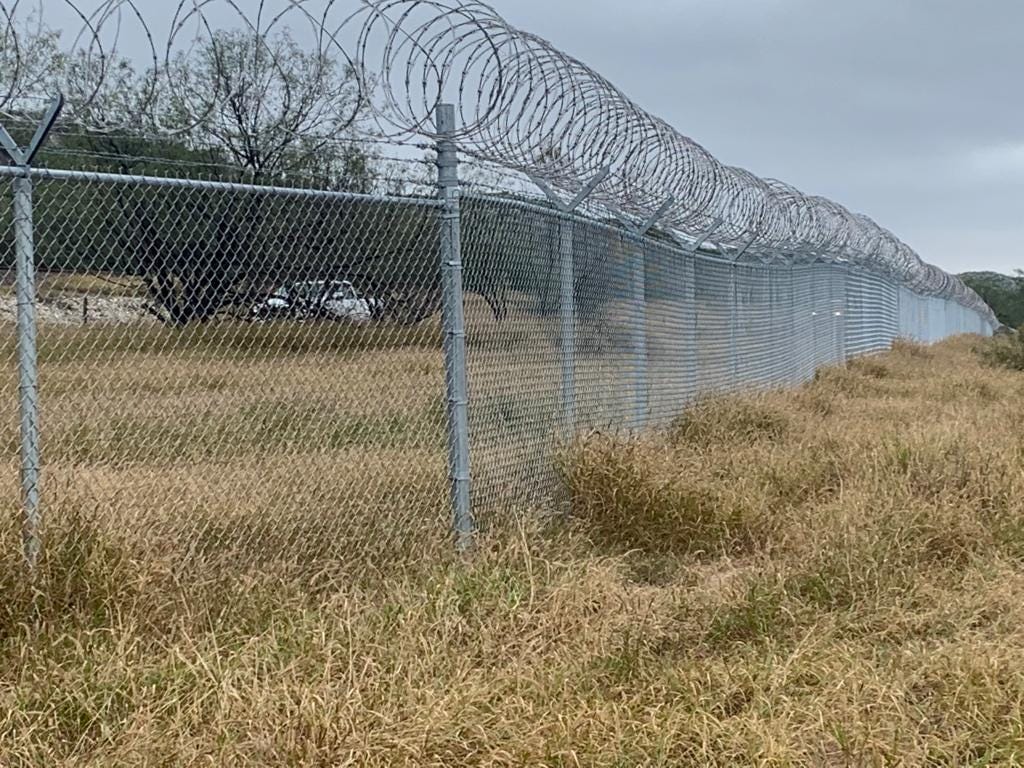
“On the Mexican banks near the shadow of International Bridge 2 in Eagle Pass, Texas, a man contemplates crossing. His shoes and socks are off, and he has waded out into the river and stands on a rock shelf, still much closer to Mexico than to the US side. There is a cast on one wrist and hand, an ace bandage on his elbow. He looks up and down the river.
Closer to the bridge, there are National Guard troops in military camo and personal armor floating in two inflated boats, their automatic weapons slung on their shoulders, four to a boat. On the US side, directly under the bridge, other troops are finishing loading just-crossed migrants onto an unmarked bus, and sent it off, likely toward detention. Directly across from the man there are, in this order, a short steep bank, coils of razor wire, old train cars, a dirt road, a broad golf course, with golfers playing and carts, and beyond, a fence and a tree line. Just out of sight is the town. Unseen also is a street market.
The man tugs at his shirt. Two shirts. He starts to take one off. Stops. Waits. He stoops to dip his arm, the one with the cast, into the the river. At long last, one shirt comes off. But he stands there, looking upriver toward the guard troops. And a moment later he is gone.” — Joshua Rubin
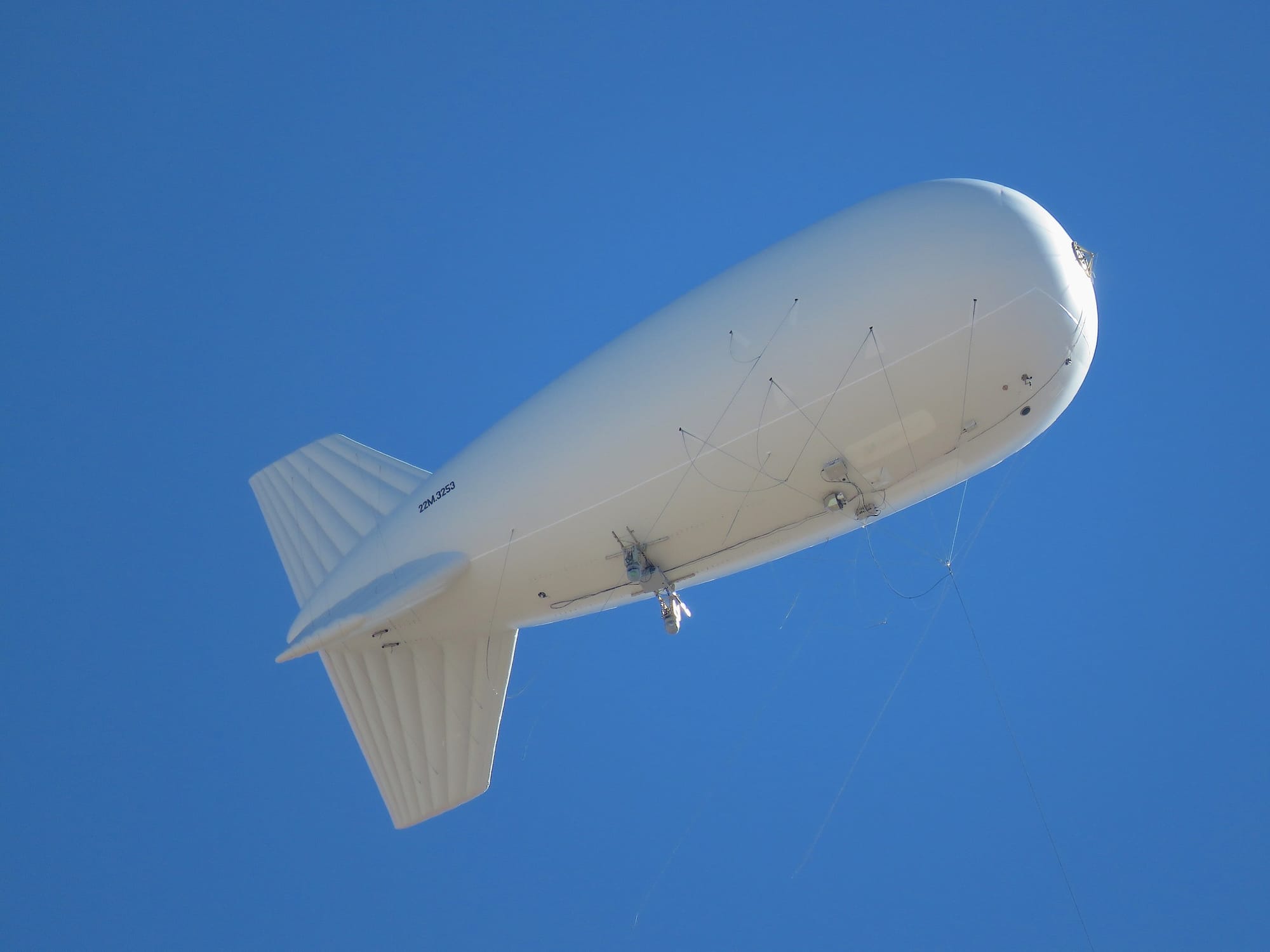
“This pilgrimage for border justice is grounded deeply in the demands of migrant movements and their allies throughout the world for full respect of our rights to asylum, refuge, sanctuary, and recognition of our rights to freedom of movement—which includes the right to migrate and not to be forcibly displaced. This is especially crucial wherever the right to a dignified life has been negated.
This includes contexts such as Venezuela, Cuba, Nicaragua, Haiti, Guatemala, El Salvador, Honduras, Colombia, Ecuador, and Peru, where it is US policies promoting so-called “free trade”, drug wars, and recurrent interventions that have undermined the sustainability of local economies and resulted in ecological devastation and climate change.
This also includes our demand for recognition that it is current migration policies at the US-Mexico border, in Mexico, and throughout the world’s borderlands which have resulted in an unfolding process of migrant genocide, on a global scale. Neo-fascist governments and movements have nourished this through their racism and xenophobia, as reflected in contexts such as El Paso, Uvalde, and San Fernando. Ya basta!! All rights for all—without borders! No human being is illegal.” — Camilo Perez Bustillo, Witness at the Border
The Border Chronicle is a reader-supported publication. To help us become sustainable, please consider becoming a paid subscriber.
Author

Related Articles
Banishing the Elders: How Southern México Has Become Part of the U.S. Deportation Regime
The United States is deporting Cuban seniors by the hundreds to southern México where they have little hope of return.
Introducing the Wall Watch Project and Contractor Database
Explore the companies, contracts, and construction projects reshaping the U.S.–Mexico border—and get ready for a new series of Wall Watch Dispatches.
Before the Wall: The Last Stand at Lochiel
As a double border wall rises through Lochiel, protesters gather to defend the ancient cottonwoods and the San Rafael Valley.