Support Border Journalism. Support Local Journalism.
Become a paid subscriber and help us continue our on-the-ground, in-depth reporting in border communities.
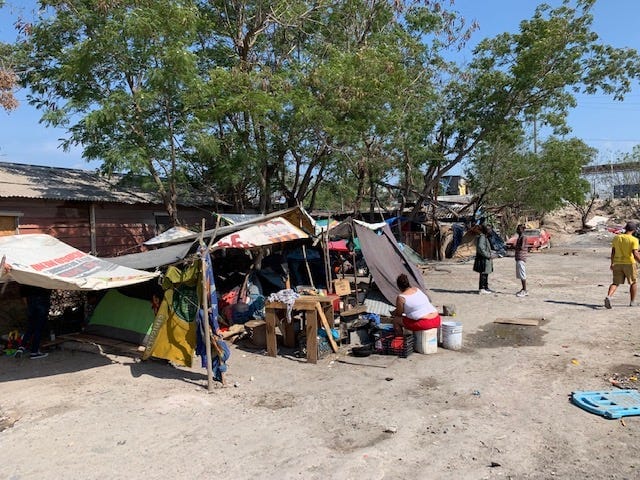
“This is a disaster,” said a Haitian man, with a look of desperation. “There are children, babies and we are living like this,” he pointed to the makeshift encampments and trenches with raw sewage and garbage. “We have been here for five months.”
In the Mexican border city of Reynosa, Tamaulipas, nonprofit organizations estimate there are at least 5,000 Haitians living in squalid conditions with little food to eat, and no way to make a living to feed their families. Their only hope is a severely flawed app issued by the U.S. government, called CBP One, which families are supposed to use to apply for an asylum appointment with U.S. immigration officials.
Even worse, as we reported in early February, the facial recognition technology in the CBP One app doesn’t recognize darker-skinned people. Two weeks after reporting that story, Melissa was in Reynosa following up with the families most affected by this new dystopian twist in U.S. immigration policy —asylum by app—which has left several thousand black immigrants stranded in Mexico. Her follow up story will be coming soon.
In another deeply reported story from the border, Todd wrote last week about how Border Patrol’s BORSTAR unit often doesn’t save migrants in distress, but instead leaves them to die. Arizona border residents learned this firsthand when they were forced to trek into the mountains and save a dying Guatemalan man, after repeatedly requesting help from BORSTAR and other law enforcement and having their requests ignored.
In September 2021, we launched The Border Chronicle to tell you real stories from the border. But the only way we can continue with original, on-the-ground reporting is with your help. This is to say we have more than 5,000 subscribers, but only about 10 percent of those subscribers pay for a subscription.
Currently, we’re well short of generating a sustainable wage to support two working journalists (Todd and Melissa), or enough to pay our reporting expenses. That’s why we’re asking for your help today. Please consider supporting The Border Chronicle for $6 a month or $60 a year. Or even better, support our work with a founding member subscription of $125, which comes with two annual paid subscriptions for friends and family.
I support The Border Chronicle!
In the coming months, we have ambitious plans but we can only do it with your help. Todd will give readers a deep dive into the multi-billion dollar border industry, for example, at this year’s Border Security Expo in El Paso. He’ll also be covering the second youth summit on climate change in Presidio, Texas, and be digging into the huge issue of water scarcity, drought, and climate change on the U.S.-Mexico border. Todd will also continue to give you a global perspective on borders from Oaxaca, Mexico, the Darien Gap, and Greece among other places. Melissa will continue to report on the rise of White supremacy, false border narratives, and the impact of ever-restrictive U.S. immigration policies on the rising number of asylum seekers.
And you’ll also get two podcasts a month, where we speak with border residents and experts about the most pressing issues impacting the region. And for paid subscribers, there’s exclusive access to our discussion forums with experts on critical border issues on everything from “wall sickness” to climate change, and border technology.
We consider The Border Chronicle a community effort both supported by the community, but also with your participation. Please help us grow and continue this effort. We thank you for reading and for your contributions to The Border Chronicle. Thank you again from the bottom of our hearts for your support.
Un abrazo desde Tucson,
Melissa & Todd
Authors

Related Articles
The War Always Comes Home
While menacing Venezuela and Greenland, an “unbound” Trump has unleashed the empire on itself in Minneapolis.
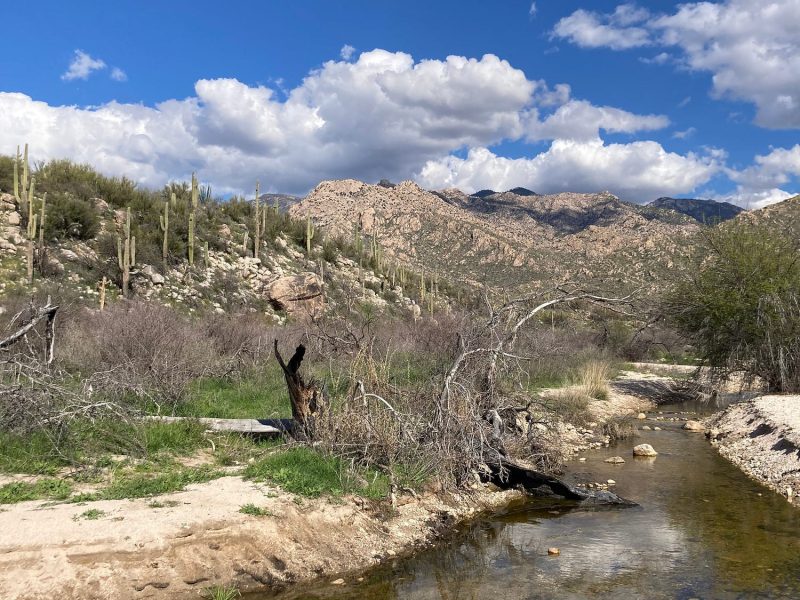
How New Mexico Learned to Love Its Ephemeral Waters
Rollbacks to the Clean Water Act may have affected the borderlands more than any other region. States are stepping up—but there’s still more to do.
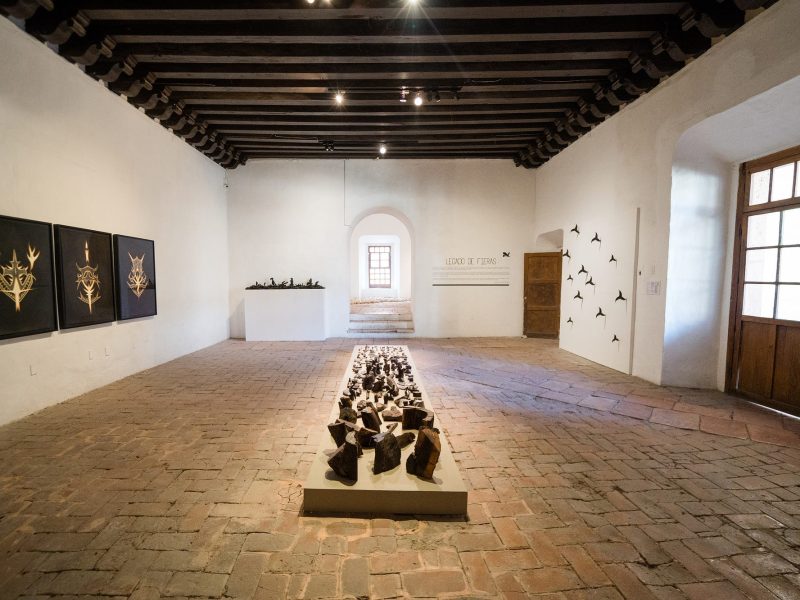
The Nature of Violence
Legado de Fieras, an exhibit by Sonoran artist Miriam Salado, reflects on the natural world and the artifacts of human violence.