The Border Chronicle Weekly Roundup: October 10
Data Centers, Confluences, and some bonus happenings for those in the Tucson area.
Dear readers,
At the border, new wall construction is continuing at a rapid clip, higher-education institutions are being put under pressure to conform to federal government directives, and the White House is touting a decrease in migrant apprehensions as evidence of its border-enforcement strategy’s effectiveness. There’s a lot of ground to cover in our efforts to bring you on-the-ground accounts and thoroughly contextualized analysis of this complicated region.
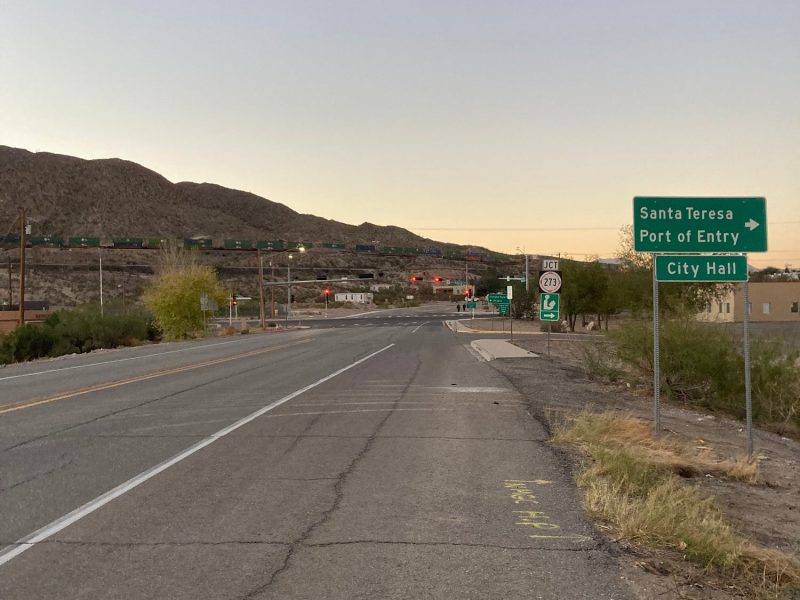
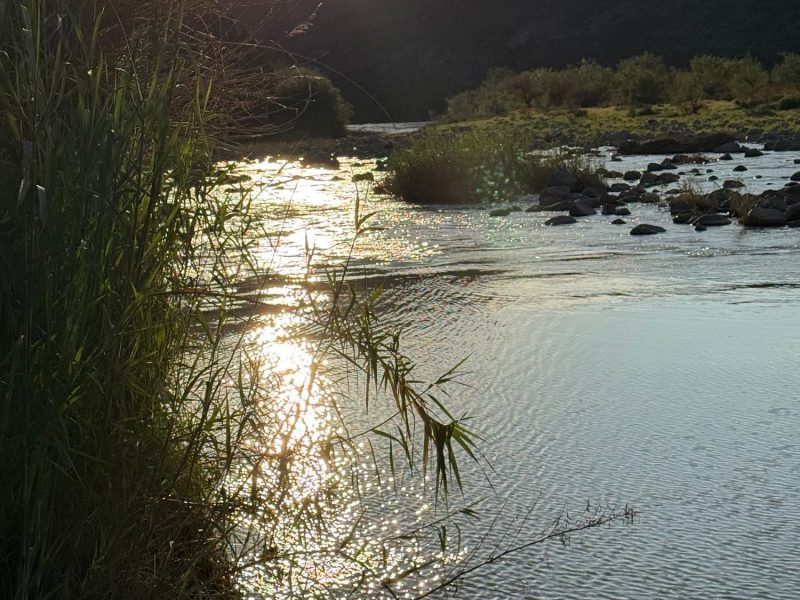
This week, we brought you a dispatch from Doña Ana County, New Mexico, where a $165 Industrial Revenue Bond has just been approved to support a data center that could, if built as planned, be the largest in the country—but is has raised major questions from locals about water and energy use and transparent decision-making. On Thursday, a “Reporter’s Notebook” post brought images of the confluence of the Rio Grande and Río Conchas in Texas.
Melissa and Todd are both out of the country this week, so this is Caroline Tracey, Border Chronicle’s Environment and Arts/Culture reporter. As those of you who attended our 4th birthday party in Tucson a few weeks ago know, I’ll be staying on in 2026! Many thanks to all the subscribers and supporters that have helped Border Chronicle grow and continue its work as it becomes ever more important.
This Week in The Border Chronicle:
Extra! Border-Related Happenings:
For those in the Tucson area, check out the following border-related art events:
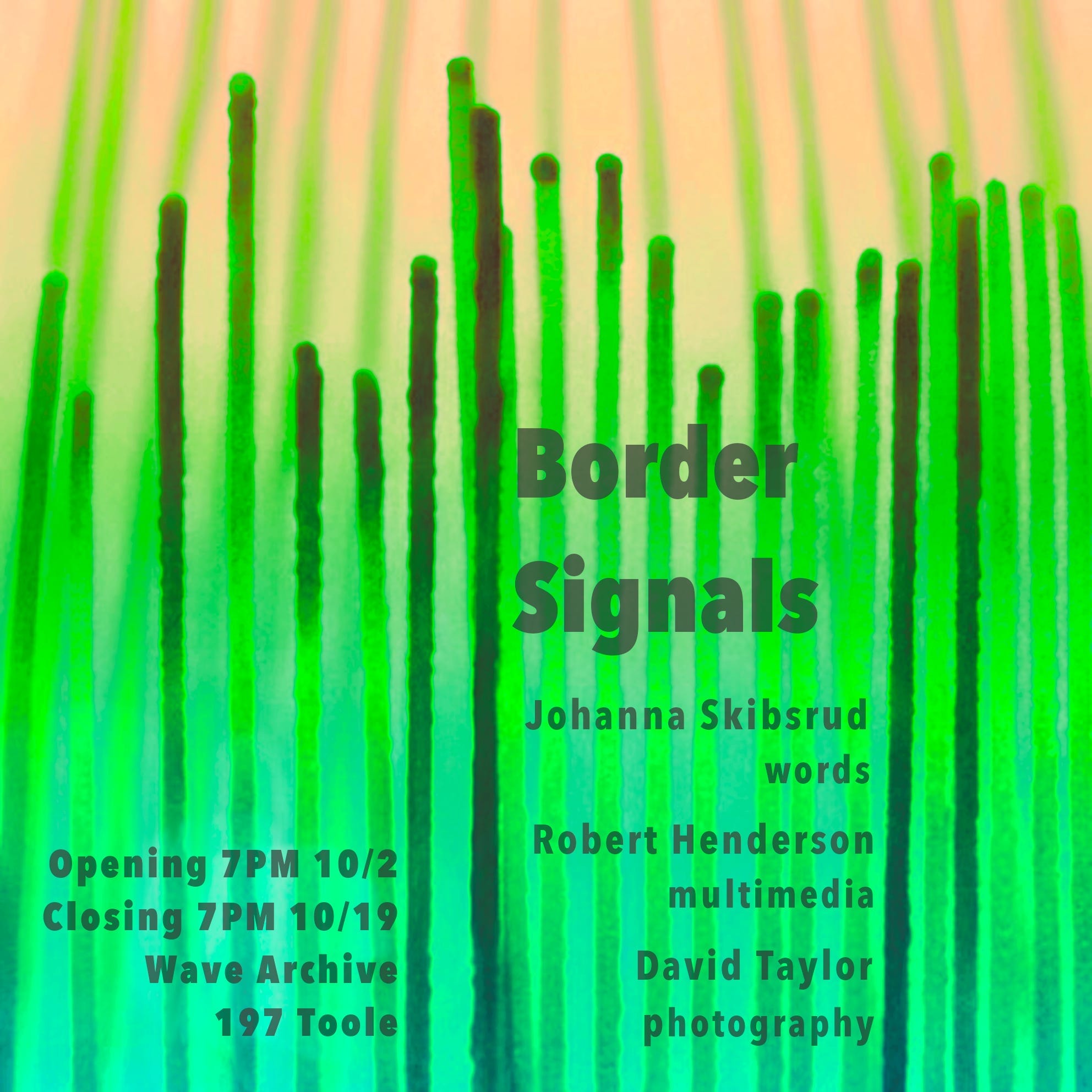
At Wave Archive (197 Toole Ave.), the show Border Signals combines the writing of Johanna Skibsrud, the multimedia art of Robert Henderson, and the photography of David Taylor. Henderson writes:
This series engages in what I call “imaginative countersurveillance”—an expressive way of seeing that aims to bring into comprehension, which is a form of control, the fact that we live in one of the most surveilled regions of the country. The Tucson Sector of the border includes more than 200 miles of fencing, which “is supplemented by a virtual wall of at least 55 Integrated Fixed Towers—120- to 180-foot surveillance systems equipped with infrared cameras and a built-in radar—mobile surveillance trucks, game cameras, motion sensors, and drones (Del Valle 2022).” Tying together this infrastructure are transmission wires, in addition to electromagnetic signals conveying surveillance as well as command and control data.
I carried a recorder throughout my personal 100-minute journey in that audio-installation-cum-poetry-reading. As we were in that space, I imagined our sound and images being recorded and relayed through a surveillance system expanding out from us through the environment. Back in the studio I worked to imaginatively countersurveil that system.
The exhibit will be open Saturday, October 11 from noon-5pm and for its closing event at 7pm on October 19, as well as by appointment.
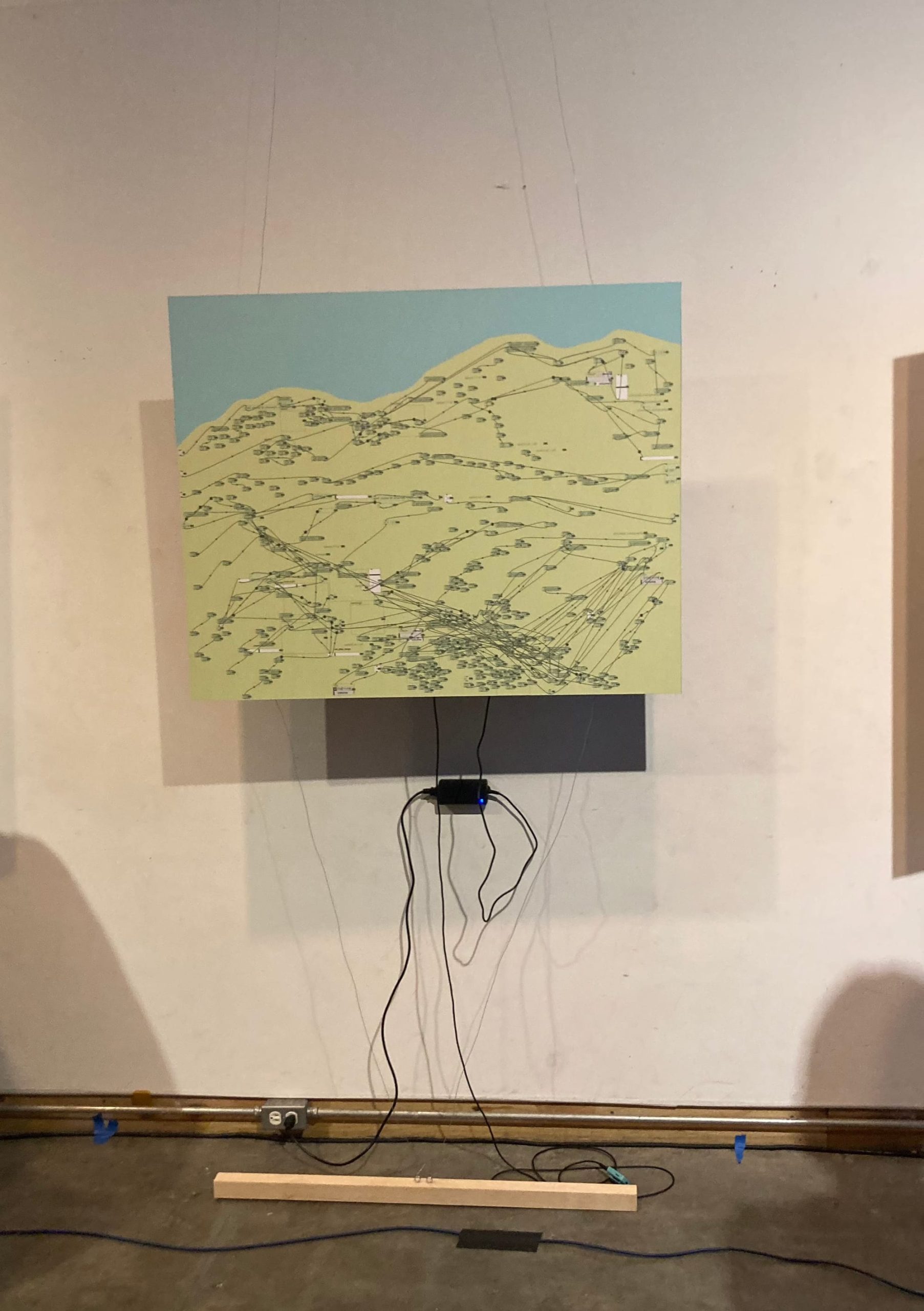
Across the street at The Space, you can trace recent U.S. politics in an unusual format: the doodles of Raúl Grijalva. Raised in Tucson and an early participant in the city’s Chicano Movement activism, Grijalva served as a Congressman representing Southern Arizona from 2003 until his death earlier this year.
¡Grijalva!, curated by Shannon Smith, displays over 175 of Grijalva’s doodles, most on his official House of Representatives letterhead and many annotated with the discussion or event during which they were made. All together, they add up to both a unique artistic practice with a signature style and a chronology of the recent past. The show is open Wednesdays through Saturdays from noon-4 through October 31.
More News on the Border:
Nearly half of FBI agents in major offices reassigned to immigration enforcement The Guardian
Mexico confirms new screwworm case in northern border state Nuevo Leon Reuters
Furloughed USDA inspectors can’t check for New World screwworm Border Report
Trump administration can delay border wall lawsuit during gov’t shutdown [But construction continues] Tucson Sentinel
DHS orders expedited construction on New Mexico border wall Source New Mexico
Border Barrier System Construction – San Diego County, California – September 2025 (Public comments open until October 23!)
Author

Related Articles
The War Always Comes Home
While menacing Venezuela and Greenland, an “unbound” Trump has unleashed the empire on itself in Minneapolis.
How New Mexico Learned to Love Its Ephemeral Waters
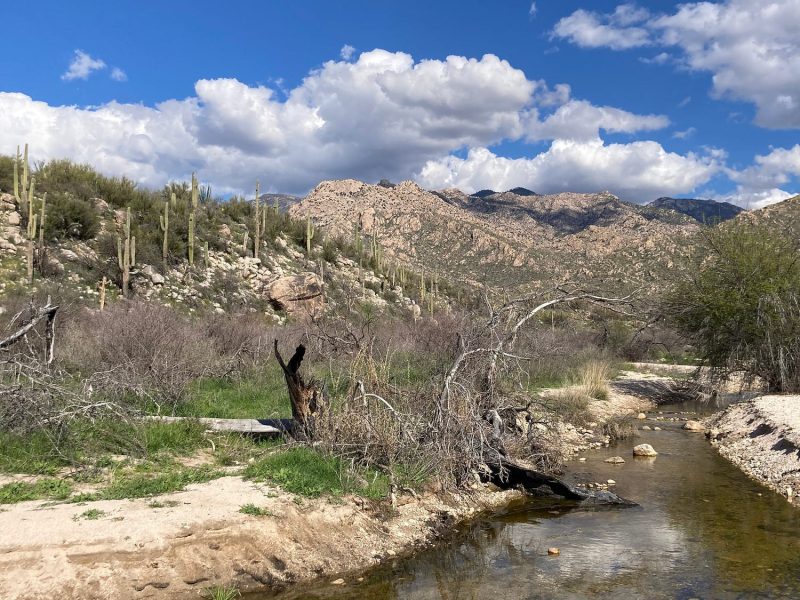
Rollbacks to the Clean Water Act may have affected the borderlands more than any other region. States are stepping up—but there’s still more to do.
The Nature of Violence
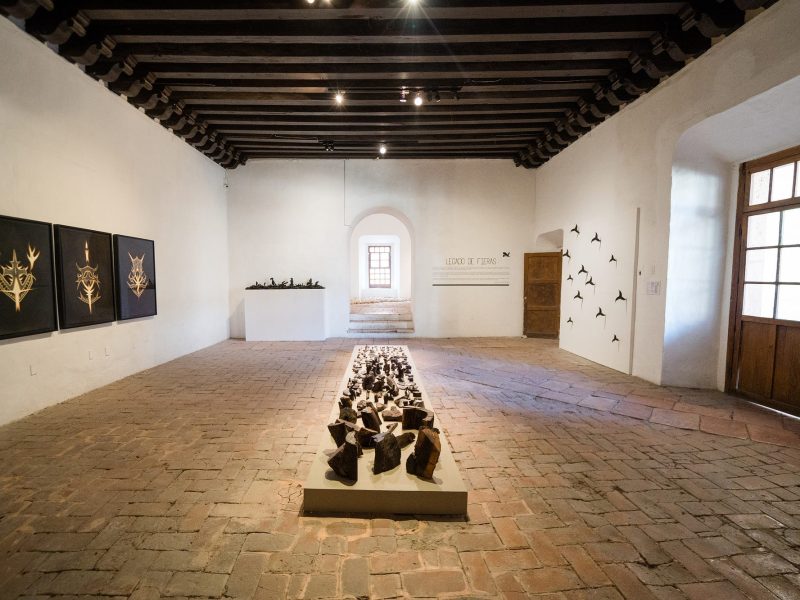
Legado de Fieras, an exhibit by Sonoran artist Miriam Salado, reflects on the natural world and the artifacts of human violence.
