The Border Chronicle Weekly Roundup: November 21

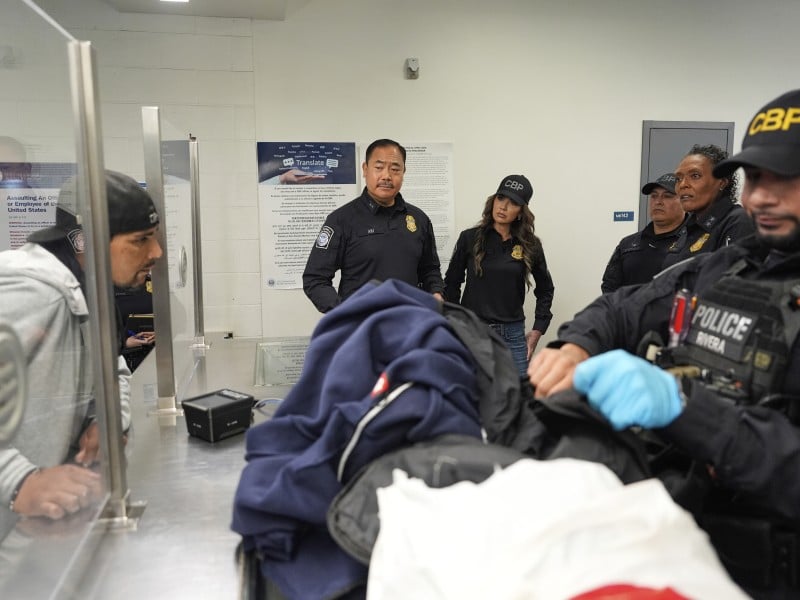
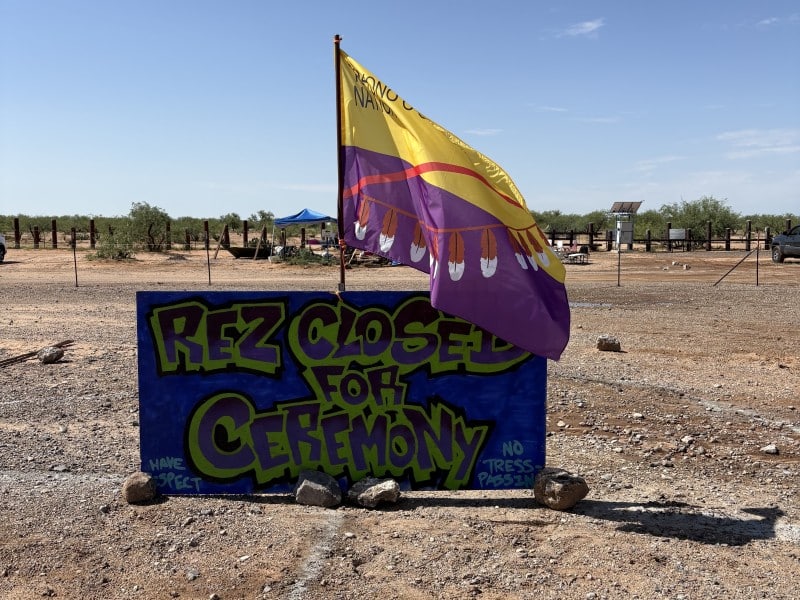
Illegal boat strikes are part of Trump’s plan to militarize domestic policy, and a new exhibition in Tucson commemorates community resistance to the borderlands’ military-industrial complex
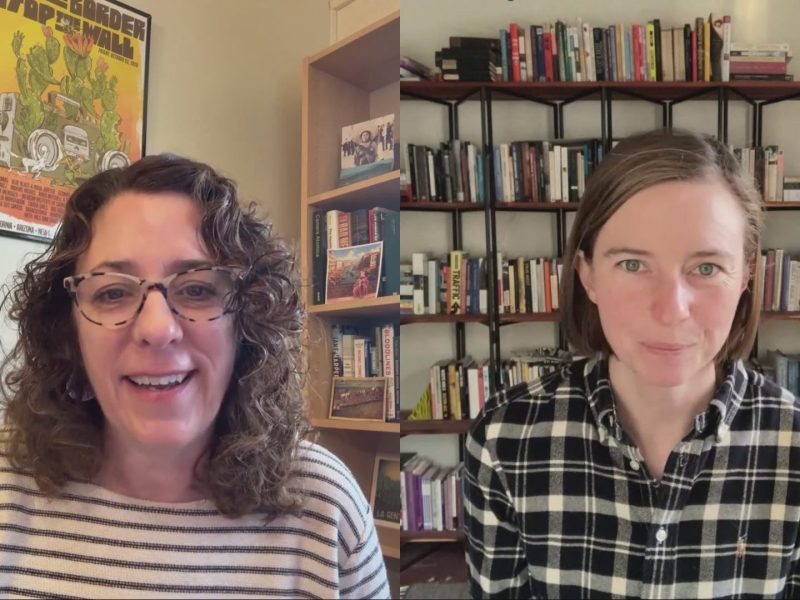
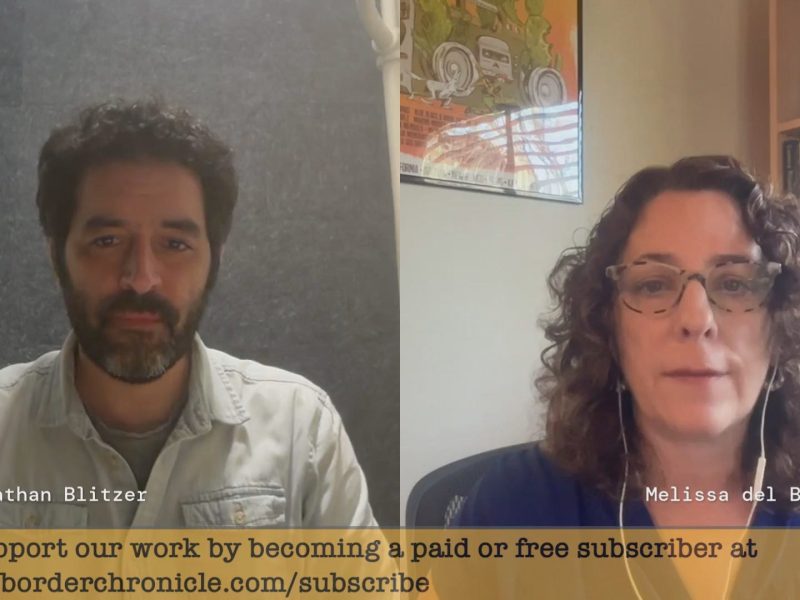
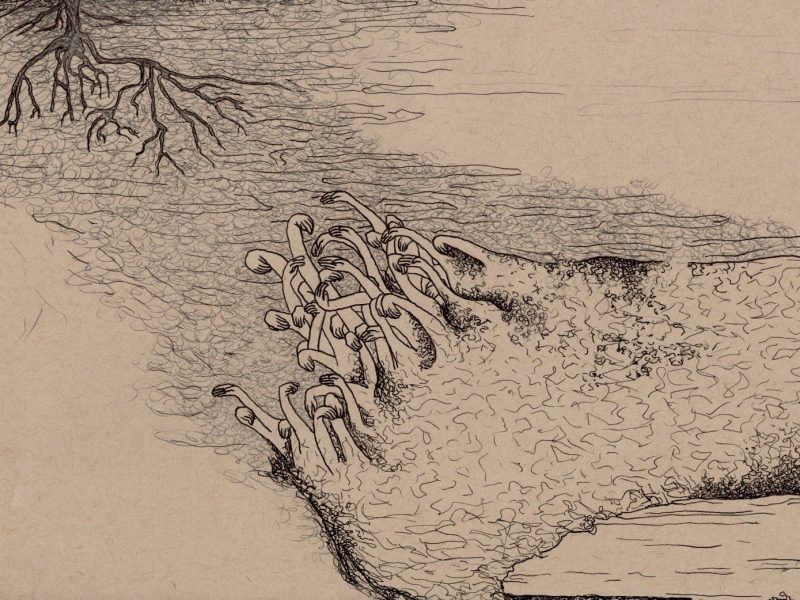
This Week in The Border Chronicle:
More News from the Border:

A Theology of Smuggling Places Journal

In the early 1980s, in Tucson, activists and religious leaders joined forces to protect refugees at the U.S.-Mexico border. Their collaboration galvanized the Sanctuary Movement.

A drying-up Rio Grande basin threatens water security on both sides of the border Associated Press

RGISC warns border wall plan could disrupt Laredo’s river culture Laredo Morning Times

US and Mexican residents rally against border wall construction in Arizona Caló News

Border Patrol is monitoring US drivers and detaining those with ‘suspicious’ travel patterns Associated Press

The FBI spied on a Signal group chat of immigration activists, records reveal The Guardian

Nogales, Sonora, dismantles migrant camps at sports complex Tucson Sentinel

Authors
Caroline Tracey covers the environment and arts and culture for The Border Chronicle. She is the author of the book Salt Lakes: An Unnatural History, a blend of environmental reportage and memoir published in March 2026 by W.W. Norton.

Outside of The Border Chronicle, Caroline’s reporting about the US Southwest, Mexico, and the borderlands has appeared in the New Yorker, n+1, New York Review of Books, High Country News, as well as in Spanish in Mexico’s Nexos. Her literary and art criticism appears in the Nation, the New Republic, and elsewhere, and has been commissioned by SFMOMA and the National Gallery of Art.

Caroline’s work has received a Fulbright fellowship, the Waterston Prize for Desert Writing, the Ira A. Lipman Fellowship in Journalism and Human and Civil Rights, a Silvers Foundation Work-in-Progress grant, and an Andy Warhol Foundation Arts Writers Grant, among other honors. In 2025 she received the inaugural On the Brinck | Places Prize for writing about the Southwest and in 2026 she received a State of the Art prize from Creative Capital. She holds a doctorate in geography from the University of California, Berkeley.

Outside of work, Caroline likes to spend her time reading, swimming, and walking her dog, Sandro.

Melissa del Bosque is Co-founder and Executive Director of The Border Chronicle. Melissa has written about the U.S.-Mexico border since 1998 for various media outlets, including ProPublica, The New Yorker, The Guardian, The Texas Observer, and The Intercept.

Her work has been recognized with numerous U.S. and international journalism awards, including a Gabo Award and the Internacional Rey de España de Periodismo award, as the U.S.-Mexico investigations editor for Lighthouse Reports. In 2020, del Bosque received the RFK Human Rights Journalism Award as part of a ProPublica group reporting project “Inside the Border Patrol.” In 2016, she received the Hillman Prize for her investigative feature “Death on Sevenmile Road” about the militarization of the U.S.-Mexico border. In 2015, del Bosque’s four-part series with The Guardian on migrant deaths in South Texas won an Emmy and a National Magazine Award. 

Del Bosque is also the author of Bloodlines: The True Story of a Drug Cartel, the FBI and the Battle for a Horse-Racing Dynasty. She has a Master’s in Journalism from the University of Texas at Austin, a Master’s in Public Health from the Texas A&M School of Rural Public Health, and a Bachelor’s in poetry and Creative Writing from San Francisco State University.

In her spare time, Melissa loves to travel, spend time with her family, and explore the Sonoran Desert.

Join us for our 5 Year Anniversary Party October 22nd  →

Close the CTA