The Longer Story of the Border Patrol Killing of a Tohono O’odham Man: A Podcast with Amy Juan
The Tohono O’odham leader and thinker describes the May 18 killing of Raymond Mattia and the long context of border militarization that led to it.
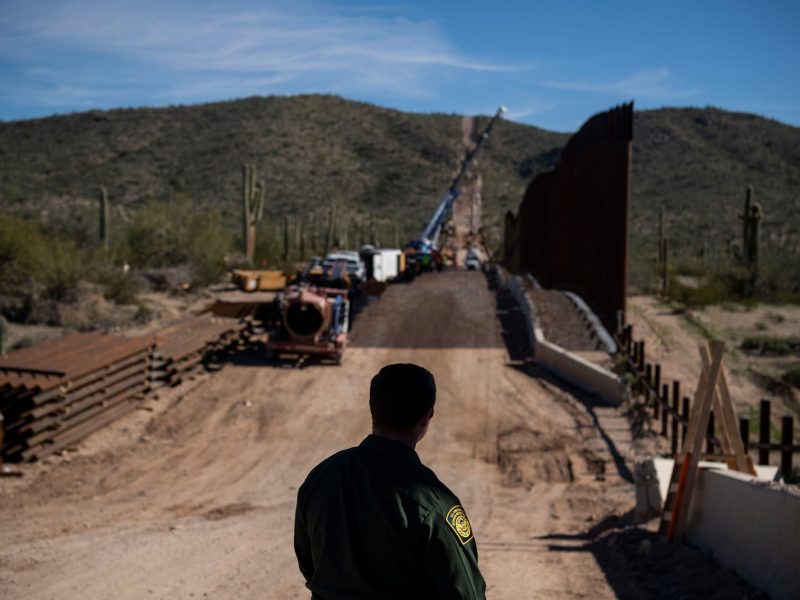
On May 18, Raymond Mattia stepped out of his house after he saw the U.S. Border Patrol arrive. He lived in the small community of Ali Chuk (also known as Menagers Dam), located about one mile from the U.S.-Mexico international boundary on the Tohono O’odham Nation in southern Arizona. Mattia had called the Border Patrol a few hours earlier to report people moving through his land. He was about two feet from his front door, witnesses said, when agents fired, hitting him 38 times.
Tohono O’odham leader and thinker Amy Juan joins us today to discuss what happened from an on-the-ground perspective, drawing from the testimony of Ali Chuk’s community members. She also explains the context of the incident, in what she calls “one the most militarized communities” on the Nation, where the Border Patrol has been increasing its presence for decades.
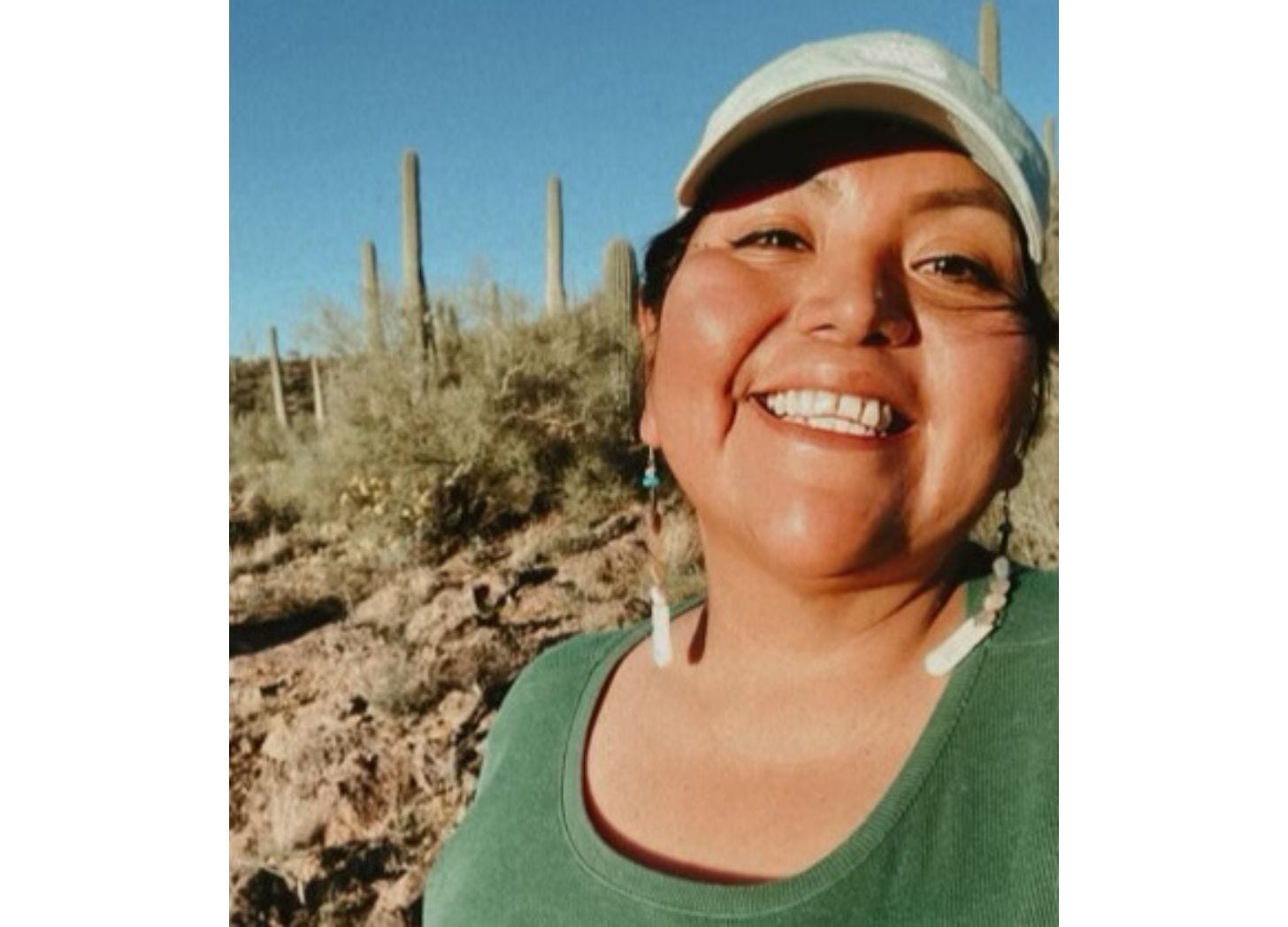
Amy has been one of my go-to people on border issues for more than decade. I met her after she helped found the organization Tohono O’odham Hemajkam Rights Network to raise awareness about and take action on the Border Patrol’s militarization of her community. Now she is the administrative manager at the San Xavier Cooperative Farm and the tribal and community liaison in Arizona for the International Indian Treaty Council, where she focuses on border issues, among other things. To note, Amy was also the guest for The Border Chronicle’s first ever podcast in September 2021.
Author

Related Articles
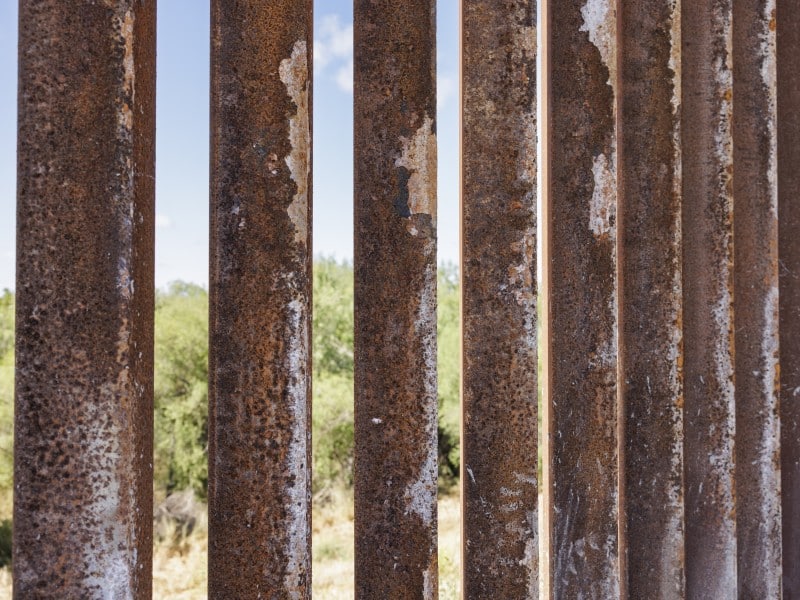
American Rust: The $1.1 Billion Border Wall Built with Salvaged Materials and Few Answers
A newly constructed wall built with old, salvaged material in South Texas is probably illegal; it’s also costing twice as much as previous walls. What are taxpayers paying for, exactly?
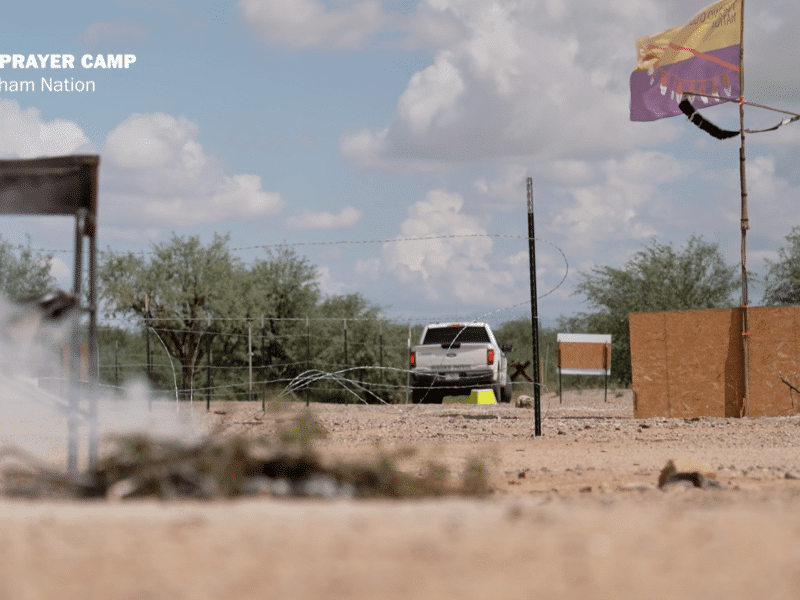
“We See No Border”: The Tohono O’odham Fight Against the Border Wall
The irreparable harm that has already been done, says tribal chairman Verlon Jose, you can feel it, hear it, in the people.
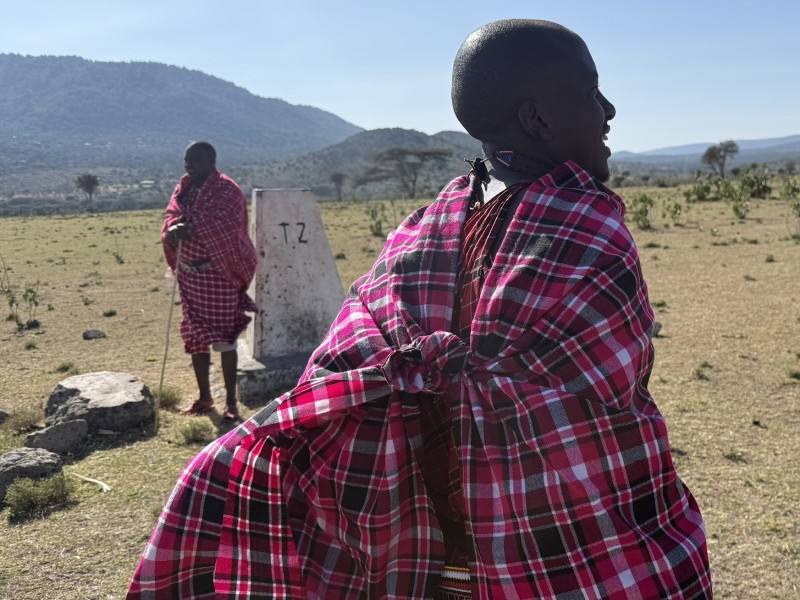
Swarm Intelligence: A Reporter’s Notebook on the Freedom of Movement in the Maasai Borderlands
Could solutions to climate woes such as drought be found in the freedom of mobility? This on-the-ground report from the Kenya-Tanzania border examines that question and more.
