What Is Texas’s Operation Lone Star, and What Happens If Trump Makes It a National Model? A Podcast with Texas Civil Rights Advocate Bob Libal
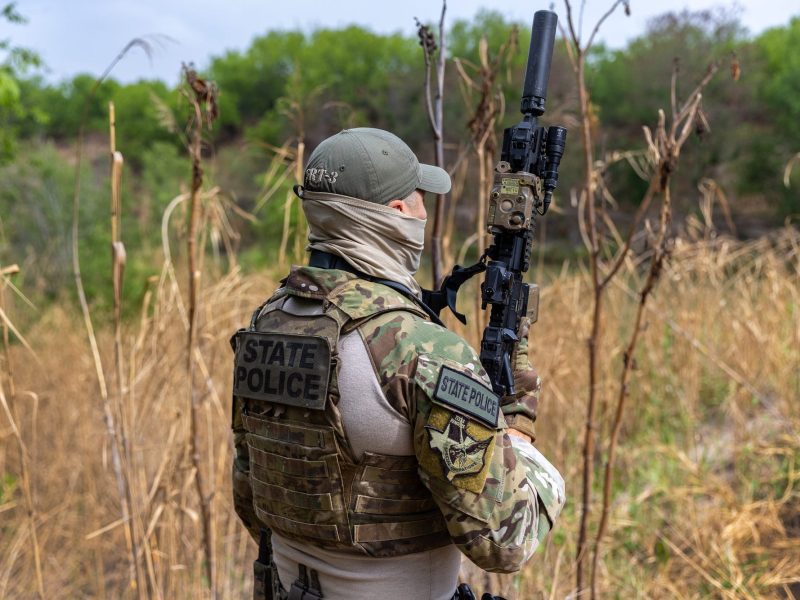
In 2021 Texas governor Greg Abbott created Operation Lone Star, a state-funded system for immigration enforcement and detention. At a cost of more than $11 billion, the system has deployed thousands of National Guard soldiers and state police to the Texas-Mexico border. These deployments have become the backdrop for the MAGA movement’s “invasion” messaging, and they helped Trump regain the White House. Now Trump is saying he will make Operation Lone Star a model for his national immigration policy.
In 2021 Texas governor Greg Abbott created Operation Lone Star, a state-funded system for immigration enforcement and detention. At a cost of more than $11 billion, the system has deployed thousands of National Guard soldiers and state police to the Texas-Mexico border. These deployments have become the backdrop for the MAGA movement’s “invasion” messaging, and they helped Trump regain the White House. Now Trump is saying he will make Operation Lone Star a model for his national immigration policy.
Texas-based civil rights advocate Bob Libal, an U.S. consultant for the international nonprofit Human Rights Watch, has been monitoring Operation Lone Star since it began. In this podcast, Libal explains in depth what Operation Lone Star is and its many impacts on Texas and its border communities. “Every aspect of this program is utilized for maximum publicity and to gin up anti-immigrant sentiment that is increasingly radical,” Libal says. He also talks about the incredible resiliency of border communities and how they have fought back against the threats to their civil and human rights. “I think the rest of the country can learn from Texas border communities,” Libal says.
Author
Related Articles
Wall Watch: Mapping Trump’s $46 Billion Border Mega-Project
In this week’s podcast, Melissa del Bosque and Geographer Dugan Meyer explain how the Border Chronicle’s new project, Wall Watch, helps residents document and understand the massive construction project underway at the U.S.-Mexico border.
Protecting the Last Grandmother Cottonwood: A Podcast with Kate Scott
A vivid depiction of what has been happening during the last eight weeks of resistance against border wall construction in southern Arizona’s San Rafael Valley.
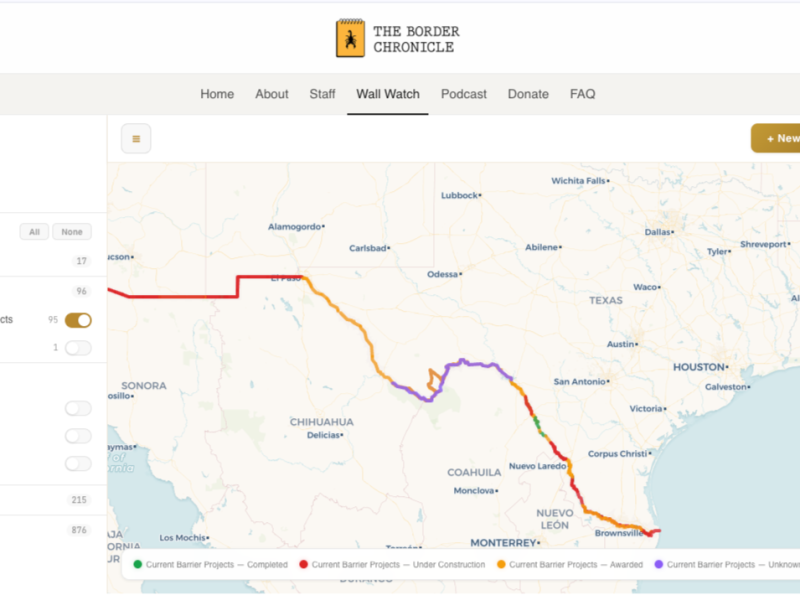
The Border Chronicle Launches Wall Watch, a Community-Powered Mapping Project
Wall Watch combines geospatial mapping, archival research, and community participation to provide the public with an accurate, continually updated record of border wall construction along nearly 2,000 miles of the international border.