How New Mexico Learned to Love Its Ephemeral Waters
Rollbacks to the Clean Water Act may have affected the borderlands more than any other region. States are stepping up—but there’s still more to do.
"Climate change will be the first time we realize that nation states can't solve this problem by themselves."

In the 1980s as civil wars raged in Central America, spurred on by U.S. government intervention, thousands of Central American refugees fled persecution and political violence, arriving at the U.S.-Mexico border. Instead of being granted political asylum, Central Americans were held in U.S. detention facilities then deported. Many to their deaths.
To save lives, the Reverend John Fife helped found the sanctuary movement, modeled after the 19th century Underground Railroad which ferried escaped slaves to freedom. Fife’s church, Southside Presbyterian in Tucson, was the first in the United States to give refuge to refugees from El Salvador. From that small church in Tucson grew an international sanctuary movement.
In 1985, the U.S. government indicted Fife and 10 others for violating U.S. immigration laws. Fife was deemed guilty and received five years’ probation. After the civil wars ended, and as migrant deaths began to mount in the Sonoran Desert, due to the U.S. policy of prevention through deterrence, Fife helped found the nonprofit No More Deaths which provides food, water, and aid to people migrating through the desert.
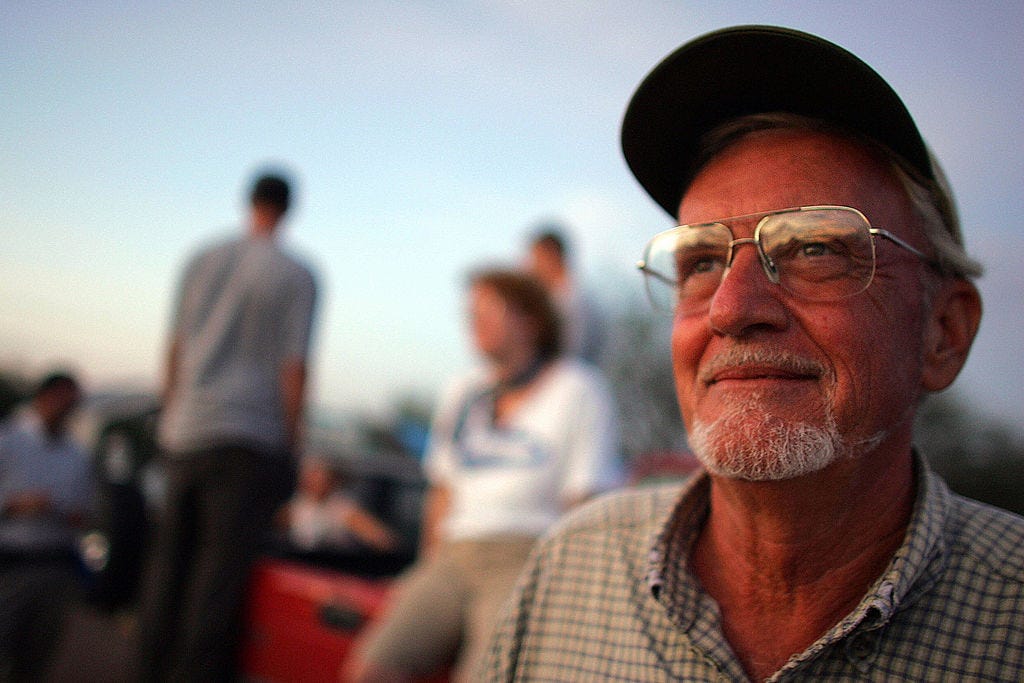
Now 83, Fife is pastor emeritus at Southside Presbyterian and still very much involved in humanitarian work in the borderlands. In this interview, Fife talks about how the sanctuary movement formed, the future of immigration policy and humanitarian work, and the long arc of history when it comes to acts of resistance and faith to create social change.
*A very special thanks to Ana Adlerstein for helping me record this interview with Rev. Fife at Southside Presbyterian and to Lilly Clark, our audio editor.
Independent news, culture and context from the U.S.-Mexico border.