Author

Todd Miller

Todd Miller is Editor-in-Chief and co-founder of The Border Chronicle. He is the author of four books that examine border militarization and its externalization, surveillance technology and industry, climate change, and the search for alternatives. His books include Build Bridges, Not Walls: A Journey to a World Without Borders (City Lights, 2021) Empire of Borders: The Expansion of the U.S. Border Around the World (Verso, 2019),  Storming the Wall: Climate Change, Migration, and Homeland Security (City Lights, 2017), and Border Patrol Nation: Dispatches from the Front Lines of Homeland Security (City Lights, 2014).

Todd’s forthcoming book is a deep examination of water as a border issue in an age of climate-induced heat waves and drought. It will be published by Seven Stories Press in 2027.

Besides The Border Chronicle, articles by Todd have appeared in the New York Times, The Nation, San Francisco Chronicle, In These Times, Guernica, TomDispatch, and Al Jazeera English, among other places. He has also authored and co-authored reports on border surveillance, the border industrial complex, and climate change for the Amsterdam-based Transnational Institute, where he is a fellow.

Todd’s book Storming the Wall received the Izzy Award in 2018 for “path-breaking and in-depth reporting.” He also received first place in “Community immigration reporting” by the Arizona Press Club in 2013. Todd has a bachelor’s degree in Latin American Studies and Journalism from Prescott College, where he is also an adjunct professor.

In his spare time, Todd likes to travel, read, philosophize, and hang out with his two kids—whether it be going to a dance recital or being a basketball coach.

Todd's Latest Articles

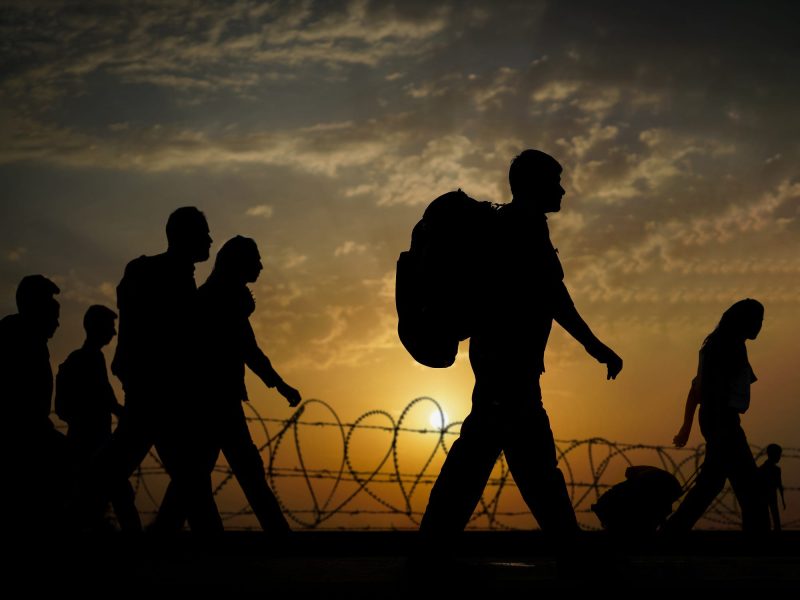
“The American Homeland Is the Planet”: How the U.S. Exports Its Border to Ukraine

Since 9/11 the United States has expanded its southwestern border enforcement abroad. Yes, even to Ukraine.
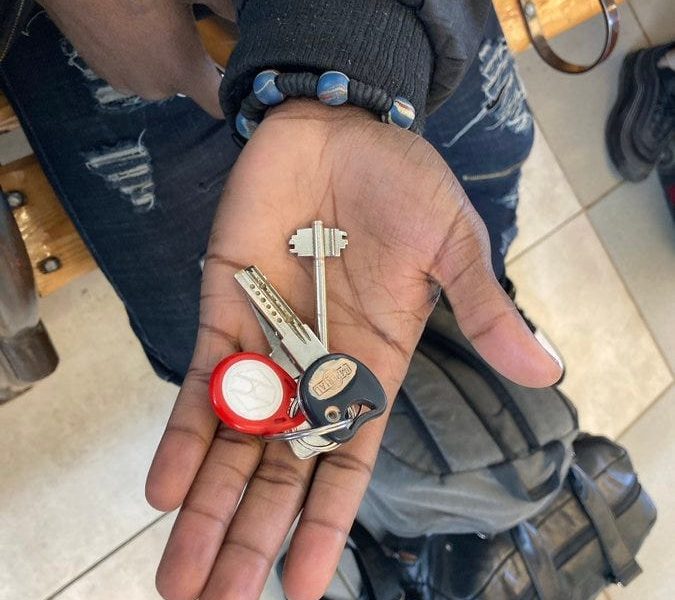
Reporter’s Notebook: This Year’s Border Security Expo in San Antonio Was the Biggest Ever: “Why Would You Even Want a Solution?”

Robo-dogs, ghost drones, Palmer Luckey, and protestors outside, plus other observations from my week at the Border Security Expo in Texas
Cruelty as Border Policy: The Biden Administration Keeps in Place CBP’s “Consequence Delivery System”

Biden is maintaining long-standing deterrence policies that systematically create suffering for migrant families, according to new CBP documents obtained by the National Immigrant Justice Center
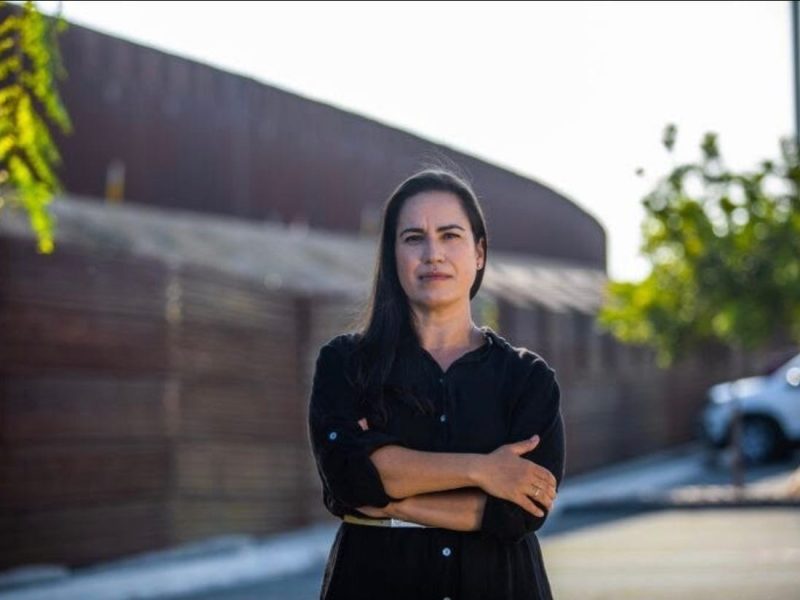
On the Border Watch List: A Podcast Interview with Erika Pinheiro on the Chilling Impact of Surveillance

Al Otro Lado’s Tijuana-based litigation and policy director examines the border, past, present, and future, through the lens of the invasive and futuristic surveillance apparatus that is already here.
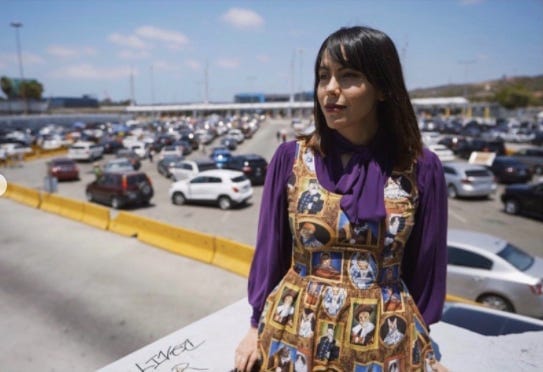
The Everyday Mistreatment of Transfronterizo Commuters on the Mexico-U.S. Border: A Q&A with Borderlands Scholar Estefanía Castañeda Pérez

Crossing the border everyday brings the normalization of surveillance and interrogation, but what happens if you refuse to comply with the CBP facial recognition camera?
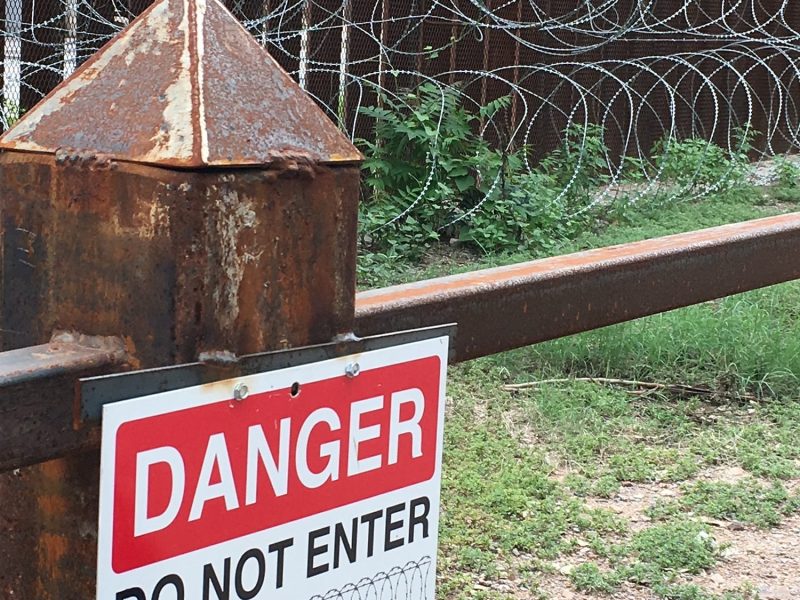
It’s Time to Retire the Term “Border Security”

Not only is it a lie, it also prevents us from imagining an alternative for a better world for all people
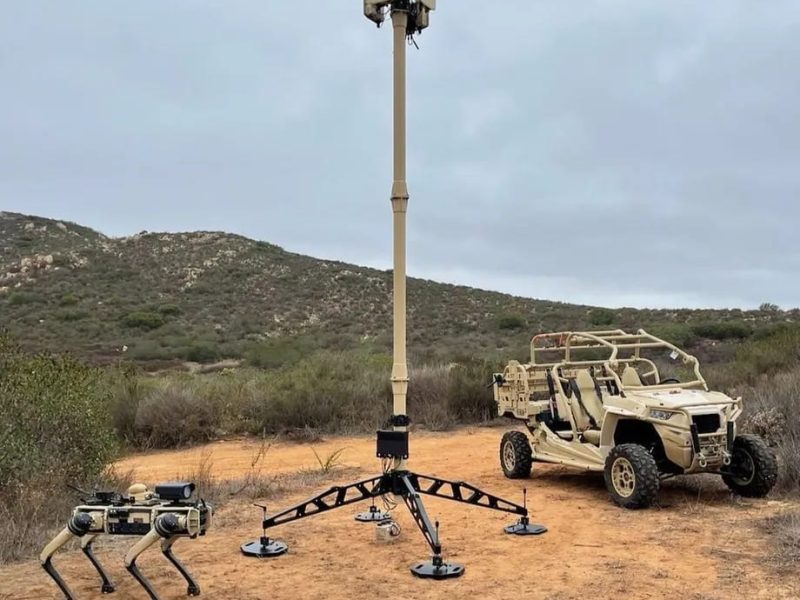
Robo Dogs and Refugees: The Future of the Global Border Industrial Complex

The future is here, and it’s a nightmare for migrants. Robo-dogs are joining the global arsenal of border enforcement technologies. The consequences will be deadly.
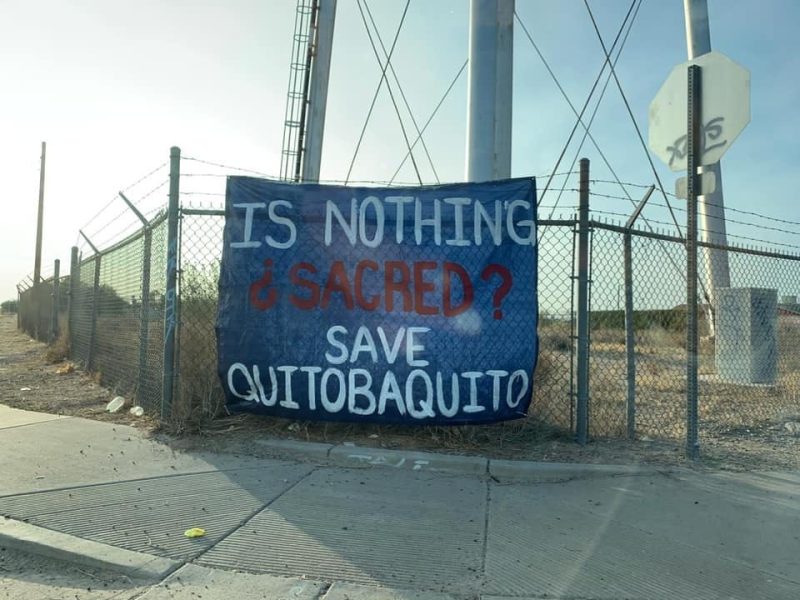
Blockading the Border Bulldozers: Amber Lee Ortega on Hia Ced O’odham Resistance

In this podcast, Ortega discusses why she chose to face a judge to protect a sacred spring on the Arizona-Mexico Border.
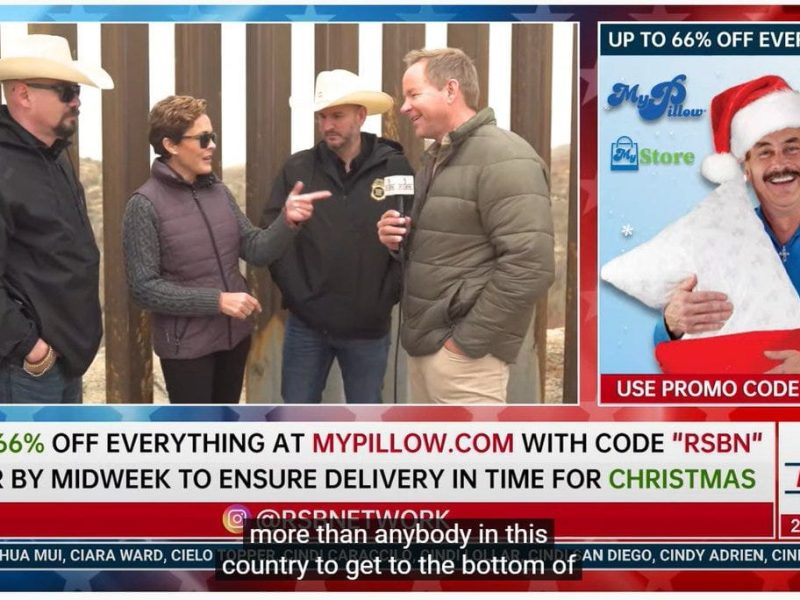
How to make a border video for your Arizona campaign

These videos look so much the same, they are functionally meaningless. But we watched them all anyway so we could make fun of them.
Borders Are Open for Profit, but Not for People

In a Q&A, prolific author and professor Justin Akers Chacón discusses his new book where he breaks down free trade agreements and argues why the U.S.-Mexico border should be opened for people.