Buh Bye Kristi Noem, and who the heck is Markwayne Mullin? Trump's new pick for DHS secretary. Plus, an epic novel about the U.S. and Mexico's joint erasure of Apachería, and historian and author Lydia Otero on Tucson's racial and urban history, and more.
Historian and writer Lydia Otero on growing up in the borderlands, Tucson's racial and urban history, and their most recent book, Storied Property: María Cordova's Casa.
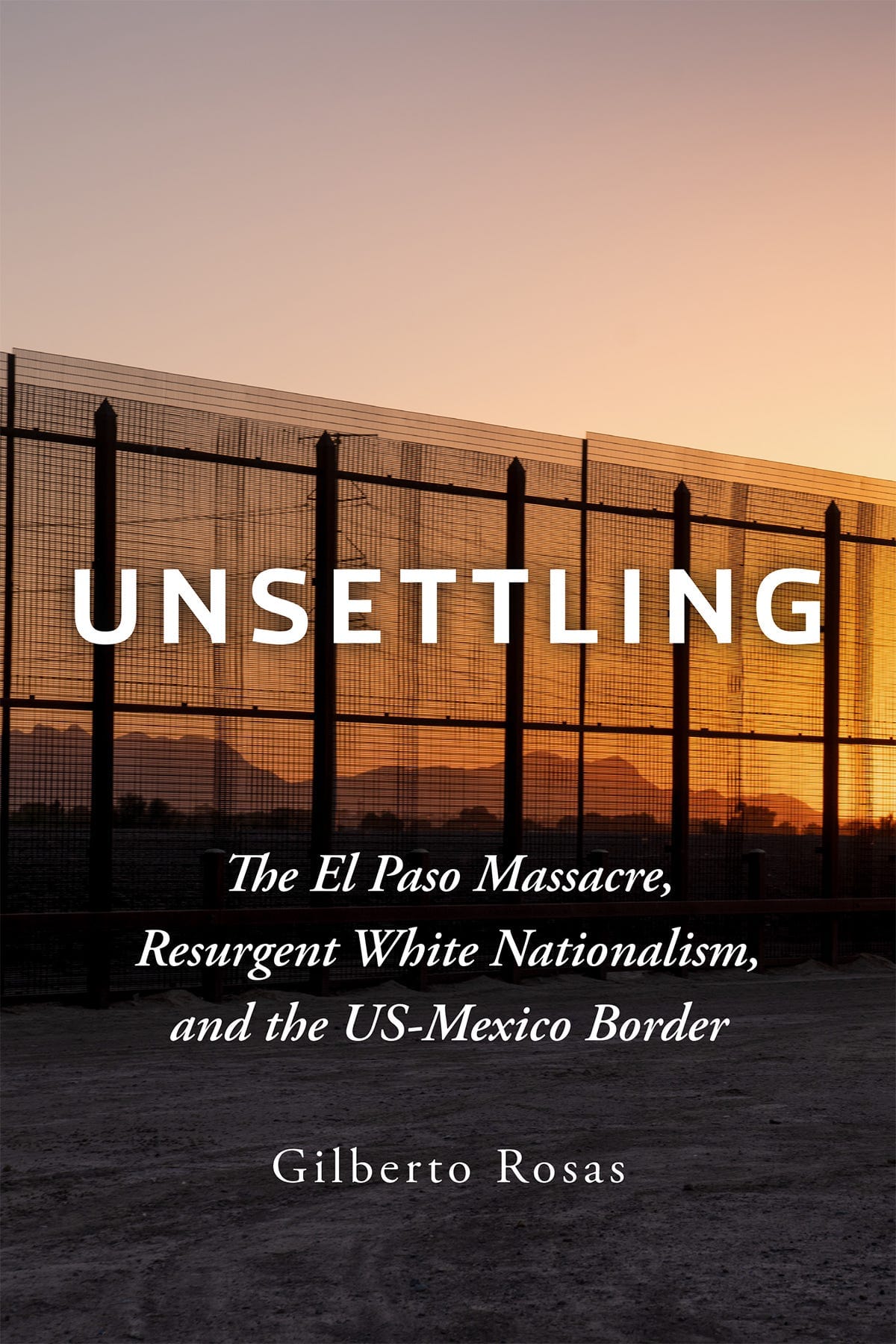
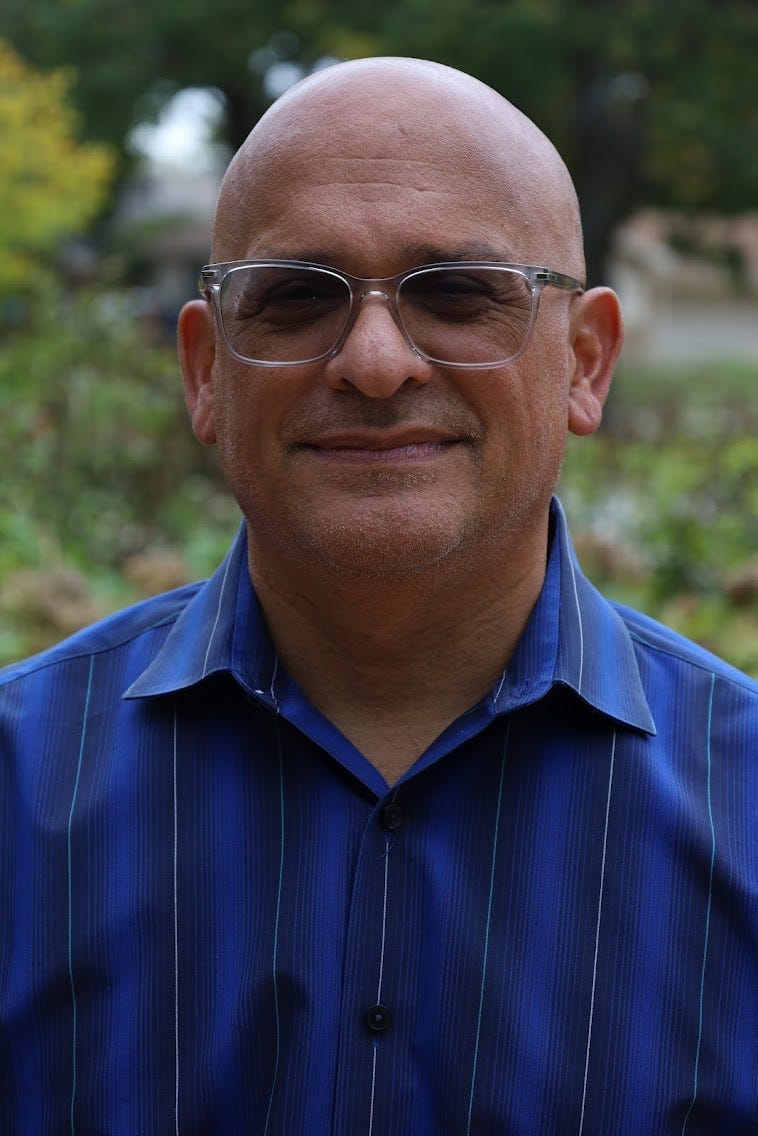
Border Fortification and the El Paso Massacre: A Podcast with Gilberto Rosas
“The mass shooting of August 3, 2019, demands a reckoning. It must be situated in a recent and vicious amplification of preexisting U.S. border and immigration policy.”
Border Fortification and the El Paso Massacre: A Podcast with Gilberto Rosas
0:00
/12000
On August 3, 2019, a mass shooting took place in El Paso, Texas. After hearing reports of the shooting, anthropologist Gilberto Rosas tried to call his parents, who live in El Paso, his hometown. At first, they did not answer the phone. At a Walmart about a mile away from the U.S.-Mexico divide, the shooter was on a white-supremacist rampage that would kill 23 people and wound many others. As Rosas describes in the following interview, these harrowing moments intensified until his parents finally answered.
In the interview, Rosas told me, “As someone who grew up on the border, who knows the literature on the intensified militarized policing of the border, as someone with roots in that region, I felt compelled to analyze [the massacre] as an outgrowth of the hardening of the U.S.-Mexico border.” And that he did.
Alongside his narrative-challenging analysis, Rosas also explains why he doesn’t use terms like “migrant” or “detained/detention.” He talks about his own “dignified rage” in grieving the mass shooting’s victims, and how this concept can be channeled by people and communities to challenge power.
And he offers this keen observation about Washington and the border (one that we often make here at The Border Chronicle): “If policy makers were to listen to people from the borderlands, these kinds of discursive, ideological, and material conditions would not be as severe.”
The Border Chronicle relies on its readers and listeners to continue. Support border journalism from a border perspective by becoming a paid subscriber today for just $6 a month or $60 annually. We appreciate your support!
Walking from a blasted mountain top--a planned site for new border wall construction--to a makeshift military camp along the border in a remote part of southern Arizona led to a tense yet revelatory moment.
Logan Phillips was born in Tombstone, Arizona—a town best known for Old West-themed gunfight tourism. In his new book, Reckon, Phillips explores his relationship to the unusual setting of his childhood through themes of masculinity, history, and land.