
It’s Not Aiding and Abetting, It’s Humanitarian Aid: A Q&A with Eddie Canales, founder of the South Texas Human Rights Center
For nearly a decade, Eddie Canales has worked to save lives and identify missing migrants along the Texas-Mexico border. In 2013, Canales opened the South Texas Human Rights Center in the small ranching town of Falfurrias in rural Brooks County.
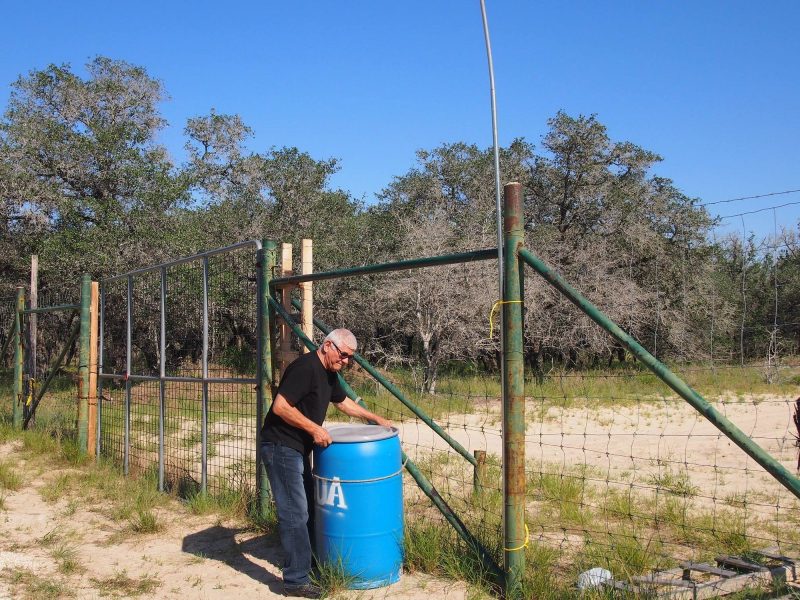
For nearly a decade, Eddie Canales has worked to save lives and identify missing migrants along the Texas-Mexico border. In 2013, Canales opened the South Texas Human Rights Center in the small ranching town of Falfurrias in rural Brooks County, which is 70 miles north of the border.
This was after 2012, when South Texas—for the first time—surpassed Arizona in migrant deaths. For years, Brooks County has been at the nexus of this tragedy. Most people succumb to heat exhaustion and exposure while trying to avoid an immigration checkpoint in the rugged, remote terrain. Many disappear and are never seen again.
Unlike Arizona, Texas has no dedicated medical examiner to help identify recovered remains, just a patchwork of justices of the peace and sheriff’s offices. So, Canales is working with a forensic team from Texas State University to conduct DNA tests on the unidentified and to catalog information so families can find their loved ones. He’s also advocating for a regional medical examiner.
Canales’s South Texas Human Rights Center relies on donations and grants, and it consists of one other employee, who answers the center’s missing migrant hotline. Mostly, Canales relies on volunteers. The center is the only organization setting up water drops and stations in Texas. The work requires patience and persistence. With much of the land privately held, Canales must negotiate with individual ranchers to conduct search parties and set up water stations on their land.
With Title 42 and Remain in Mexico in place, you would think there would be fewer people dying in Brooks County, but it sounds like the number of deaths is going up.
Last year there were 119 skeletal remains and bodies recovered in Brooks County. This year we’re already up to 20, and spring has just started. We haven’t even hit summer yet. Under the Trump administration, visa programs, TPS, and asylum were restricted. Everything was cut off, and it became very backlogged at the border.
So, with asylum shut down, did more people just decide to go with smugglers and try it that way? Is that why the number of deaths has increased?
During the Trump years, I think it would have been a normal flow if everything hadn’t been backlogged. People decided, no, we’re not going to go through this and get expelled, so they looked for alternatives. People fail to recognize the necessities in the countries that are sending people. In terms of how severe hunger is, people’s survival. Their land is not as self-sustaining as before. There’s a whole combination of things that created the influx, and I don’t think we’ve seen the end of it.

The pandemic made survival even tougher economically. I would imagine that many people see migration as their only solution.
As long as people already in this country are saying there’s plenty of work, people are going to keep coming. And, you know, decision makers could create more temporary work visas and other programs to regularize migration, but I think they’ll just keep the conditions that exist. And, you know, let people try to get through as best they can. And let the Border Patrol try to catch them, and then yell and scream that the border is unprotected.
Does that mean that the deaths are going to go up in Brooks County?
Yes, I believe so.
Has Operation Lone Star in Texas affected migratory routes? How about other enforcement measures?
I don’t know. We’re getting less distress calls from the Laredo sector. But the Rio Grande Valley sector does not change, you know, in terms of the flow of people coming through. In the time I’ve been running the center, migratory routes shift. They come and go. Right now, we’ve got about 175 water stations, and we need a lot more. I’d like to set up more on the east side of Brooks County if I can get ranchers to agree to it. I’d also like to set up water stations in the Big Bend sector, where a lot of migration has shifted. The cartels have warehouses of people in Ojinaga, [a border town in Mexico near Big Bend] and are trying to get people through.
Big Bend is a vast area, and it’s far away from Brooks County. How would you manage that?
[Laughs] I think I need a few more volunteers.
I’m kind of amazed that you’re still the only organization doing water stations in Texas. This kind of humanitarian work has been occurring in Arizona for the last two decades. Why doesn’t it happen more in Texas?
The major difference is that it’s private land in Texas. I went out with No More Deaths in Arizona when I was first getting started, and they were very supportive. John Fife, cofounder of No More Deaths, helped me get the initial seed grant for the center in Texas.
I imagine a lot of time goes into getting access and building relationships with the ranchers and other landowners, right? It really requires somebody with some political skills.
It does take relationship building, and it doesn’t happen overnight. I can be a little bit forceful, but I do it with a smile and a handshake. I also often work with a reserve deputy because it gives more credibility and makes landowners feel more comfortable allowing us access.
Over the years, I’ve heard from ranchers in Brooks County and along the border who believe that putting water stations on their land will draw more migrants to cross, which is why, they say, they don’t allow water stations. What do you think about that?
I don’t think that that bears out. The trail is created by the guides and coyotes. The water ends up being for stragglers, for people who are ill or who have gotten lost. Groups get chased and scattered by Border Patrol when they’re trying to apprehend them. Many get lost that way and die. I think it’s not a question of attracting more. It comes down to a question of trying to save lives and mitigating the suffering. It’s not aiding and abetting. It’s humanitarian aid.
To volunteer, donate or learn more about the South Texas Human Rights Center contact Eddie Canales at (361) 944-3772 or ecsouthtexashumanrights@gmail.com
Author
Related Articles
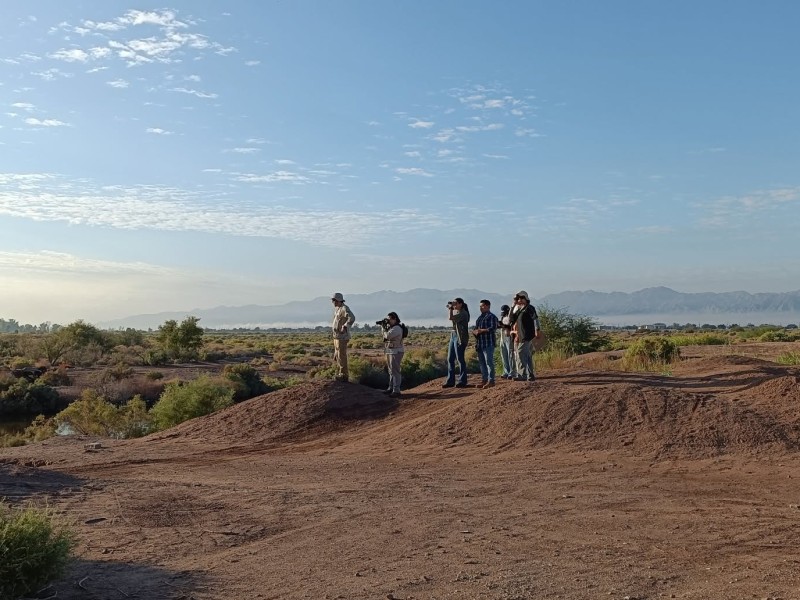
Salvemos Las Lagunas: A Morning with the Collective Working to Save Mexicali’s Last Urban Wetlands
The New River flows north across the US-Mexico border, where its lagoons provide vital habitat for hundreds of birds. For a decade, a community organization has worked to protect these crucial waterways.
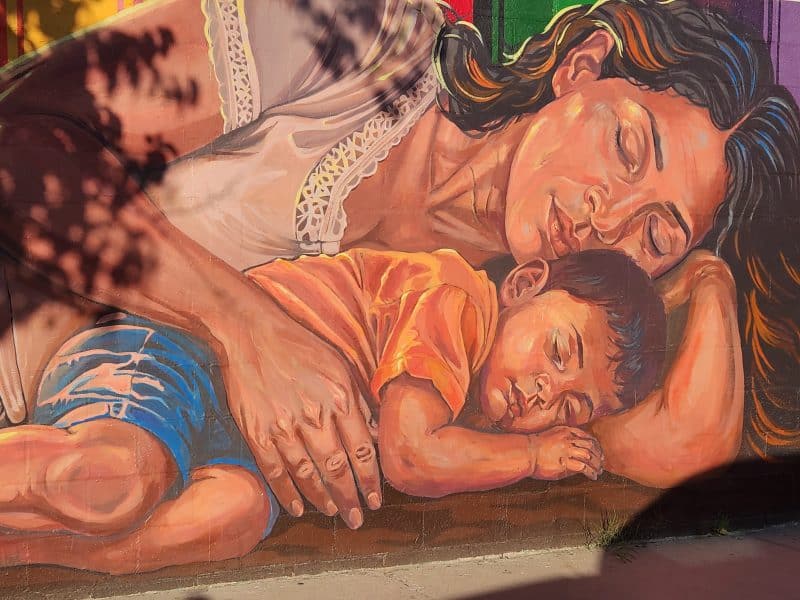
Immigration Policy Is Maternal Health Policy
Research in Texas confirms what border communities already know: that harsh immigration policies harm maternal health. As border-style enforcement spreads across the United States, its consequences for mothers and infants will spread with it.

Wall Watch: Mapping Trump’s $46 Billion Border Mega-Project
In this week’s podcast, Melissa del Bosque and Geographer Dugan Meyer explain how the Border Chronicle’s new project, Wall Watch, helps residents document and understand the massive construction project underway at the U.S.-Mexico border.
