New Border Wall is an ‘Ecological Catastrophe’: A Podcast with The Sierra Club’s Erick Meza
Arizona’s San Rafael Valley and other critical wildlife corridors in the borderlands are targeted by the Trump Administration for new wall construction.
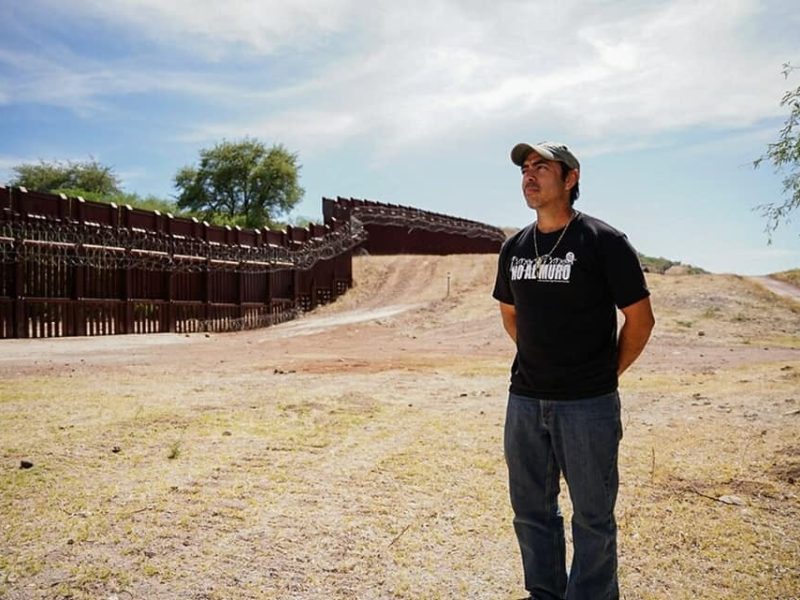
The Trump administration has begun issuing contracts for border wall construction. During the first Trump administration, contractors dynamited mountains and depleted groundwater, including the Quitobaquito, a sacred spring for the Tohono O’odham tribal nation, to produce concrete for the wall. Under the Real ID Act, dozens of laws protecting the environment, endangered species, and clean air and water can be waived for the wall’s construction. Trump’s Department of Homeland Security has already begun filing waivers.
Earlier this month, Erick Meza, borderlands coordinator for the Sierra Club Grand Canyon Chapter, discovered that one of the sections slated for the upcoming border wall is southern Arizona’s San Rafael Valley, a critical wildlife corridor for endangered species, including jaguars. “It’s an ecological catastrophe,” he said of the proposed construction in the grassland valley. Meza spends much of his time traveling the borderlands documenting wildlife and the impacts of the border wall on an ecosystem under extreme stress from climate change and militarization.
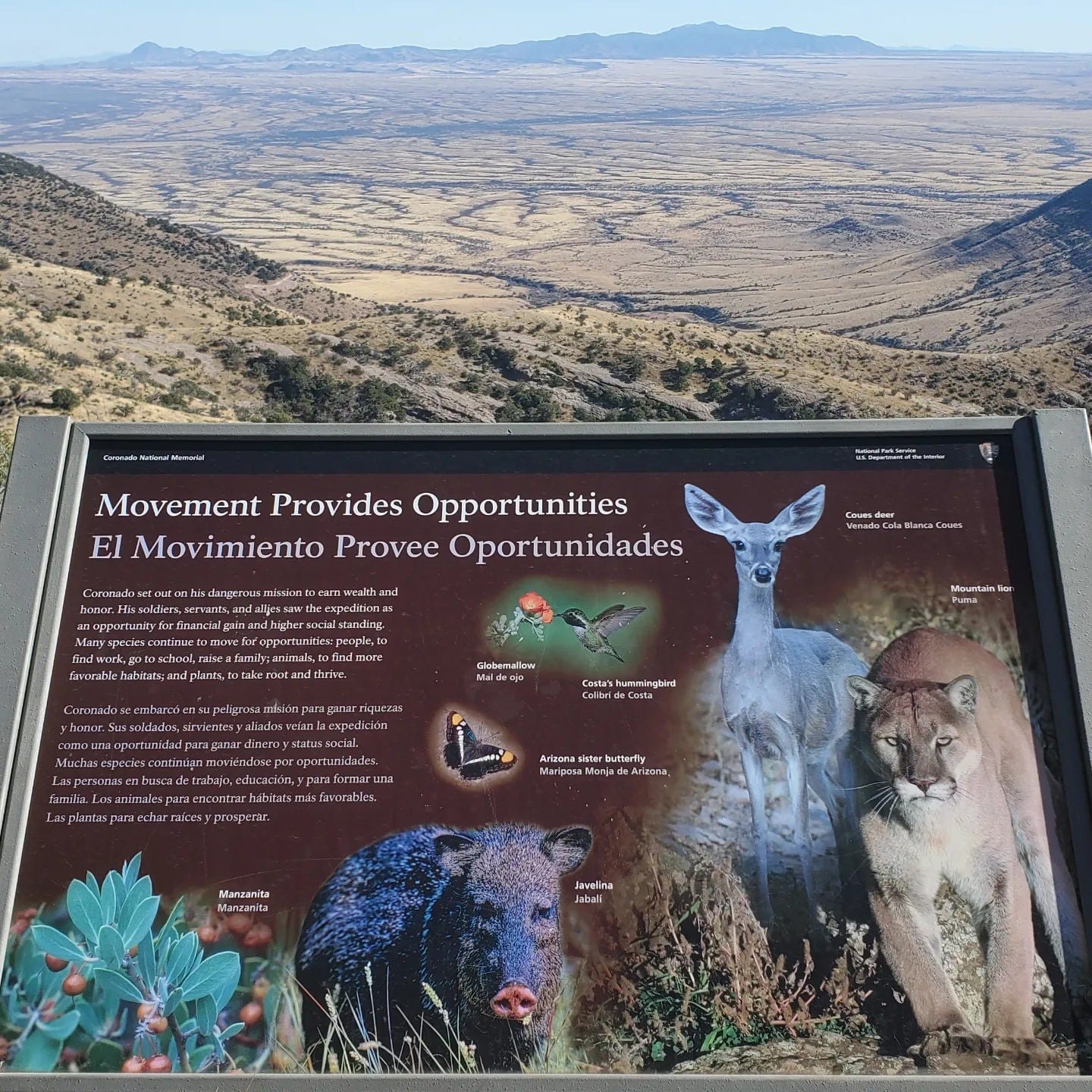
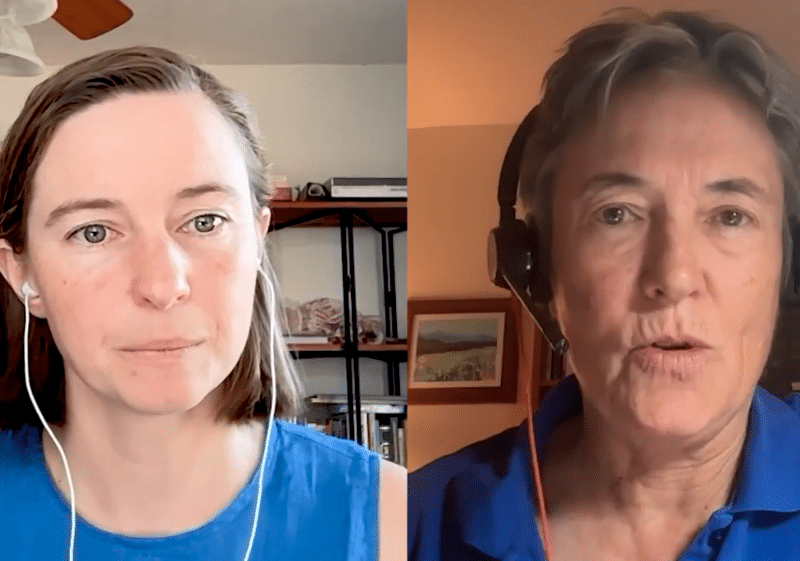
In this podcast, Meza discusses the proposed wall construction and its impact on the San Rafael Valley, as well as other areas where the wall is slated to be built. He also shares what biologists and conservationists are learning about the effects on wildlife and the environment from previous wall construction, and how this knowledge will inform their work in the future.
What You Can Do
Sign a Sierra Club petition against the building of border wall in Arizona’s San Rafael Valley. Sign here.
Contact your congressional leaders and express your opposition to further border wall construction. Contact them here.
Author
Related Articles
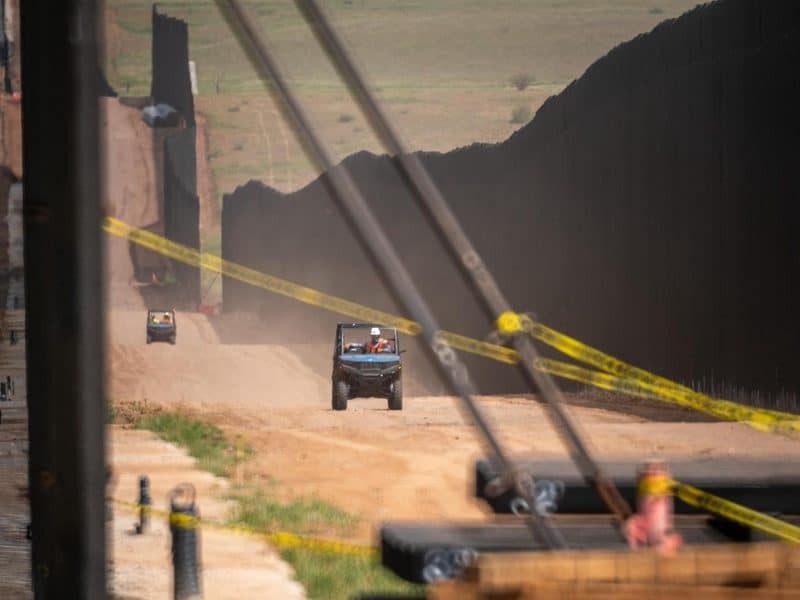
Introducing the Wall Watch Project and Contractor Database
Explore the companies, contracts, and construction projects reshaping the U.S.–Mexico border—and get ready for a new series of Wall Watch Dispatches.
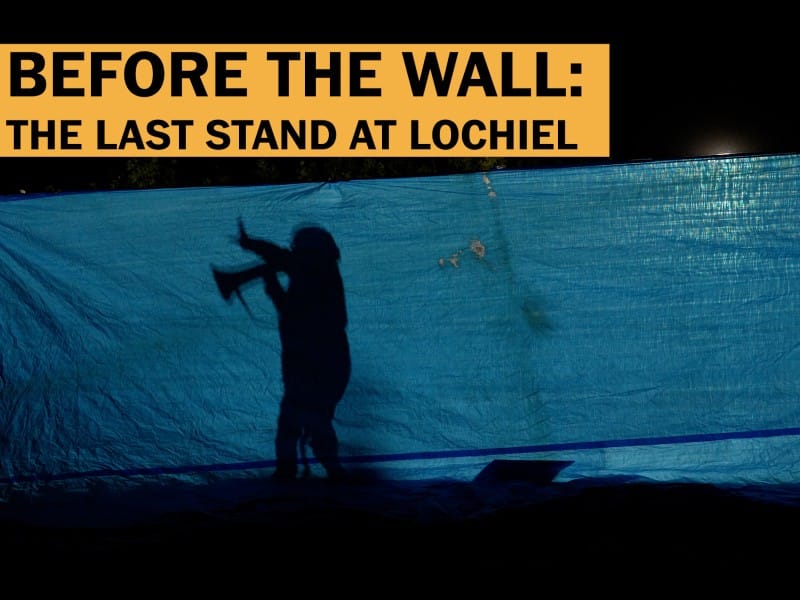
Before the Wall: The Last Stand at Lochiel
As a double border wall rises through Lochiel, protesters gather to defend the ancient cottonwoods and the San Rafael Valley.