
No Borders as a Practical Political Project: A Podcast with Nandita Sharma
“This is the moment of solidarity. This is the moment for mutual support.”
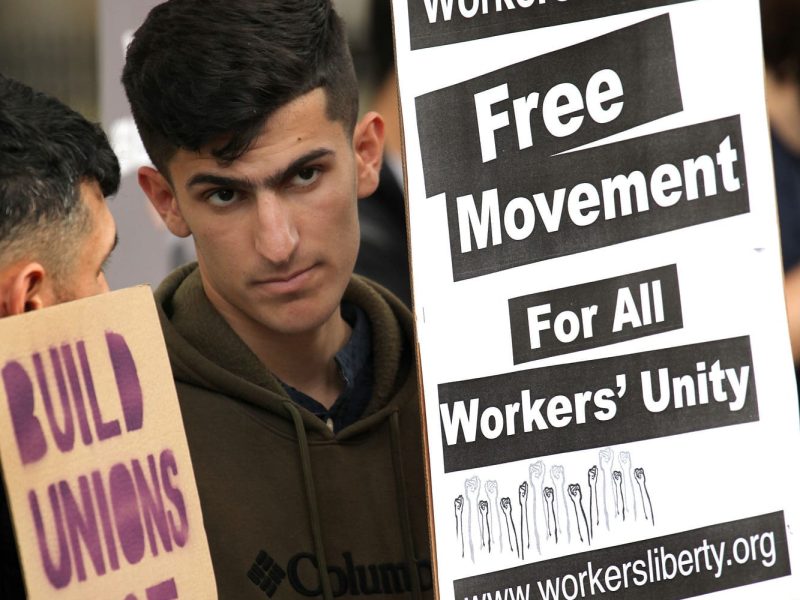
As the late Uruguayan writer Eduardo Galeano put it in his book Upside Down: A Primer for a Looking Glass World, the terminology used in mainstream political discourse often describes precisely the opposite of reality. Cut-throat capitalism is free trade. Violence is law and order. Extraction of natural wealth from communities is increasing revenue.
So where does “border security” fit in to this? Part of the answer is that borders do not produce security but subordination. This point has been made for two decades now by sociologist Nandita Sharma (see the essay “Why No Borders?,” which she cowrote with Bridget Anderson and Cynthia Wright). The point of borders is not to keep people out but to keep them in line. Borders are foundational to a global system fraught with injustice.
The struggle for no borders, Sharma explains, is a practical political project.
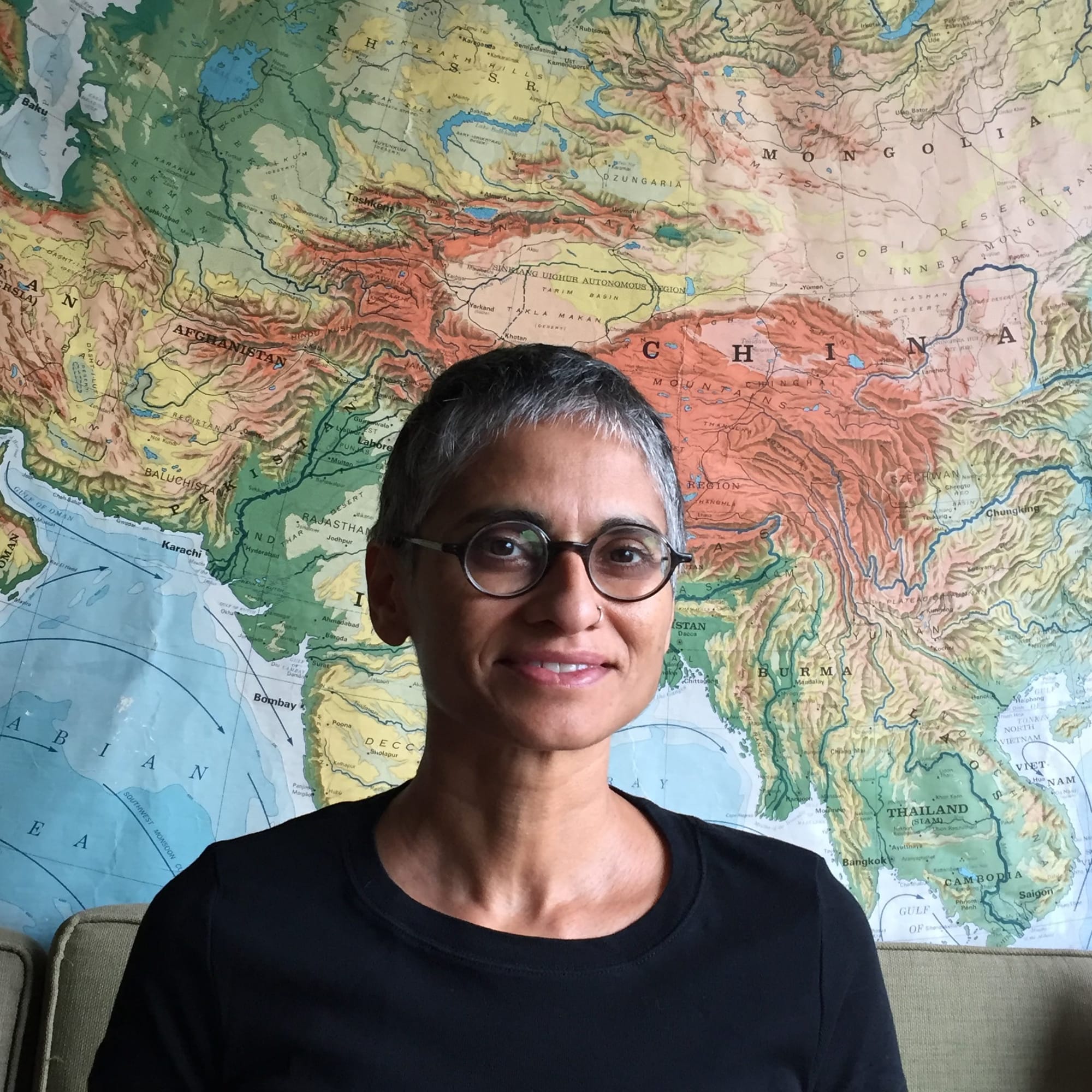
Sharma is the author of two books, Home Economics: Nationalism and the Making of “Migrant Workers” in Canada (University of Toronto Press, 2006) and Home Rule: National Sovereignty and the Separation of Natives and Migrants (Duke University Press, 2020). She teaches at the University of Hawai‘i.
During our conversation, I wondered aloud whether “no borders” is still a practical political project, now that Donald Trump will take office for a second term. She responded without hesitation, “It’s not only a viable step, it’s the only step.”
As we concluded, we discussed the provocative quote from Italian thinker, philosopher, and Marxist Antonio Gramsci: “The old world is dying. The new world is struggling to be born. Now is the time of monsters.”
Those monsters are easy to identify with the incoming Trump administration and the nation-state it represents, along with increasing climate catastrophe. “This is the moment of solidarity,” Sharma said. “This is the moment for mutual support.” Indeed, she hinted, the moment has arrived to not only imagine but also to work for another possible world.
The Border Chronicle relies on its readers to continue. Support independent journalism from the U.S.-Mexico border today for just $6 a month or $60 a year.
Author

Related Articles
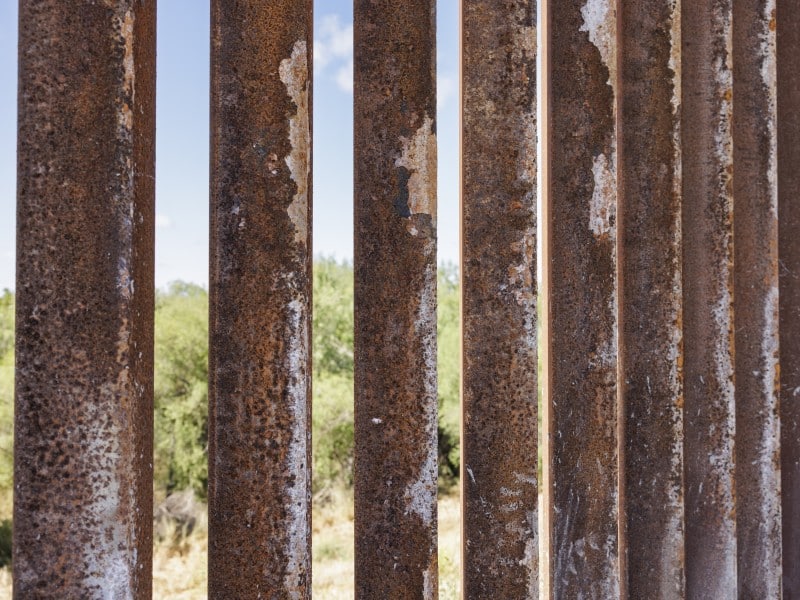
American Rust: The $1.1 Billion Border Wall Built with Salvaged Materials and Few Answers
A newly constructed wall built with old, salvaged material in South Texas is probably illegal; it’s also costing twice as much as previous walls. What are taxpayers paying for, exactly?
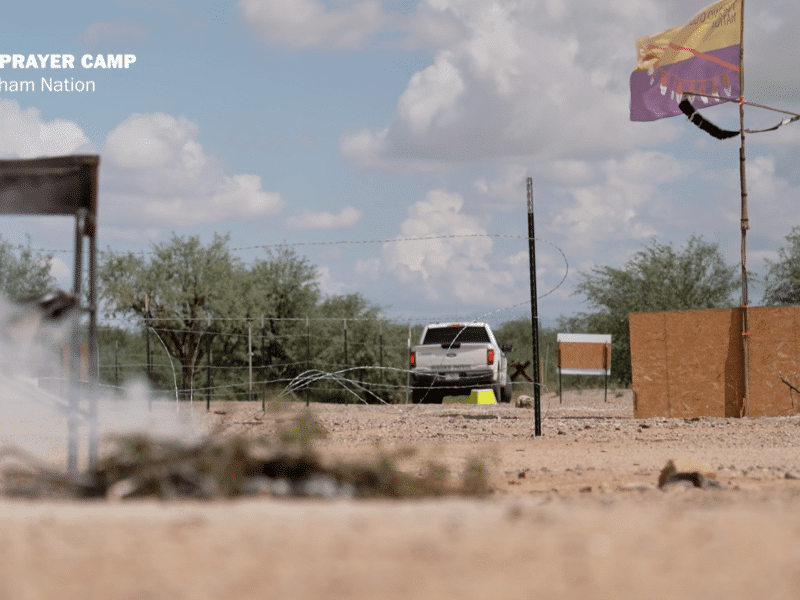
“We See No Border”: The Tohono O’odham Fight Against the Border Wall
The irreparable harm that has already been done, says tribal chairman Verlon Jose, you can feel it, hear it, in the people.
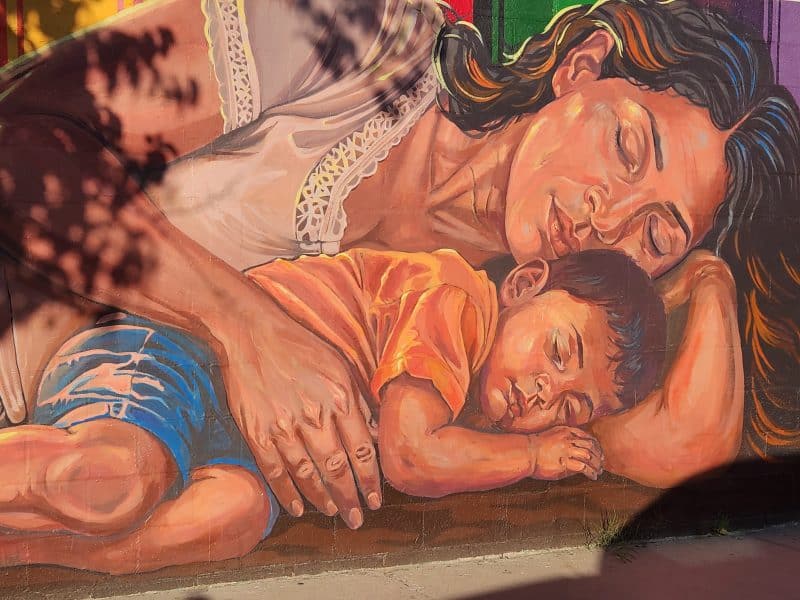
Immigration Policy Is Maternal Health Policy
Research in Texas confirms what border communities already know: that harsh immigration policies harm maternal health. As border-style enforcement spreads across the United States, its consequences for mothers and infants will spread with it.
