
From Impunity at the Border to Illegal Boat Strikes: A Podcast with Jonathan Blitzer
“The border has always been a laboratory for authoritarian policies. Now they’re being unleashed into the interior of the country,” he says.
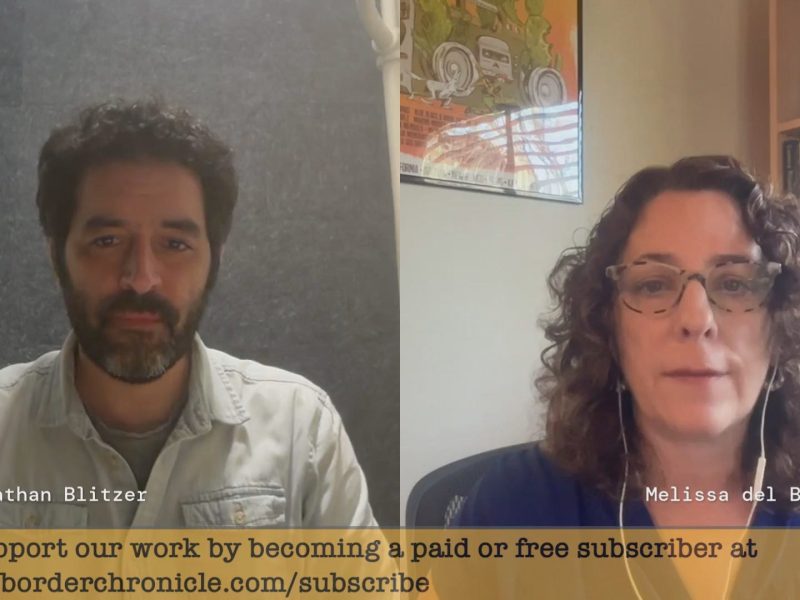
Jonathan Blitzer is a staff writer at The New Yorker who covers immigration, politics, and foreign affairs for the magazine. His recent piece for the magazine, “The Real Target of Trump’s War on Drug Boats,” highlights Stephen Miller, homeland security adviser to President Trump, as a driving force, along with Secretary of State Marco Rubio, behind the illegal and deadly strikes on boats in the Caribbean and Pacific Ocean.
As of the publish date of this piece on Tuesday, November 18, the Trump administration has killed an estimated 82 people in 21 strikes—a rapidly growing number since the first strike took place September 2, killing 11 people. The administration claims, without evidence, that the boats it is targeting are carrying drugs.
So how does this relate to the U.S.-Mexico border? For Miller, the boat strikes bolster Trump’s unilateral authority and expand the definition of the use of force, a project that began at the U.S.-Mexico border, where Miller and other Trump allies portrayed asylum seekers as “invaders” and “alien enemies” and advocated for a military response. The same model has now been deployed in the interior, where domestic policy is being “militarized” by the administration.
Do military deployments and occupations of U.S. cities mean the end of posse comitatus and that the military will now take a bigger role in domestic affairs? Now that the interior of the country is experiencing the Border Patrol’s violence and impunity, could this finally lead to the rogue agency being reined in? (Though obviously not during this administration.) These are just a few of the topics that we explore in addition to discussing Blitzer’s book Everyone Who Is Gone Is Here: The United States, Central America and the Making of a Crisis, along with how each U.S. administration has failed to acknowledge that U.S. policy and intervention are spurring much of the migration from Central America.
Authors

Related Articles
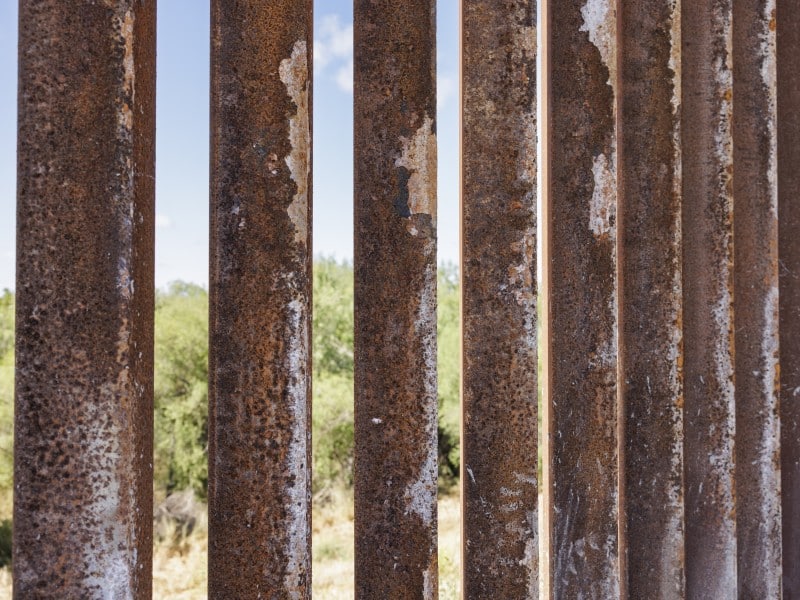
American Rust: The $1.1 Billion Border Wall Built with Salvaged Materials and Few Answers
A newly constructed wall built with old, salvaged material in South Texas is probably illegal; it’s also costing twice as much as previous walls. What are taxpayers paying for, exactly?
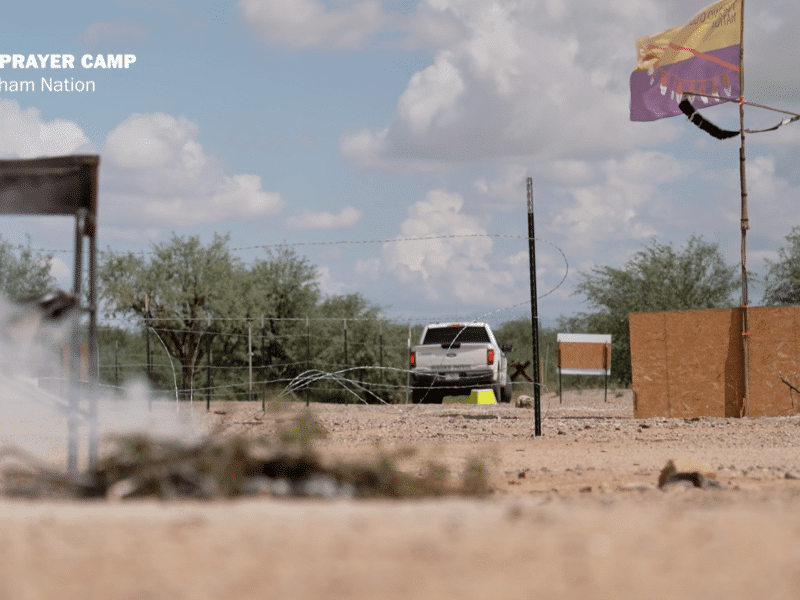
“We See No Border”: The Tohono O’odham Fight Against the Border Wall
The irreparable harm that has already been done, says tribal chairman Verlon Jose, you can feel it, hear it, in the people.

Immigration Policy Is Maternal Health Policy
Research in Texas confirms what border communities already know: that harsh immigration policies harm maternal health. As border-style enforcement spreads across the United States, its consequences for mothers and infants will spread with it.
