The Things They Carried: Is the Border Patrol discarding asylum seekers’ documents?
In Arizona and Texas, border residents are noticing more and more personal belongings left behind, including confidential documents, along the U.S. side of the border wall.
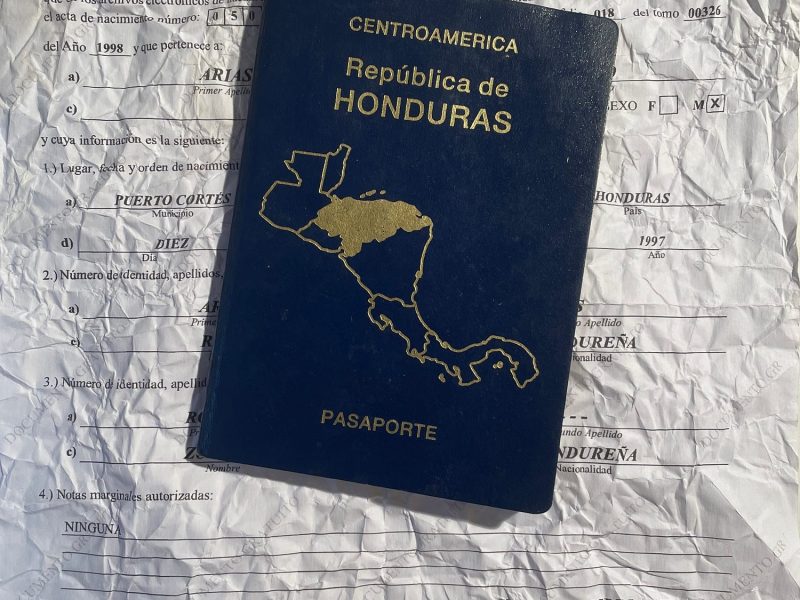
In Arizona and Texas, border residents are noticing more and more personal belongings discarded along the U.S. side of the border wall. They include passports, birth certificates, police reports, and other confidential documents that could be crucial in proving asylum cases.
For years, Border Patrol agents have required migrants caught at the border to remove their shoelaces and belts, but since Title 42, a public health statute enacted in March 2020 by former president Trump, the number and range of possessions left behind has grown.
In Yuma, Arizona, just a short distance from a gap in the 30-foot border wall, Fernando “Fernie” Quiroz collects piles of shoelaces, clothing, and shoes from the dirt road and carries them to one of two large red dumpsters that are already overflowing with personal belongings.
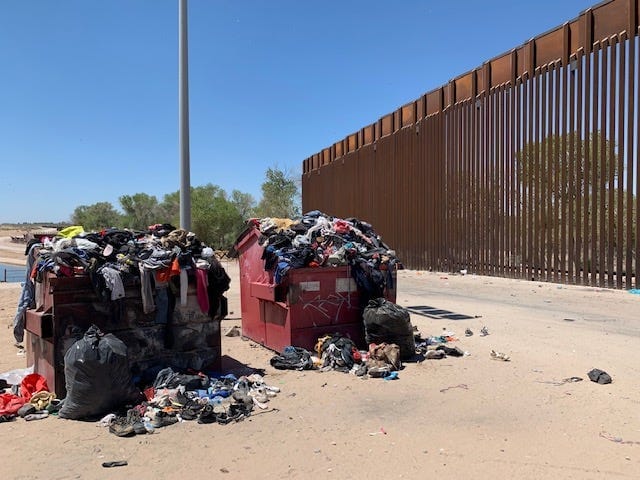
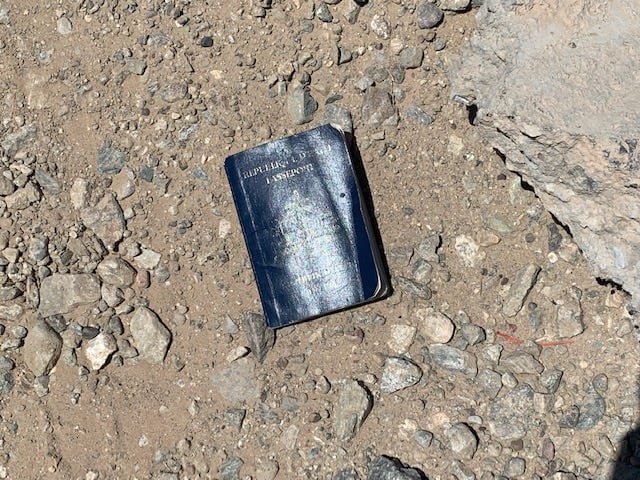
On the ground next to the dumpster lies a navy-blue Haitian passport and a handful of Cuban passports. Quiroz says he has no idea why people would leave important documents like these behind. “Our ports of entries were set up for individuals coming from other countries, and that is where they should be going,” he says. “But they’re not allowed to do that. So they come here.”
A year ago, he says, this stretch of road along the border was covered in abandoned objects—shoes, rosaries, diaper bags, purses, airline ticket stubs, and used face masks. In the lead-up to the November midterm elections, the area has become a popular backdrop for Republicans to shoot political ads and hold press conferences, in which they portray the arriving asylum seekers as “an invasion.”
Border Patrol Tells Asylum Seekers to Dump Their Things, Then Uses Their Belongings to Stir Up Anti-immigrant Sentiment
Border Patrol officials have pushed a similar invasion narrative. In April, Brandon Judd, president of the National Border Patrol Council, promoted a white-supremacist theory on Fox News, claiming that Democrats were lifting Title 42 “to change the demographics of the electorate.”
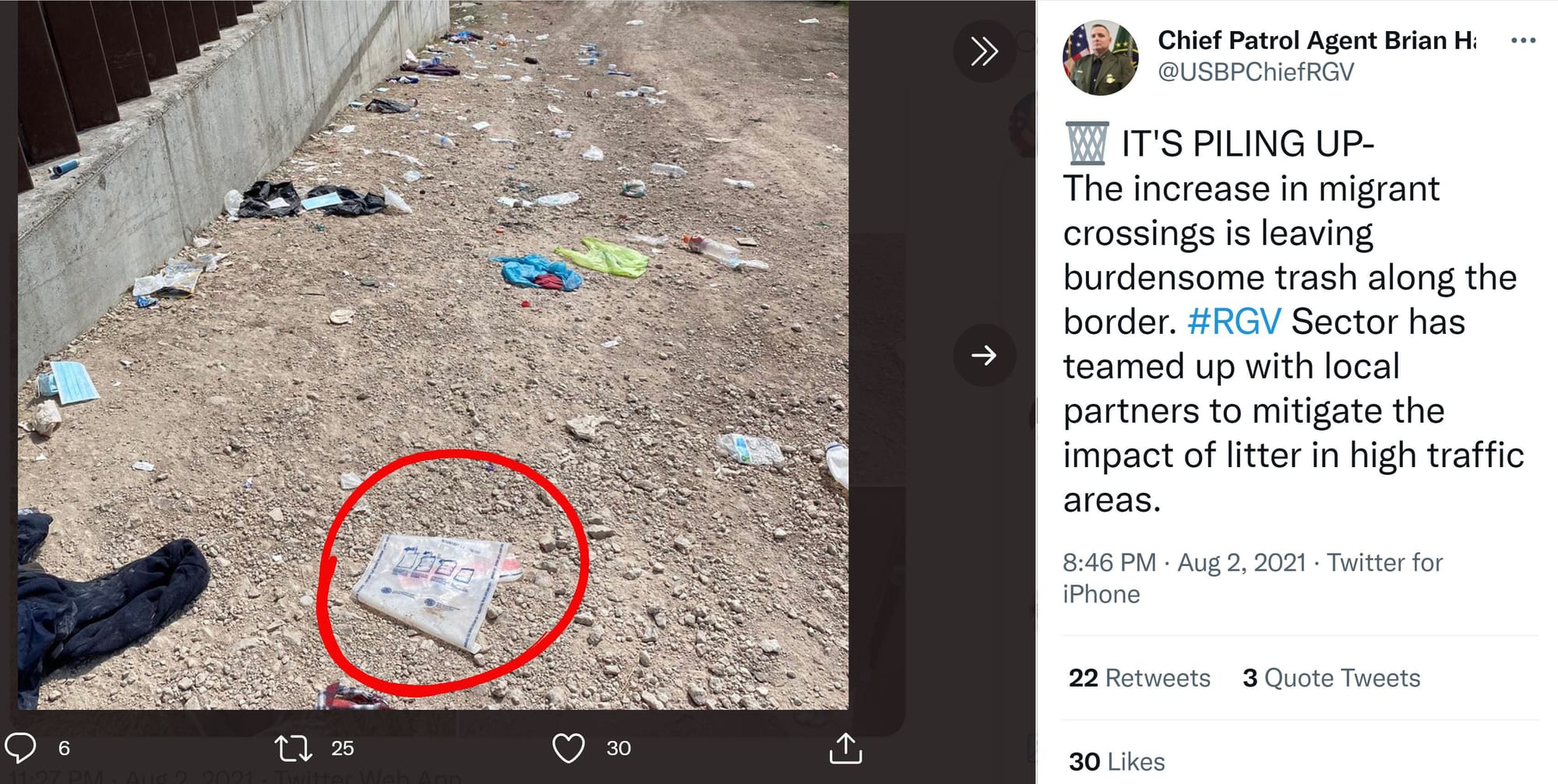
That same month, the Border Patrol’s official Instagram page celebrated Earth Day by featuring photos of asylum seekers’ belongings with the message that it was “trash and litter left behind by illegal immigration.” In Texas, Brian Hastings, Border Patrol chief for the Rio Grande Valley sector — another busy corridor for migrant arrivals — posted photos of people’s belongings, calling them “burdensome trash.”
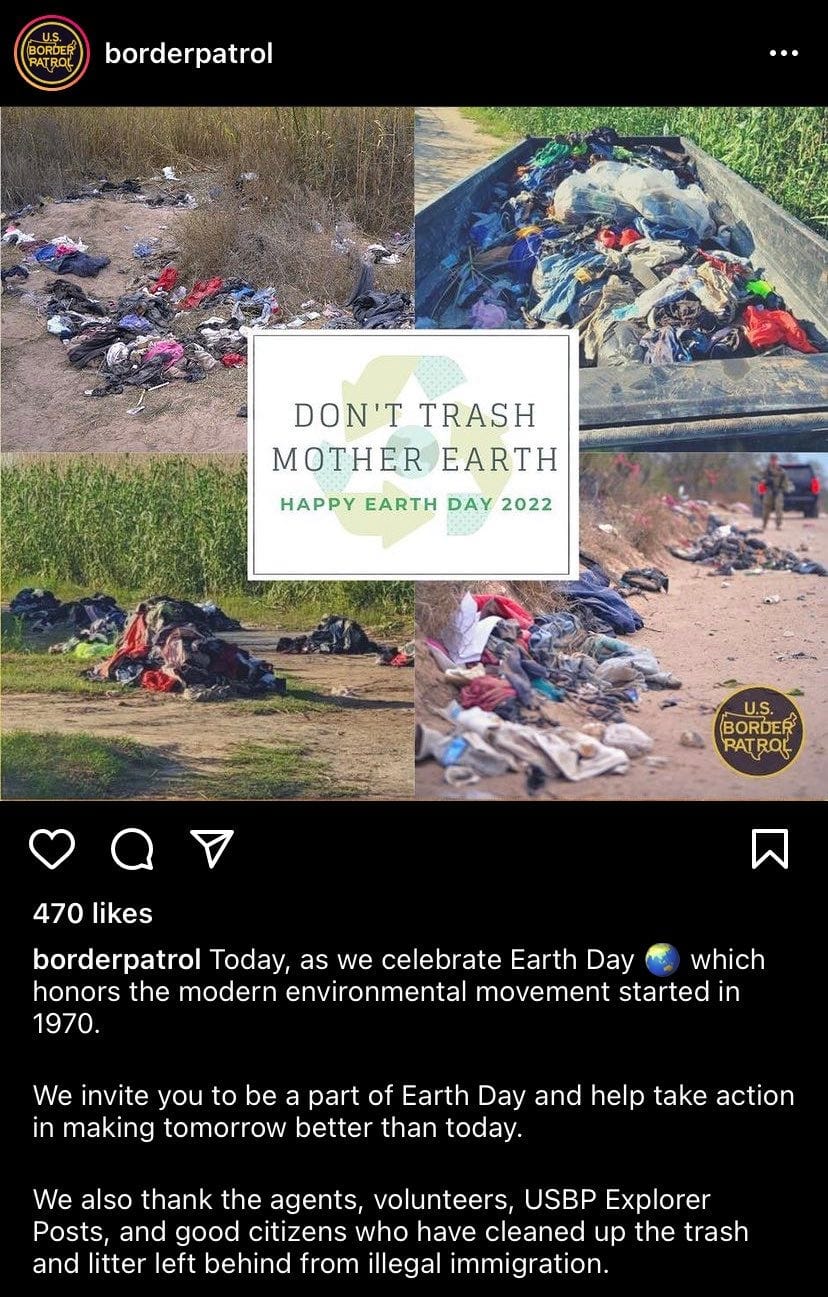
But Quiroz says this is a false narrative. “It’s not that they’re leaving a mess,” he says. “When Border Patrol shows up, they tell them to drop everything and get in line.”
Quiroz, director of the AZ-CA Humanitarian Coalition, says he wanted to counter the anti-immigrant message. So he and a handful of volunteers in the coalition began cleaning up the stretch of border. The county placed two large dumpsters nearby. They also persuaded Border Patrol to provide shade structures and water for arriving asylum seekers.
“Some politicians are disappointed,” he says, “because we cleaned it up. It’s not the visual they want to see for the narrative they want to tell.”
Ripped-Up Birth Certificates, Passports in the Dirt
But in South Texas, in the Rio Grande Valley, abandoned belongings continue to pile up along the U.S. side of the border wall. In some places they are so thick that the Border Patrol uses a grader to “shove it off into piles at the side of the road,” says Scott Nicol, an environmentalist and artist, who often walks the stretch of border wall near his home and inspects the belongings left behind.
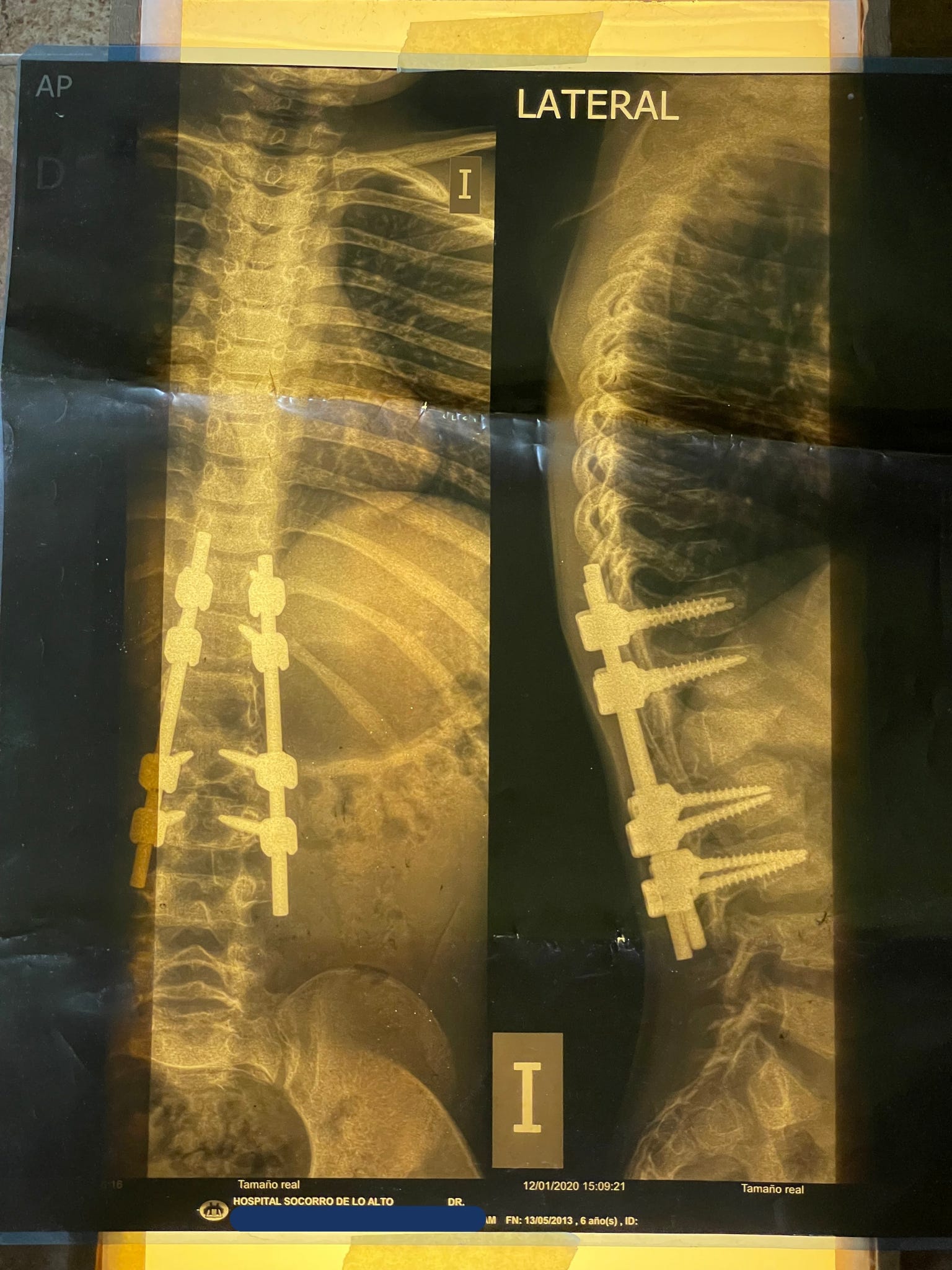
Nicol says he’s found birth certificates, passports, police reports, and other confidential documents. “What really got to me were the x-rays I found. They were for a six-year-old boy, and it showed a steel rod in his spine. It was obviously for an asylum claim,” he says. “Why would anyone part with those?”
Even more worrisome, he says, are the ripped-up birth certificates he’s recovered. “They’ve been torn into a hundred pieces and thrown into the brush,” he says. Nicol gathered the pieces and took them home, because he was curious, he says. “I taped them back together to see what they were. These are obviously documents you would need to claim asylum.”
The Border Chronicle sent photos of passports, birth certificates, and other documents found on the U.S. side of the border wall to U.S. Customs and Border Protection, which oversees Border Patrol, and requested comment on whether agents were telling asylum seekers to leave their documents behind, or in some cases ripping them up. It also requested comment on Border Patrol officials characterizing their belongings “as illegal immigration trash” on social media.
CBP declined to respond. In an email, a CBP spokesperson replied that they “could not speculate on the motivation of an individual discarding copies of personal vital statistic documentation.”
When asked about the personal items left behind, CBP wrote in an email that Border Patrol has a “policy prohibiting certain items deemed a health hazard that includes wet or moldy clothes from entering CBP facilities,” the spokesperson said. “Items not deemed contraband, or a health hazard are stored and returned to the migrant upon release or will accompany them if transferred to the custody of another agency.”
But some people arrive at migrant shelters in the U.S. with only the clothes on their backs and without any identification. Joanna Williams, executive director of the Kino Border Initiative, a binational migrant advocacy organization, says one theory she’s heard is that smugglers advise migrants to dump their identifying documents when they cross. But in the thousands of intake interviews with migrants the organization has done, Williams says, no one has said that a smuggler told them to leave their documents behind. “The families that we see, who carry things related to their asylum cases, are very clear on the fact that these are important documents, and very concerned about them, if they get misplaced,” she says.
Williams says that after the Trump administration started the Migrant Protection Protocols program, often referred to as “Remain in Mexico,” some of the migrants they encountered told them Border Patrol agents had ripped up their Mexican immigration visas and other documents. “The agents would say that they were fake documents when they were actually real, and they really needed them,” she says.
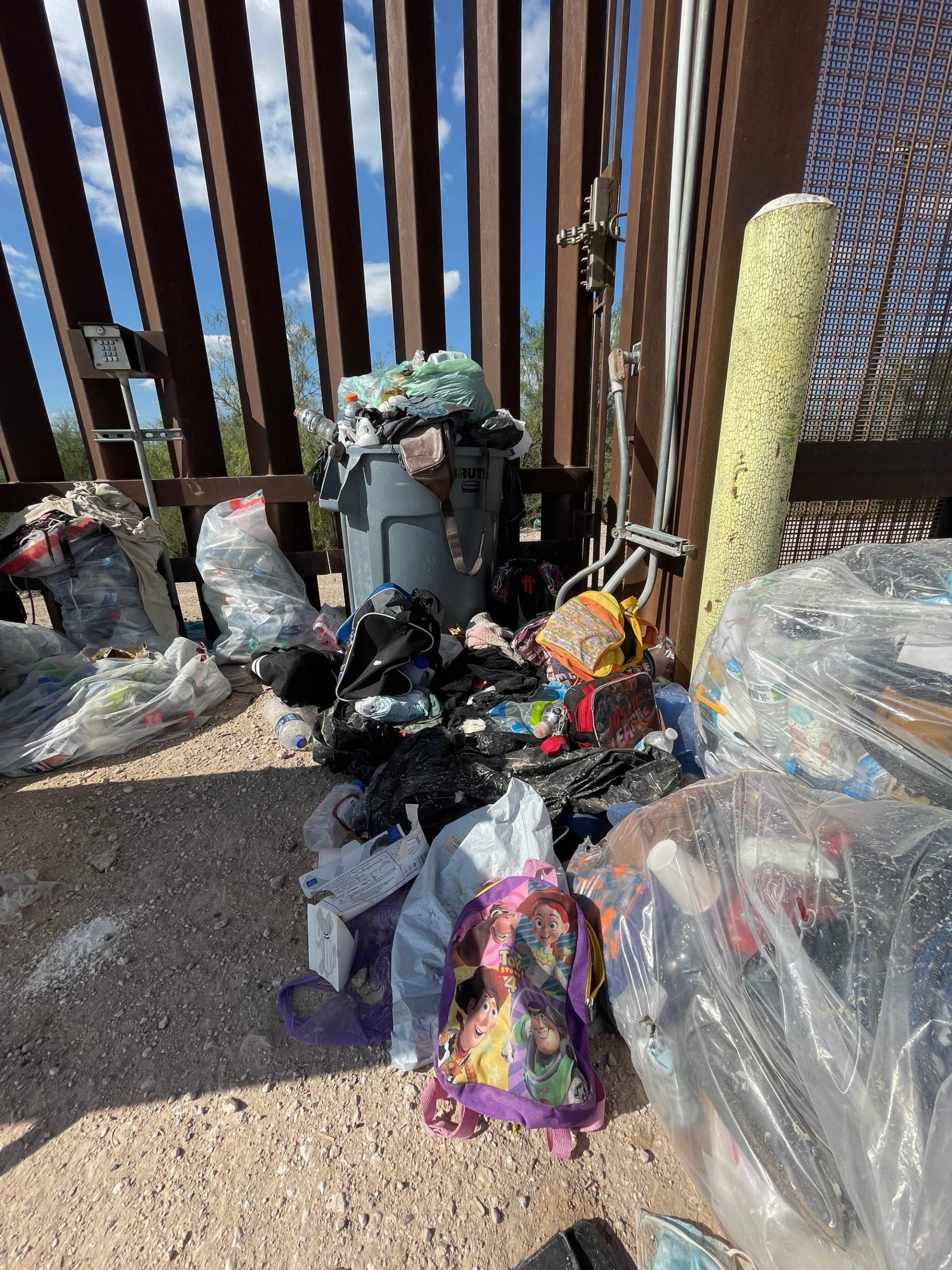
Blake Gentry, director of the indigenous language office at Casa Alitas, a migrant shelter in Tucson, estimates that about one-third of the people who arrive at the shelter have no documents or belongings. In 30 years of working on the border, he says he’s never heard of passports and other confidential documents being dumped, especially next to a Border Patrol checkpoint.
Gentry suspects it’s Border Patrol agents who are doing the dumping. “If this is happening on the U.S. side of the wall, it’s most likely Border Patrol,” he says.
Even if agents suspected the documents were fake, they should have at least confiscated them, he says: “If they’re throwing away documents in public dumpsters without shredding them, then that tells me they’re not doing investigations.”
Gentry says there’s often a disconnect between the law and how agents operate along the border. “There’s what the Border Patrol says, and then there’s the law,” he says. “In terms of the daily functions of the Border Patrol, you can always find a lot of anomalies in what goes on.”
Author
Related Articles
Beyond the Border Trap: A Review of Amelia Frank-Vitale’s “Leave If You Can”
Frank-Vitale says we must stop “seeing migration as the problem.” Instead, she insists, “the problem … lies in all the attempts to stop human mobility, to contain, detain, and deport people.”
Immigration Policy Is Maternal Health Policy
Research in Texas confirms what border communities already know: that harsh immigration policies harm maternal health. As border-style enforcement spreads across the United States, its consequences for mothers and infants will spread with it.
Why Local Pressure is Key to Impacting National Immigration Politics: A podcast with John Washington, author of “How to Close a Camp.”
In February, the country broke an ominous record: over 68,000 people were being held in detention by Immigration and Customs Enforcement, more than ever before.
