
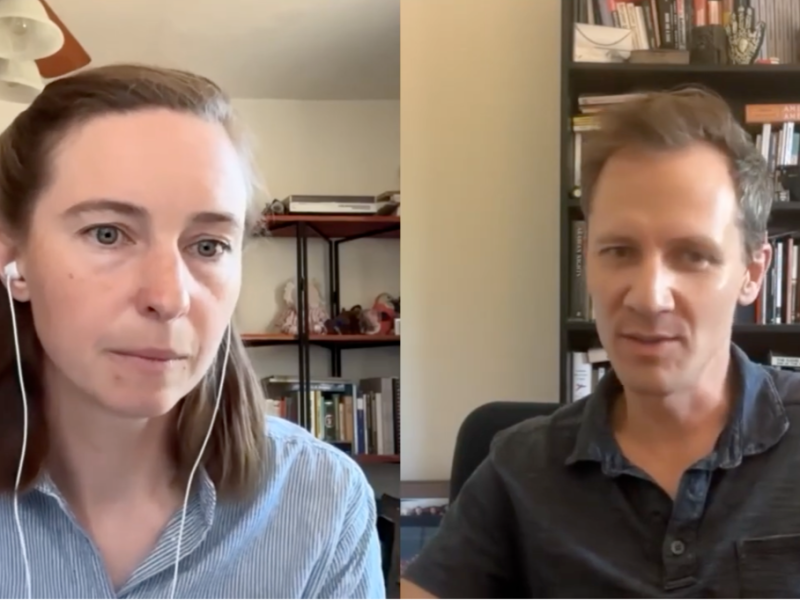
Why Local Pressure is Key to Impacting National Immigration Politics: A podcast with John Washington, author of “How to Close a Camp.”
In February, the country broke an ominous record: over 68,000 people were being held in detention by Immigration and Customs Enforcement, more than ever before.
In February, the country broke an ominous record: over 68,000 people were being held in detention by Immigration and Customs Enforcement, more than ever before. President Trump has set a goal of deporting one million people from the United States annually—aiming to blow past the previous record, from 2013, of 432,000 deportations in a year.
In order to achieve this goal, agents tasked with arresting and detaining immigrants are looking everywhere for possible targets. In an April 2025 speech, Border Czar Tom Homan told undocumented immigrants to “be looking over your shoulder.” Since then, immigrants—including many with legal residency or on a path to adjusting their status—have been arrested everywhere from the grocery store to the courtroom. On any given day, some 60,000 people, most without any criminal record, are held in more than 200 detention centers scattered across the United States.
What can local communities who want to fight back do about this? Journalist John Washington’s new book, How to Close a Camp: Dispatches from the Fight against Immigrant Detention, offers some possible answers. Coming out July 21 from Haymarket Books, the book offers a history of the use of detention camps in the United States, but it also provides a detailed compilation of resources for communities looking to investigate licenses, contracts, and environmental compliance as possible pressure points.
John spoke with Border Chronicle reporter Caroline Tracey about How to Close a Camp for this week’s podcast and about how, as he writes, “understanding that immigration detention camps are not abstract federal machines. They are, rather, deeply embedded in local political economies [via] zoning permits and tax breaks, local health departments that license medical providers, and municipal governments that issue permits for food services and utility hookups. Every one of these nodes is a potential pressure point.”
How to Close a Camp is also available for pre-order from The Border Chronicle’s Bookshop.org storefront.
The Border Chronicle is powered by our readers and listeners. Support our work today by becoming a paid member to fund our independent journalism at the U.S-Mexico border for just $6 a month or $59 a year.
Authors

Related Articles
What Laredo Can Learn From El Paso and Tucson about Water Conservation: A Q&A with Martin Castro
“We believe Laredo is setting the stage to potentially become the next pioneer in resilient water management for South Texas,” says Castro.
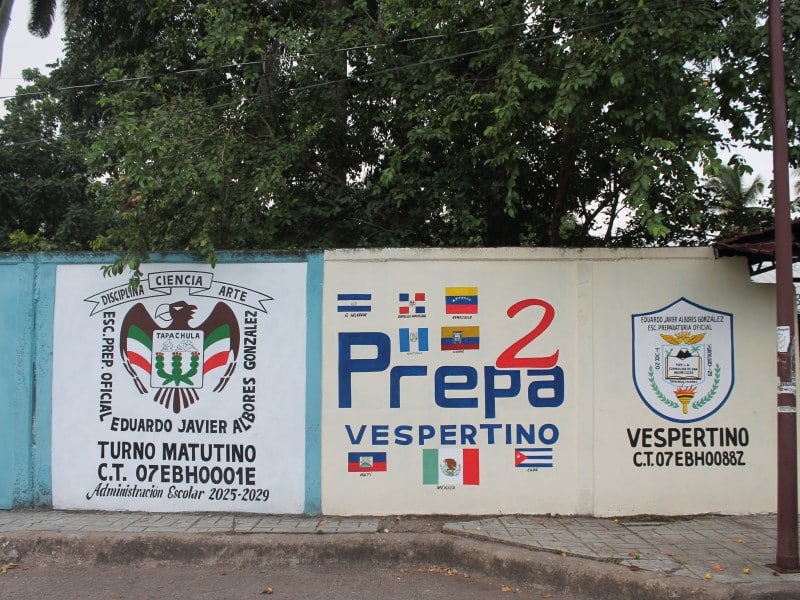
School of Welcome: Doors Open for Immigrant Students on Mexico’s Southern Border
Prepa 2 in Tapachula, Chiapas, has become a model of inclusive education by helping immigrant students overcome barriers, find community, and pursue their futures with dedicated educators.
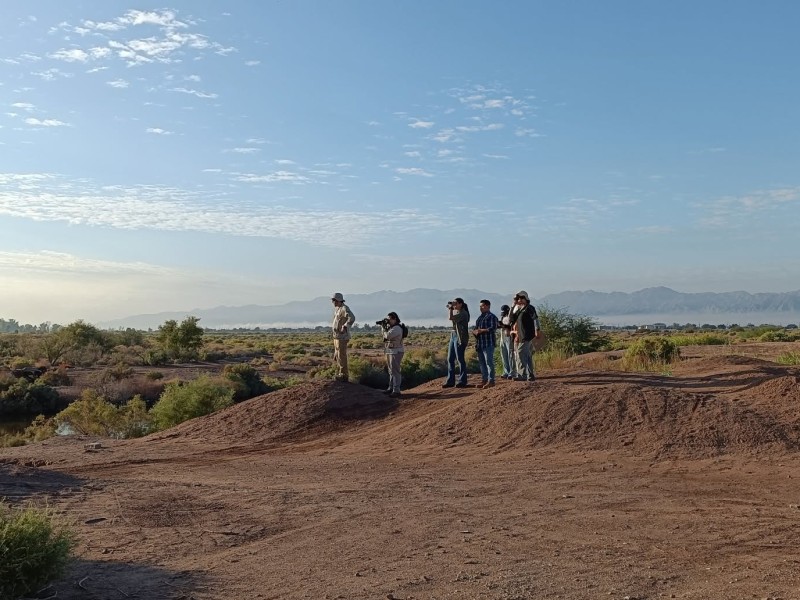
Salvemos Las Lagunas: A Morning with the Collective Working to Save Mexicali’s Last Urban Wetlands
The New River flows north across the US-Mexico border, where its lagoons provide vital habitat for hundreds of birds. For a decade, a community organization has worked to protect these crucial waterways.
