Buh Bye Kristi Noem, and who the heck is Markwayne Mullin? Trump's new pick for DHS secretary. Plus, an epic novel about the U.S. and Mexico's joint erasure of Apachería, and historian and author Lydia Otero on Tucson's racial and urban history, and more.
Historian and writer Lydia Otero on growing up in the borderlands, Tucson's racial and urban history, and their most recent book, Storied Property: María Cordova's Casa.
A man from Ghana in an American flag jacket at a migrant transition center for asylum seekers released from Border Patrol custody, after crossing into the United States, on May 12, 2023 in Somerton, Arizona. (Photo credit: Mario Tama via Getty Images)
Muzzafar Chishti, a lawyer, is a senior fellow at the nonpartisan Migration Policy Institute (MPI) and director of MPI’s office at New York University School of Law. He specializes in immigration policy and has spent years researching and writing about the United States’ outdated asylum system, which he says is “built on a 1952 architecture.”
Chishti discusses how the system could be meaningfully changed, including how Congress could make it both more humane and responsive to the country’s needs.
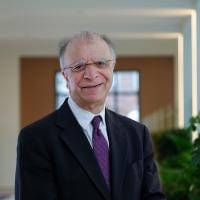
Muzzafar Chishti
The United States, he says, is facing two fundamental crises when it comes to migration. The first is that the workforce is aging, which means we need to bring in younger workers, which will have the added benefit of keeping social security alive. The second crisis is that, globally, many people see the asylum system as the only way to enter the United States. “It’s become this default mechanism,” he says. “Not only for people to enter the United States but also for our labor market.”
“Asylum is the defining nature of our country. People came here seeking refuge,” he says. “We are in danger of losing it if we don’t correct it.”
Logan Phillips was born in Tombstone, Arizona—a town best known for Old West-themed gunfight tourism. In his new book, Reckon, Phillips explores his relationship to the unusual setting of his childhood through themes of masculinity, history, and land.