Running through Borders: A Podcast with Amy Juan
Each year since 1995, the Tohono O’odham Nation has held the Unity Run. “These runs,” Amy Juan says,“not only have their purpose as prayer for the people and the land but also put us on the ground to actually see what is happening” on the border.
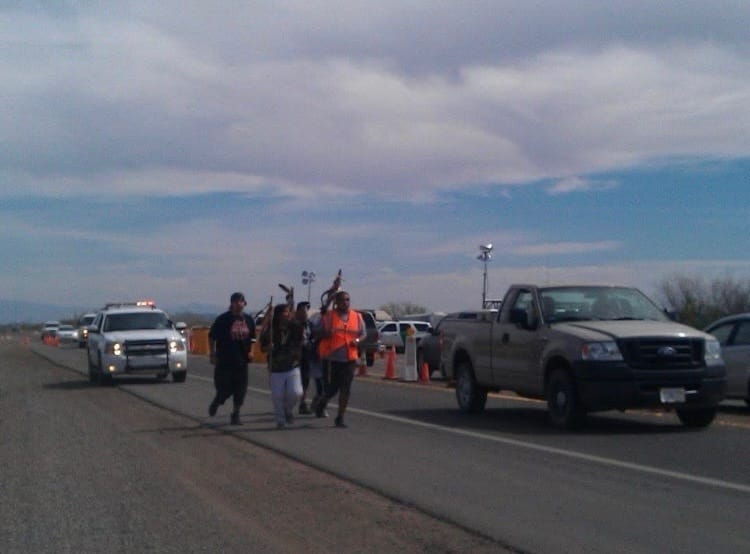
Resistance can take many forms. One of them, as Amy Juan of the Tohono O’odham explains here, is for people to come together to run in unity, prayer, and witness across traditional O’odham land, crisscrossing the U.S.-Mexico border. The annual Unity Run has taken place since 1995 with the purpose of “reinstating the tradition of running and carrying prayers,” which “unites us in respectful observance of preserving and healing our history, language, and culture,” according to the Native American Advancement Foundation.
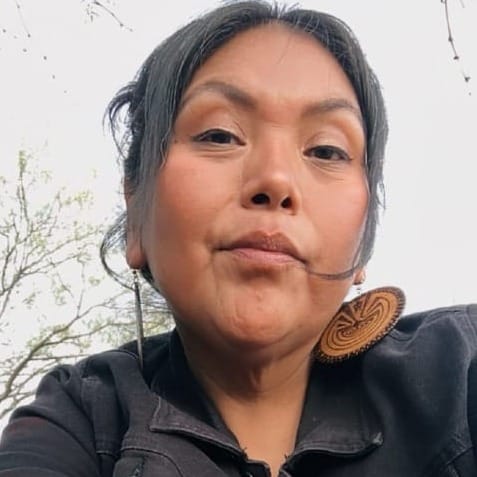
Amy serves as the administrative manager of the San Xavier Co-op Farm. She was the first guest we interviewed on the Border Chronicle podcast, in September 2021. We also had an in-depth conversation with her after the Border Patrol’s killing of Tohono O’odham member Raymond Mattia. Conversations with Amy are always rich with insight and perspective, and this one is no exception.
Amy says that the Unity Run, which took place in March, offers a good example of O’odham resilience:
The way that we’re able to adapt to different things good or bad, when it comes to our responsibilities in carrying out these traditions and these ceremonies and different things, and making sure it continues because there are worries from our elders that we’re going far away from who we are. But when there are things like this, and we see there are little kids speaking the language, there are people still telling the stories, there are people who know the history. Those things are all important because they give us the strength we need to resist the border.
This resistance may be directed, as Amy explains, against the possible construction of a physical border wall on the Nation. But its lessons can also be carried to any part of the country where the Border Patrol and ICE are operating.
Support independent journalism from the U.S.-Mexico border. Become a paid subscriber today for just $6 a month or $59 a year. We can’t do this without you!
Author

Related Articles
The Border Chronicle Turns Five. What’s Next?
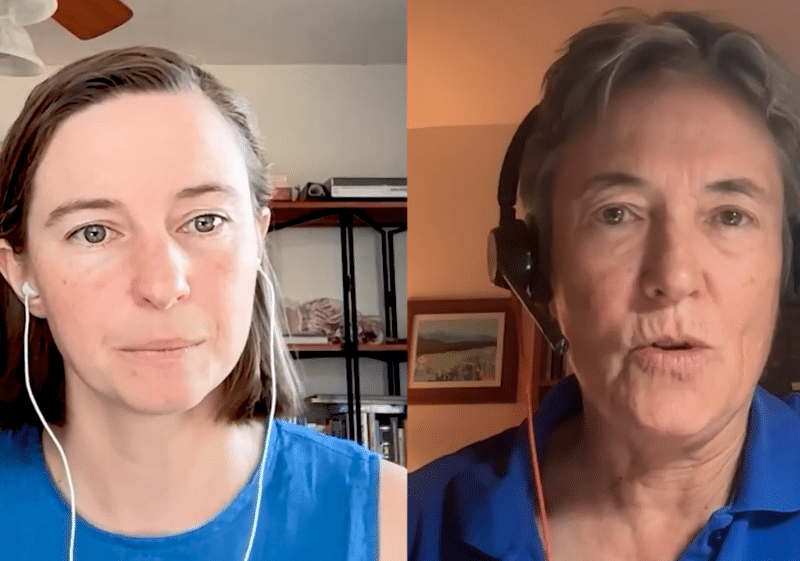
Founders Melissa del Bosque and Todd Miller join editor and reporter Caroline Tracey to revisit the newsroom’s beginnings and the stories that have defined it, and to celebrate its next chapter.
Wall Watch: Mapping Trump’s $46 Billion Border Mega-Project
In this week’s podcast, Melissa del Bosque and Geographer Dugan Meyer explain how the Border Chronicle’s new project, Wall Watch, helps residents document and understand the massive construction project underway at the U.S.-Mexico border.