
The Adulation of the Gun: How Border Militarization Fuels America’s Gun Obsession
From Uvalde, Texas, to Portland, Oregon, Border Patrol’s BORTAC is part of a growing homeland security army.
This is the second part of this week’s series looking at the Uvalde shooting through the perspective of the borderlands. Please check out Melissa’s piece “Guns to Garden Tools: A New National Movement Takes Root in the Borderlands” from Tuesday.
The Border Chronicle is a reader-supported publication. To receive new posts and support our work, consider becoming paid subscriber.

The Adulation of the Gun: How Border Militarization Fuels America’s Gun Obsession
From Uvalde, Texas, to Portland, Oregon, Border Patrol’s BORTAC is part of a growing homeland security army.
On May 25, the day after the deadly shooting in Uvalde, Texas, a booker from Fox & Friends First asked me to do an interview. The Border Patrol agent who shot and killed the Uvalde gunman was from the agency’s special forces unit known as BORTAC. I had previously called this unit the “robocops of the U.S. Border Patrol.” So Fox wanted to chat.
I smelled a trap and politely declined. The Fox anchor, I imagined, would stress the agent’s heroics and berate me for criticizing BORTAC (this was before the news of the police delay at the school).
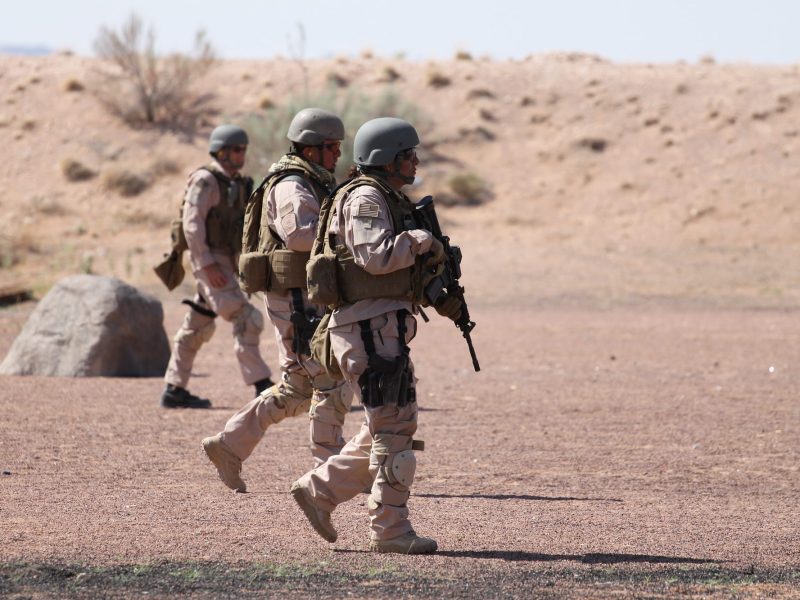
The Border Patrol Tactical Unit, BORTAC for short, was formed in the 1980s to quell unrest in immigration detention facilities. Since then, the SWAT-style unit, whose training mirrors that of U.S. Special Forces, has been involved in high-profile operations, taking part in a joint task force in the wake of the Rodney King verdict in 1992, the custodial seizure of Cuban child Elián González in 2000, and the manhunt for the prisoners who escaped Dannemora prison in northern New York State in 2015. More recently, BORTAC joined up with ICE in a show of force against undocumented people in sanctuary cities, snatched protesters off the streets in Portland, Oregon, in the summer of 2020, and raided a camp (twice) set up by the humanitarian aid organization No More Deaths in southern Arizona.
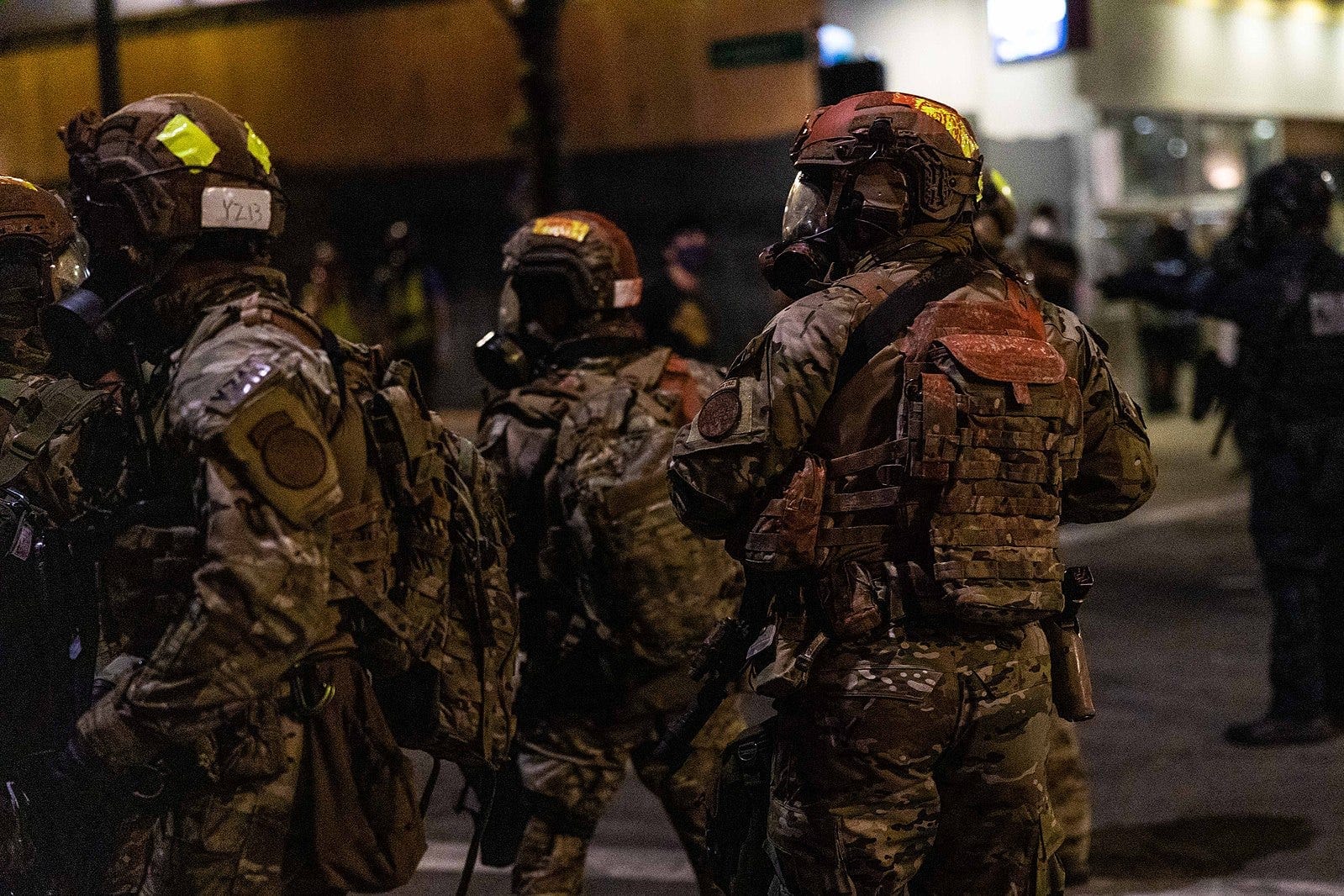

If I had appeared on Fox, however, I wouldn’t have talked about any of that. Rather, I would have stressed that the tactical unit represents the long-standing militarization of the border, and I would explore how that connects to the Uvalde shooting. On the day of the shooting, Pat Blanchfield, author of Gunpower: The Structure of American Violence, tweeted, “You wouldn’t even need to drive two hours from Uvalde in any direction, but particularly south, to find multiple sites where some combination of rangers, posses, or U.S. military forces not only decided killing children was OK but advantageous and got praised and rewarded for it.”
This might sound extreme. But think about 16-year-old José Antonio Elena Rodriguez who was gunned down in Mexico by a Border Patrol agent. Kids have also died in CBP custody, and crossing the border in the desert or across the Rio Grande. There has also been a history of abuse of children and minors in Border Patrol short term detention, as painstakingly reported by the ACLU using 30,000 pages of documents.
In general, I sensed that Blanchfield was alluding to the Homeland Security army that BORTAC forms part of. This army has been infused with billions of dollars over the last three decades (particularly since 9/11), and is reinforced by the National Guard and other police forces. This gigantic, pervasive border and immigration enforcement apparatus surrounds Uvalde. It dehumanizes mass groups of people and inflicts great suffering (officially termed “deterrence”) in the form of arrest, separation from loved ones, expulsion, incarceration, or death—including death by the bullet. Uvalde, a small town of 15,000, is located 80 miles from the border, well within the Border Patrol’s 100-mile jurisdiction. Uvalde has a Border Patrol station, and of the 80 agents who showed up to the site of the shooting, several had kids in the very school. As Jack Herrera wrote for the Texas Monthly, “The agents’ presence at the school was easily explicable: they are everywhere in Uvalde.”
The very gear worn by agents, especially in the BORTAC unit—vests, bulletproof armor, helmets, surveillance gadgets—are often used by mass shooters, and the gunman in Uvalde wasn’t any different, entering the Uvalde school in a tactical vest. If Fox had offered me more than five to seven minutes, with promises of a good-faith interview, I would have started by connecting the hypermilitarized borderlands and the United States’ gun obsession.
This connection can be quite direct in a place like Uvalde. Take, for example, the CBP’s Explorer programs, in which kids, primarily teenagers, become junior Border Patrol agents. Using “red guns,” fake guns, kids learn how to make an arrest by forcing a person to the ground and handcuffing them. They learn how to pursue “intruders” in the desert, as a Border Patrol agent told me when I was reporting on the Explorers for my book Border Patrol Nation. Often these Explorer posts will take these skills and put them into competition with other posts across the region, as happened in Uvalde in 2019. The Uvalde station also held a Citizen’s Academy, an adult version of the Explorer program, in which people learned about what the Border Patrol (and BORTAC) does in the field, and the equipment that it uses, including its weapons.
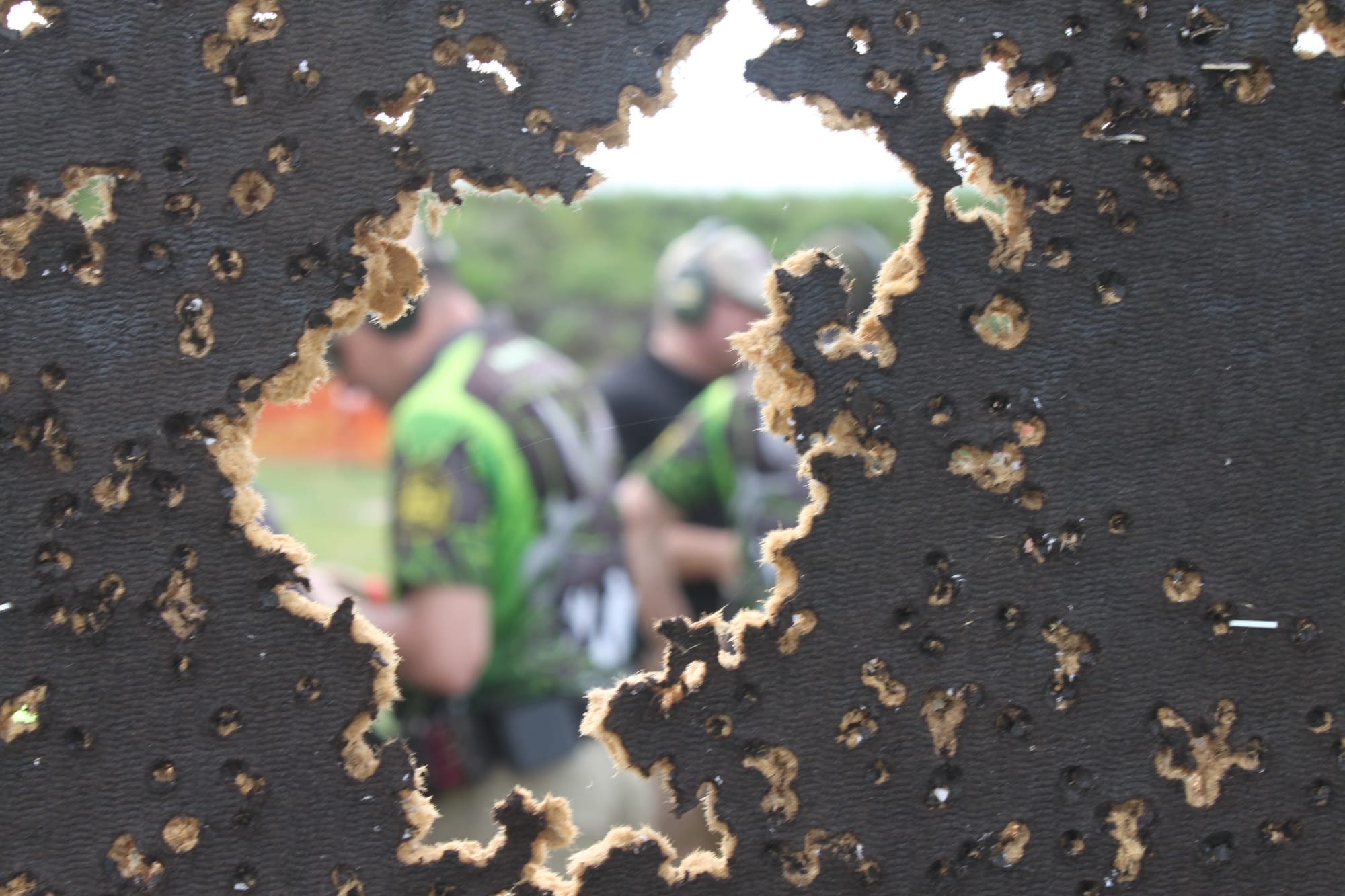
In April 2017, I went to a gun range in Bandera, Texas, about an hour east of Uvalde for a Border Patrol event. Like the Explorers, the Border Patrol was holding a shooting competition (using real guns). Contestants aimed at cutout torsos that maybe looked like Carmelo Cruz, the 32-year-old who was shot twice in the chest (and twice in the head) and killed in February by a patrolling agent. As I wrote in May, two migrant witnesses said that before shooting, the agent yelled, “This is America, motherfucker!” The gun range was only a few hours from where 20-year-old Guatemalan Claudia Gomez was shot in the face and killed in 2018. According to the Southern Border Communities Coalition, there have been at least 57 such killings by the Border Patrol since 2010.
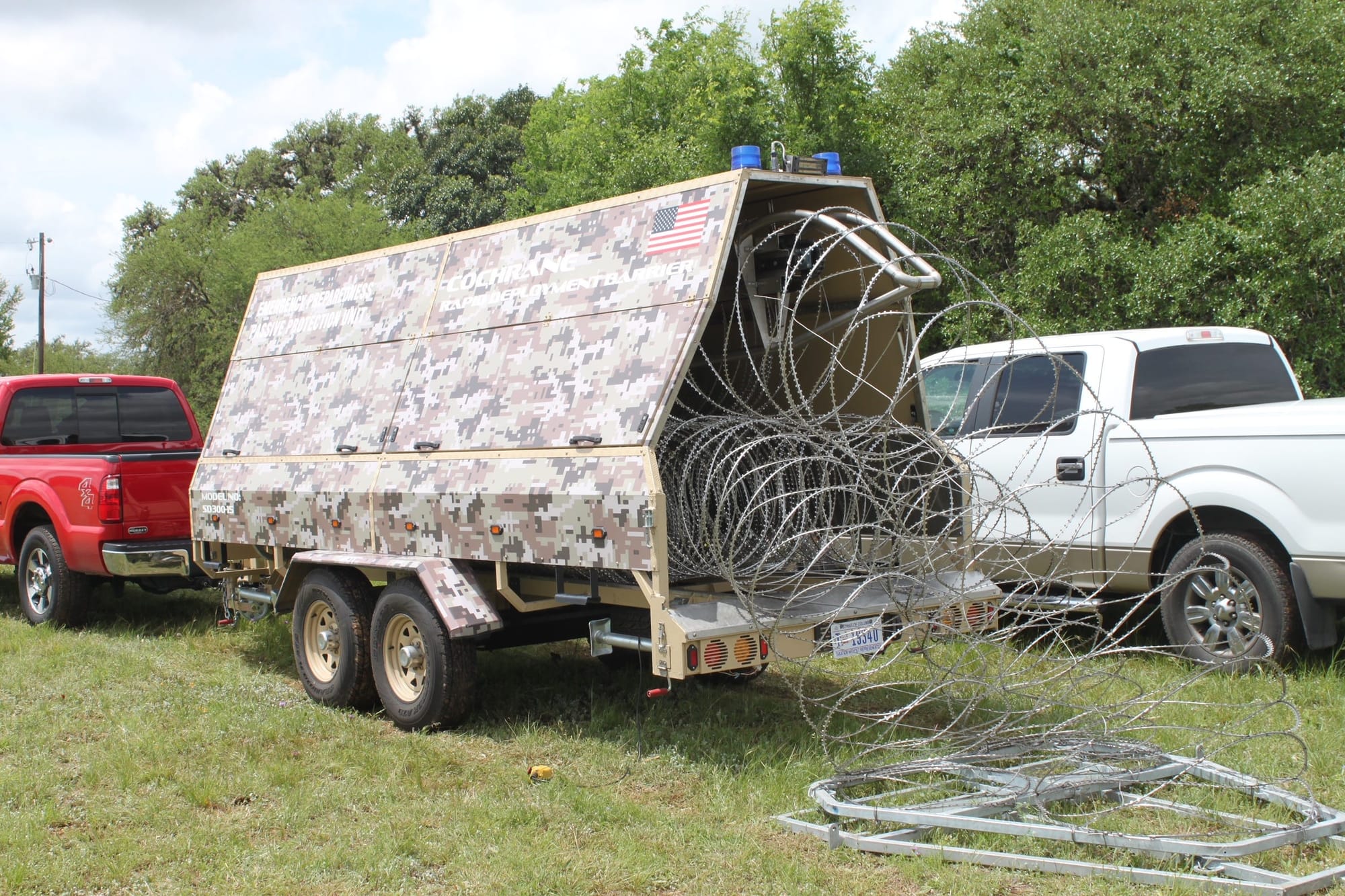
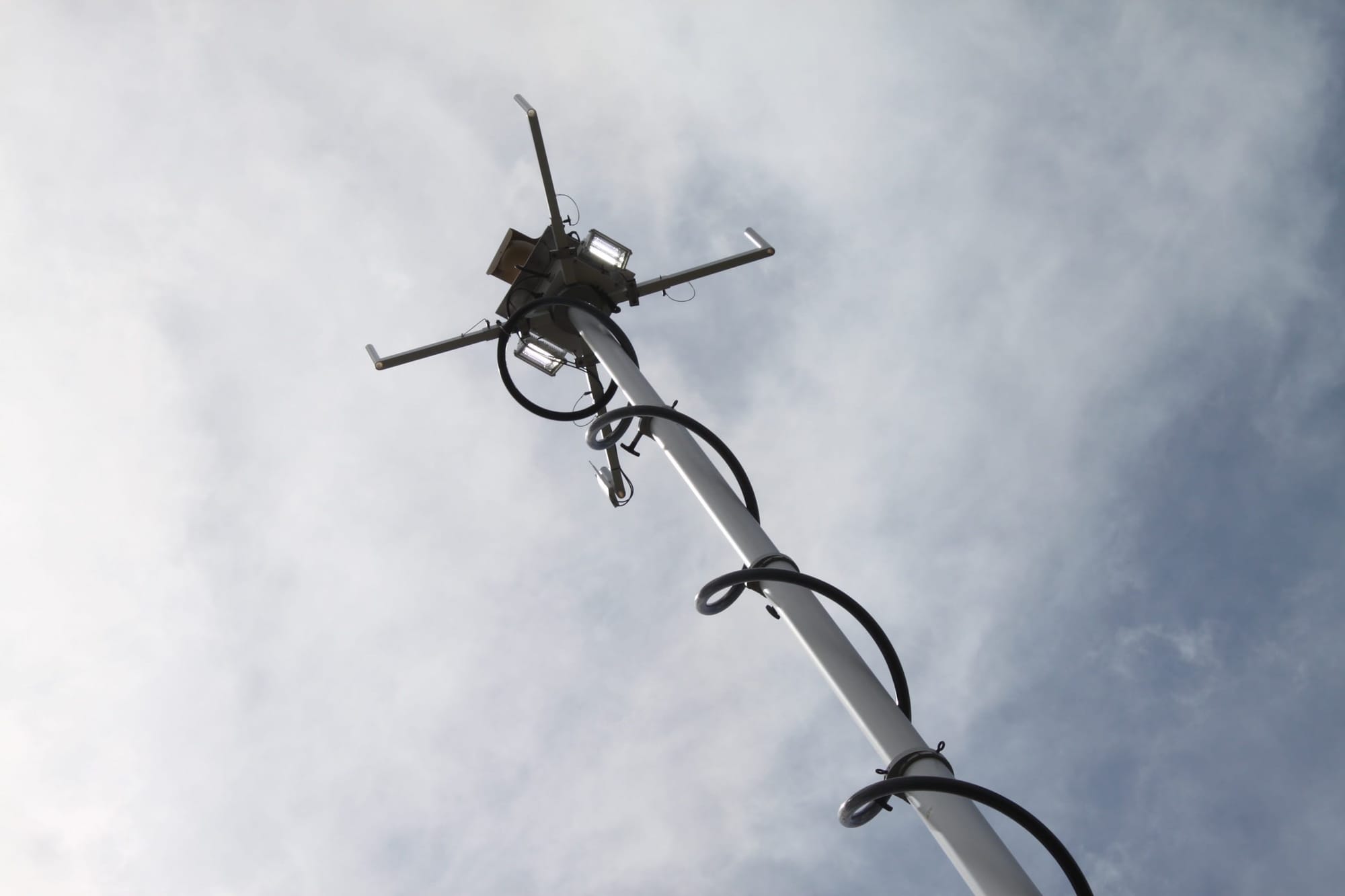
I was at the gun range that day because it was the third day of that year’s Border Security Expo, known as “demo day.” Besides the guns, there was an array of surveillance equipment put on display by private companies hoping for contracts, including a tall tower coming from a mobile command and control center. Another company demonstrated its insta-wall, coiling razor wire that emptied out of a trailer connected to the back of a truck as if the trailer were having a bowel movement.
As I watched the agents in the competition, I noticed that some treated their guns with a sort of reverence, as in a religious ritual. In the borderlands you can see what Dwight D. Eisenhower was talking about in his famous 1961 farewell speech: the arms industry, he warned, was melding with the federal government, creating a military-industrial complex. But I think even more about what he said after that, about how the complex ingrains itself somewhat invisibly, yet powerfully, into the fabric of daily life: “The total influence—economic, political, even spiritual—is felt in every city, every state house, every office of the Federal government,” Eisenhower said. “We must not fail to comprehend its grave implications. Our toil, resources and livelihood are all involved; so is the very structure of our society.”
In 2021, CBP awarded a contract for 120 million rounds of ammunition to Speer Tactical for $123 million, a record contract for that company. That would amount to 2.1 million pounds of ammo (think of how many garden tools this might make!). But the bullet and the gun are central to all things Border Patrol. This was a lesson learned in 2008 by Vermont senator Patrick Leahy, when he found himself ordered out of his car by a Border Patrol agent. When Leahy asked under what authority the agent was ordering him to do so, the agent patted his holster and said, “That’s all the authority I need.”
Such brutality was on full display in September, just an hour to the west of Uvalde in the town of Del Rio, where agents infamously horsewhipped Haitian migrants. A mass deportation back to Haiti took place in the months that followed, with flights provided by the private company Geo Group, which got a $15 million contract. In February the number of deported Haitians reached 20,000, since the Biden inauguration and more than half of them were children, many of whom had never set foot in their parents’ country. In the deportation flights adults were shackled around their wrists and waists and prohibited from comforting their crying children.
If I had done the Fox interview, I would have connected Uvalde with Del Rio. I’m not saying the Border Patrol is responsible for school shootings. But the Border Patrol is a violent institutional force whose practices revolve around guns. As former agent Jenn Budd said about BORTAC, “They view people they encounter in the military sense as enemy combatants, meaning they have virtually no rights.”
I missed my five minutes of infamy on Fox News, but I’ll stand by my characterization of the tactical unit as the “robocops of the U.S. Border Patrol.”
Author

Related Articles

Wall Watch: Mapping Trump’s $46 Billion Border Mega-Project
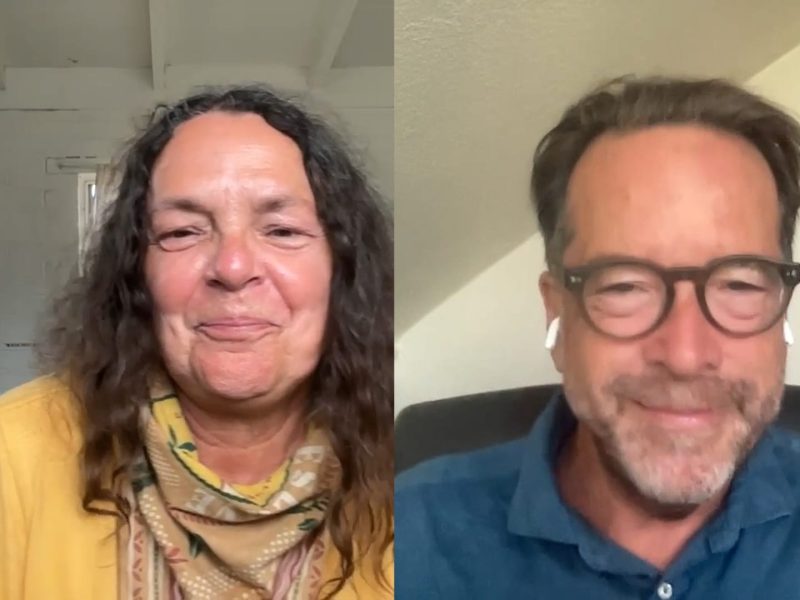
In this week’s podcast, Melissa del Bosque and Geographer Dugan Meyer explain how the Border Chronicle’s new project, Wall Watch, helps residents document and understand the massive construction project underway at the U.S.-Mexico border.
Protecting the Last Grandmother Cottonwood: A Podcast with Kate Scott
A vivid depiction of what has been happening during the last eight weeks of resistance against border wall construction in southern Arizona’s San Rafael Valley.
The Border Chronicle Launches Wall Watch, a Community-Powered Mapping Project
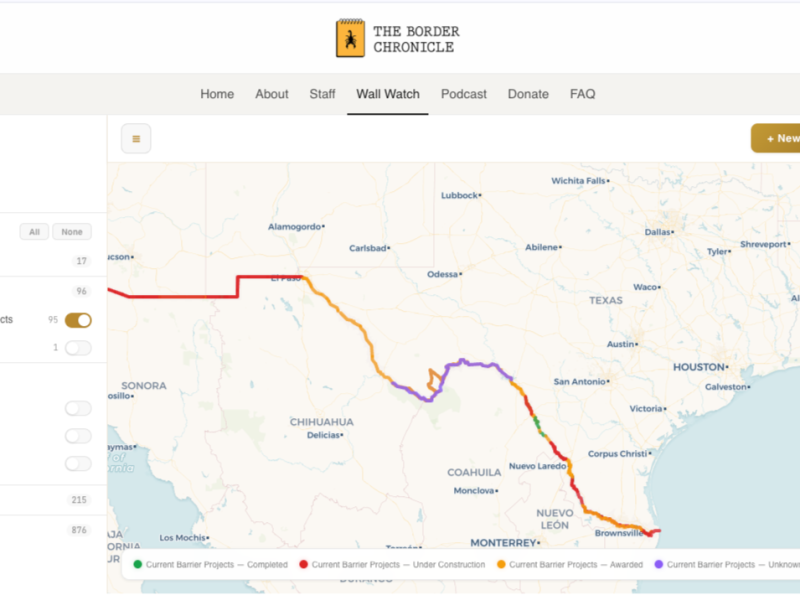
Wall Watch combines geospatial mapping, archival research, and community participation to provide the public with an accurate, continually updated record of border wall construction along nearly 2,000 miles of the international border.