
Asylum at the U.S.-Mexico Border has Never Been More Complex: A Podcast with Caitlyn Yates
Yates, co-author of a new report on asylum processing, speaks of increasingly fragmented asylum policies at the U.S.-Mexico border as a historic number of people cross the Darién Gap.
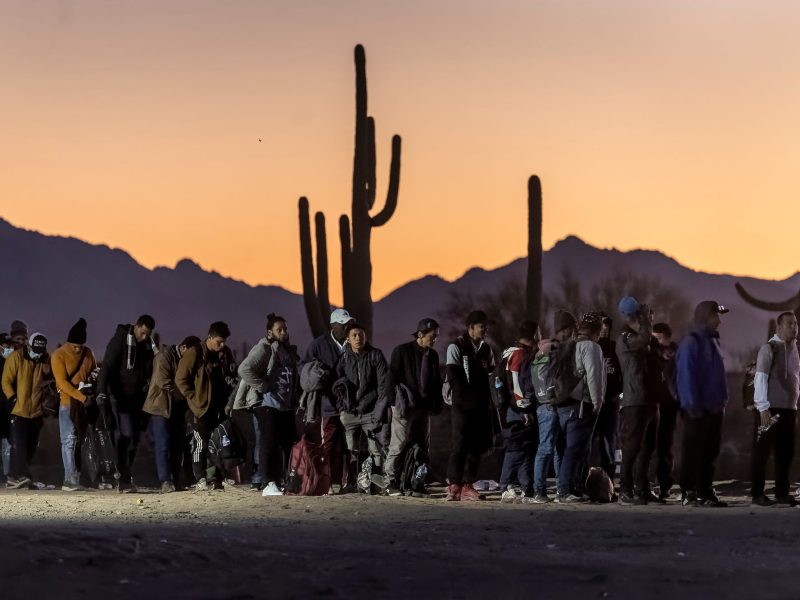
It’s been almost a year since the U.S. government rolled out the CBPOne app, which was meant to reduce the number of migrants arriving at the U.S.-Mexico border.
But a historic number of people continue to arrive. In Lukeville, Arizona, people from all over the world line up to be processed by Border Patrol with the aim of applying for asylum, while in Matamoros, Mexico, migrants wait for months in camps with no running water or toilets for an appointment on CBPOne. And in Tijuana, and other border cities, wait lists grow for vulnerable migrants, just as they did for Title 42 exemptions. “I’ve never seen it so complex as it is now,” says Caitlyn Yates, a PhD student in sociocultural anthropology at the University of British Columbia, who released a new report, along with fellow migration expert Stephanie Leutert, giving us a snapshot of the increasingly complicated puzzle that is asylum policy at the U.S.-Mexico border.
Yates joins us from Panama, where she studies the migration flow through the Darién Gap, one of the most dangerous migratory crossings in the world. This year, the jungle crossing will have seen a historic number of migrants, she says, most of whom are on their way to the U.S.-Mexico border.
Author
Related Articles
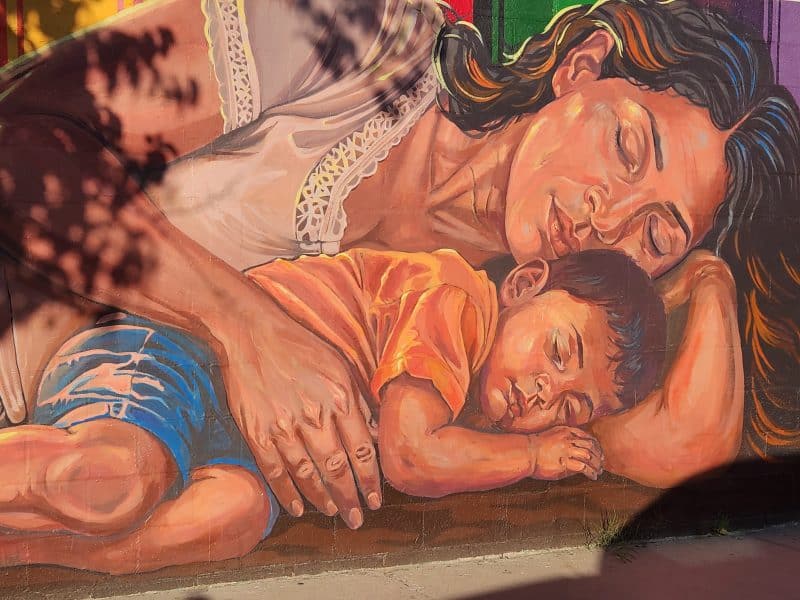
Immigration Policy Is Maternal Health Policy
Research in Texas confirms what border communities already know: that harsh immigration policies harm maternal health. As border-style enforcement spreads across the United States, its consequences for mothers and infants will spread with it.
Why Local Pressure is Key to Impacting National Immigration Politics: A podcast with John Washington, author of “How to Close a Camp.”
In February, the country broke an ominous record: over 68,000 people were being held in detention by Immigration and Customs Enforcement, more than ever before.

From Fear to Hope: At a Tucson Summer Camp, Asylum-Seeking Children Find Joy Again
As immigrant families face detention, shrinking legal protections and the threat of deportation, Camp Hope offers children a rare chance to play, heal and dream. One former camper is headed to an opera conservatory in Italy.