
Challenging Smuggling Myths on the U.S. Mexico Border: A Podcast with Anthropologist Gabriella Sanchez
“The focus on organized crime prevents us from seeing how enforcement and inequality disproportionately targets the poor.”

The Border Chronicle would like to give a big thanks to audio editor Brenda Maytorena Lara for her excellent work over the summer on our podcast. It’s been a huge pleasure working with you Brenda!
Brenda was filling in for our audio editor, Lillian Clark, who returns this month and edited this podcast. Welcome back, Lilly!

Challenging Smuggling Myths on the U.S. Mexico Border: A Podcast with Anthropologist Gabriella Sanchez
“The focus on organized crime prevents us from seeing how enforcement and inequality disproportionately targets the poor.”
Sometimes you run into people whose work and words profoundly challenge worldviews and established narratives. One such person is sociocultural anthropologist and author Gabriella Sanchez, who for more than a decade has been researching smuggling, migrants, and states’ countersmuggling responses. She has researched and investigated these issues on the U.S.-Mexico border, where she’s from, but her work ranges across the Americas, North Africa, and Europe.
Sanchez is field research director at the School of Criminology and Justice Studies at the University of Massachusetts Lowell, and she’s the author of Human Smuggling and Border Crossings (Routledge, 2016). She has also been the coauthor and editor of multiple articles and reports on this subject.
In other words, Sanchez is a top expert. And you certainly won’t want to miss this discussion. She takes on many misconceptions and myths head on, including my own (and she does correct the terminology I use). As she explains in the interview, “What we have in the Americas is the coupling of drug trafficking and migrant smuggling. . . . Why is that important? Because once again, these narratives depend on the racialization of men from the Global South and their creation as threats.”
What Sanchez offers is not only a new understanding of how smuggling operations work, and who is involved, but also a new and important framing that challenges an entrenched border narrative that so often obscures injustice and inequality.
The Border Chronicle is a reader-supported publication. To receive new posts and support our work, consider becoming a free or paid subscriber.
Author

Related Articles
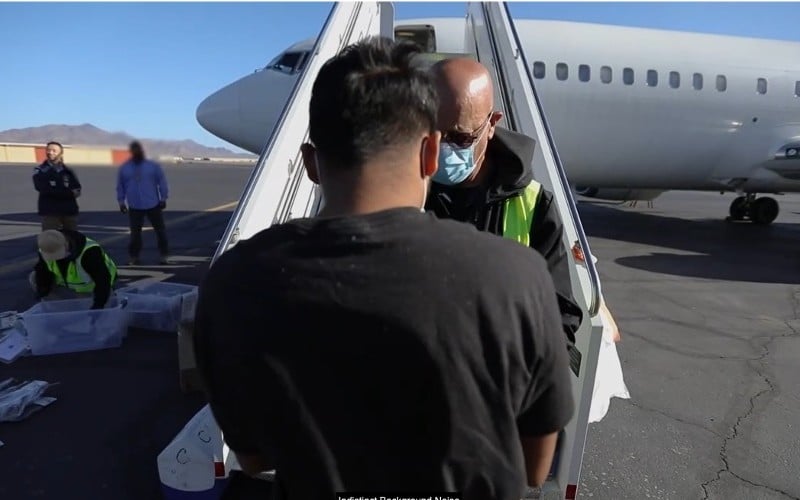
Beyond the Border Trap: A Review of Amelia Frank-Vitale’s “Leave If You Can”
Frank-Vitale says we must stop “seeing migration as the problem.” Instead, she insists, “the problem … lies in all the attempts to stop human mobility, to contain, detain, and deport people.”
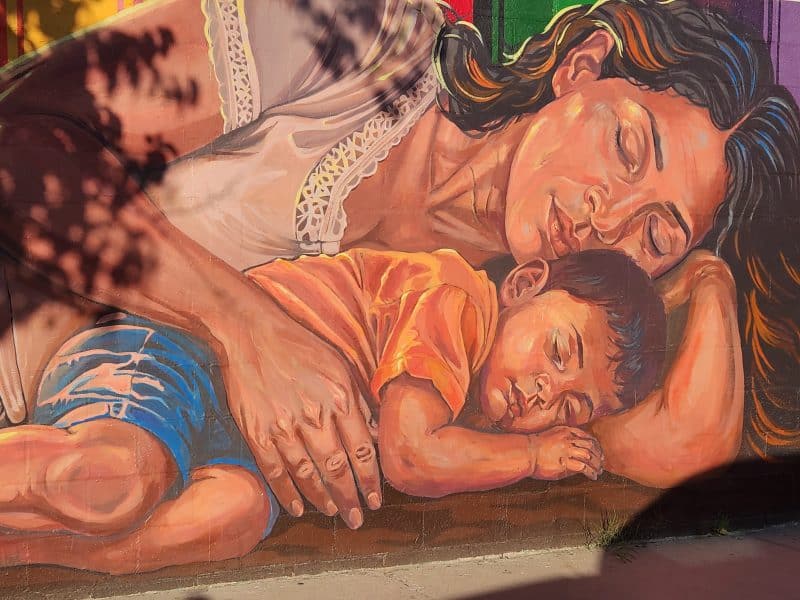
Immigration Policy Is Maternal Health Policy
Research in Texas confirms what border communities already know: that harsh immigration policies harm maternal health. As border-style enforcement spreads across the United States, its consequences for mothers and infants will spread with it.
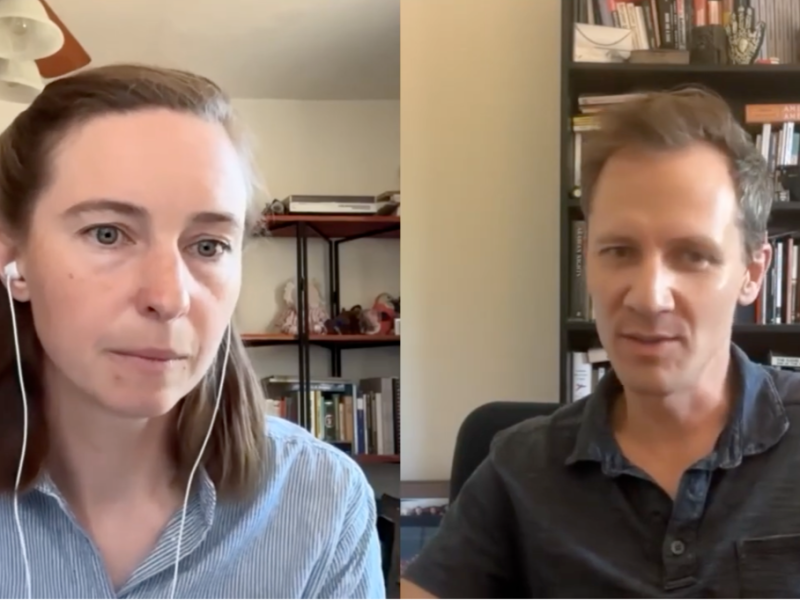
Why Local Pressure is Key to Impacting National Immigration Politics: A podcast with John Washington, author of “How to Close a Camp.”
In February, the country broke an ominous record: over 68,000 people were being held in detention by Immigration and Customs Enforcement, more than ever before.