
What’s Wrong with Mexico’s Right Wing? A Conversation with Alex González Ormerod
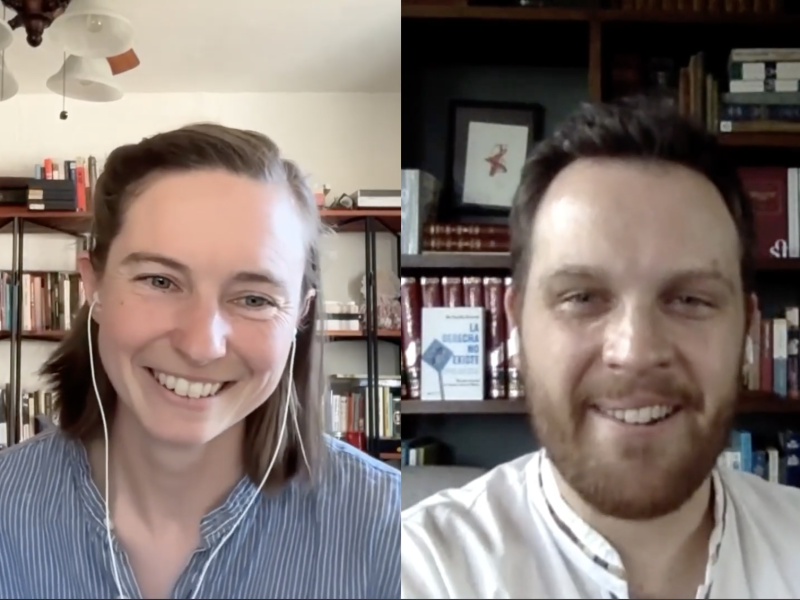
When Alex González Ormerod, editor of the Mexico Political Economist, started researching his book about the Mexican right wing, he found an odd pattern: many of his interviewees didn’t identify as part of the Right. They called themselves liberals. But “liberal” was also the term used by Andrés Manuel López Obrador, then the country’s left-wing president, to describe himself. For González Ormerod, it was a problem that Mexico’s democracy didn’t encompass the full political spectrum. He went on to title his 2025 book La derecha no existe (pero ahí está): Guía para entender su fracaso y su futuro en México [The Right doesn’t exist (but it’s there): A guide for understanding its failure and its future in Mexico]. The book is in part a history of the Mexican Right’s failures, and in part an argument for why a recovery of the Right would benefit the country’s democracy. He contends that this is important even for those who consider themselves staunchly on the Left. In this podcast, Caroline Tracey speaks with Alex about the history of the PAN party, including its odd and sometimes unhappy marriage of Catholics and businessmen, and about his arguments concerning the future of democracy in Mexico.
You can also watch this video podcast on our Border Chronicle YouTube channel.
Support independent journalism from the U.S.-Mexico border. Help us grow by becoming a paid subscriber today for just $6 a month or $59 a year.
Author

Related Articles
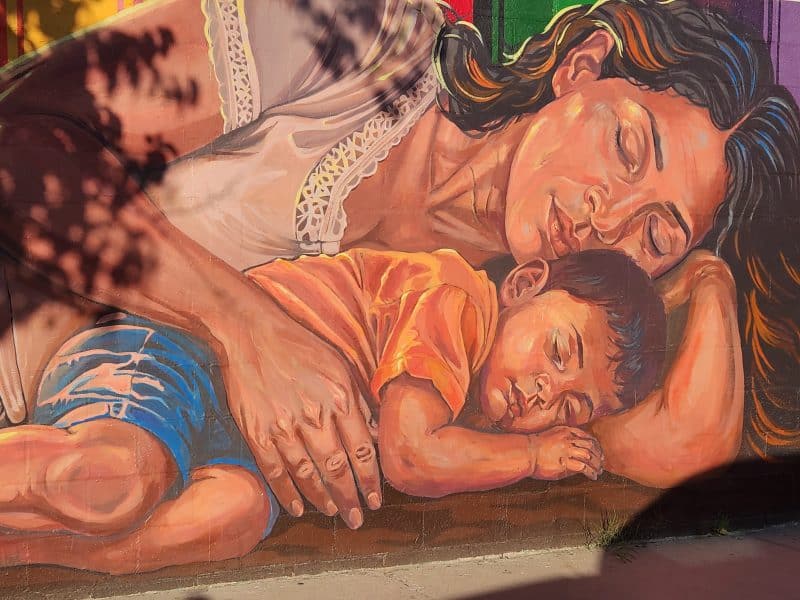
Immigration Policy Is Maternal Health Policy
Research in Texas confirms what border communities already know: that harsh immigration policies harm maternal health. As border-style enforcement spreads across the United States, its consequences for mothers and infants will spread with it.
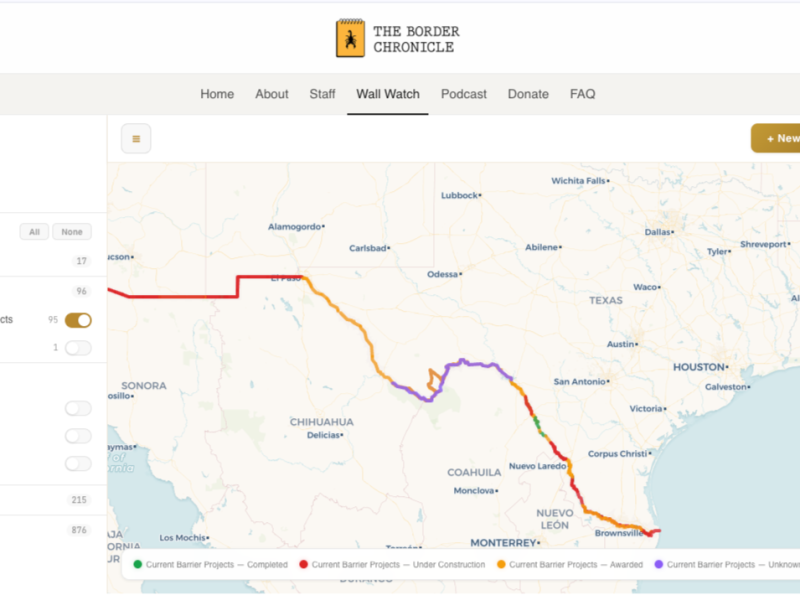
The Border Chronicle Launches Wall Watch, a Community-Powered Mapping Project
Wall Watch combines geospatial mapping, archival research, and community participation to provide the public with an accurate, continually updated record of border wall construction along nearly 2,000 miles of the international border.
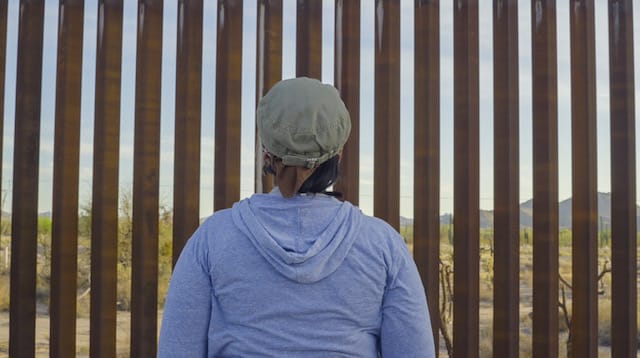
Welcome to Indian Country: 250 Years of Democracy and Authoritarianism in the U.S.
Worried about the future of democracy in the United States? Look to Indigenous histories; they have much to teach us about the struggle between liberty and empire.