
Ducey’s Debacle: The Wall of Shipping Containers Is Gone, but Questions Remain
Former protestors celebrate the re-opening of the stretch of border, and evaluate the environmental damage.
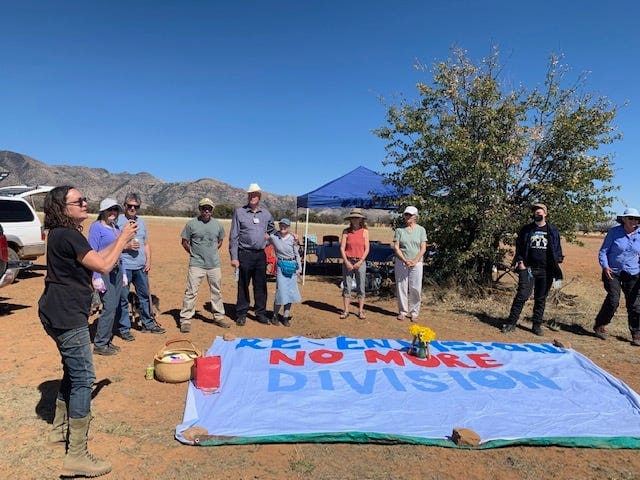
On Sunday afternoon, more than 20 people gathered at the Coronado National Forest to celebrate the removal of former Governor Doug Ducey’s shipping container wall, and re-opening of the stretch of border. There were cupcakes, speeches, and a giant banner that read “Re-envision no more division.” The banner had hung on a shipping container during the height of protests last December, when several people camped out in the snow at the site to block construction vehicles.
Kate Scott, one of the protests’ main organizers, said the banner and other items from the protest encampment, called Camp Ocelot, will go to the Arizona Historical Society. “We pressured the government to abide by the rule of law,” she said Sunday to those assembled. “We stood up for democracy.”
The U.S. Forest Service reopened the stretch of border March 31, after closing it to the public on January 3, citing concerns over “public health and safety.” This was after a judge ordered AshBritt, the Florida-based disaster remediation firm, to remove the more than three miles of double-stacked shipping container wall, which Ducey had ordered built to stave off an “invasion” at the border.
The construction, then removal, of shipping container walls in Yuma and at the Coronado National Forest in Cochise County, cost Arizona taxpayers more than $200 million.
Don Bolger, a spokesperson for the Arizona Department of Emergency and Military Affairs, which oversaw the wall construction, said the state has 2,106 shipping containers. “The plan for the shipping containers is still being determined by the Arizona Department of Administration,” Bolger wrote in an email. “The containers are being stored in state facilities in Yuma and Tucson.”
Beau Phillips, who attended the Sunday celebration, said he was working with the state to obtain shipping containers to convert into low-income housing. Because of the cost of transporting them, Phillips said, it made sense to keep his project in Tucson. “Each shipping container costs $8 a mile to transport, so it makes sense to focus on Tucson,” he said. Phillips said he’s calling the project Boxes of Hope and is currently working on a prototype.
Sheriff David Hathaway, from Santa Cruz County, west of Cochise County, also attended Sunday with his wife, Karen. “I’m here to celebrate this positive moment and that a small group of people can make a difference against a big well-funded machine,” he said.
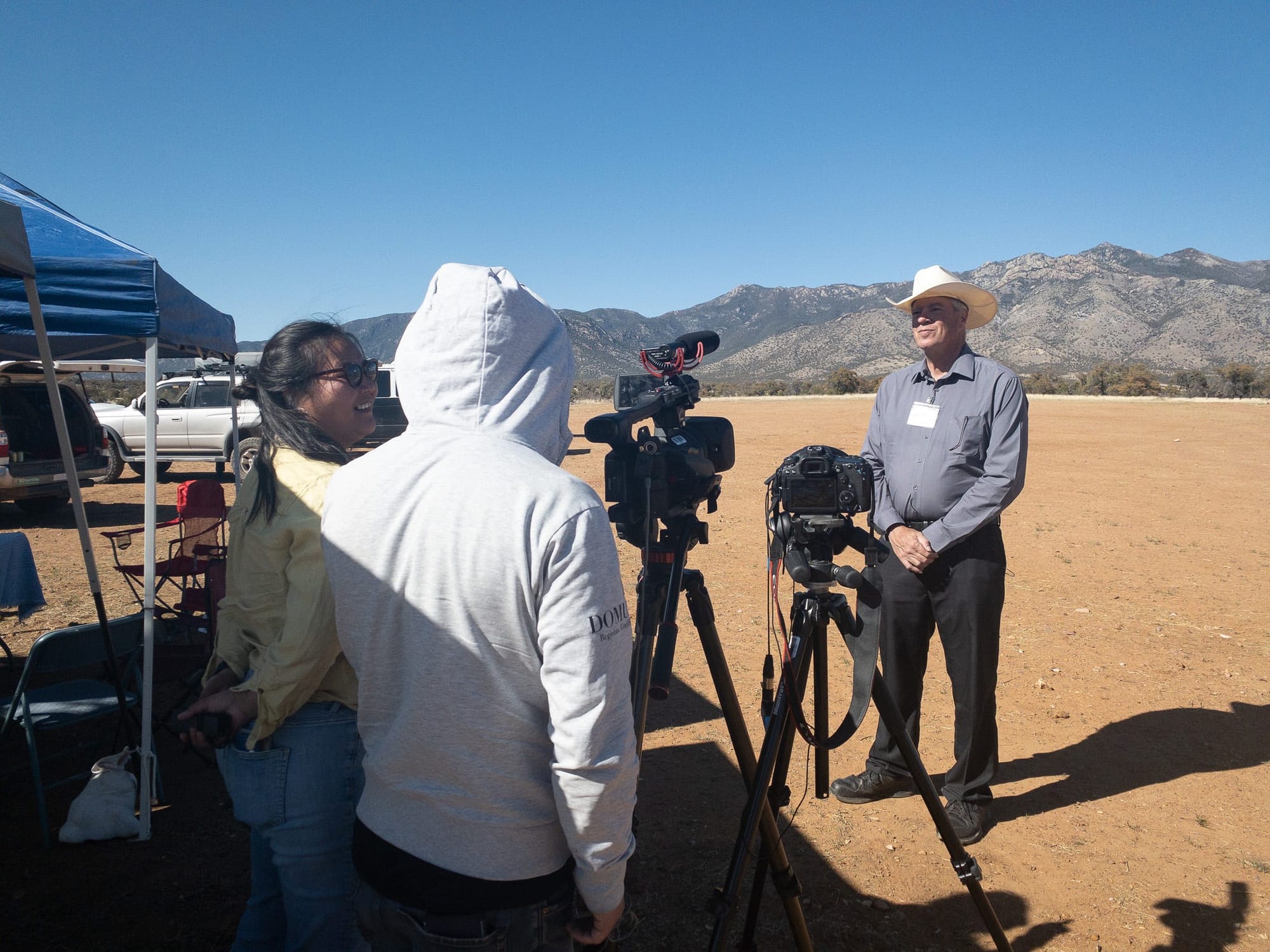
Hathaway read a poem at the event and said it was good to celebrate the positive since he and his office had been receiving hateful phone calls since arresting a rancher for fatally shooting a Mexican man near his home. “None of these messages come from local residents, but from outside of the border,” he told me.
In December, as construction of the shipping container wall was moving rapidly west toward Hathaway’s county, the sheriff told The Nogales International that he would arrest AshBritt’s workers for “illegal dumping” if they tried to build it in Santa Cruz County.
Afterward, he visited Camp Ocelot to lend his support. “The feds told the state that the wall was being illegally constructed,” he said. “But Ducey and the state ignored this.”
Andy Kayner and his wife, Jennifer Wrenn, who live not far from where the construction was taking place at the border, south of Sierra Vista, were some of the first protesters at the site in late November, along with Kate Scott, who runs the local nonprofit Madrean Archipelago Wildlife Center.
On Sunday, Kayner said they were camping with friends and enjoying the beautiful view now that the area had been reopened by the Forest Service. “I can see into Mexico again rather than look at a two-story rusted wall,” he said. “We’re here to celebrate the closing of the final chapter of this whole debacle.”
But environmental groups say the debacle is not quite over. Now the damaged areas in the forest need to be remediated. Large swathes of land were cleared, and oak trees cut down during construction. There’s also concern about blocked waterways. I contacted the Forest Service about plans for remediation. A Forest Service spokesperson, Ivan Diego Knudsen, wrote in an email that he couldn’t comment because it is “still currently under litigation.”
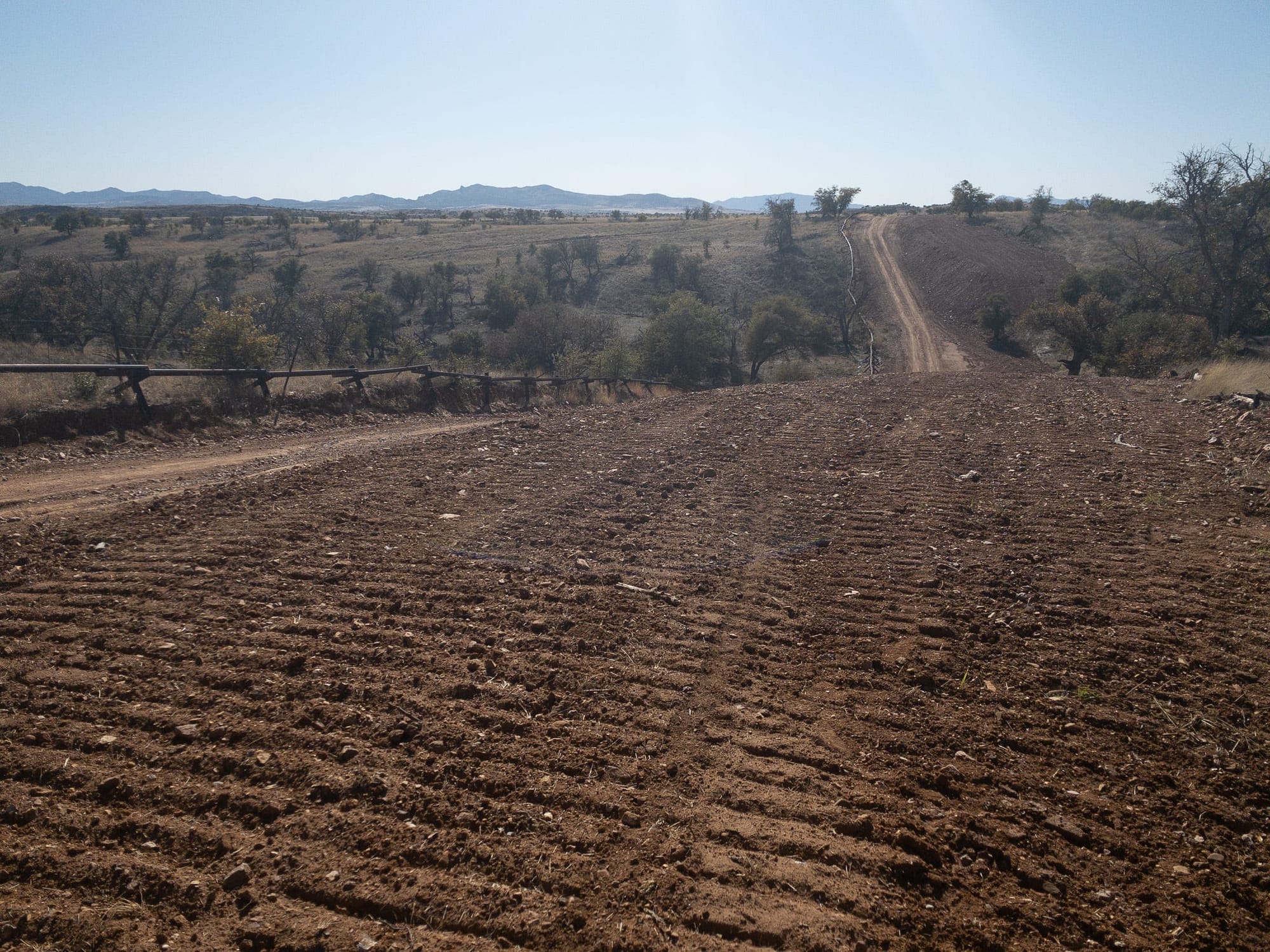
In December, the U.S. government filed a lawsuit against Ducey and the State of Arizona to stop construction of the shipping container wall. The lawsuit also seeks compensation for environmental damages. On February 2, the U.S. government asked for a 90-day stay, which was granted, while the Forest Service assesses the damage and extent of remediation that will be required.
The stretch of border in the San Rafael Valley is an important migratory corridor for wildlife, with more than 130 species of animals documented in the area, including mountain lions, bobcats, and gray foxes, according to the nonprofit environmental group Sky Island Alliance.
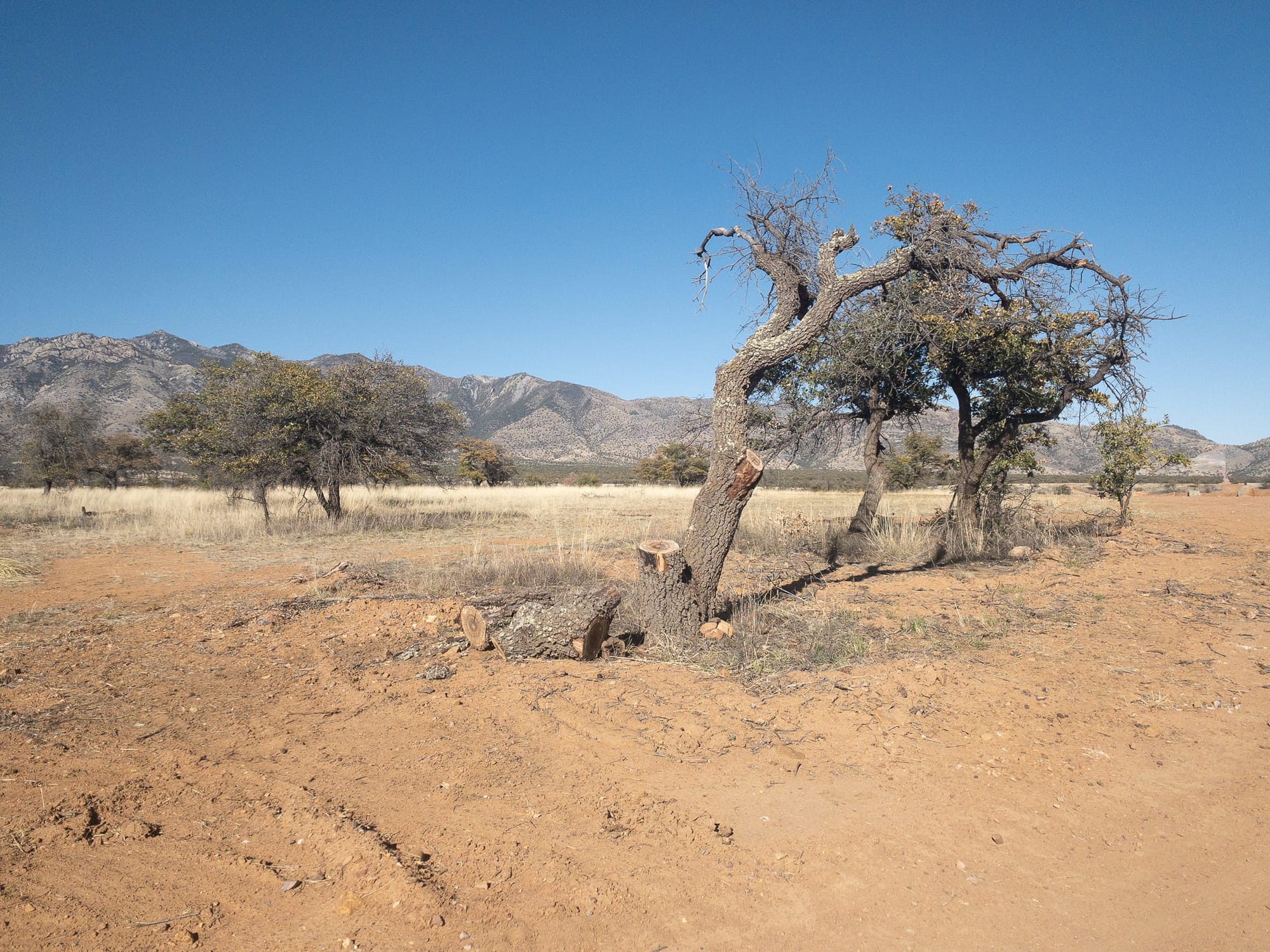
Erick Meza, a borderlands coordinator for Sierra Club, who was at the celebration Sunday, and took part in the protests, said he had been waiting for the Forest Service to reopen the area so he and other environmental groups could assess the damage. In January, the agency granted access permits to a handful of environmentalists, including Meza and Scott, but then within days canceled them. Meza said he planned to come back and evaluate the damage. “Land has been cleared and vegetation destroyed,” he said. “And we need to look for any invasive species that might have been brought in by the construction equipment.”
Scott said, like Meza, that she’s waiting to learn about remediation plans from the Forest Service and who the contractors will be that carry out the work. Scott said the dozens of protesters who showed up to stop the shipping container wall were part of an important resistance network that would return if needed to protect the environment and the land. “We are totally committed to doing it again, if need be,” she said.
Author

Related Articles
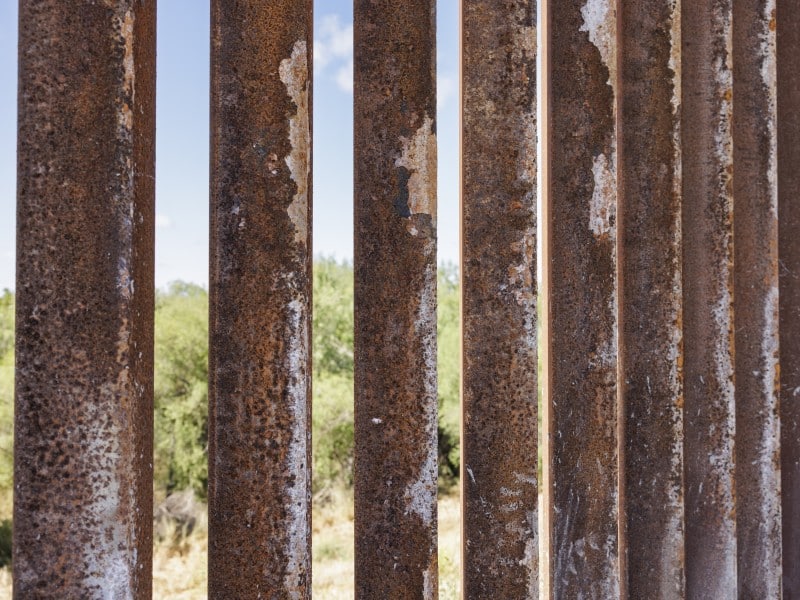
American Rust: The $1.1 Billion Border Wall Built with Salvaged Materials and Few Answers
A newly constructed wall built with old, salvaged material in South Texas is probably illegal; it’s also costing twice as much as previous walls. What are taxpayers paying for, exactly?
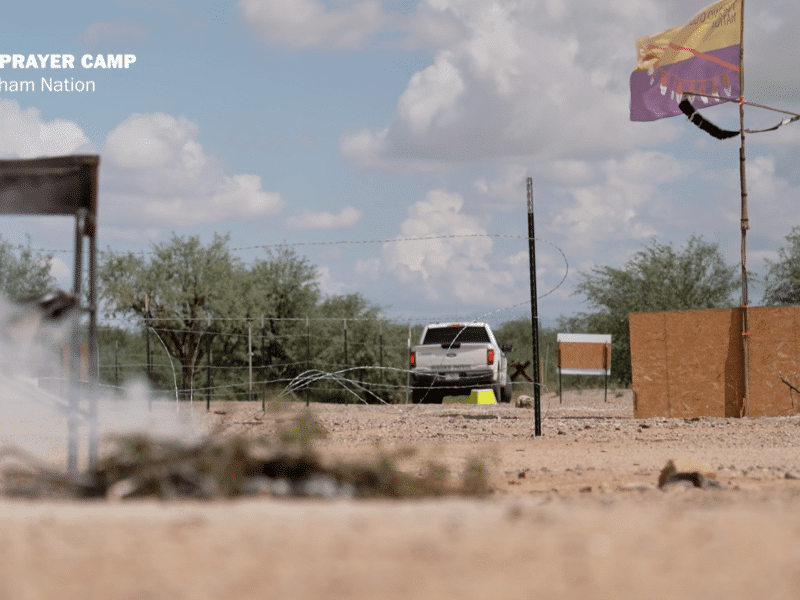
“We See No Border”: The Tohono O’odham Fight Against the Border Wall
The irreparable harm that has already been done, says tribal chairman Verlon Jose, you can feel it, hear it, in the people.
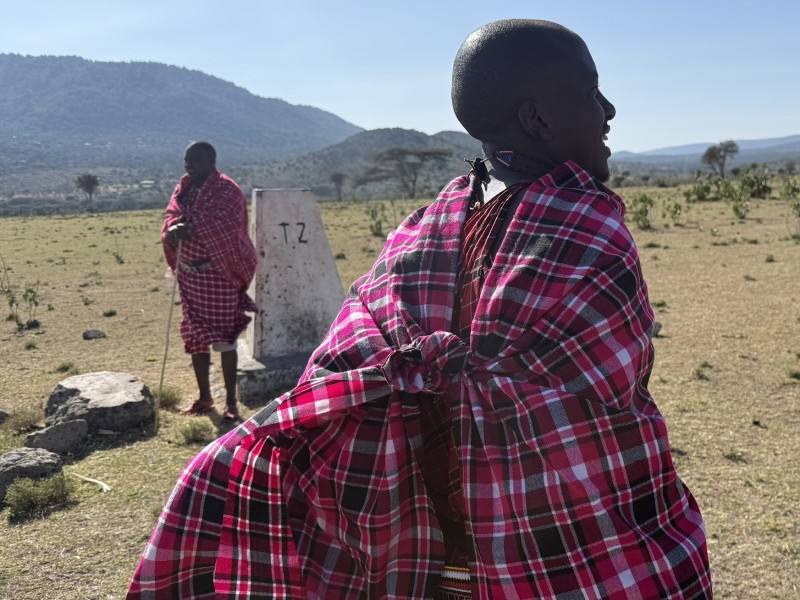
Swarm Intelligence: A Reporter’s Notebook on the Freedom of Movement in the Maasai Borderlands
Could solutions to climate woes such as drought be found in the freedom of mobility? This on-the-ground report from the Kenya-Tanzania border examines that question and more.
