
Reporter’s Notebook: Melissa Talks About a New Binational Investigation on Border Militarization and Drownings in the Rio Grande
A special podcast with Lighthouse Reports about a year-long collaboration with The Washington Post and El Universal in Mexico published this week.
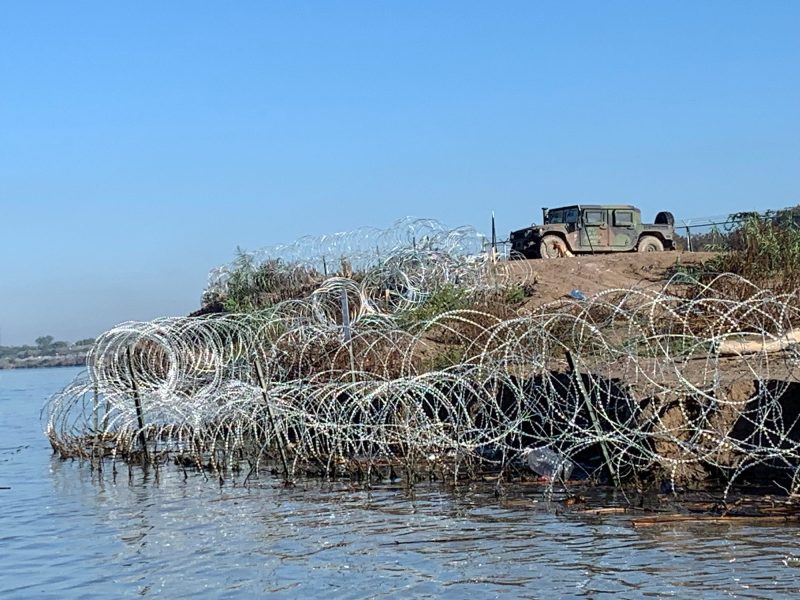
On Sunday, The Washington Post, El Universal in Mexico, and Lighthouse Reports published “Death and Deterrence in the Rio Grande,” a yearlong investigation on drowning deaths of asylum seekers. As the U.S.-Mexico investigations editor for Lighthouse Reports, I helped collect the data, did reporting, and coordinated the binational investigation.
We wanted to examine how border militarization, including Texas’ Operation Lone Star, contributes to the growing number of drowning deaths in the Rio Grande/Río Bravo.
As a longtime border reporter, I had never encountered a comprehensive, binational investigation of this issue, so a year ago, we set out to document what was happening, especially in the Eagle Pass/Piedras Negras corridor on the Rio Grande, which has seen the highest number of drownings.
The investigation began November 15, 2023, when I and my colleagues Daniel Howden, director at Lighthouse Reports, and Justin Hamel, an independent photojournalist, set out from the boat ramp at Shelby Park in Eagle Pass. Leading us down the river was Jessie Fuentes, owner of Epi’s Canoes and Kayaks. We set out at sunrise as fog drifted across the river, lending it a ghostly, ethereal ambience. But we were soon met with a cold, hard reality: desperate families stranded on islands in the middle of the river. We came across a family of four, the father with a toddler on his shoulders, standing in the freezing water. Soldiers in Texas yelled at them to go back to Mexico. During our investigation, we found that in 2023, one out of every 10 people who died in the river was a child. Our trip down the river was a heartrending experience, one I’ll never forget.
In this special Backlight & Border Chronicle podcast, I discuss our investigation’s findings with my Lighthouse colleagues Beatriz Ramahlo da Silva and Tessa Pang. And please check out the full investigation published by our media partners The Washington Post and El Universal. You can also read about how we undertook the lengthy data collection and analysis for this project at Lighthouse Reports.
Author
Related Articles
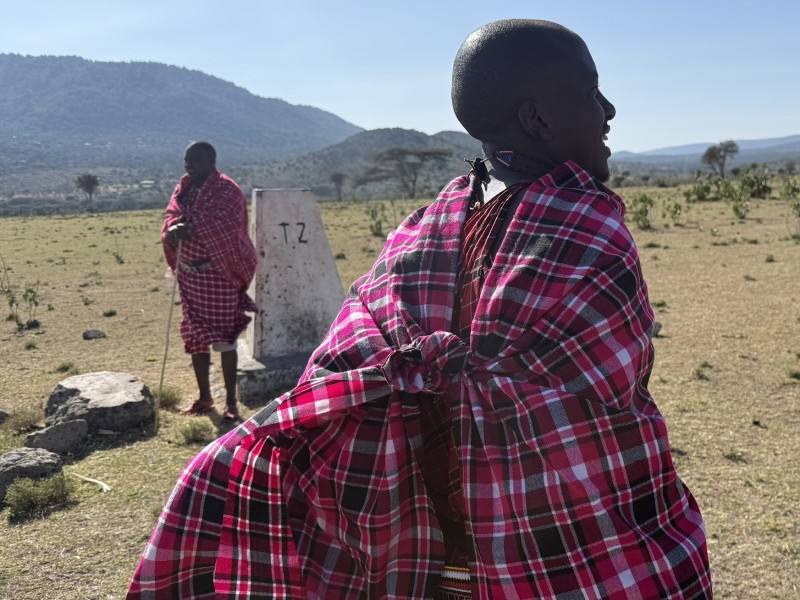
Swarm Intelligence: A Reporter’s Notebook on the Freedom of Movement in the Maasai Borderlands
Could solutions to climate woes such as drought be found in the freedom of mobility? This on-the-ground report from the Kenya-Tanzania border examines that question and more.

Wall Watch: Mapping Trump’s $46 Billion Border Mega-Project
In this week’s podcast, Melissa del Bosque and Geographer Dugan Meyer explain how the Border Chronicle’s new project, Wall Watch, helps residents document and understand the massive construction project underway at the U.S.-Mexico border.
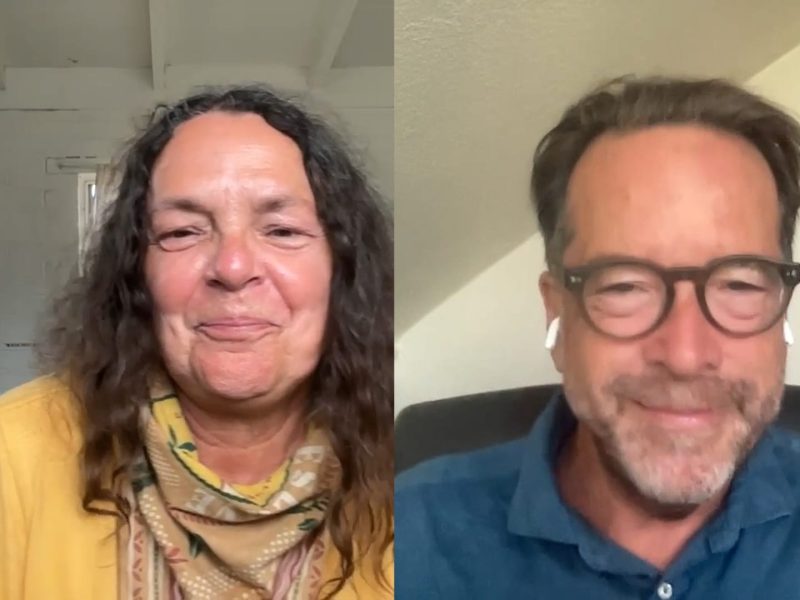
Protecting the Last Grandmother Cottonwood: A Podcast with Kate Scott
A vivid depiction of what has been happening during the last eight weeks of resistance against border wall construction in southern Arizona’s San Rafael Valley.