
Taylor Swift Builds Bridges, Not Walls
A father and daughter talk borders, what it means to be binational citizens, and their shared love for Taylor Swift and Juan Gabriel
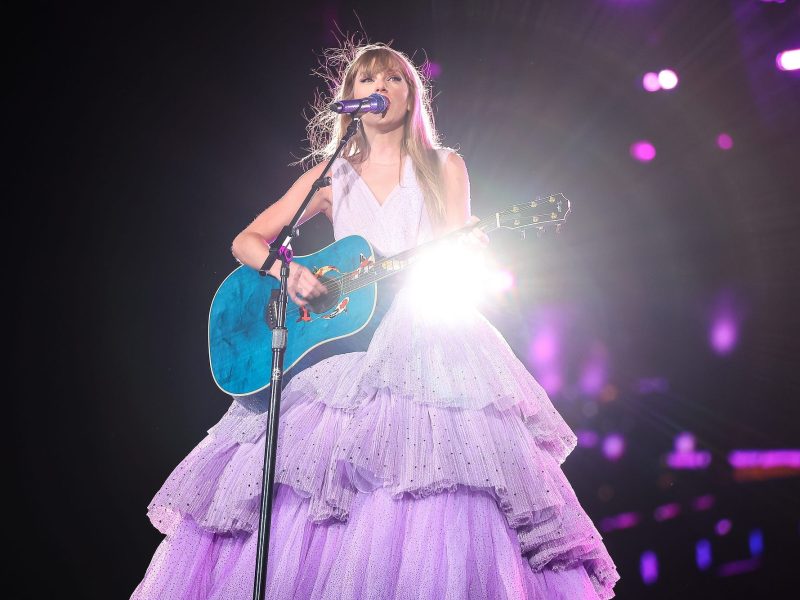
We’ve been covering some tough topics this summer, from Texas’ Operation Lone Star to CBP abuses in the borderlands. On this Friday, The Border Chronicle thought it would pivot to something a little less heavy — this fun and thoughtful conversation between a father and daughter about superstar, Taylor Swift, who is performing a series of concerts in Mexico City this weekend, on the first stop of her world tour.
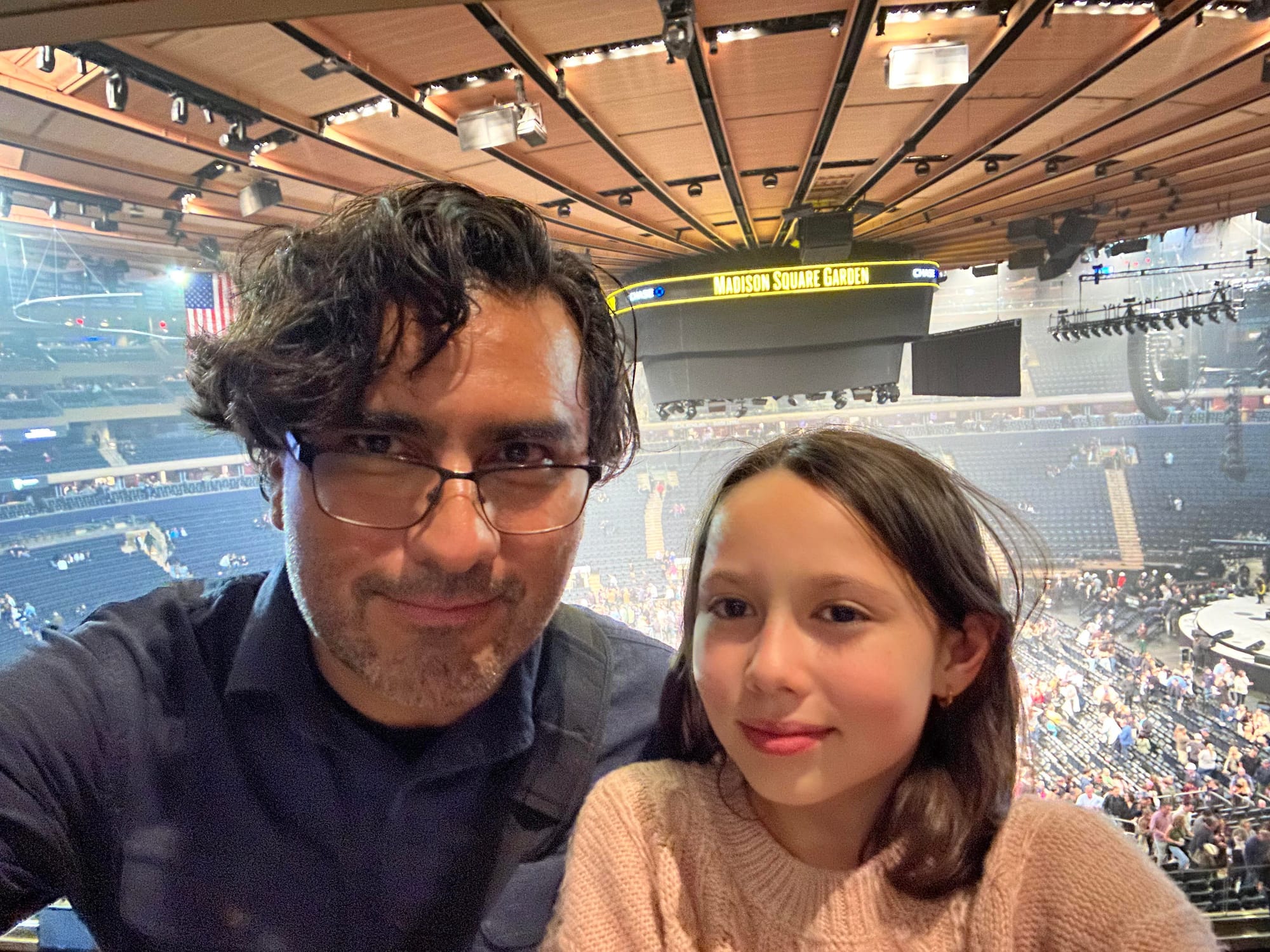
Readers of The Border Chronicle will be familiar with border journalist and academic, Oswaldo Zavala, whom we’ve interviewed twice on our podcast. In this conversation, Zavala, talks with his 11-year-old daughter Ximena about the experience of listening to Taylor Swift’s music in anticipation of attending the “Eras Tour” in Mexico City’s Foro Sol this weekend.
Oswaldo, originally from Ciudad Juárez, has lived in New York for 15 years and is a professor of Latin American literature and culture at the City University of New York (CUNY). Ximena, who was born in Brooklyn, is a rising sixth grader with a budding career as a film and theater actress. She lived in Mexico City for two years and, like her father, is bilingual and a Mexican citizen. This conversation was edited for coherence and clarity. You can also read it in Spanish here.

By Ximena Zavala and Oswaldo Zavala
OZ: I’m a late Swiftie, as you know, but enthusiastic. The experience of her music is twofold for me. I like Taylor’s narrative gifts, her way of concentrating stories, small chronicles of love and heartbreak, of the difficult process of growing up. But then I like to listen to it again from your perspective, from the place where you hear it. Do you think that listening to her music with me also changes your perspective?
XZ: You don’t remember anymore, but I heard her music for the first time because you played me a couple of her songs. First “Shake It Off,” and then “Blank Space.” I really liked the rhythm. When my brother and cousin used to hurt themselves playing, my uncle would tell them “Shake it off!” Then you gave me the family Ipad, and I searched Youtube for the videos of those songs. I liked it when Taylor destroys things in the video of “Blank Space.” It’s fun and chaotic.
OZ: I remember that day in July 2020, as we walked through the forest along the Potomac River during the pandemic. Taylor had released her album Folklore, and I downloaded it on my phone to be the soundtrack of our afternoon walk. When “Cardigan” played, I felt for the first time that her lyrics also spoke to me. We both liked that verse about changing the ending of the story, imagining that Peter Pan was the one who lost Wendy and not the other way around, like in the classic children’s book (“I knew you / tried to change the ending / Peter losing Wendy”). Why do you like that verse?
XZ: I really liked that verse when I heard it because generally in this society men/boys are the ones who decide to leave and women/girls are the ones who wait and lose their love. In that verse from “Cardigan” instead of the girls losing their partner, Taylor’s boyfriend in the song tries to change the story where the boy loses the girl. I like that in the song, it’s the girls who leave.
OZ: Taylor’s biography is cited as a key to understanding many of her lyrics, such as “Dear John” and “Style,” apparently dedicated to the singers John Mayer and Harry Styles. Celebrity gossip is a big point of the discussion among Swifties, but she rarely feeds those interpretations directly. You and I, however, like those songs because of their musical structure and how well written they are. We have spent hours singing some of them and playing them on the piano or guitar. What do you understand when you hear them?
XZ: While I still don’t understand the full emotions of a relationship, I can understand how it feels when she wrote those songs. I know she was in love with someone and I also know that when she wrote these songs they weren’t a couple anymore. Songs are like a diary where you can express your emotions. So her fans can relate to the songs. It’s important to give voice to thoughts because this can help you understand how to work through those emotions.
OZ: You know it’s hard for me to avoid talking about the Argentine writer Jorge Luis Borges when I think of any form of culture, and with Taylor Swift I make no exception. Borges said that one’s an author by chance, that a reader could also be the author, and that it doesn’t matter who writes and who reads. I don’t know if Taylor has read Borges, but she operates in a Borgesian way when she states that listeners should approach her songs from their own contexts and not from her biography. Her songs belong to you and me as we listen to them. Do you agree?
XZ: Yes, I think every single person listening to Taylor shouldn’t focus on how she was feeling but on how they feel when they listen to her songs. This is what happens with the song “Me!” which makes the person who listens to it feel special and unique. [Ximena sings.] And you can’t spell “awesome” without “me.”
OZ: We recently went to a Billy Joel concert, a 74-year-old rock musician. The first song you liked by him was “Uptown Girl,” which Olivia Rodrigo — a 20-year-old singer and composer — quotes in her song “Deja Vu,” which in turn is inspired by “Cruel Summer” by 33-year-old Taylor Swift. Billy Joel, in turn, invited Olivia to one of his concerts to sing with him “Deja Vu” and “Uptown Girl.” What does it mean to you, an 11-year-old girl, that these artists of different ages can dialogue and make music together?
XZ: I listen to all of them because they’re great musicians. His ideas are powerful and brilliant. And when they collaborate, all those ideas come together to create an even a bigger, better idea. Age doesn’t matter. The important thing is your ideas. And as you taught me, ideas are sometimes bigger than people.
OZ: My friend, the Chicano writer Santiago Vaquera —a pocho like you who was born in the United States, but who crosses the U.S.-Mexican border as if walking across the Brooklyn Bridge— told me that Taylor’s music after Folklore and her collaboration with Aaron Dessner of the band The National, combines the “sad girl” and the “sad dad” genres. But sometimes I feel that the roles are reversed and that I like the “sad girl” songs as much as you like the “sad dad” ones. What do you think?
XZ: I like crossing the Brooklyn Bridge because you can be in-between two very beautiful places at the same time. Like a bridge, Taylor’s music joins different types of people who relate to each other and enjoy music together. It’s like when I listen to Juan Gabriel or Billy Joel, who are “sad dads,” and I like them because they are like you, and I like to imagine how you feel. Also, Taylor is like Juan Gabriel because the two mix many genres and write music for many types of people. They are great musicians who compose their own songs.
OZ: But Juan Gabriel composed more than a thousand songs…
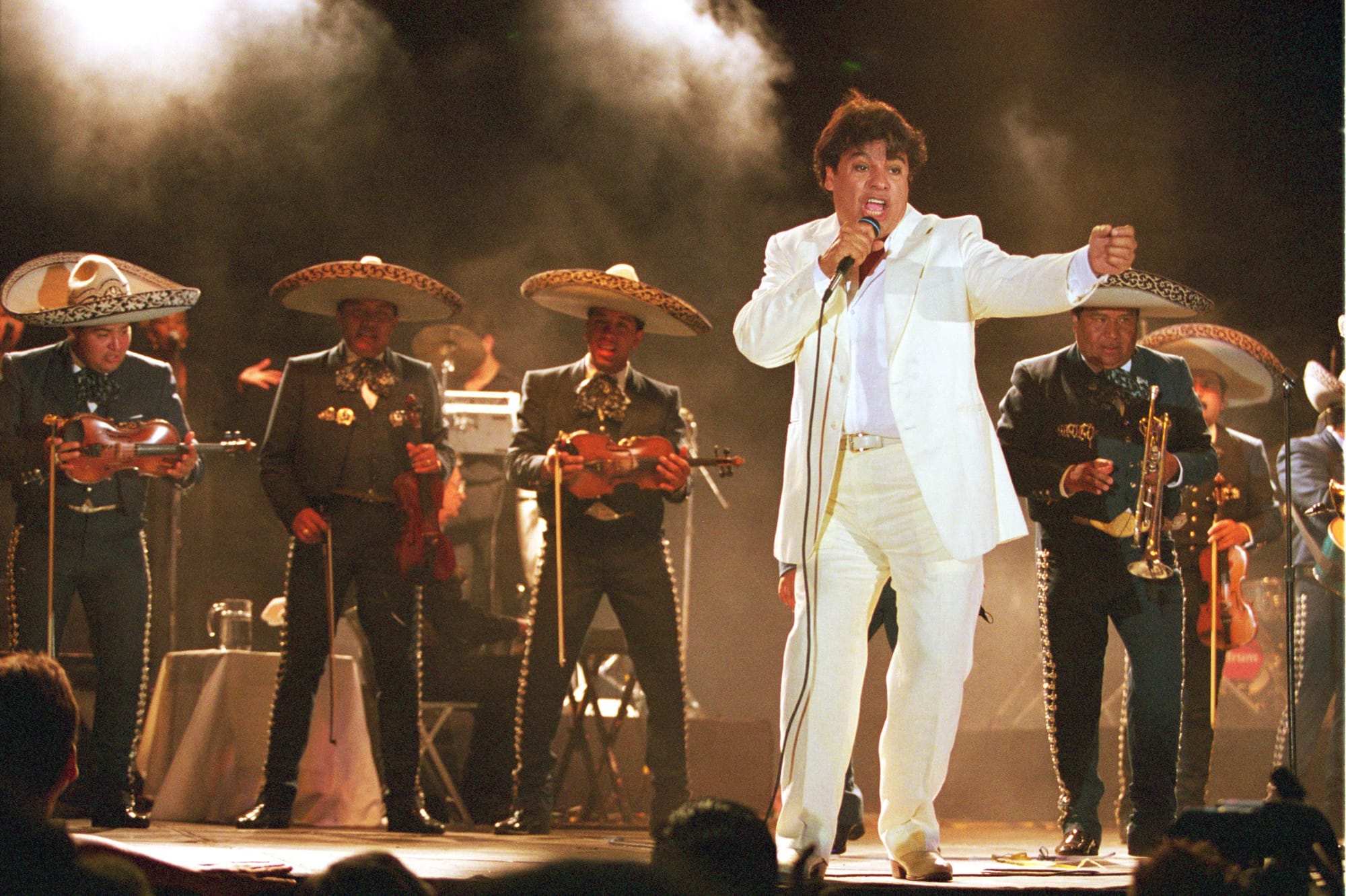
XZ: Even though Taylor hasn’t written that many songs so far, she’s only 33 years old and still writing. Wait and see!
OZ: You and I share a passion for theater, particularly musical theater. Works such as Into the Woods, by Stephen Sondheim, or Hamilton, by Lin-Manuel Miranda, have marked us both, in both their stage and film versions. Maybe that’s why we’re fascinated by songs like “All Too Well” in much the same way. In the short film that Taylor directed of that song, she imagines the story told by a novelist who remembers a young love. The video stars actress Sadie Sink, who rose to fame with the Netflix series Stranger Things, one of your favorites. I think the crossover between all these mediums (film, theater, music, video, fiction), makes that particular song much more interesting to you. Is that so?
XZ: I really like stories and being able to tell and listen to them in different ways, and “All Too Well” (the 10-minute version) has a way of narrating that makes you feel like you’re part of the story. It’s as if you’re also telling the story when you sing it. As I’m an aspiring actress, I really like art and different ways of expressing myself, [Ximena says all this while spinning around] and the song and video incorporate a lot of these things. And a picture of Sadie Sink and Taylor are the lock screen and wallpaper on my iPad. They’re both great at making the art I love the most.
OZ: Now that we’re going to Mexico City for the concert, I can’t help but think about the problem of the economic injustice surrounding Taylor Swift’s music. It produces millions of dollars, and ticket sales collapsed Ticketmaster’s online platform. The resale price of tickets is problematic in a country like the United States and even more so in Mexico, with its high poverty rates. Access to this concert, you will agree, is the privilege of an upper class. I would like to know what you think about Taylor Swift as a market product and consumer phenomenon.
XZ: I agree with you that the prices are a bit absurd, but I also think it’s not all Taylor’s fault. She tries to do what she can to change that and help her fans. She is not simply a rich woman. She donates money to many causes to end child poverty, fight diseases such as cancer, and help people after natural disasters. She also donates money to cultural institutions and universities like the one you work at. Taylor has personally responded to her fans about the problem of reselling tickets for her concerts.
OZ: I was pleased to know that songs like “Only the Young” were written to intervene politically in the United States. You have been interested in politics since you were very young and, for example, you were very sensitive to the horror that was the Trump presidency, and the contradictions of the governments of Barack Obama (who deported three million undocumented migrants) and Joe Biden (who continues an aggressive anti-immigrant policy). What can and should a singer like Taylor Swift do? What is the role of the young people who listen to her and who share with her this interest in participating in politics?
XZ: Taylor wrote “Only the Young” after the Democratic candidate [for the U.S. Senate] she supported in Nashville lost. She wanted to encourage young people to not lose hope and continue the fight. Young children in the world, even though we cannot vote, can protest and talk about these issues. The role that I have as a young person is to be part of a smarter generation than the previous one and help take care of the earth and the most unfortunate.
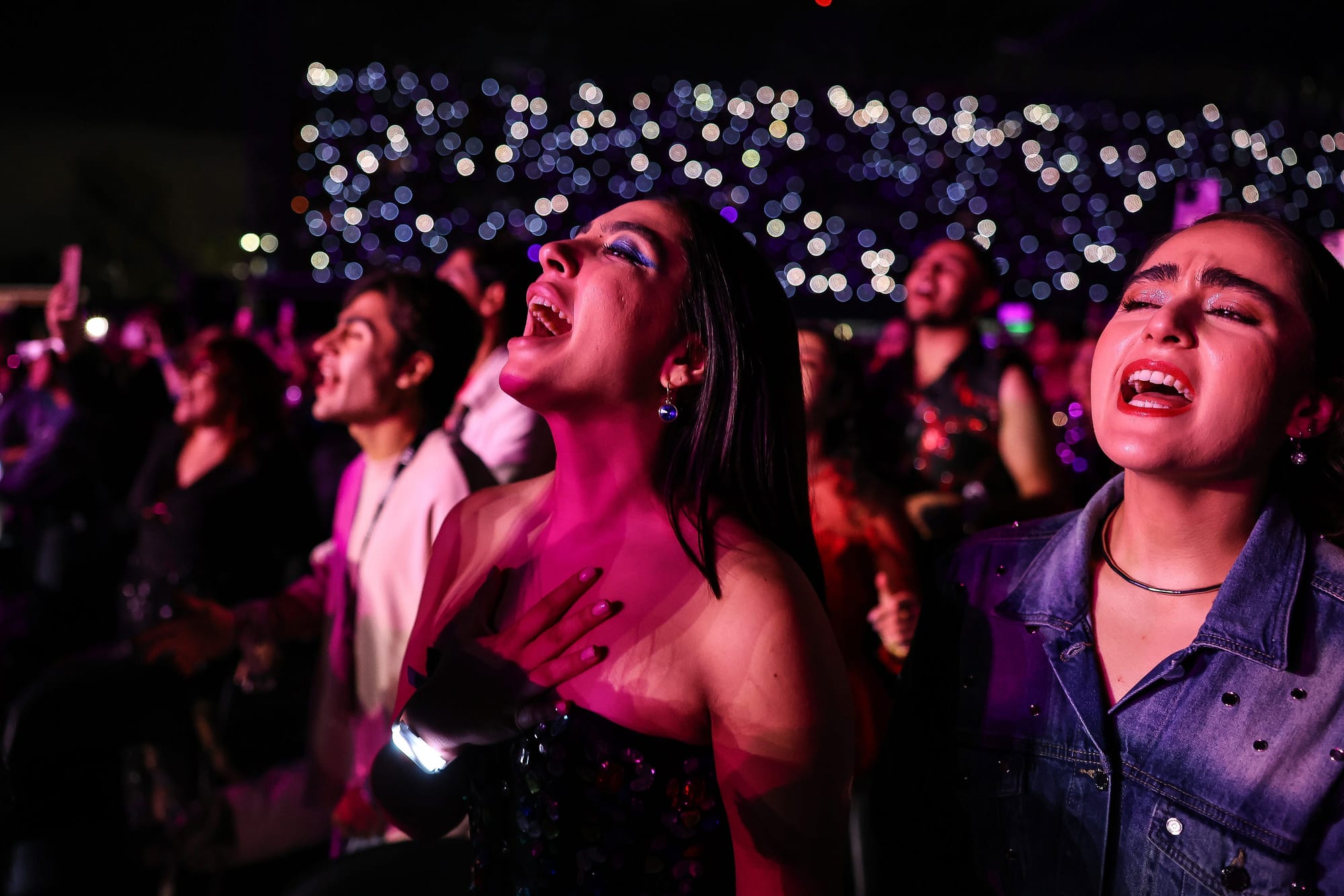
OZ: There’s a song from the album Midnights that you and I really like: “Paris.” We were struck by that funny rhyme: “Like we were in Paris / like we were somewhere else.” And then she says, “I wanna transport you to somewhere the culture’s clever.” I like to think that this concert will be a way to transport us to that world—in Taylor’s version—where you and I can talk about music and cross countries, languages and generations that far from separating us, unite us more.
XZ: I remember when we went to Paris, I was playing in a park and a girl was talking to me and asking me questions. But all I knew was the word “oui” and so she thought my name was “Oui Oui” and that I came from a country called “Oui Oui.” Taylor’s music lets you be in different places at the same time. It doesn’t matter that her music is sung in English because you can still feel the vibe.
OZ: I would like to end this conversation by remembering with you a verse from a certain song from the album Speak Now, one of the first that Taylor recorded but that she re-released in her new version: “And even though you want to / Just try to never grow up.” Are you going to listen to me and stop growing up so fast?
XZ: Even though I can’t stop growing up, I’m always going to be your little girl and I’m always going to talk to you about Taylor and other things. And when I’m a professional actress, I’ll take you to Paris.
OZ: Like we were in Paris!
XZ: Oui Oui.
Oswaldo Zavala may be reached via X at @oswaldo__zavala.
Ximena Zavala is not allowed on social media.
The Border Chronicle relies on its readers 100 percent to continue. Please consider supporting us today with a paid subscription for just $6 a month or $60 a year.
Related Articles
In a Mexicali Novel, a Secret and an Unraveling Childhood Friendship
Elma Correa’s award-winning Donde termina el verano follows two girls from the working-class outskirts of Mexicali whose friendship, guilt and memories are shaped by a childhood disappearance and the borderlands around them.

The Sonoran Desert’s Endemic Psychedelic: A Q&A with Writer Kimon de Greef
A new book tells the scandal-ridden tale of Sonora’s toad-smoking neo-shaman.
Reporter’s Notebook: NAFTA, Tijuana Art Week, and the Built Environment of the Baja Borderlands
A road trip through Baja California reveals how free trade, migration, and border policy have reshaped Tijuana’s landscape, and why the uncertain future of the USMCA invites new questions about what comes next.