
Reporter’s Notebook: A Man and his Rake Against Anti-Immigrant Hate in Yuma, Arizona
The Border Chronicle visits with Fernando “Fernie” Quiroz, director of the AZ-CA Humanitarian Coalition that provides aid to asylum seekers in Yuma
The Border Chronicle podcast is hosted by Melissa del Bosque and Todd Miller. Based in Tucson, Arizona, we interview fascinating fronterizo/as, community leaders, activists, artists and more at the U.S.-Mexico border.
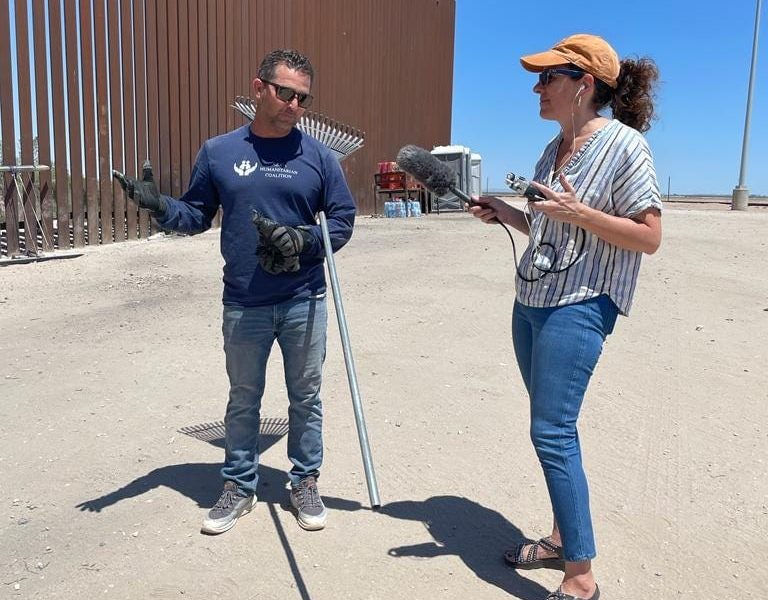
The Border Chronicle visits with Fernando “Fernie” Quiroz, director of the AZ-CA Humanitarian Coalition that provides aid to asylum seekers in Yuma
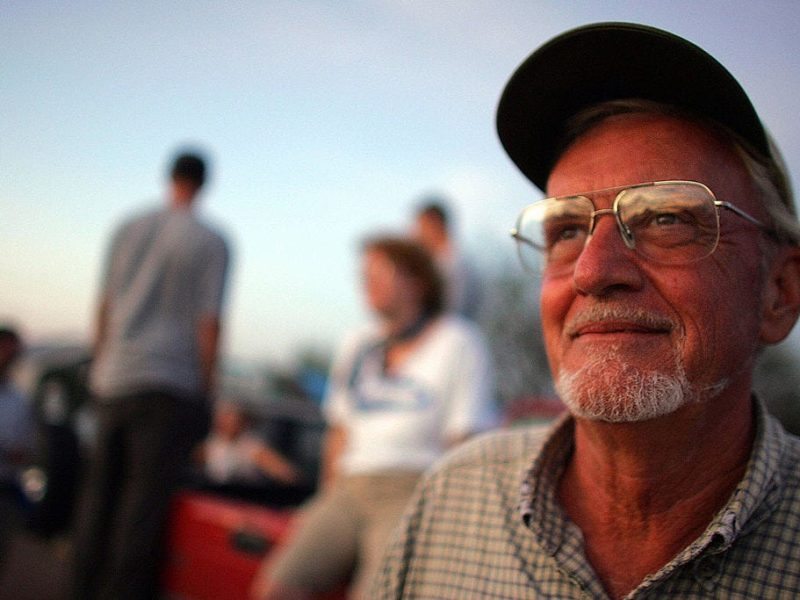
"Climate change will be the first time we realize that nation states can't solve this problem by themselves."
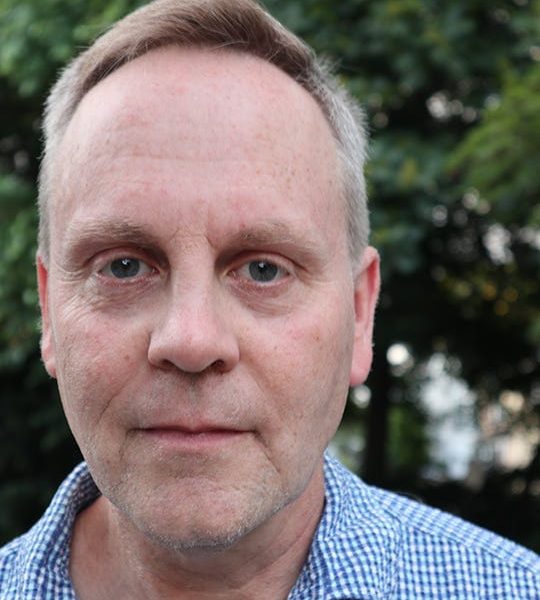
Lauded border scholar Joseph Nevins dissects the global border apparatus, shows its parallels with South African apartheid, and calls for both freedom of movement and the right to stay home
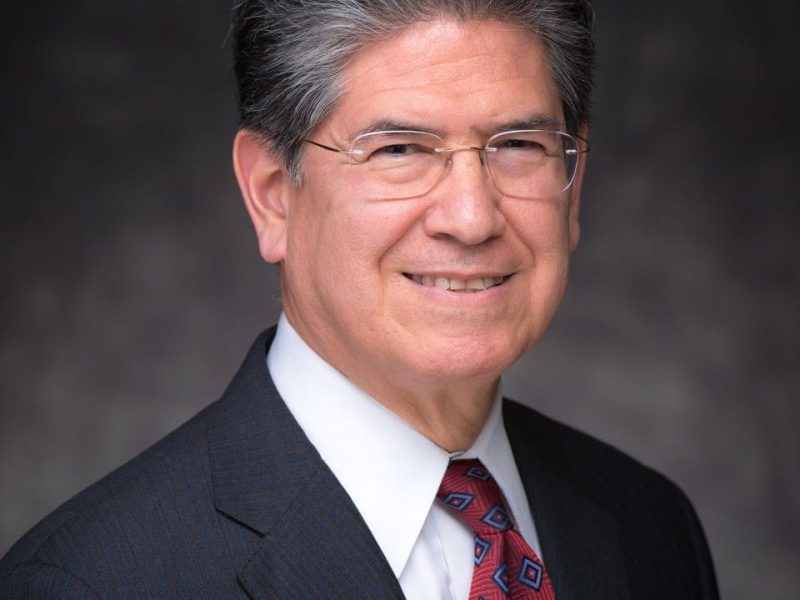
An expert in critical discourse analysis, Santa Ana is a professor emeritus at the University of California in Los Angeles, where he’s spent decades analyzing political speech and media representations of Latinos and immigrants.
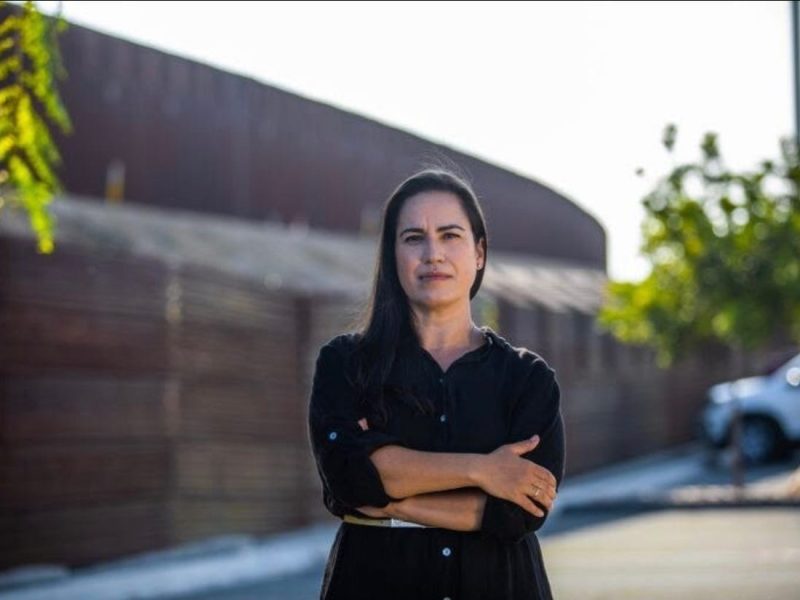
Al Otro Lado’s Tijuana-based litigation and policy director examines the border, past, present, and future, through the lens of the invasive and futuristic surveillance apparatus that is already here.
The former South Texas police officer talks about working a “surge” on the Texas-Mexico border, and playing a role in “border theater.”
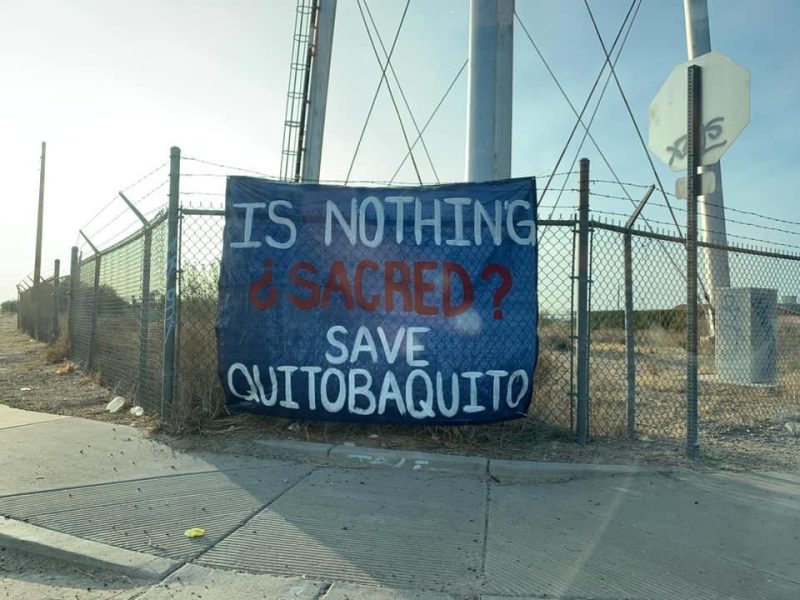
In this audio interview Ortega discusses why she chose to face a judge in order to protect a sacred spring on the Arizona-Mexico Border.
The author on his new book "The Marauders," the rise of far-right extremism in Europe and the American borderlands and what communities can learn from Arivaca, Arizona
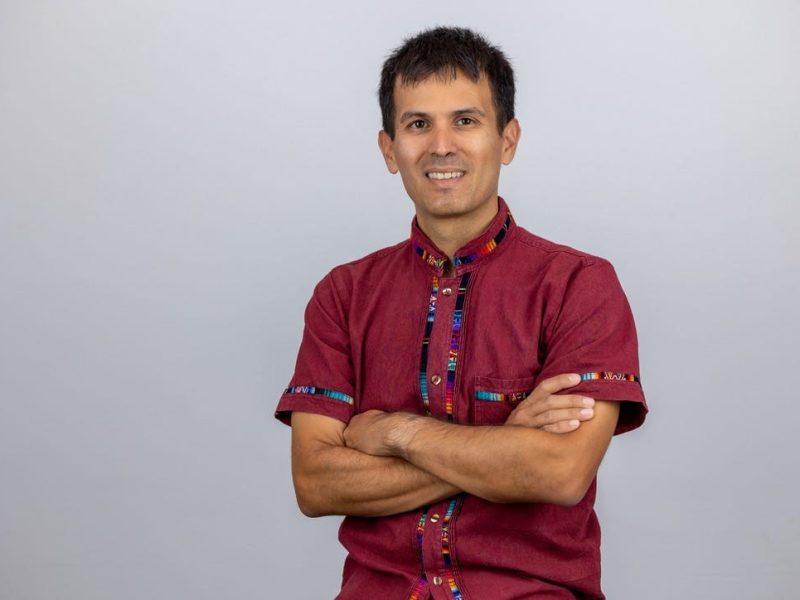
The legal scholar and author of "Crimmigration Law" and "Migrating to Prison" on immigration detention reform, midterm elections, and what he’s watching for in 2022.
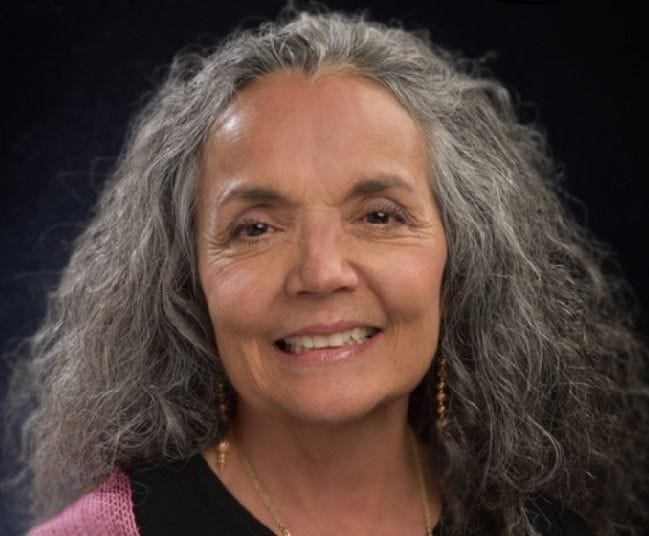
Southern Arizona’s legendary human rights champion rates the Biden administration’s first year at the border and suggests the time has come for a “quiet revolution.”