
Vampires without Borders
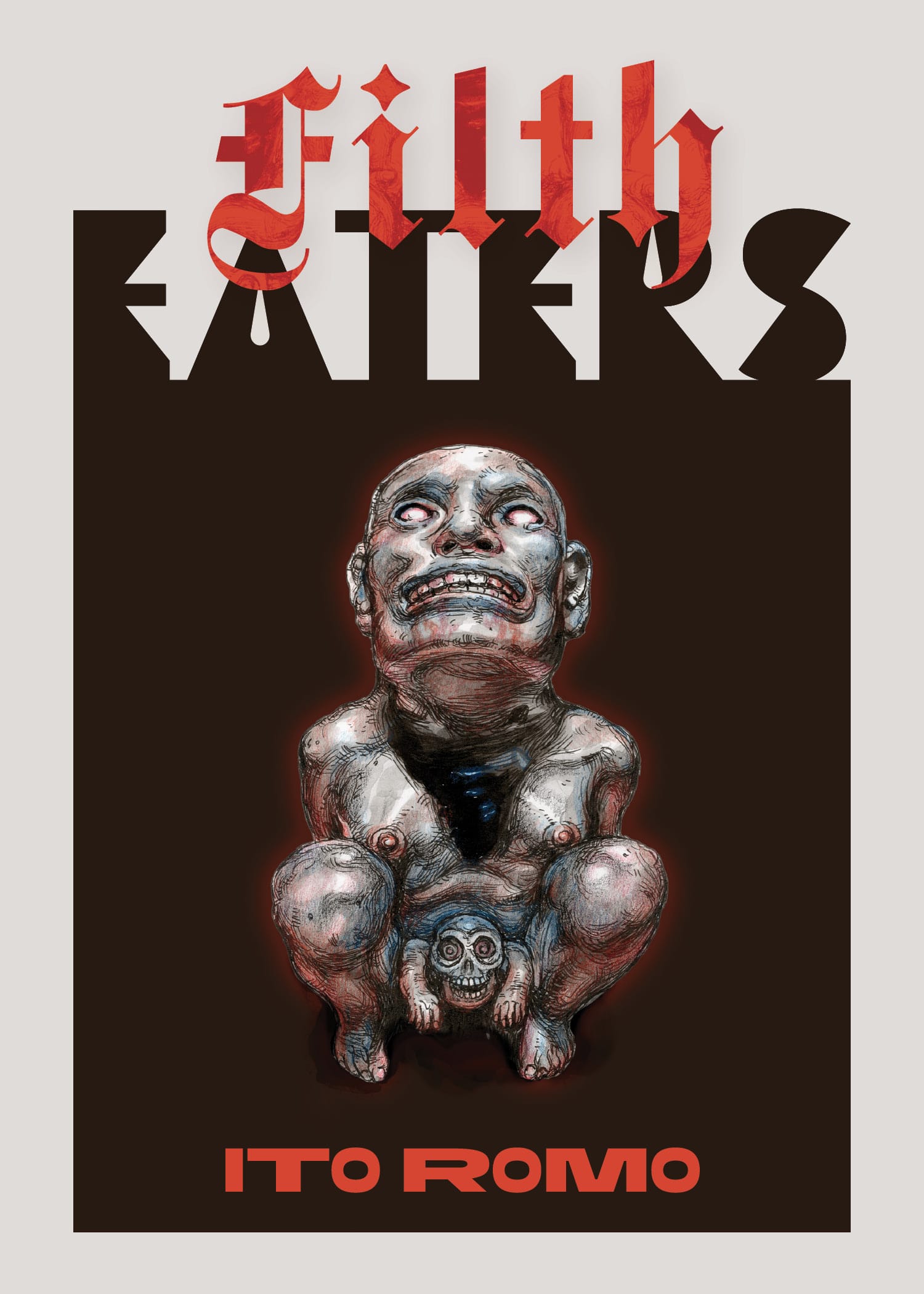
Spanning a thousand years and multiple continents, the new novel Filth Eaters casts vampires as the world’s ultimate stateless people.

Manhattan, 2069. Doro is a 200-year-old Mexican vampire living in a post-cataclysmic world. Cops in hypermilitarized squad cars mow people down with hood-mounted machine guns while the 1 percent zooms around in water limos “lowered from their boat garages in the sky softly onto the canals.” Having invested the “spoils of the Mexican-American war” into the water futures market, Doro is richer than God but has nothing to live for except the fixes he gets from the blood of speed freaks and dopeheads. He stalks and kills live on the dark web via pocket-size camera drones programmed to pan and zoom for cinematic effect.
“I’d fucking face the sun tomorrow morning, any morning, so that I didn’t have to feed anymore on your rancid human blood so full of fucking hate.” So he tells his legions of blood-horny online sycophants in the opening scene of Filth Eaters, Texas author Ito Romo’s debut novella, published in May by Deep Vellum. “When I burst into a billion pieces of burning flesh, you’re gonna see it with your very own eyes.”
Badass, right? Yeah, I thought so too. But it gets better: Doro is descended from both Andalusian nobles and a line of Aztec vampires who, upon the arrival of Hernán Cortés, were driven from their home beneath the pyramids of Teotihuacán into the caves hidden in the active volcanoes surrounding what is now Mexico City.
These Filth Eaters, as they are called, are an elite race of vamps whose powers stem from human sacrifices to the ancient gods—offerings they still make long after the Mexica religion is stamped out by the archbishop and his Inquisition. Immune to the silver and garlic that weaken their lesser European counterparts, Filth Eaters die only when the needle of the maguey, or agave, is driven deep into their undead hearts.
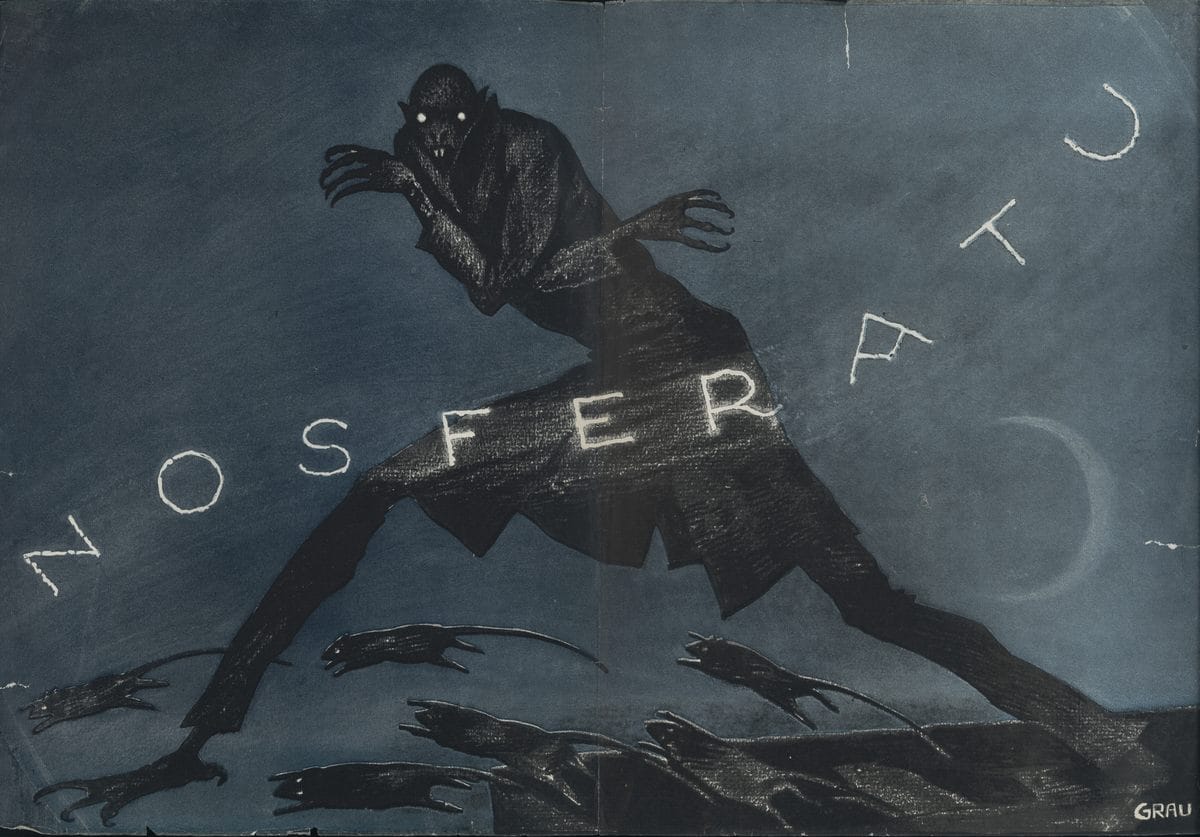
The story of vampires, an invention of 18th-century Balkan folklore brought into broader European literature at the outset of the 19th, began as a class allegory: the medieval lord sucking the life out of peasants and corrupting fair maidens with his depraved pagan morals. This villainous archetype persisted through later touchstones like Bram Stoker’s Dracula (1897) and its first film incarnation, Nosferatu (1922), all the way up to Anne Rice’s Interview with the Vampire (1976), which features a new kind of monster: the reluctant killing machine tortured by temptation, a pitiful symbol of stymied desire.
Romo’s Andalusian-Aztec Doro, the antihero of Filth Eaters, represents a further spin on the vampire tale: the mixed-race or mestizo vampire. (The term appears in the book’s marketing copy but not in the book itself; some consider it suspect, both an artifact of colonial thinking and a fiction that flattens racial difference.) Both oppressor and oppressed, hunter and hunted, Doro is rendered with the moral ambiguity of one driven to depravity by centuries of accumulated trauma, from the conquista to climate catastrophe.
Romo was born and raised in the border city of Laredo, Texas, and his family has lived on both sides of the shifting line since Spanish colonial rule. A former professor at St. Mary’s University in San Antonio, he has published just two short story collections in about 25 years: El Puente/The Bridge (2001) and The Border Is Burning (2013), both mapping the contours of life in that contested corridor. For an author so at home in between, and so keenly aware that things were not always the way they are, it’s easy to see the appeal of the vampire as metaphor.
The vampire, after all, is invariably immortal, making him a chameleonlike witness to a long view of human development, with its drawing and redrawing of borders. But the genre also offers a chance to pair the imaginative work of fantasy with the realist texture of historical research—a dream project for a certain kind of archive nerd.
This is where Filth Eaters excels. For instance, in the epistolary chapters written in the voice of Cortés, Romo clearly had a blast remixing the real-life letters sent to Emperor Charles V to use as a vehicle for introducing the book’s premise. Alongside the letters’ lists of plundered spoils and wide-eyed descriptions of Tenochtitlán, a lakeside metropolis of islands connected by feats of urban engineering, Romo’s fictional Cortés provides the first reports of these “newly discovered demons of the night”: demigods with whom the city’s priests—themselves dressed all in black, with unwashed hair in “long tangles thick with clotted blood”—have long maintained a pact.
I was riveted by Cortés’s description of a doomed military expedition into the clouds of fiery ash at the peak of the nearby Popocatéptl volcano:
And in that darkness, in that day turned night, though it lasted but a moment, seven of those ten were savaged, killed by vampires along with the three native guides. The survivors had but to push their bodies into the dark smoke of the mountain so as to conceal the method of their death, the broken necks, the telling marks upon their necks, concealed, sacrificed to the roaring mountain, so as to not a panic cause, in both the Indigenous and the Spanish, all Your Majesty’s humble servants.
Doro’s progenitors, the Spanish immigrant Radamés and the Mexica woman Tepín, recognize each other’s hidden vampiric nature while passing by the Mexico City cathedral, 300 years after the fall of Moctezuma. They initiate newborn Doro to the ranks of the Filth Eaters in 1868 by stealing the archbishop’s baby and making him eat its heart. “We are you, Tlazōlteōtl, goddess of the moon, goddess of human fertility, goddess of sexuality, Eater of Filth,” the vampire priest recites before extracting the tiny organ with his thumb and forefinger, “still attached to its blood vessels, beating fast.”
This brings us to the other interesting thing about the vampire genre: by stretching across disparate times and places—Filth Eaters spans epochs, from the 11th-century Indus Valley to 21st-century New York City—it invites reflection on the shifting and subjective nature of morality. The vampire, with his centuries of wisdom and experience, tends not to concern himself with such faddish belief systems as, say, liberal humanism or heterosexuality, having lived through the rise and fall of civilizations.
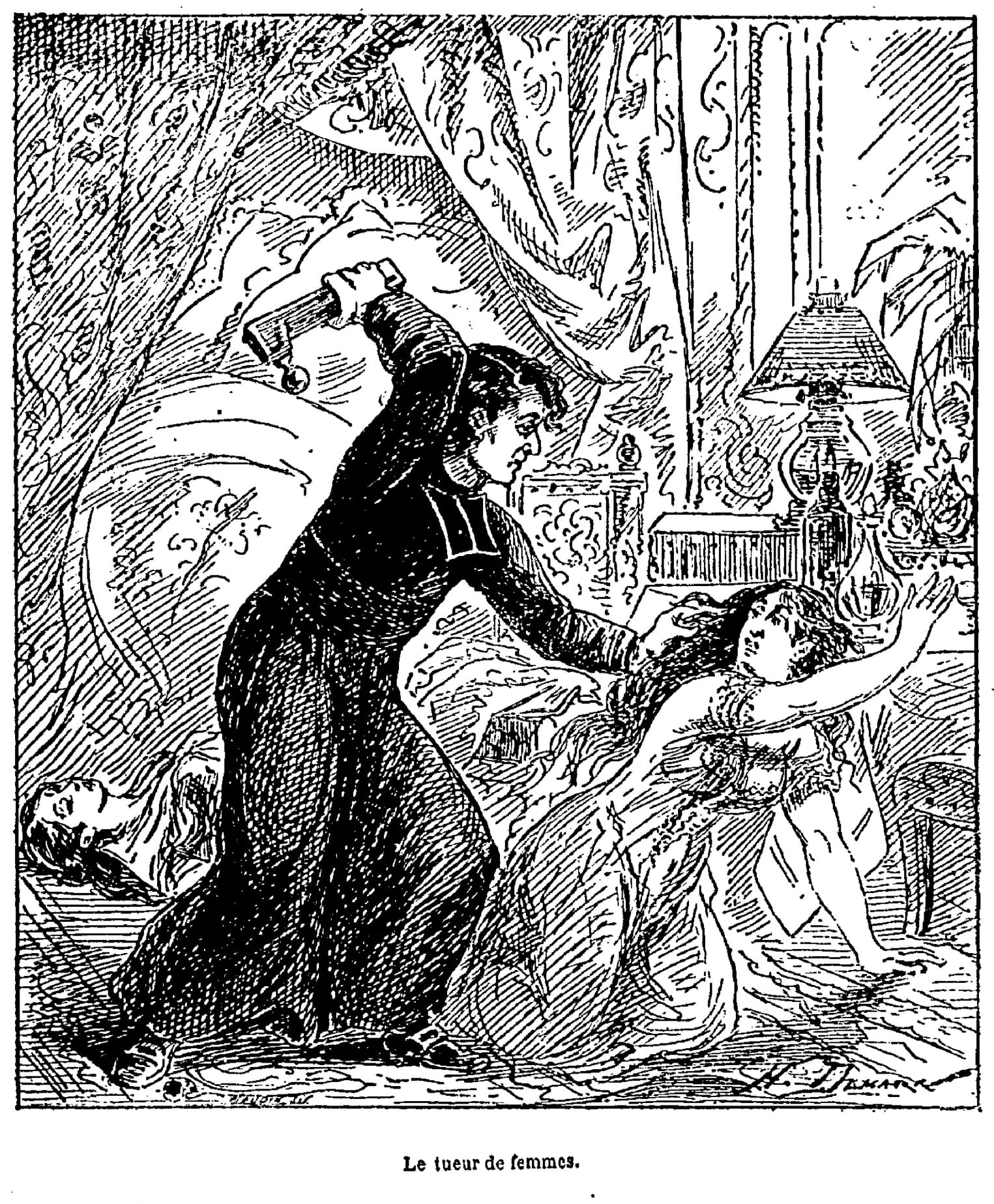
In the case of Filth Eaters, this moral exemption justifies Romo’s going full gross-out in scenes like Doro’s vampire baptism, or in one particularly Hannibalesque moment when he streams a kill from a New York City subway car, tying two men to the car’s metal poles in an X shape, as if in a medieval torture rack, before pulling their hearts out for the camera.
But why? Is Doro exacting revenge? Is he just amusing himself? Is it because he’s out of his mind on drugs? (Or rather “wasted,” an adjective the author uses nine times in 140 pages, a distinct sour note.) There are times when Doro seems to fit the profile of the righteous dark knight, the angel of death enacting justice on deserving victims like the old lady who—in a moment that felt a little expeditious—calls him a “filthy Mexican” who “poisoned the blood of our country” before being roundly dispatched.
We witness countless such acts of human cruelty throughout the 1,000 years that Filth Eaters spans, building up a vision of vampires as principled underdogs in a world otherwise marred by moral decay, one that is especially pronounced among the “fucking barbaric Americans, blood so full of hate.” But this question of Doro’s motivation remains unresolved. It’s as if Romo wanted the transgressive pleasure of writing a fully depraved, amoral monster but couldn’t resist falling back on the Hollywood trope of the good guy gone bad.
Romo’s world-building is a feat of imagination. But the novel’s plot ultimately deprives readers of the narrative tension that makes us want to know what happens next. He offers neither the satisfaction of watching Doro wrestle with right and wrong, nor the perverse, vicarious glee of following a character uninhibited by such terrestrial concerns. Such a searing indictment of humanity feels less convincing when it comes after watching its would-be judge and jury devour a bunch of babies. One gets the sense that when vampires commit atrocities, it’s righteous or even fun to watch because they’re driven by something nobler than human prejudice and fear: a religious calling, which distinguishes itself from humans’ by the fact that their gods are real. It’s a clever gambit to let us identify with the bad guy, guilt free.
Max Pearl is an independent critic who writes the newsletter Separator. Filth Eaters is available from The Border Chronicle’s Bookshop.org storefront.
Support independent news, art and culture from the U.S.-Mexico border. Become a paid subscriber today for just $6 a month or $59 a year. Help us become sustainable.
Author

Related Articles

In a Mexicali Novel, a Secret and an Unraveling Childhood Friendship
Elma Correa’s award-winning Donde termina el verano follows two girls from the working-class outskirts of Mexicali whose friendship, guilt and memories are shaped by a childhood disappearance and the borderlands around them.
The Sonoran Desert’s Endemic Psychedelic: A Q&A with Writer Kimon de Greef
A new book tells the scandal-ridden tale of Sonora’s toad-smoking neo-shaman.
Reporter’s Notebook: NAFTA, Tijuana Art Week, and the Built Environment of the Baja Borderlands
A road trip through Baja California reveals how free trade, migration, and border policy have reshaped Tijuana’s landscape, and why the uncertain future of the USMCA invites new questions about what comes next.