The Border Chronicle’s Third Annual Summer Reading List
We’ll be back in August. Stay hydrated, read a book (or two), and sign up for our 20 percent monsoon special subscriber discount—July only!
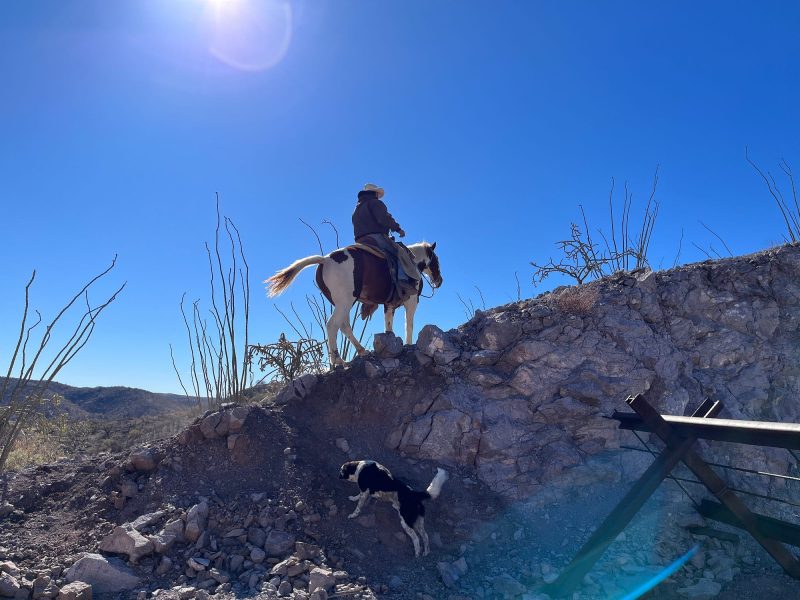
As far as heat is concerned, its triple digits in the Sonoran Desert. Thankfully, the monsoon rains started in June in Tucson, and now we’re hoping for more. There’s no better perfume than that of creosote and desert brush after a drenching monsoon rain.
There’s also nothing better than our subscribers. Thank you so much for being a Border Chronicle supporter, reader and listener. We would not exist without you. It’s an anxiety inducing (to say the least) election year, so we’re pacing ourselves. We will be back in August with new articles, podcasts and community events, including a panel Todd and I will be doing in Nogales, Arizona, in early September. I’ll have more details on this for you soon. We’ll also have some new merch that I am very excited about. Stay tuned!
In the meantime, let us know what’s happening in your border community that needs coverage in The Border Chronicle. Drop us a line!
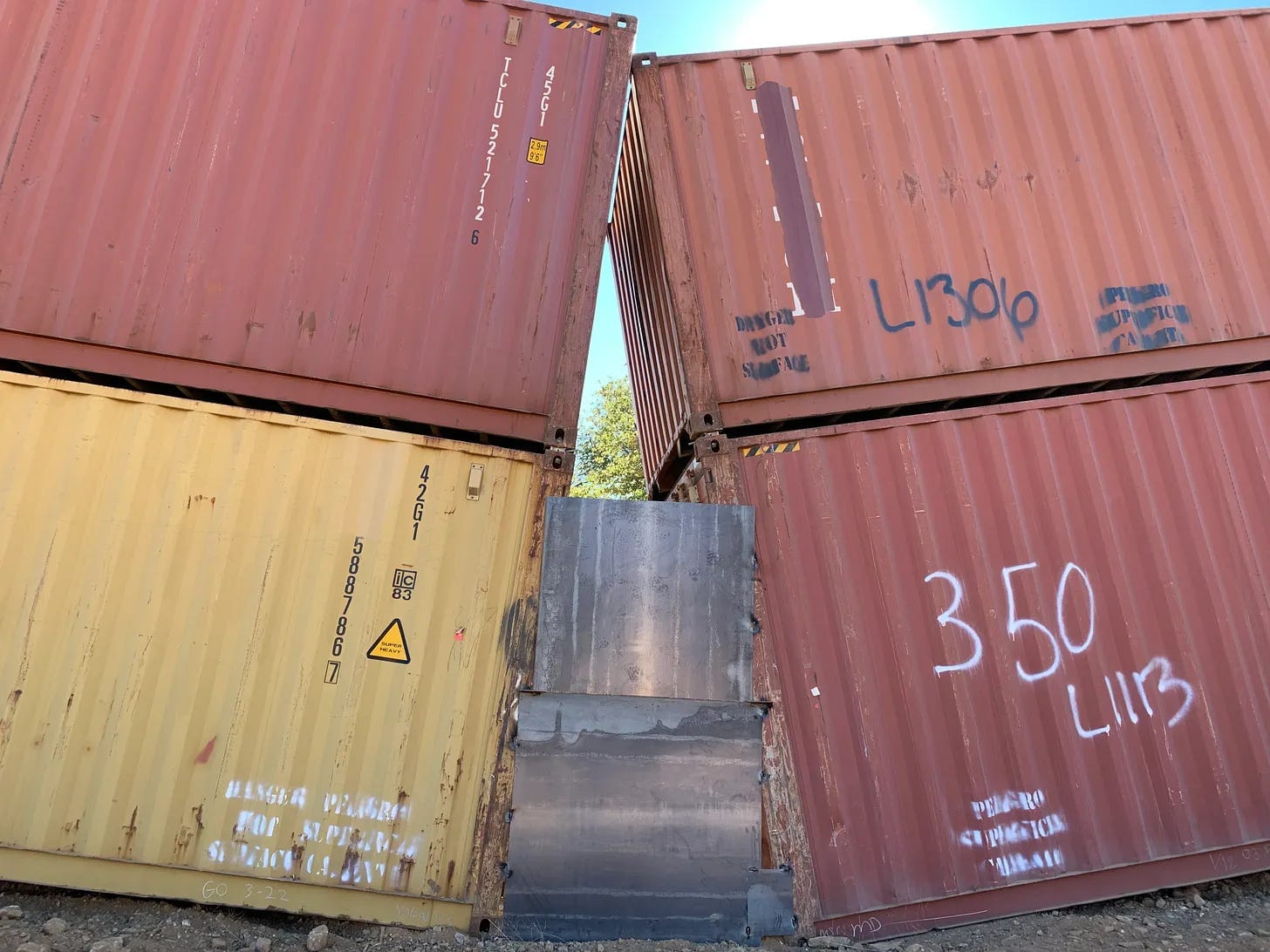
Before I share our summer reading list, some good news worth noting on news previously reported in The Border Chronicle. Remember former Arizona Gov. Doug Ducey’s boxcar border wall boondoggle? At least 18 of those shipping containers have finally been put to constructive use as solar-powered cooling centers in Phoenix, after a record number of heat-related deaths last year, according to AZ Family news.
And in a February podcast I spoke with Russ McSpadden, of the Center for Biological Diversity, about the exciting discovery of a new jaguar in southern Arizona. The first new identification of one of these elusive and endangered big cats in years. Since our podcast, Tohono O’odham students, and elders have named this new jaguar O:ṣhad Ñu:kudam, which means “Jaguar Protector” in the O’odham language.

Hopefully, you’ll be hanging out by a pool or ocean during these sweltering summer months. Even if you’re not, we’ve got some cool summer recommends for border-centric books. And a bonus: every one of these books has a Border Chronicle podcast to go with it, so you can delve deeper into our author interviews. Enjoy!
Unbuild Walls: Why Immigrant Justice Needs Abolition by Silky Shah (Haymarket Books, May 2024) Author Silky Shah shares her in-depth and historical knowledge about how immigration enforcement, the prison-industrial complex, and deportations function and intersect with the criminal justice system. Shah, who is executive director of the nonprofit Detention Watch Network, offers sharp insight into the current moment, talking about the simultaneous gutting of the asylum system and the ramping up of border enforcement, and the good immigrant–versus–bad immigrant narrative used so often in campaign talking points. Shah offers a new framework beyond these stale talking points and focuses on creating a world where every person can thrive. Listen to our podcast with Shah here.
A Map of Future Ruins: On Borders and Belonging by Lauren Markham (Riverhead Books, February 2024) This is a lyrical and haunting book —part memoir, part reportage from Markham’s years of reporting on migration around the world. At the book’s core is the deadly 2020 fire at the Moria refugee camp on the island of Lesbos in Greece, and Markham’s search for her own Greek ancestors. Along the way, she writes poignantly about borders and bordering throughout the world, maps, getting lost (both psychically and physically), mythology and confronting myths, the layers of history both personal and global, journalism, and, sweetly, how oracles can be medicine. Listen to Todd’s interview with Markham, a journalist, educator, and author about her new book here.
The Case for Open Borders by John Washington (Haymarket Books, February 2024) Perhaps one of the most important border books to come out in this hyper authoritarian 2024 election cycle. Dropping a book into this melee with the stigmatized term “open borders” is significant because it helps Washington, a Tucson-based journalist and author, pry apart the dominant political narratives around migration. Moreover, The Case for Open Borders is eloquently written and packed with arguments and examples in the United States and beyond, reframing the issue in a way that undermines the familiar, tedious border bluster. If you hunger for new visions, new ways of doing things, and understand that the current situation is not inevitable, or even desirable, this book is for you. Listen to Melissa’s interview with Washington about his book here.
The Walls Have Eyes: Surviving Migration in the Age of Artificial Intelligence by Petra Molnar (The New Press, May 2024) Border technology is rapidly evolving. Molnar’s book examines its impact on people crossing borders and people living in borderlands around the world. In The Walls Have Eyes, Molnar explains how border tech connects to larger political and economic power structures, and how it is not a humane alternative to a wall. Molnar reports from North America and Europe, which brings a global perspective to the book, and underscores the omnipresence of surveillance. Molnar is the associate director of the Refugee Law Lab, based in Toronto, Canada, and cofounder of the Migration Tech Monitor. Listen to Todd’s interview with Molnar here.
Resisting Borders and Technologies of Violence Mizue Aizeki, co-editor (Haymarket Books, March 2024) In these essays from activists, journalists and scholars we learn about “smart” borders, and technologies including digital IDs, electronic tracking systems, facial recognition software, and data fusion centers. More than just an examination of restrictive border technologies, this book also highlights successful acts of resistance. Todd had a fascinating conversation with Aizeki, who is Executive Director and founder of the Surveillance Resistance Lab, in a recent Border Chronicle podcast, where she delves into some of the thornier questions regarding surveillance technologies and borders, “What if we acknowledge that borders are a form of state violence that enforce global inequality and unequal access to life? … What if the rules people are being asked to follow are fundamentally unjust, exclusionary, and punitive?”
With the recent Supreme Court rulings, and our democracy under threat, these are important questions to ponder. We’ll be focusing on these and more in the coming months leading up to the election.
Un abrazo desde Tucson and a Happy 4th of July.
Author
Related Articles
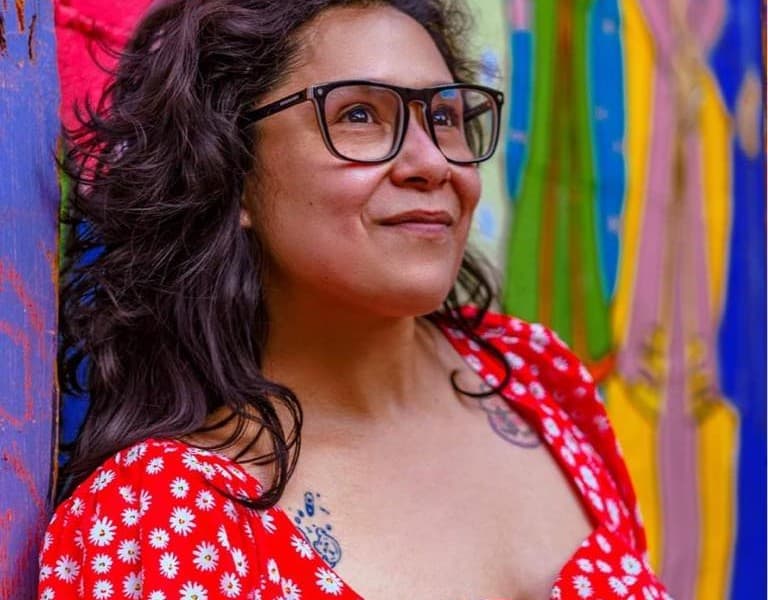
In a Mexicali Novel, a Secret and an Unraveling Childhood Friendship
Elma Correa’s award-winning Donde termina el verano follows two girls from the working-class outskirts of Mexicali whose friendship, guilt and memories are shaped by a childhood disappearance and the borderlands around them.
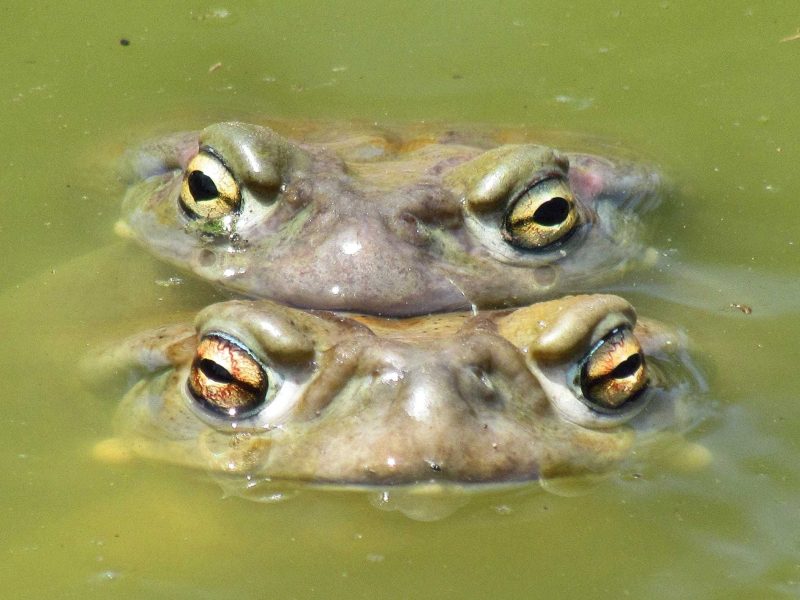
The Sonoran Desert’s Endemic Psychedelic: A Q&A with Writer Kimon de Greef
A new book tells the scandal-ridden tale of Sonora’s toad-smoking neo-shaman.
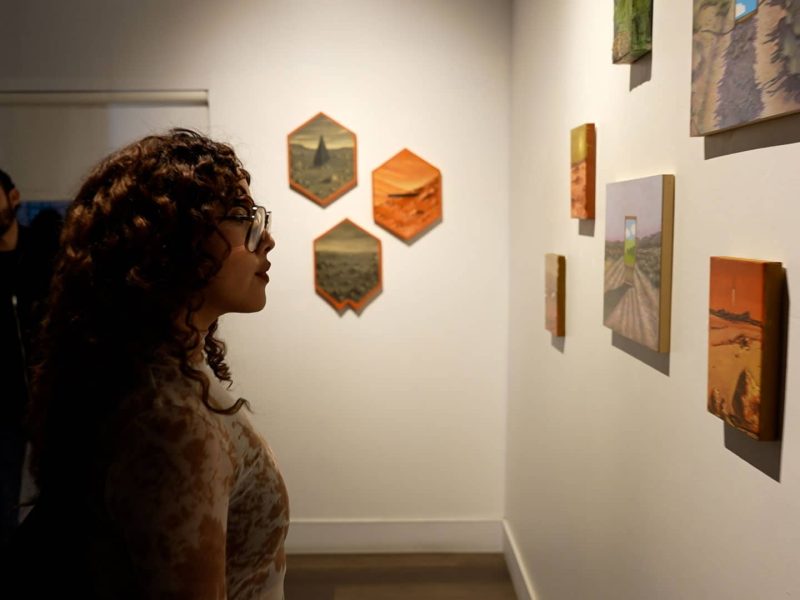
Reporter’s Notebook: NAFTA, Tijuana Art Week, and the Built Environment of the Baja Borderlands
A road trip through Baja California reveals how free trade, migration, and border policy have reshaped Tijuana’s landscape, and why the uncertain future of the USMCA invites new questions about what comes next.