
The Case for Open Borders: A Podcast with John Washington
The longtime border journalist talks about his new book on open borders and the quest for a more just and open world.
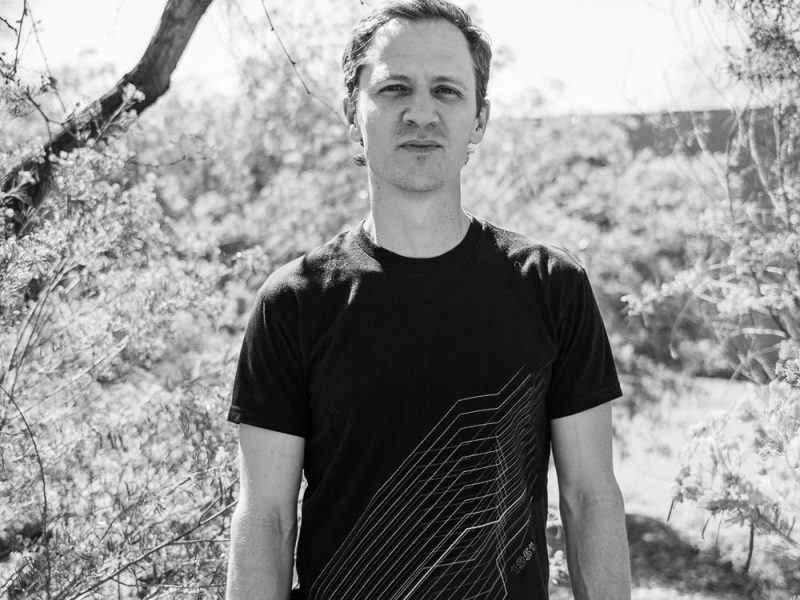
A defining issue of this century will be people on the move and where they settle. Wealthier countries like the U.S. are responding by walling themselves off from the rest of the world and investing in deterrence and detention, which only contributes to more deaths and misery while providing no long-term solutions.
There must be a better way. This was John Washington’s thought as he launched his latest book project, The Case for Open Borders, which takes a deep dive into more humane responses to global migration and examines the history of borders and nation-states, which are relatively recent in human history. Washington, based in Tucson, Arizona, is a longtime border journalist and staffer at the nonprofit journalism outlet AZ Luminaria. He is also the author of The Dispossessed: A Story of Asylum at the U.S.-Mexico Border and Beyond.
When it comes to border and migration policies, Washington notes, “People are hungry for ideas on what we could push for—other than a defensive posture. … But what do we want? How do we have a more just and open world?”
Author
Related Articles
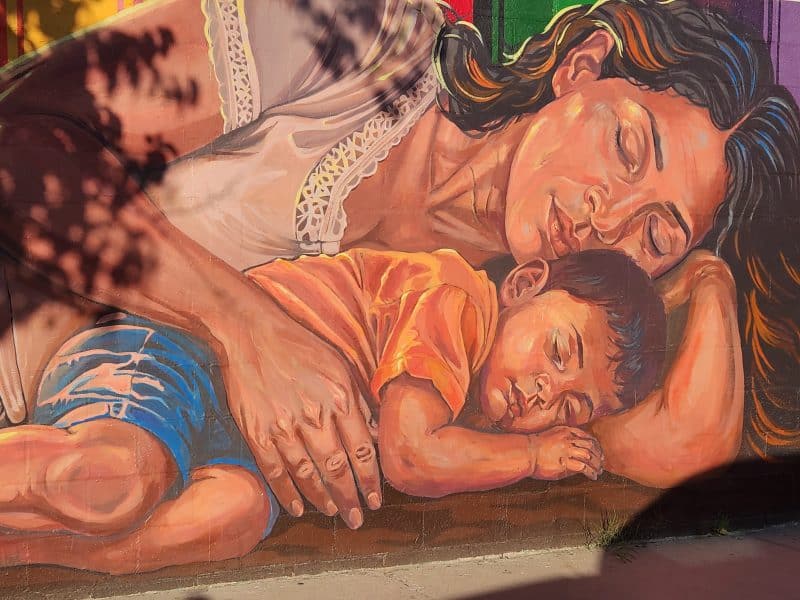
Immigration Policy Is Maternal Health Policy
Research in Texas confirms what border communities already know: that harsh immigration policies harm maternal health. As border-style enforcement spreads across the United States, its consequences for mothers and infants will spread with it.
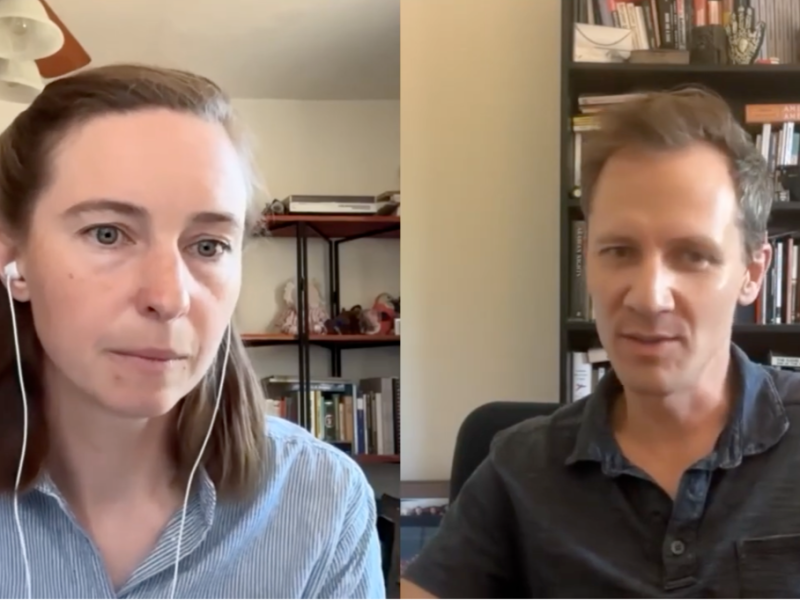
Why Local Pressure is Key to Impacting National Immigration Politics: A podcast with John Washington, author of “How to Close a Camp.”
In February, the country broke an ominous record: over 68,000 people were being held in detention by Immigration and Customs Enforcement, more than ever before.
From Fear to Hope: At a Tucson Summer Camp, Asylum-Seeking Children Find Joy Again
As immigrant families face detention, shrinking legal protections and the threat of deportation, Camp Hope offers children a rare chance to play, heal and dream. One former camper is headed to an opera conservatory in Italy.